Muscle cramps are one of those things that can go from annoying to genuinely disruptive, especially when they hit in the middle of the night or during a workout. For older adults, they tend to happen more often, and the usual advice is to “drink more water.” That advice isn’t wrong, but it’s also not the whole picture. Hydration in your 60s, 70s, and beyond works differently than it did when you were younger, and understanding those differences can help you actually prevent cramps instead of just chasing them.
This article breaks down what’s really happening in your body, how much fluid you actually need, and what electrolytes can and can’t do for muscle cramps. No miracle cures here, just practical information you can use.
Why Older Adults Are More Vulnerable to Dehydration
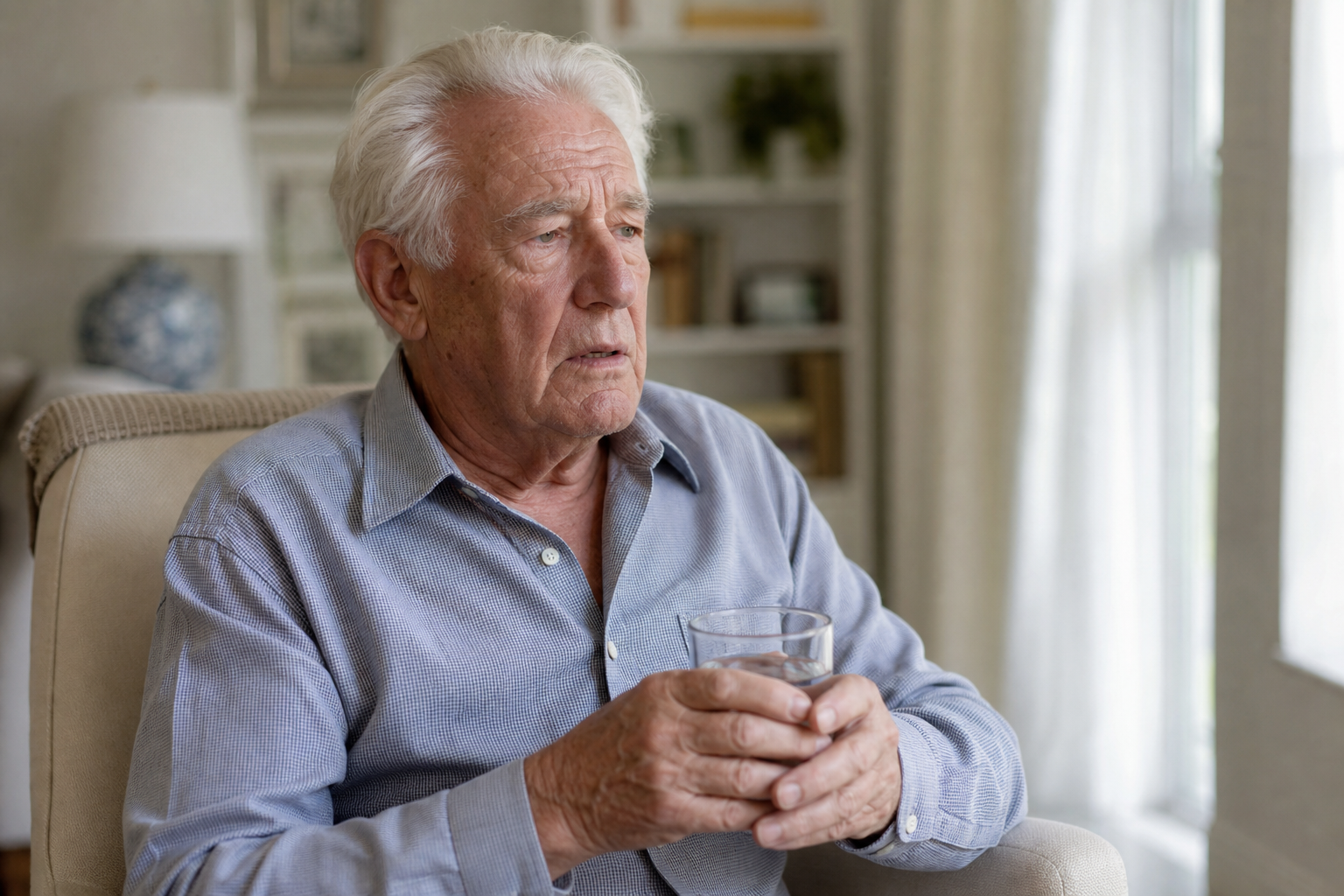
One of the most significant changes that comes with aging is a blunted thirst response. Research consistently shows that older adults feel thirst later and less intensely than younger people, even when they’re already mildly dehydrated. By the time you actually feel thirsty at 70, your body may already be running low.
There are a few reasons this happens. The number of thirst receptors in the hypothalamus decreases with age. Kidney function naturally declines, so your body becomes less efficient at conserving water. Certain common medications, including diuretics and some blood pressure drugs, push fluids out even faster. If you’re managing hypertension, it’s worth reading about blood pressure medication and exercise precautions, since some of those same medications directly affect your hydration status during activity.
Body composition changes matter too. Muscle tissue holds more water than fat tissue, and most people lose muscle mass as they age. This means your body’s overall water storage capacity is smaller than it used to be, which makes the consequences of mild dehydration show up faster.
Hydration Targets That Actually Make Sense for Seniors
You’ve probably heard the old “eight glasses a day” rule. It’s a reasonable starting point, but it doesn’t account for body size, activity level, climate, or medication use. A more useful baseline is about 30 to 35 milliliters of fluid per kilogram of body weight per day. For a 160-pound adult, that works out to roughly 2.2 to 2.6 liters, or about nine to eleven 8-ounce cups.
That number goes up when you’re exercising, spending time outdoors in warm weather, or recovering from illness. If you exercise in the heat, check out the guidance in this article on hot weather workout safety for seniors, which covers fluid replacement alongside other heat safety strategies.
A simple and reliable way to monitor your hydration is to check your urine color. Pale yellow is what you’re aiming for. Dark yellow or amber means you need more fluid. Completely clear urine can actually mean you’re over-hydrating, which carries its own risks, particularly for sodium levels.
Practical Ways to Stay Ahead of Thirst
- Drink a full glass of water first thing in the morning before coffee or tea.
- Keep a filled water bottle where you can see it throughout the day.
- Set a reminder on your phone or a fitness tracking app to prompt fluid intake every two hours.
- Eat foods with high water content: cucumbers, watermelon, leafy greens, and broth-based soups all count.
- Have a glass of water with every meal and every medication dose.
The goal is to build consistent habits rather than try to catch up after you feel thirsty.
Electrolytes: What They Actually Do (and Don’t Do)
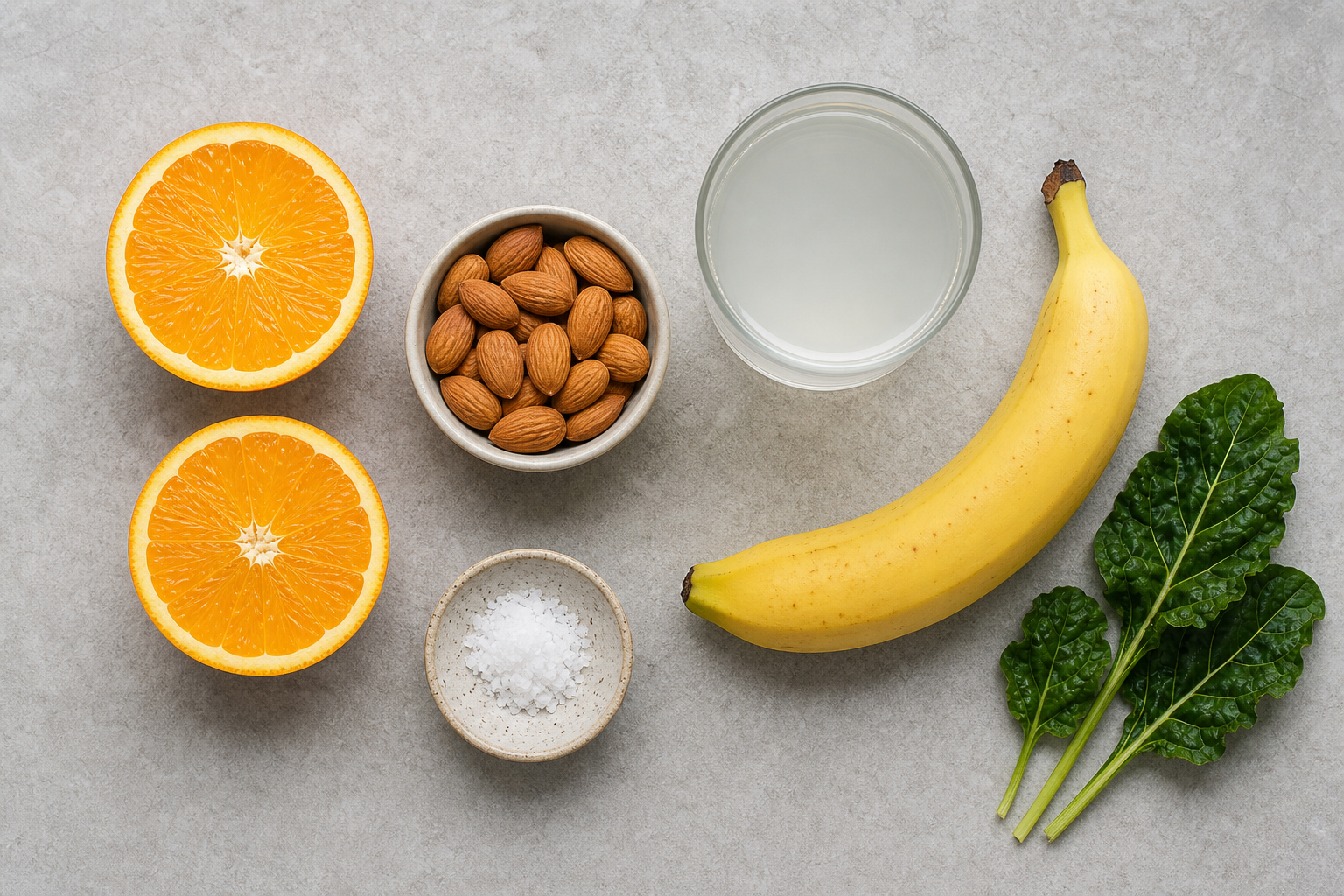
Electrolytes are minerals that carry an electrical charge and regulate nerve and muscle function. The main ones involved in muscle cramping are sodium, potassium, magnesium, and calcium. When levels drop too low, muscles can become irritable and contract involuntarily. That’s a cramp.
Here’s where the marketing hype gets ahead of the evidence. Many sports drinks and electrolyte supplements are sold specifically as cramp cures, but the research doesn’t fully support that claim. A 2021 review published in the British Journal of Sports Medicine found that the evidence linking electrolyte deficiency to exercise-associated muscle cramps is weaker than commonly believed. Neuromuscular fatigue, not just mineral depletion, appears to be a major driver of cramping, especially in athletes.
That said, electrolytes do matter, particularly for older adults who may not be eating enough variety, who sweat during exercise, or who take medications that deplete certain minerals. Magnesium is one that’s commonly low in older adults and is worth paying attention to. For context on minerals that often get overlooked in the senior diet, the article on calcium sources beyond dairy is a good read, since calcium also plays a role in muscle contraction.
Choosing an Electrolyte Product That’s Actually Useful
Most commercial sports drinks are loaded with sugar and artificial coloring, which you don’t need. A better option is a low-sugar or sugar-free electrolyte powder that you mix into water. Look for products that include sodium, potassium, and magnesium in meaningful amounts, not just trace quantities added for marketing.

Sugar-Free Electrolyte Powder
A clean, low-sugar option that provides sodium, potassium, and magnesium without unnecessary additives.
You don’t need electrolyte drinks for every workout. Plain water is fine for most activity sessions under an hour in mild conditions. Electrolyte supplementation makes more sense after longer sessions, in the heat, or if you’re noticing repeated cramping despite staying adequately hydrated.
If you’re curious about broader dietary strategies that support muscle and joint health, the anti-inflammatory diet guide for active seniors covers how food choices affect how your body recovers and functions overall.

Magnesium Glycinate Supplement
Magnesium glycinate is well-tolerated and more easily absorbed than magnesium oxide, making it a better choice for addressing low magnesium levels.
Hydration Before, During, and After Exercise
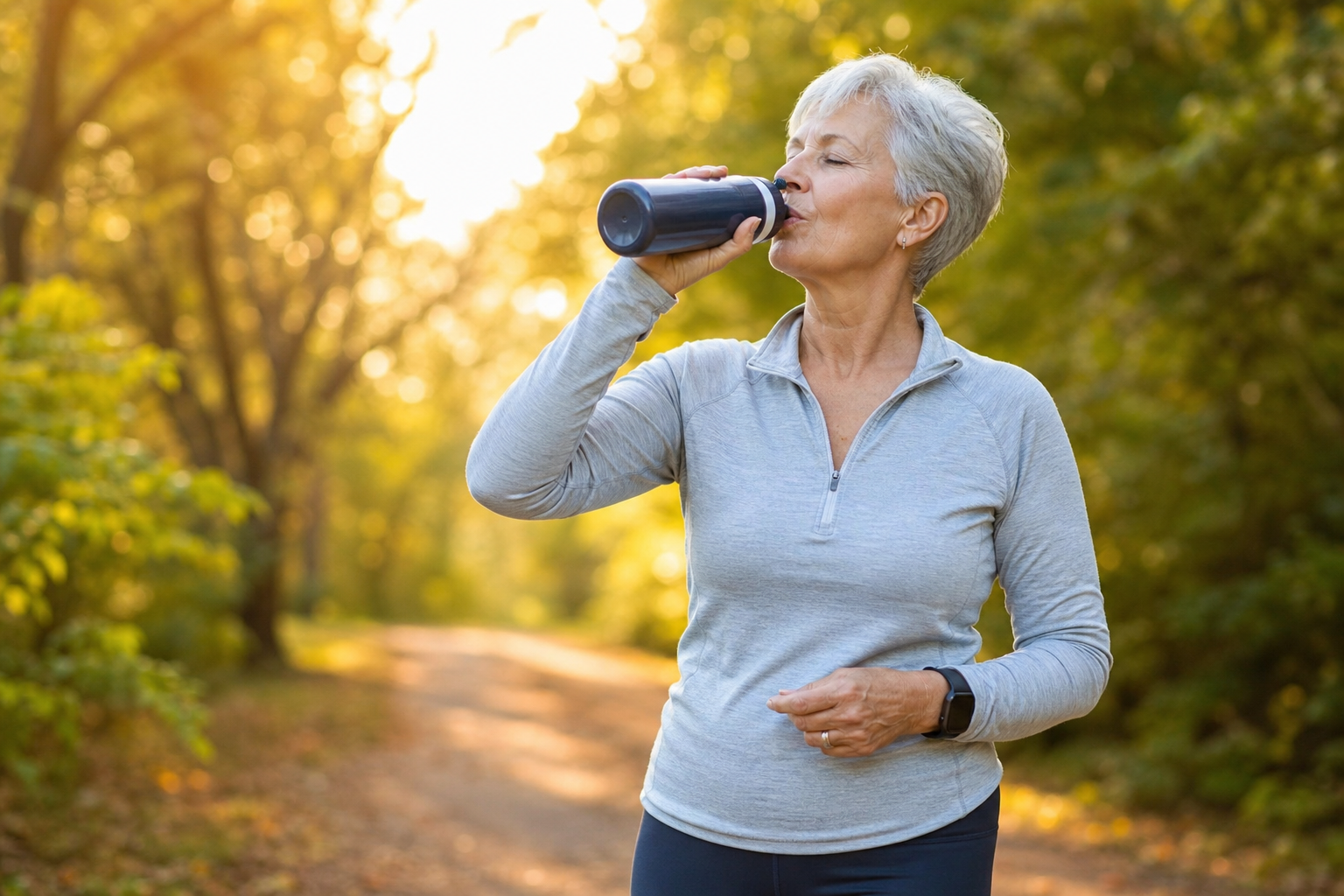
Timing matters. Starting a workout already slightly dehydrated makes cramps more likely and recovery slower. Aim to drink about 16 ounces of water in the one to two hours before any moderate exercise session. During exercise, sip four to eight ounces every 15 to 20 minutes, more if you’re sweating heavily.
Post-workout recovery is when a lot of older adults drop the ball on hydration. Fluid intake after exercise supports muscle repair, reduces soreness, and helps restore electrolyte balance. Pairing your recovery hydration with a protein-containing snack helps even more. The article on post-workout recovery meals for seniors has specific food suggestions that work well for this window.
Alcohol and caffeine both have mild diuretic effects, so if you have coffee in the morning before exercise, or a glass of wine in the evening, account for that in your daily fluid total by adding an extra glass of water for each serving.
When Cramps Signal Something Beyond Dehydration
Occasional muscle cramps, especially after exercise or at night, are common and usually benign. But if you’re experiencing frequent, severe, or prolonged cramps, it’s worth talking to your doctor. Underlying causes can include thyroid disorders, peripheral artery disease, liver disease, or nerve compression issues. Neuropathy in particular can cause cramping and muscle discomfort that looks like dehydration-related cramping but requires a different approach.
Some medications, including statins, diuretics, and beta-blockers, are associated with increased cramping risk. If your cramps started or worsened after a medication change, bring that up with your prescribing physician.
Frequently Asked Questions
How much water should a 70-year-old drink per day?
A reasonable target is around 30 to 35 milliliters per kilogram of body weight daily, which for most adults works out to roughly nine to eleven 8-ounce cups. Activity level, climate, and medications can all push that number higher. Since thirst is an unreliable guide at this age, building water intake into your daily routine through scheduled habits is more effective than waiting until you feel thirsty.
Do electrolyte drinks actually stop muscle cramps?
They can help in specific situations, particularly when cramps are linked to sweating during prolonged exercise or when blood tests show a deficiency in sodium, potassium, or magnesium. But electrolyte drinks aren’t a universal fix. A significant portion of exercise-related cramping is driven by neuromuscular fatigue, not mineral loss, and no drink will fully address that. A sugar-free electrolyte powder is a reasonable addition to your routine without being a guaranteed solution.
Are nighttime leg cramps a sign of dehydration?
Sometimes, but not always. Nocturnal leg cramps are extremely common in older adults and can be related to dehydration, low magnesium, sitting for long periods, or simply muscle fatigue from the day’s activities. Drinking more water and stretching your calves before bed can help. If they’re frequent and severe, a conversation with your doctor is warranted to rule out underlying conditions.
This article contains affiliate links. We may earn a small commission at no extra cost to you.