Staying active during the summer months is important for your health, but hot weather can pose serious risks for older adults. Your body’s ability to regulate temperature naturally declines with age, and many common medications can further interfere with heat management. This makes exercising in high temperatures more dangerous for seniors than for younger people.
You don’t have to give up your fitness routine when the mercury rises. With the right precautions and modifications, you can safely maintain your exercise habits all summer long. Understanding the warning signs of heat-related illness and knowing how to adjust your routine will help you stay healthy and active no matter how hot it gets outside.
Why Seniors Face Greater Heat Risks
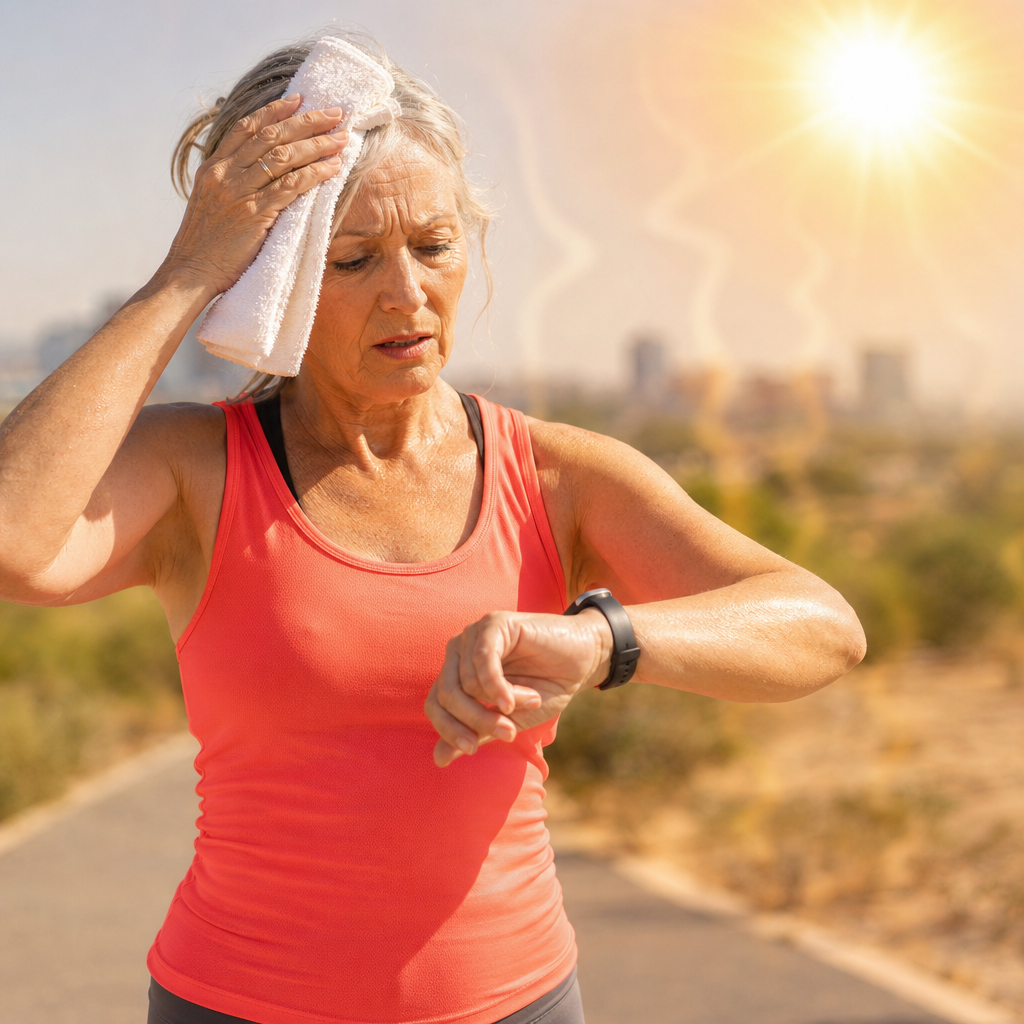
Your body’s cooling system becomes less efficient as you age. Older adults typically sweat less than younger people, which limits your ability to cool down through evaporation. Blood circulation changes also make it harder for your body to redirect blood flow to your skin to release heat.
Medications add another layer of complexity. Diuretics, blood pressure drugs, antihistamines, and several other common medications can reduce your body’s ability to manage heat or increase your risk of dehydration. Beta-blockers may limit your heart rate response to heat stress, while some antidepressants affect sweating.
Chronic conditions like heart disease, diabetes, and kidney disease also make you more vulnerable to heat-related problems. These conditions can impair your body’s temperature regulation and make it harder to recover from heat stress.
Recognizing Heat Exhaustion and Heat Stroke
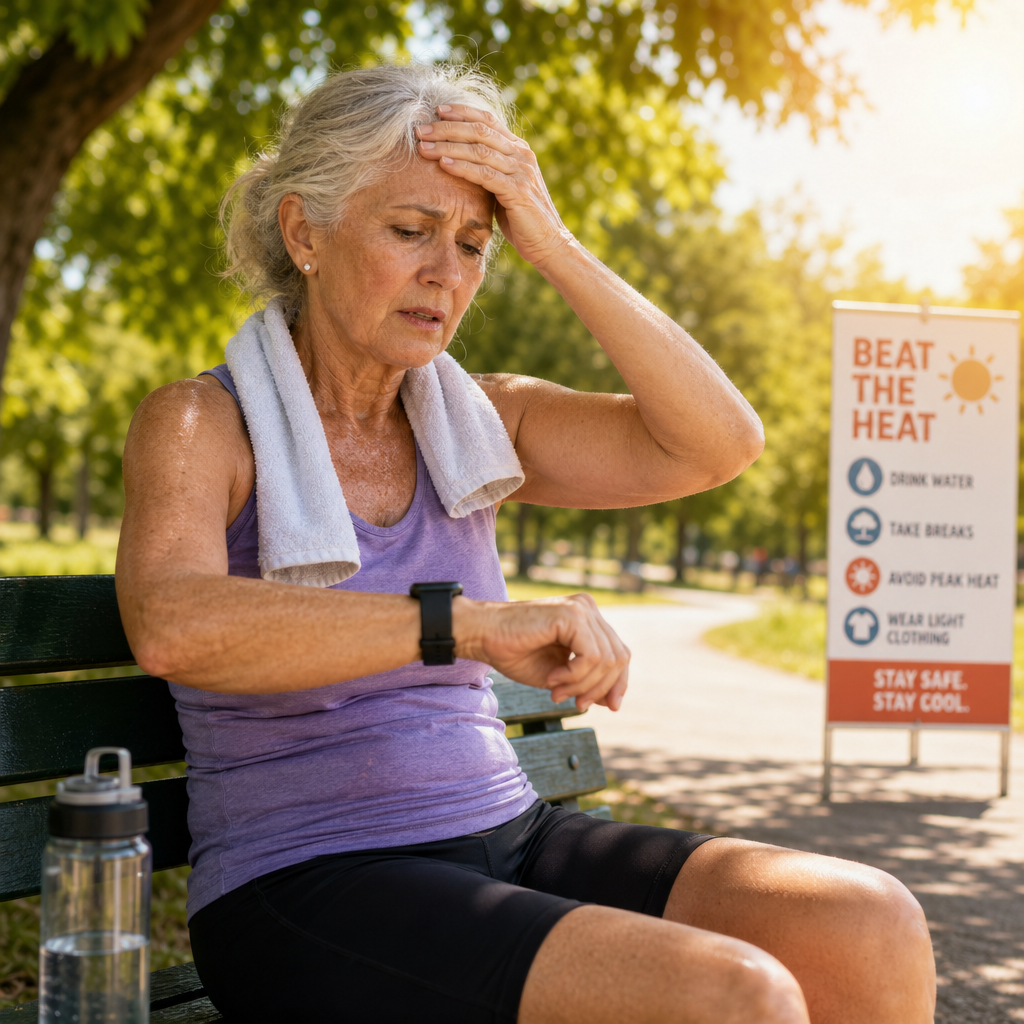
Heat exhaustion is your body’s warning system telling you to stop and cool down. Watch for heavy sweating, weakness, cold or clammy skin, nausea, dizziness, headache, and a fast but weak pulse. Your body temperature may rise to 100-102°F.
If you notice these symptoms, stop exercising immediately. Move to a cooler location, remove excess clothing, and drink water. Apply cool, wet cloths to your body or take a cool bath. Most people recover within 30 minutes with proper cooling.
Heat stroke is a medical emergency. Warning signs include a body temperature above 103°F, hot and dry skin (though you may still be sweating from exercise), rapid and strong pulse, confusion, and possible loss of consciousness. Heat stroke can cause permanent damage or death if not treated quickly.
Call 911 immediately if you or someone else shows signs of heat stroke. While waiting for help, move to shade or air conditioning and use cool cloths or ice packs on the neck, armpits, and groin. Don’t give fluids if the person is unconscious or confused.
Best Times and Places for Hot Weather Exercise
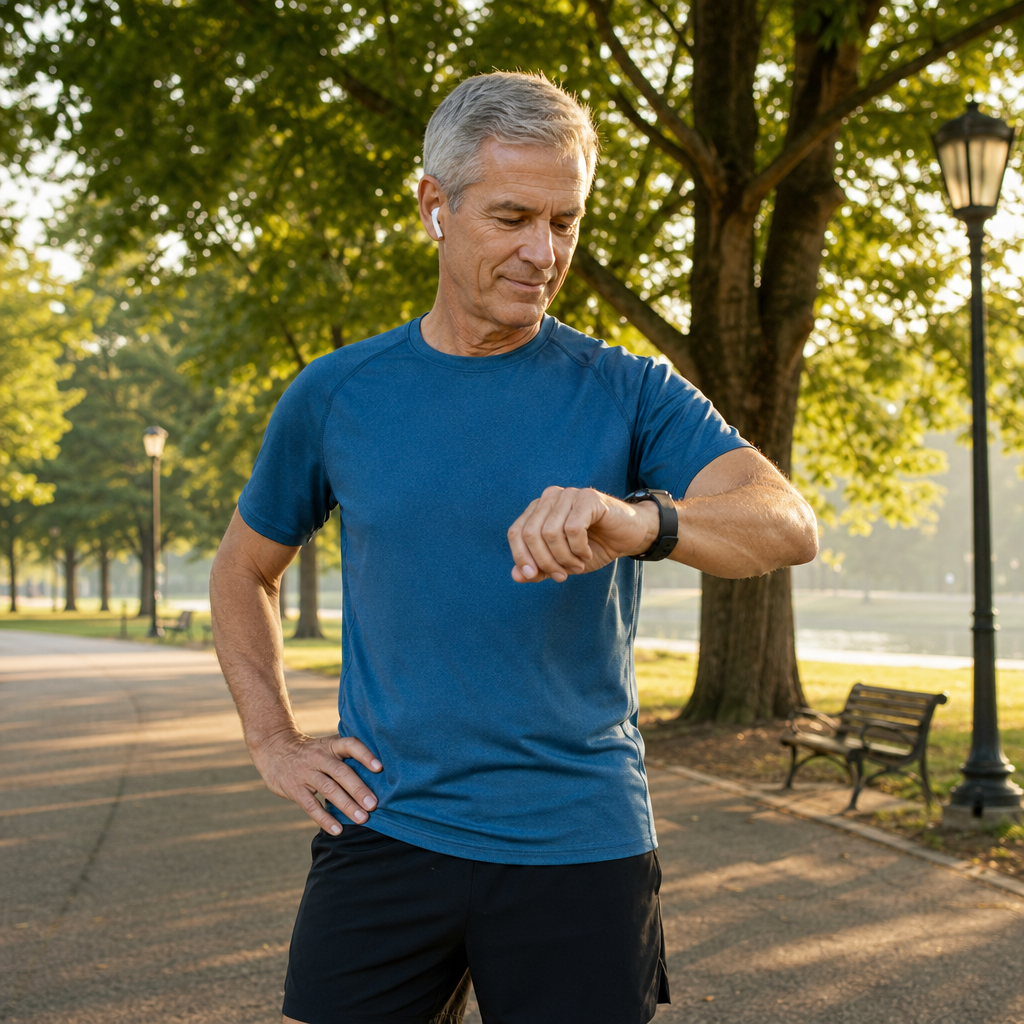
Early morning workouts are your best bet during summer. Temperature, humidity, and UV radiation are typically lowest between 5:00 and 7:00 AM. Evening exercise after 7:00 PM works as a second choice, though temperatures may still be elevated from the day’s heat.
Avoid outdoor exercise between 10:00 AM and 4:00 PM when sun and heat are at their peak. Even if you feel fine at the start, heat accumulates in your body during exercise and can reach dangerous levels before you realize it.
Choose shaded locations whenever possible. Parks with tree cover can be 10-15 degrees cooler than exposed areas. Walking trails through wooded areas provide natural cooling and protection from direct sun. Swimming pools offer excellent low-impact exercise with built-in cooling. If outdoor conditions become too extreme, you can also explore home-based workouts that don’t require a gym.
Check the heat index before heading out, not just the temperature. A heat index above 90°F calls for extra caution. Above 103°F, consider moving your workout indoors. Many weather apps now include specific warnings about exercising in current conditions.
Hydration Strategies That Actually Work
Start hydrating well before your workout. Drink 16-20 ounces of water 2-3 hours before exercise, then another 8-10 ounces 15-20 minutes before you start. Your body needs time to absorb and distribute fluids, so last-minute chugging won’t help.
During exercise, aim for 7-10 ounces every 10-20 minutes. Don’t wait until you feel thirsty because thirst becomes a less reliable indicator as you age. Set a timer on your phone or watch as a reminder to drink regularly.
A quality insulated water bottle keeps your water cold throughout your workout. Cold fluids actually help cool your body temperature from the inside while keeping you hydrated.

Insulated Water Bottle for Seniors
Look for models with easy-grip handles and flip-top spouts that you can operate with one hand
For workouts longer than 45 minutes, consider drinks with electrolytes. Sweating depletes sodium and potassium, which your body needs for proper muscle and nerve function. You can buy commercial sports drinks or make your own by adding a pinch of salt and a splash of fruit juice to water.
Continue drinking after you finish exercising. Weigh yourself before and after your workout. For every pound lost, drink 16-24 ounces of fluid over the next few hours.
Cooling Gear and Techniques
Wear light-colored, loose-fitting clothing made from moisture-wicking fabrics. Cotton holds sweat against your skin, which may feel cool initially but limits evaporation. Technical fabrics designed for athletic wear dry quickly and allow better air circulation.
A cooling towel can drop your skin temperature by 20-30 degrees. Wet the towel, wring it out, and snap it a few times to activate the cooling effect. Drape it around your neck, over your head, or across your shoulders during breaks.

Cooling Towel
These stay cool for hours when wet and provide instant relief during outdoor activities
Wide-brimmed hats protect your head, face, and neck from direct sun. Look for styles with ventilation holes and moisture-wicking sweatbands. A hat can make you feel several degrees cooler by blocking solar radiation.
Portable fans create air movement that helps sweat evaporate. Battery-powered or rechargeable handheld fans work well for outdoor use. Some models mist water while fanning for extra cooling power.
Apply a cool, wet cloth to your neck, wrists, and forehead during breaks. These pulse points allow quick heat exchange with your bloodstream. Carry a small spray bottle to mist yourself periodically during your workout.
Modified Workouts for High-Heat Days
Cut your workout duration by 30-50% on extremely hot days. A 20-minute walk provides benefits without excessive heat exposure. You can always add a second shorter session later when temperatures drop.
Reduce intensity rather than skipping exercise entirely. Walk at a slower pace, use lighter weights, or take more frequent breaks. Your heart rate will rise faster in heat, so you’ll still get a good workout at lower intensity. For those days when outdoor conditions are particularly harsh, consider structured interval training indoors where you can control the environment.
Break your routine into smaller segments. Instead of 30 continuous minutes, try three 10-minute sessions with cooling breaks between them. This approach lets your body temperature return to normal between segments.
Focus on lower-body exercises that generate less metabolic heat than full-body movements. Save high-intensity intervals and upper-body strength training for cooler days or indoor sessions.
Indoor Exercise Alternatives
Air-conditioned shopping malls offer free, climate-controlled walking routes. Many malls open early specifically for walkers. The smooth, flat surfaces reduce fall risk while allowing you to maintain your walking routine safely.
Community centers and senior centers typically have air-conditioned spaces for exercise classes. Water aerobics classes provide resistance training while keeping you cool. Chair yoga, tai chi, and gentle stretching classes work well in climate-controlled environments.
Home workouts eliminate heat exposure entirely. Follow along with senior fitness videos, use resistance bands, or practice balance exercises indoors. Even simple activities like marching in place, leg lifts, and arm circles maintain fitness when outdoor exercise isn’t safe. You can also incorporate stability balls into your routine for safe strength and balance work at home.
Swimming pools provide the best of both worlds. You get a full-body workout while staying cool. Many indoor pools maintain comfortable temperatures year-round. Water supports your joints while providing natural resistance for strength building.
Frequently Asked Questions
How long does it take to acclimate to exercising in hot weather?
Heat acclimation takes about 10-14 days of gradual exposure. Start with just 10-15 minutes of outdoor exercise in the heat, then add 5 minutes each day as your body adapts. Your sweat rate will increase and you’ll start sweating earlier, which actually helps cool you more efficiently. Even after acclimating, continue taking all safety precautions since age-related changes still make you more vulnerable than younger adults.
Can I exercise in hot weather if I take blood pressure medication?
You can exercise, but you need extra caution. Talk with your doctor about your specific medications and their heat-related effects. Some blood pressure drugs affect your heart rate response to heat or increase dehydration risk. Your doctor may adjust medication timing or dosage for summer months. Always monitor how you feel, take more breaks, and be ready to move indoors if you experience any concerning symptoms.
What’s the difference between feeling tired from exercise and signs of heat illness?
Normal exercise fatigue improves after you stop moving and rest briefly. You might feel winded or have tired muscles, but your thinking stays clear and you recover quickly with rest and water. Heat illness causes confusion, dizziness, nausea, or coordination problems that don’t improve quickly with rest. Your skin might feel unusually hot or cold, and you may stop sweating despite high temperatures. When in doubt, stop exercising, cool down, and seek help if symptoms persist or worsen.
This article contains affiliate links. We may earn a small commission at no extra cost to you.
Related Articles