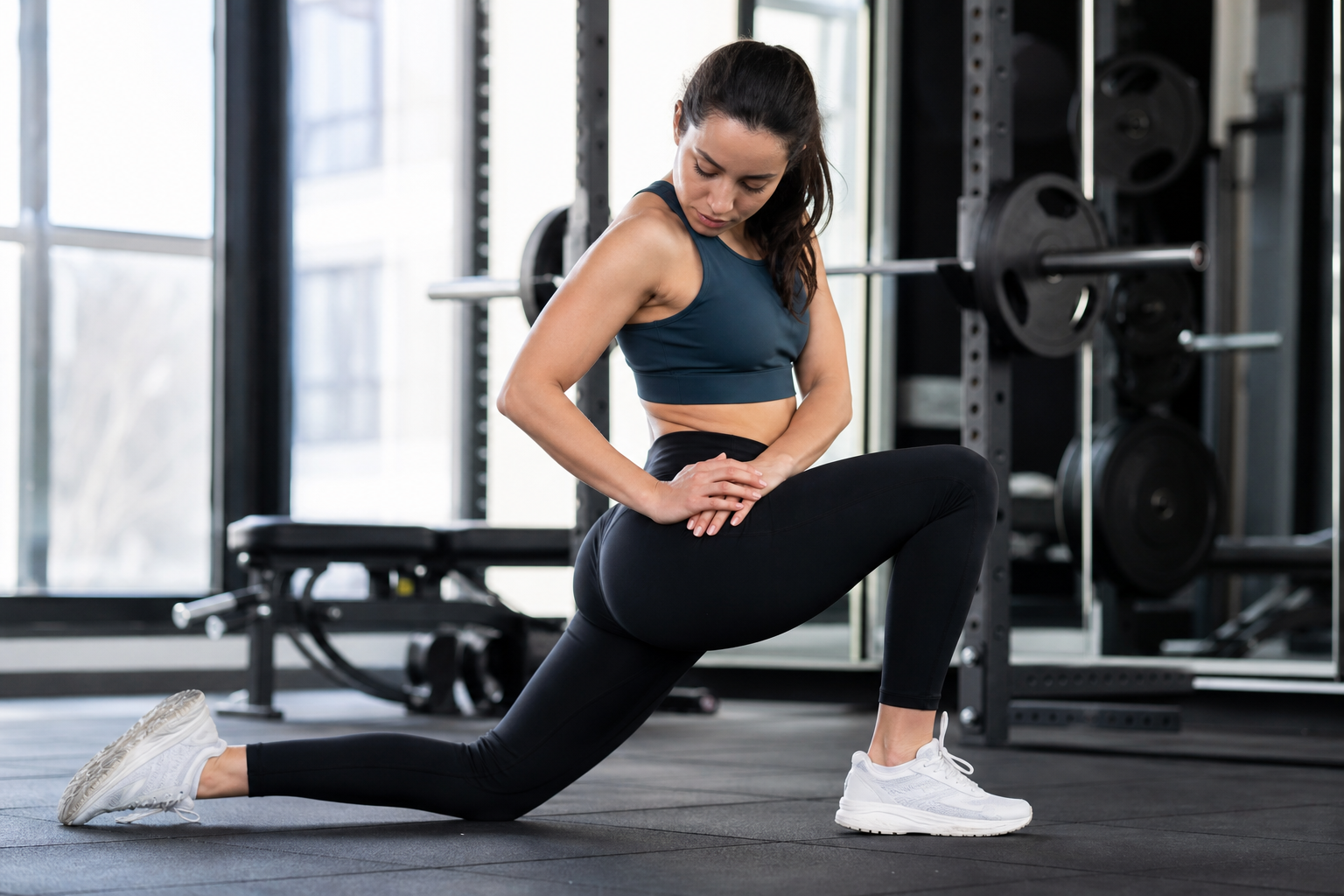
Hip Clicking During Exercise: When to Worry and When It’s Harmless
A clicking or popping hip during leg exercises, walking, or getting out of a chair raises an immediate question: is something breaking down in there, …
A clicking or popping hip during leg exercises, walking, or getting out of a chair raises an immediate question: is something breaking down in there, …
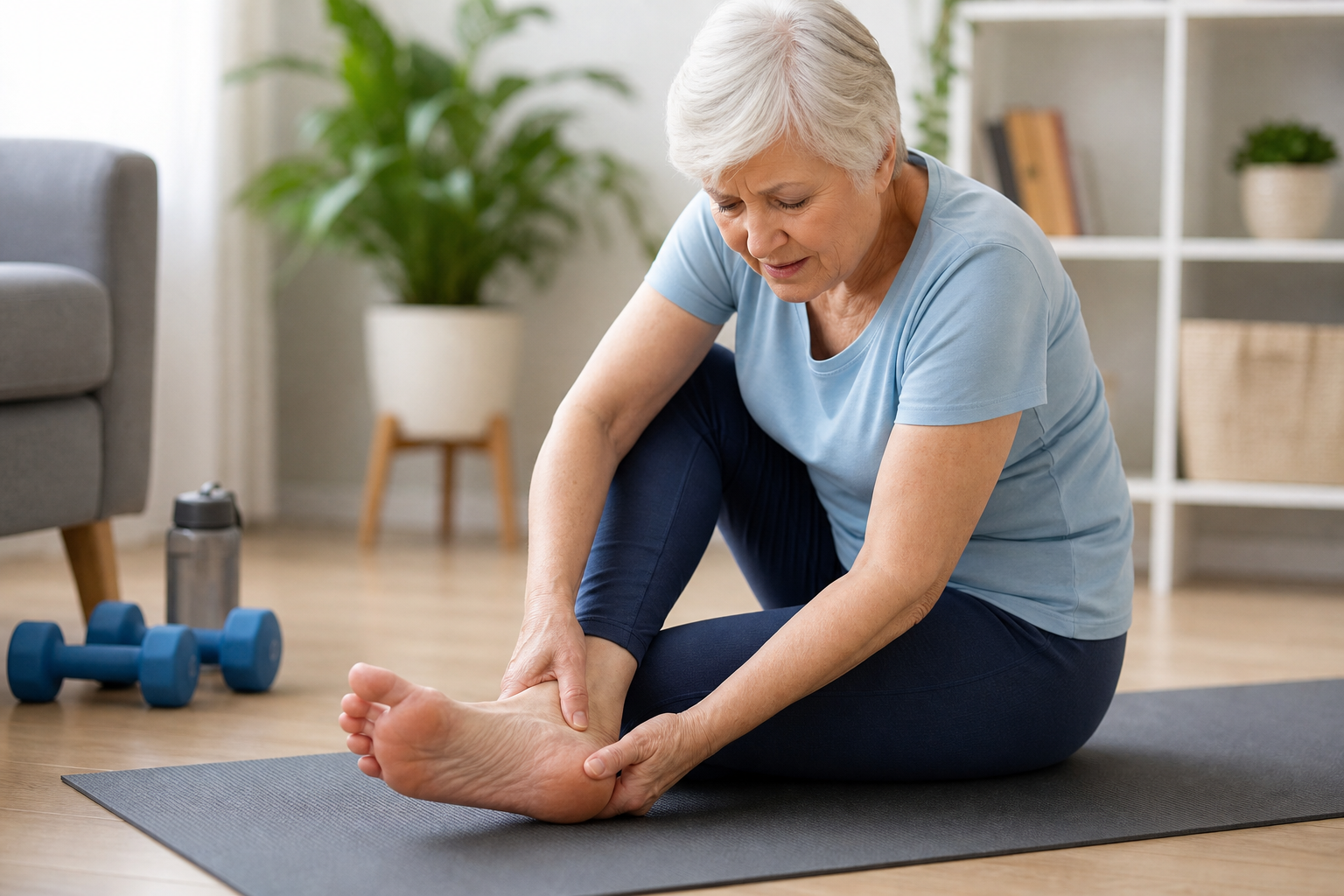
That sharp stab in your heel with the first steps of the morning is one of the most common foot complaints in adults over 60. …
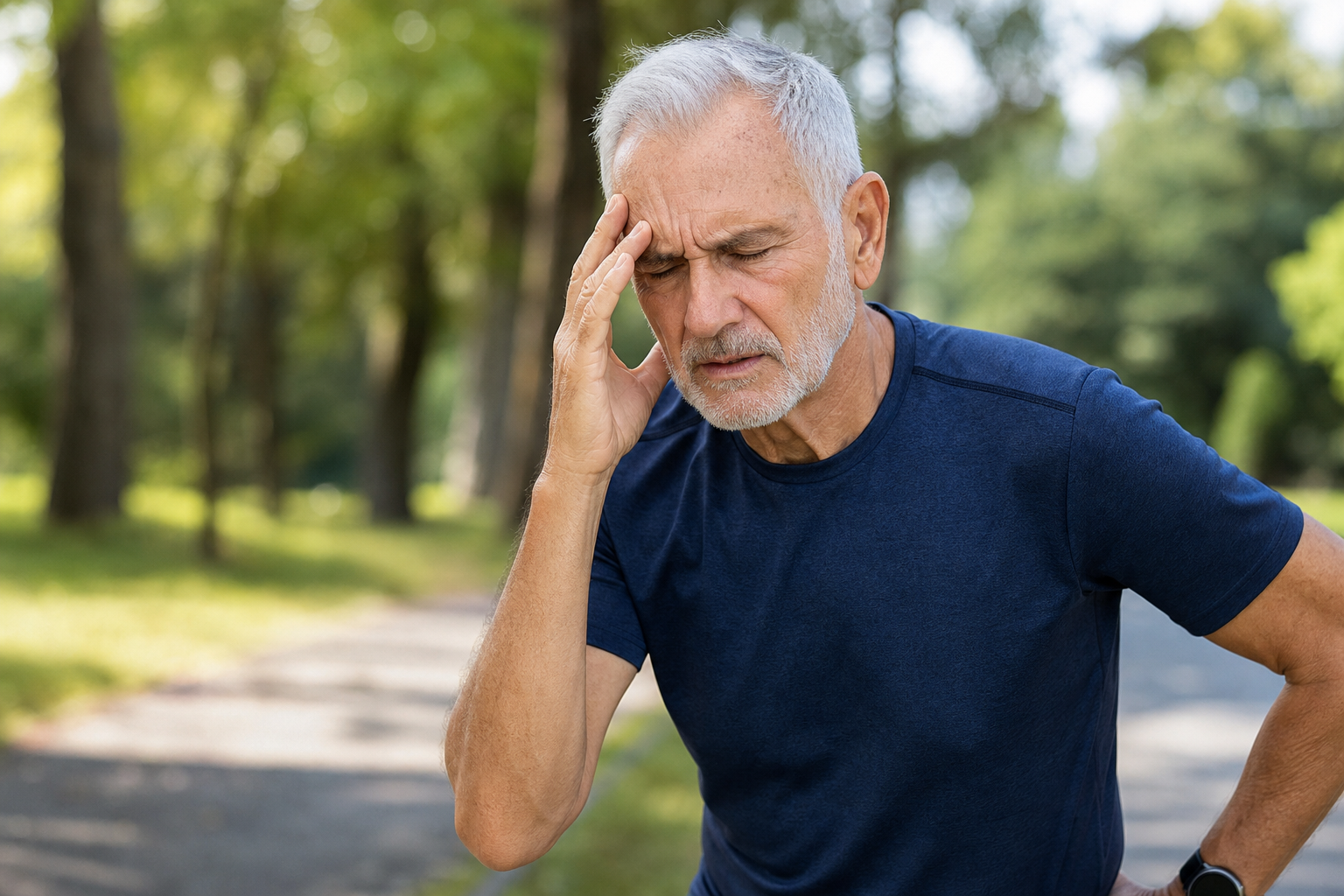
A headache that shows up during or after exercise can range from a minor nuisance to a medical emergency. After 60, the stakes are higher …
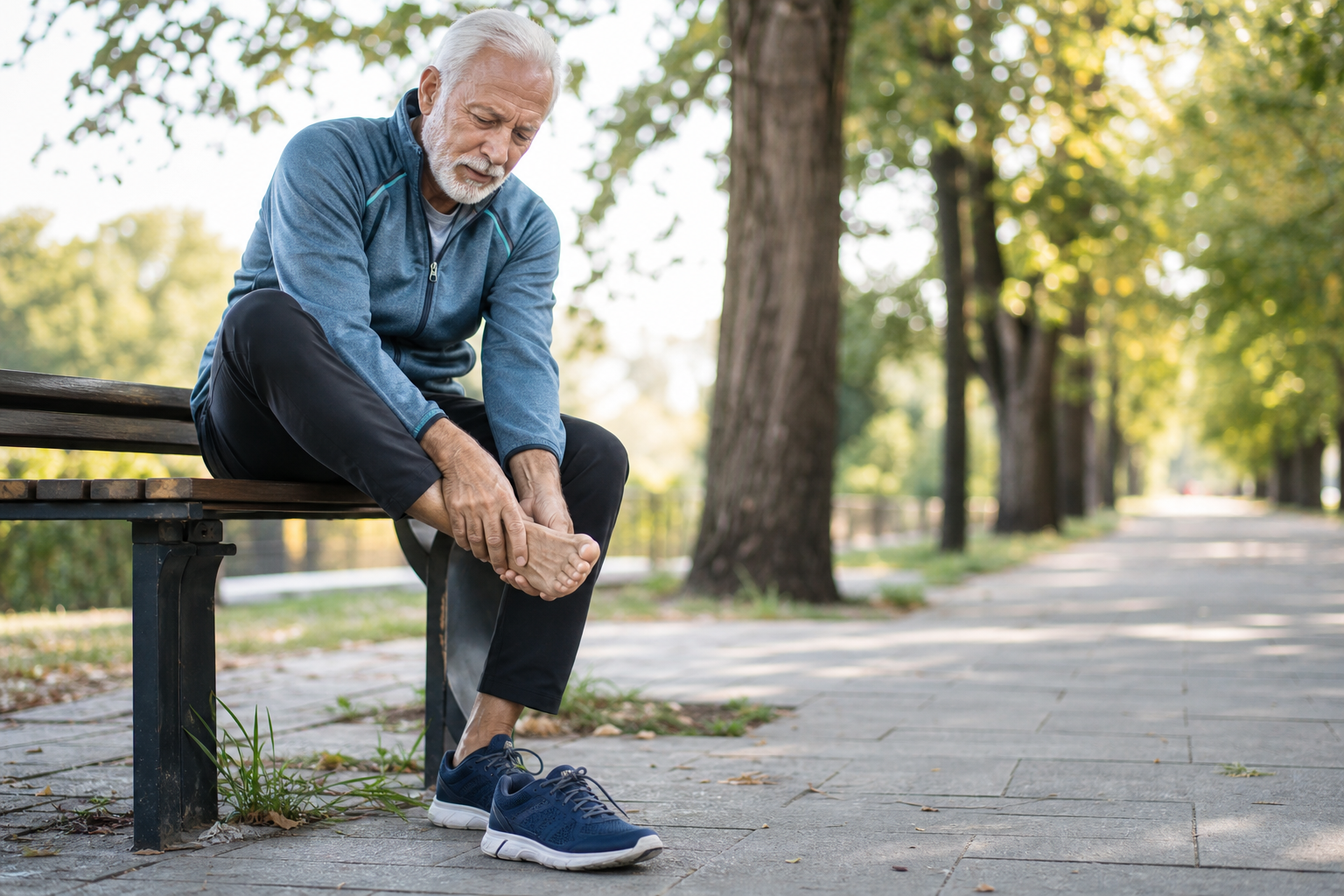
Foot pain during walking is one of the top reasons seniors reduce their physical activity. When every step hurts, the motivation to walk for exercise …
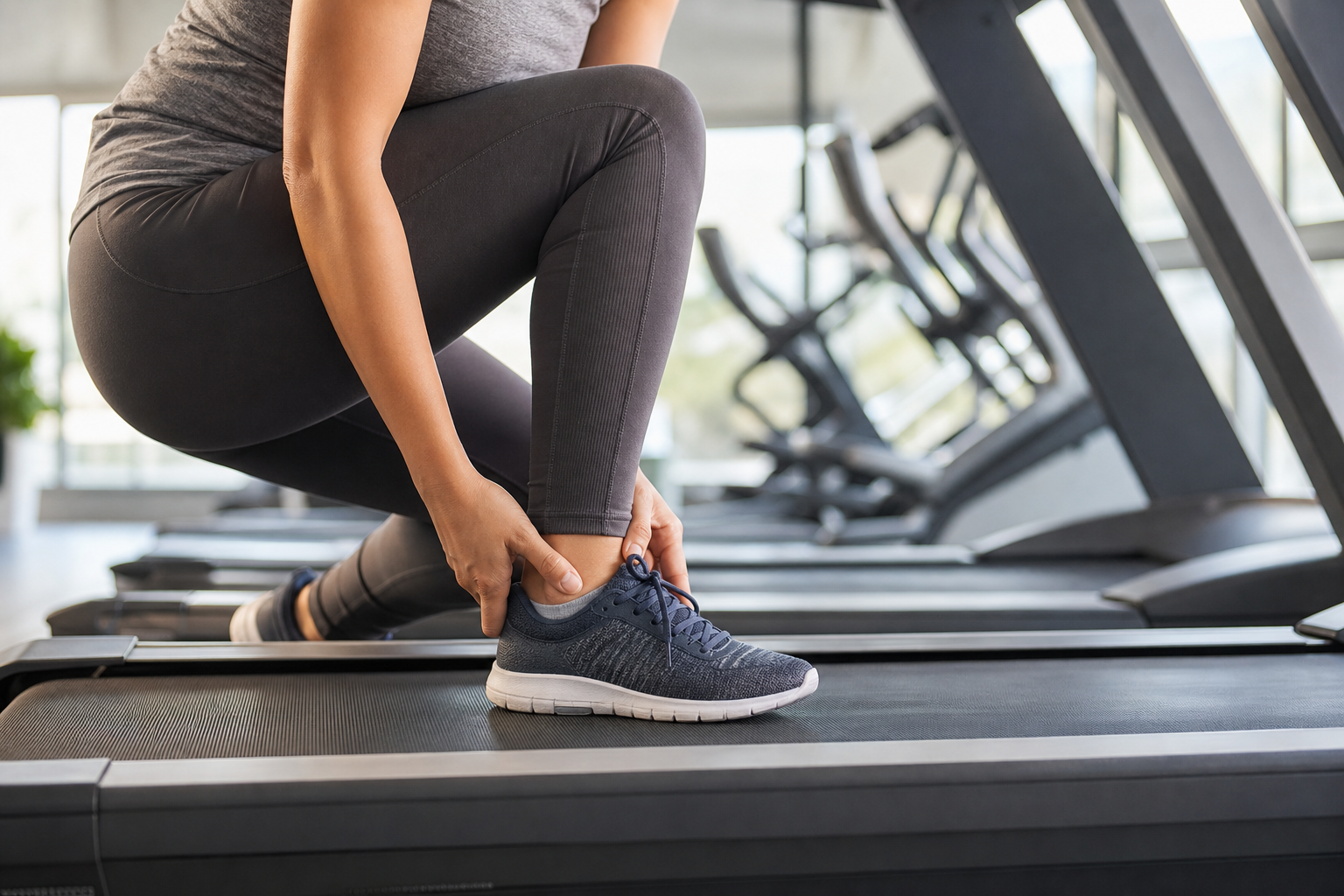
You’re 15 minutes into a treadmill walk when it starts: a tingling sensation in your toes that progresses to full numbness across the balls of …
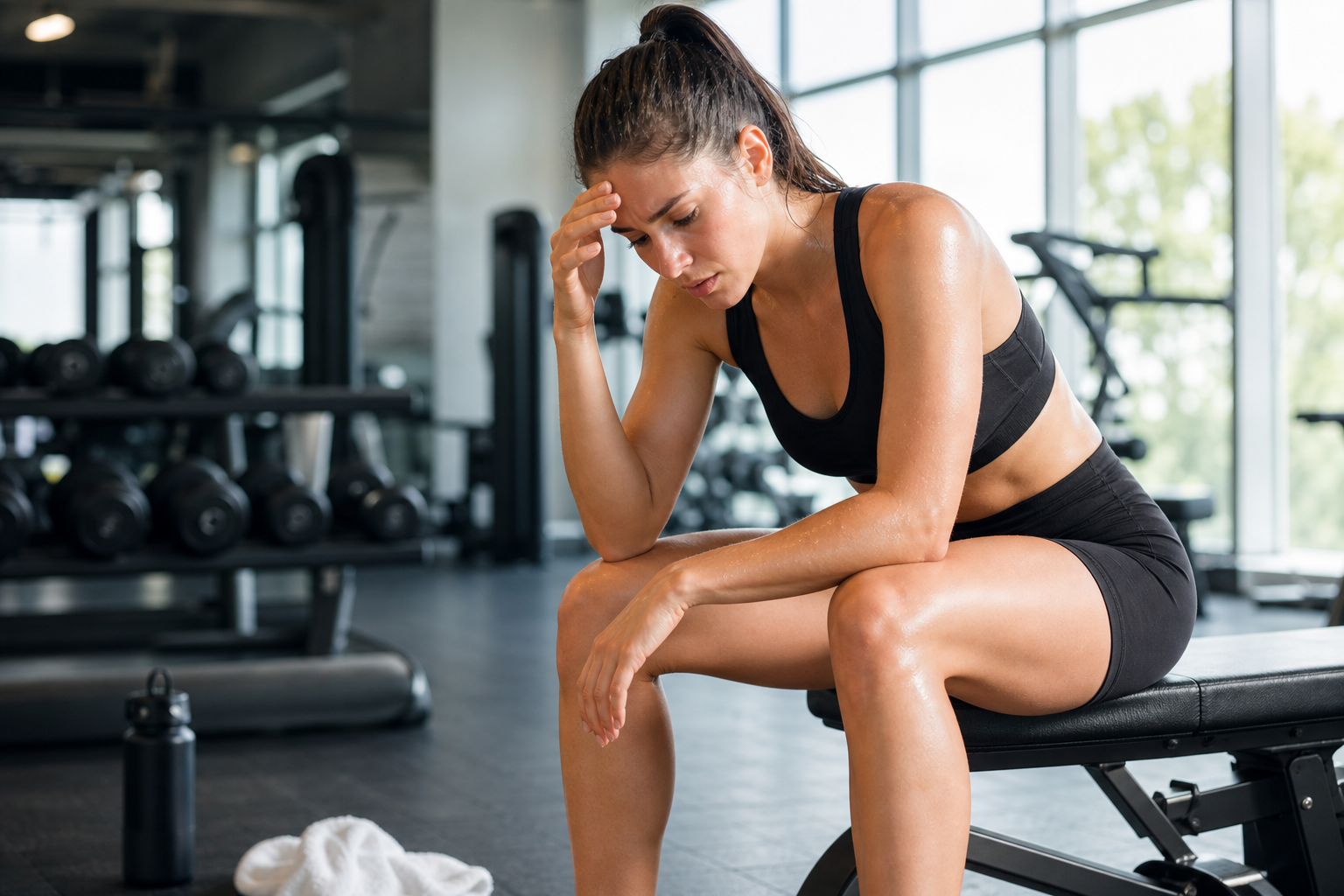
You finish your workout and your hands are trembling, your legs feel wobbly, and your whole body has a subtle vibration that makes holding a …
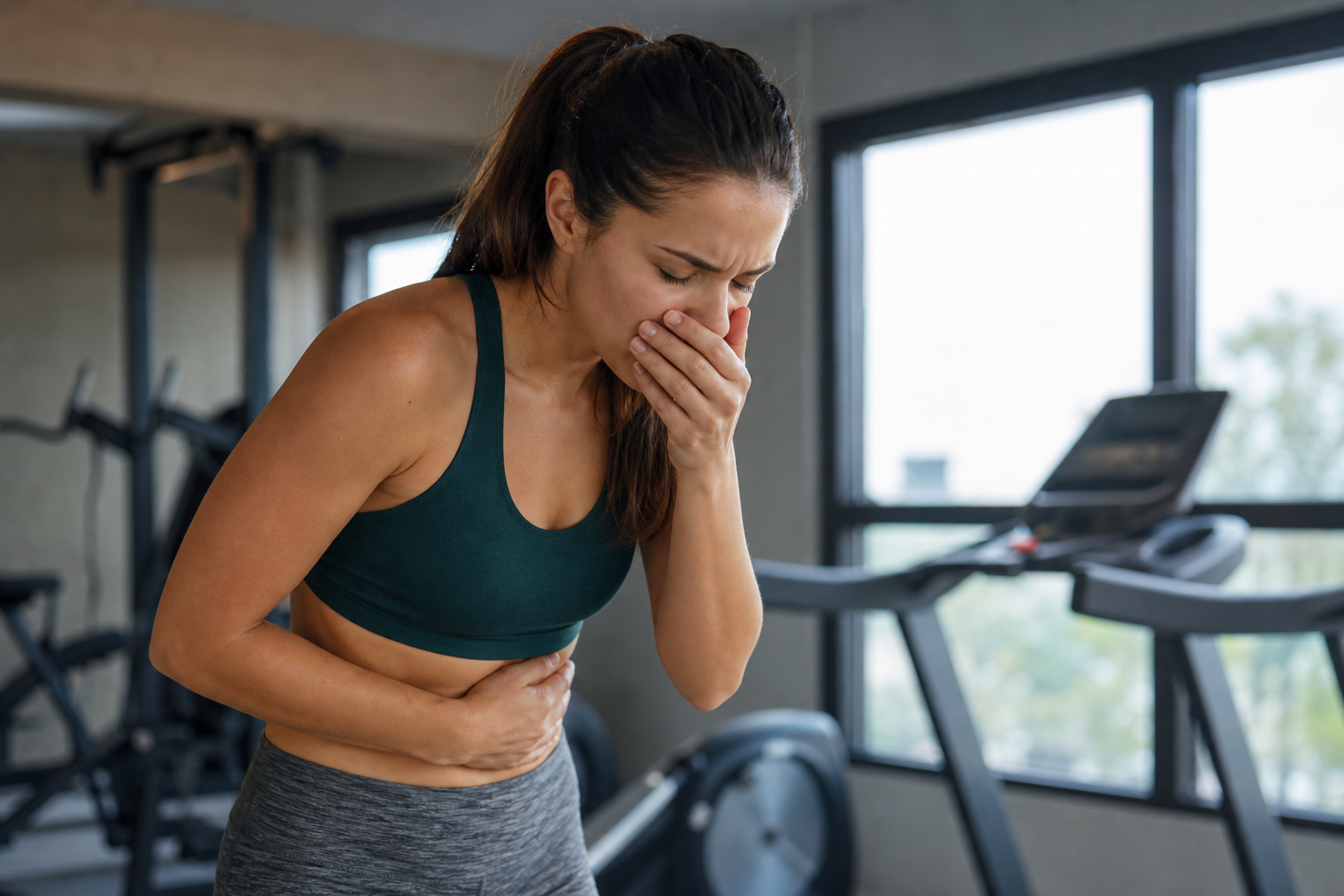
You drag yourself out of bed, lace up your shoes, and start your morning workout. Ten minutes in, your stomach lurches. Nausea during morning exercise …
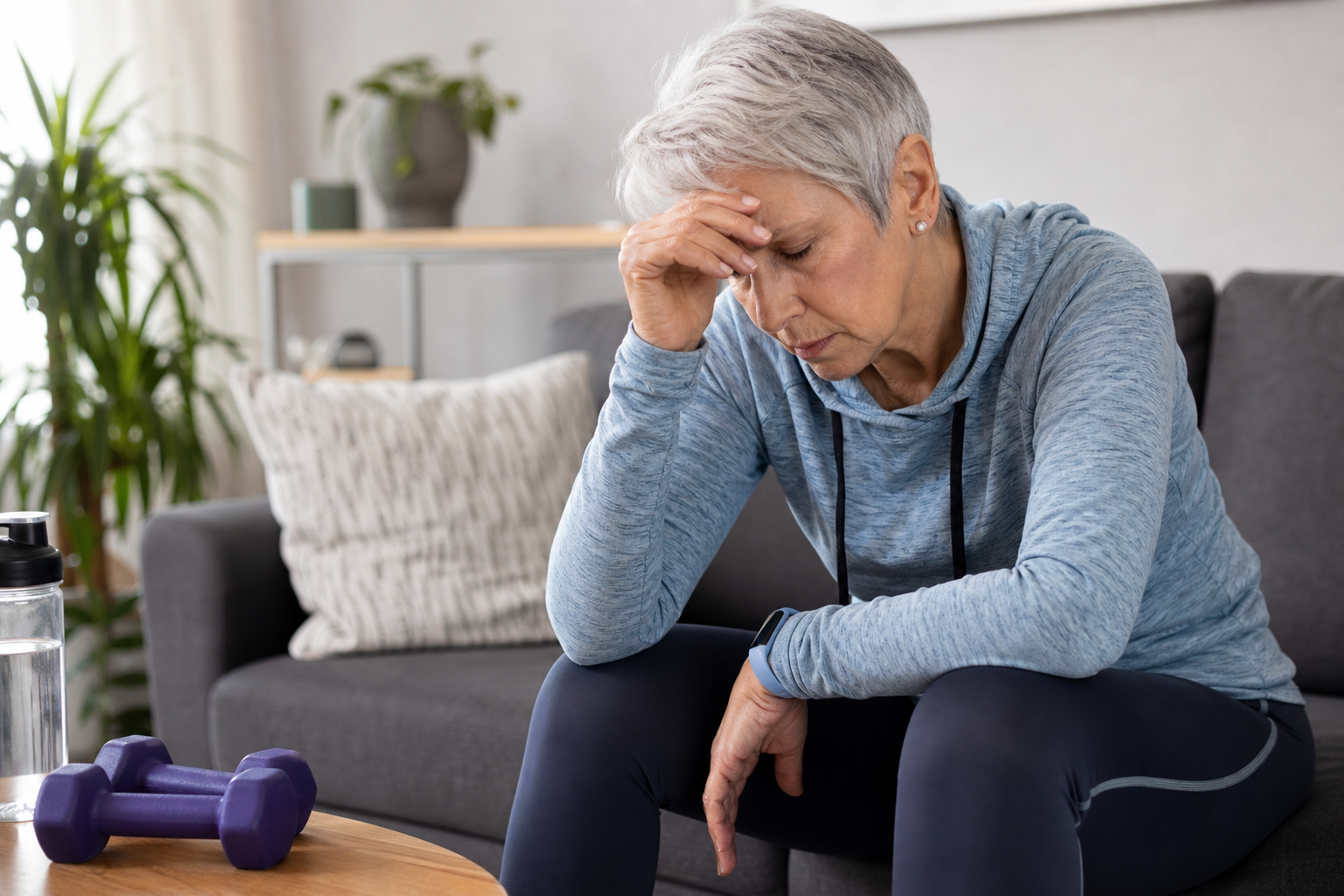
There’s a difference between feeling appropriately tired after a workout and feeling completely wiped out from a 15-minute walk. If light exercise leaves you needing …
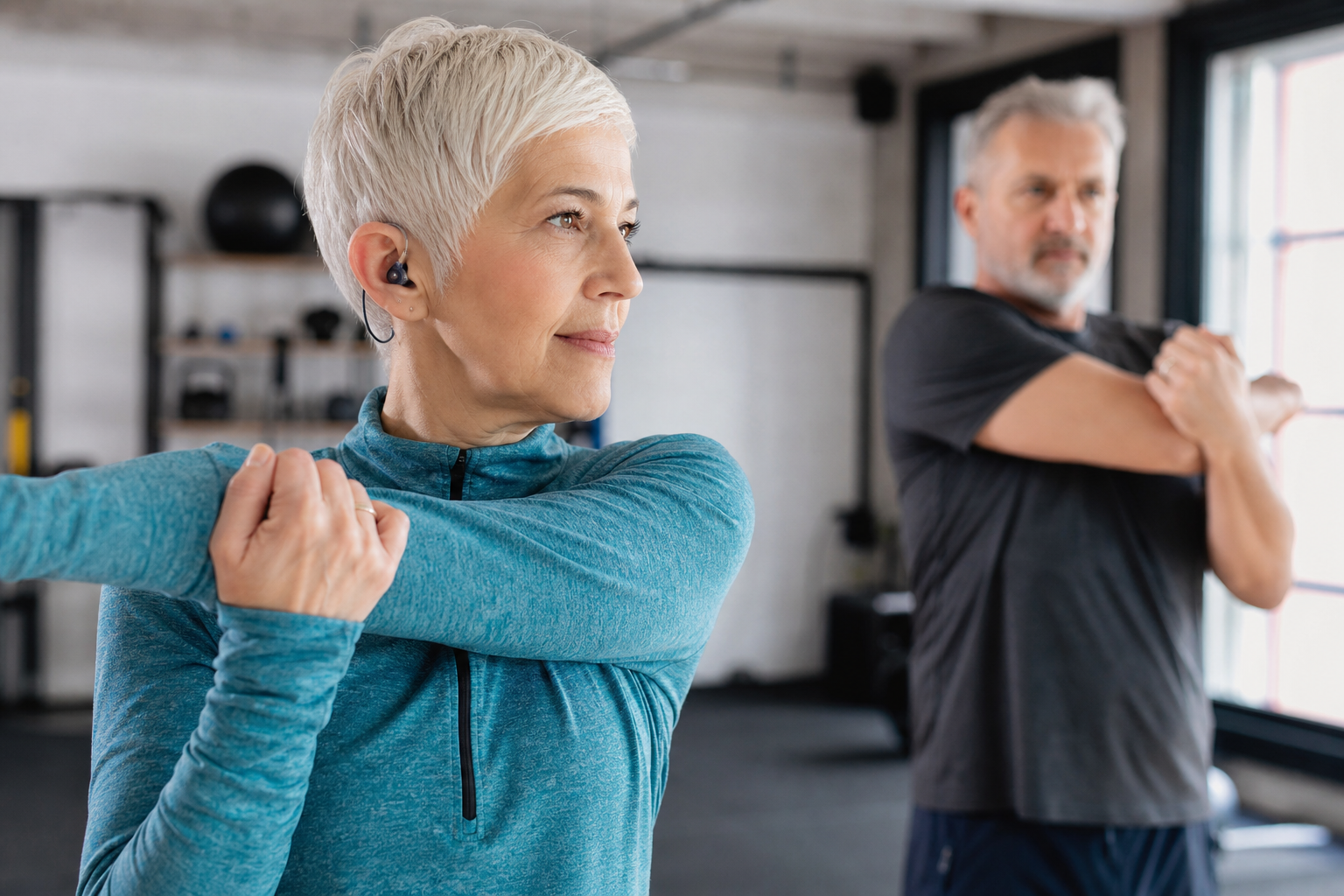
Hearing loss affects roughly one-third of adults aged 65-74 and nearly half of those over 75. In exercise settings, hearing loss creates barriers that go …
Blood thinners keep you alive by preventing dangerous clots, but they change the rules of exercise in ways your doctor may not have fully explained. …
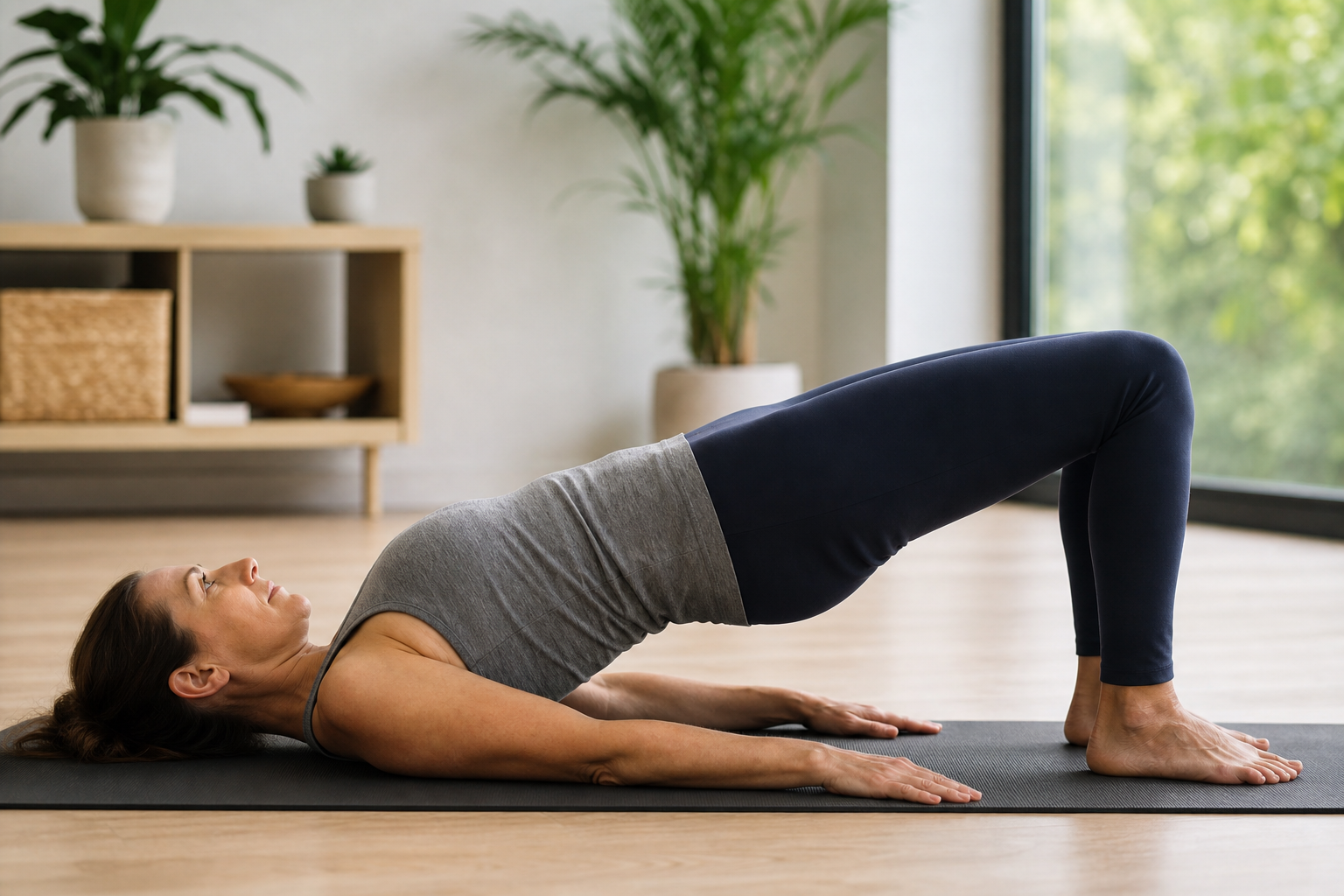
Bladder control problems affect roughly 50% of women and 25% of men over 65, yet most people never mention it to their doctor, and fewer …