You’ve just finished a great workout. Your muscles are tired, maybe a bit sore, and your body is ready to recover. What you eat in the next hour matters more than you might think, especially as we get older. The right post-workout meal can make the difference between maintaining muscle strength and watching it slowly decline.
Many seniors skip the post-workout meal entirely or just grab whatever’s convenient. But recovery nutrition isn’t just for bodybuilders or athletes. It’s a critical tool for maintaining independence, preventing falls, and keeping your metabolism healthy as you age.
Understanding the Post-Workout Window

Your body enters a special state after exercise where your muscles are primed to absorb nutrients and begin repairs. This window typically lasts 30 to 60 minutes after you finish your workout, though recent research suggests you have up to two hours to take advantage of this enhanced absorption.
During this time, your muscle cells are more sensitive to insulin, which helps shuttle nutrients where they need to go. Your body is also breaking down stored carbohydrates (glycogen) to fuel recovery processes. For seniors, this window is particularly important because aging muscles naturally become less efficient at building and maintaining tissue.
You don’t need to stress about hitting an exact 30-minute mark. Just aim to eat something within an hour of finishing your exercise session. Consistency matters more than perfect timing. To learn more about optimizing your recovery after 60, it’s important to consider both nutrition and other healing strategies.
The Protein and Carbohydrate Combination
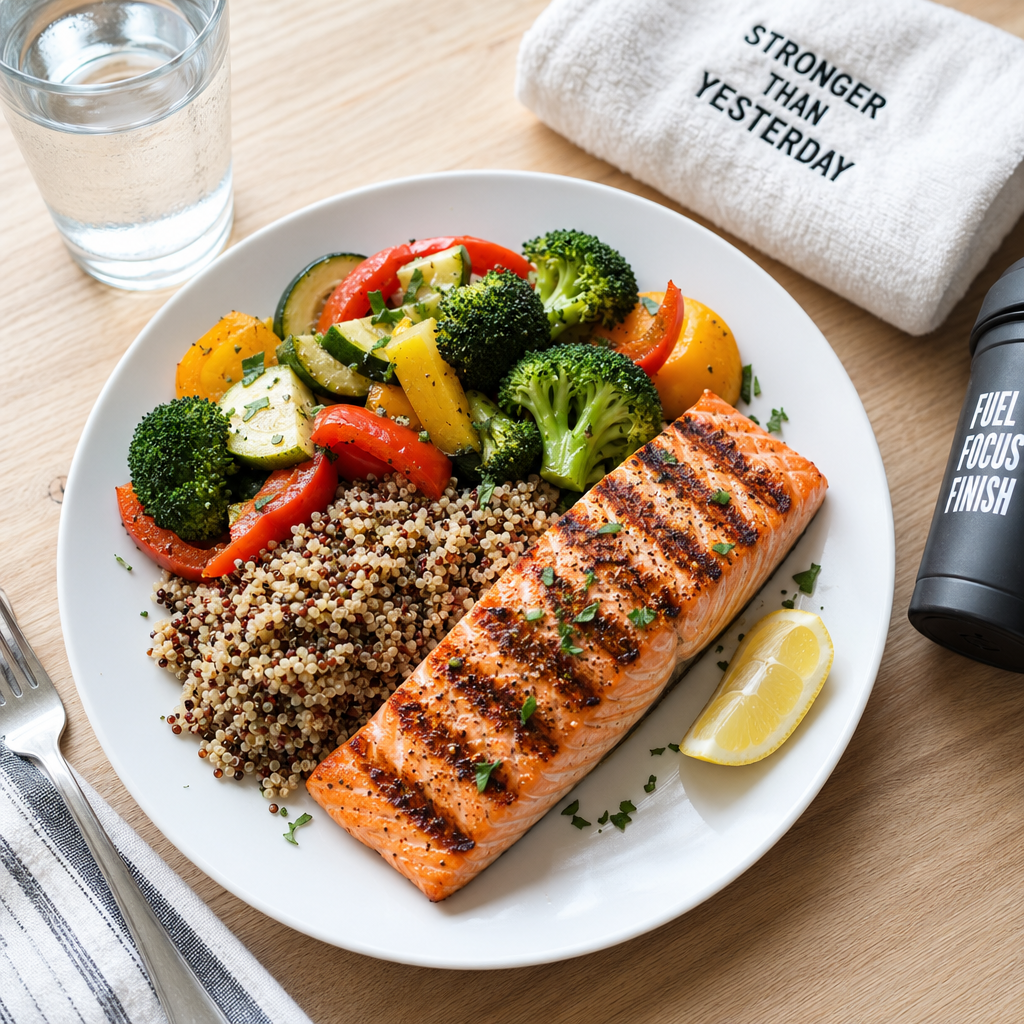
The magic formula for recovery is protein plus carbohydrates. You need both, and here’s why: protein provides the amino acids your muscles need to repair and grow stronger, while carbohydrates replenish your energy stores and trigger insulin release, which helps your body use protein more effectively.
For seniors, aim for 20 to 30 grams of high-quality protein in your post-workout meal. Research shows that older adults need more protein per meal than younger people to trigger the same muscle-building response. Your body has become somewhat resistant to the muscle-building signals that protein sends, so you need a stronger signal.
Pair that protein with about 30 to 40 grams of carbohydrates. The ideal ratio is roughly 1 part protein to 1.5 or 2 parts carbohydrates. Don’t get too caught up in exact measurements, but aim to include both in roughly equal amounts on your plate. This balance is important regardless of whether you’re recovering from high-intensity anaerobic exercise or moderate aerobic activity.
Easy Post-Workout Meal Ideas

You don’t need complicated recipes or expensive supplements. Simple, whole-food options work beautifully for post-workout recovery.
Quick Meals Ready in 10 Minutes
- Greek yogurt parfait: 1 cup of plain Greek yogurt (20g protein) with ½ cup of berries and 2 tablespoons of granola
- Egg and toast: Two scrambled eggs on whole wheat toast with a small banana on the side
- Tuna wrap: 3 ounces of canned tuna mixed with a little mayo, wrapped in a whole grain tortilla with lettuce and tomato
- Cottage cheese bowl: 1 cup of cottage cheese topped with diced peaches and a drizzle of honey
- Turkey and cheese roll-ups: 3 ounces of deli turkey with cheese slices, plus an apple and a handful of whole grain crackers
Simple Smoothie Options
Smoothies are perfect when you’re not particularly hungry but need nutrition. Blend these ingredients until smooth:
- 1 cup milk (dairy or fortified soy milk), 1 scoop whey or pea protein powder, 1 banana, 1 tablespoon almond butter
- 1 cup kefir, ½ cup frozen berries, ½ cup oats, 1 tablespoon ground flaxseed
- 1 cup Greek yogurt, 1 cup frozen mango, ½ cup orange juice, 1 tablespoon chia seeds
For more delicious options, check out these banana protein shake recipes that are specifically designed for post-workout recovery.
Make-Ahead Options
Prep these on Sunday and grab them after workouts throughout the week:
- Hard-boiled eggs with whole grain crackers and cherry tomatoes
- Overnight oats made with milk and protein powder, topped with nuts
- Mini turkey meatballs with quinoa and roasted vegetables
- Peanut butter and banana sandwich on whole wheat bread, cut into quarters
Adapting for Dietary Restrictions
You can meet your recovery nutrition needs with almost any dietary pattern. Here’s how to adjust based on your restrictions.
For Lactose Intolerance
Replace dairy milk with lactose-free milk, which still provides the same protein content. Lactaid brand works well and doesn’t affect the taste. Plant-based options like soy milk (choose brands with at least 7g protein per cup) or pea milk are also effective.
Greek yogurt is often well-tolerated even by those with lactose sensitivity because it contains less lactose than regular milk. Try a small amount to see how you respond.
For Plant-Based Diets
Getting 20 to 30 grams of protein from plants takes a bit more planning, but it’s entirely doable. Your best options include:
- Tofu scramble (4 ounces firm tofu) on whole grain toast
- Lentil soup (1.5 cups) with a whole grain roll
- Edamame (1.5 cups shelled) with brown rice
- Peanut butter (3 tablespoons) on whole wheat bread with sliced strawberries
- Plant-based protein shake with banana and oats
Combine different plant proteins (beans with rice, hummus with pita) to get all essential amino acids.
For Gluten Sensitivity
Simply swap bread and grain products for gluten-free alternatives. Rice cakes, corn tortillas, quinoa, rice, and gluten-free oats all provide the carbohydrates you need. The protein sources remain the same.
Portion Guidance and Practical Tips
Eyeballing portions is perfectly fine. Use your hand as a guide: your protein serving should be about the size of your palm, and your carbohydrate portion should fit in your cupped hand.
If you’re working out first thing in the morning, your post-workout meal can simply be your breakfast. You don’t need a separate snack plus a full meal. Just make sure your breakfast includes both protein and carbohydrates.
Keep portable options in your gym bag or car. Individual packets of nut butter, protein bars (look for ones with at least 15g protein and less than 10g sugar), or shelf-stable milk boxes can save you when you’re out longer than expected.
Don’t force yourself to eat if you’re truly not hungry, but try to have at least a small snack. Even a glass of milk and a banana is better than nothing. Your appetite will usually return within an hour after exercise.
Why This Matters More as You Age
After age 50, you naturally lose about 1-2% of your muscle mass each year if you don’t actively work to prevent it. This loss, called sarcopenia, contributes to falls, fractures, difficulty with daily activities, and decreased metabolic rate.
Exercise provides the stimulus for your muscles to stay strong, but nutrition provides the building blocks. You need both. Think of it this way: exercise is like placing an order for new muscle tissue, and protein is the raw material that order requires. Understanding the benefits of progressive overload can help you maximize your training stimulus while proper nutrition ensures your body can respond effectively.
Recovery nutrition also helps reduce prolonged soreness and fatigue, making it easier to stay consistent with your exercise routine. When you recover well, you’ll feel more capable and motivated for your next workout. Gentle techniques for muscle recovery like foam rolling can also complement your nutrition strategy to further reduce soreness.
Frequently Asked Questions
Do I need protein powder, or are whole foods enough?
Whole foods are absolutely sufficient for most people. Protein powder is simply convenient, not superior. A scoop of whey or plant-based protein powder makes it easy to hit your protein target when you’re short on time, but chicken, eggs, fish, beans, and dairy work just as well. Choose based on what fits your lifestyle and budget.
What if I exercise later in the evening?
Eating protein and carbs before bed won’t cause weight gain or disrupt your sleep. In fact, some research suggests that protein before bed may actually enhance overnight muscle repair. Keep your evening post-workout meal on the lighter side if you prefer, but don’t skip it entirely. A small smoothie or Greek yogurt with fruit works well.
How is this different from what younger people need?
The main difference is the amount of protein per meal. Younger adults can trigger muscle building with 15-20 grams of protein, while older adults need closer to 25-30 grams to overcome age-related resistance to muscle growth. The timing and carbohydrate needs are similar across ages, but seniors benefit from being more intentional about meeting higher protein thresholds at each meal.
Related Articles
- Recovery After 60: How to Optimize Post-Workout Healing
- Banana Boost: 10 Healthy Banana Protein Shake Recipes for Post-Workout
- 9 Health Benefits of Progressive Overload
- What Is Anaerobic Exercise and How Does It Benefit Your Health?