Staying active as you age is one of the best things you can do for your health, but there’s a catch that many active seniors face: chronic inflammation that slows recovery, increases joint pain, and makes it harder to maintain the exercise routine you love. While inflammation is a natural response to injury or infection, chronic low-grade inflammation can sabotage your fitness goals and accelerate aging.
The foods you eat play a major role in either fueling or fighting this inflammation. By shifting to an anti-inflammatory diet, you can reduce joint pain, speed up recovery between workouts, and maintain the energy levels you need to stay active well into your golden years.
How Chronic Inflammation Affects Active Seniors
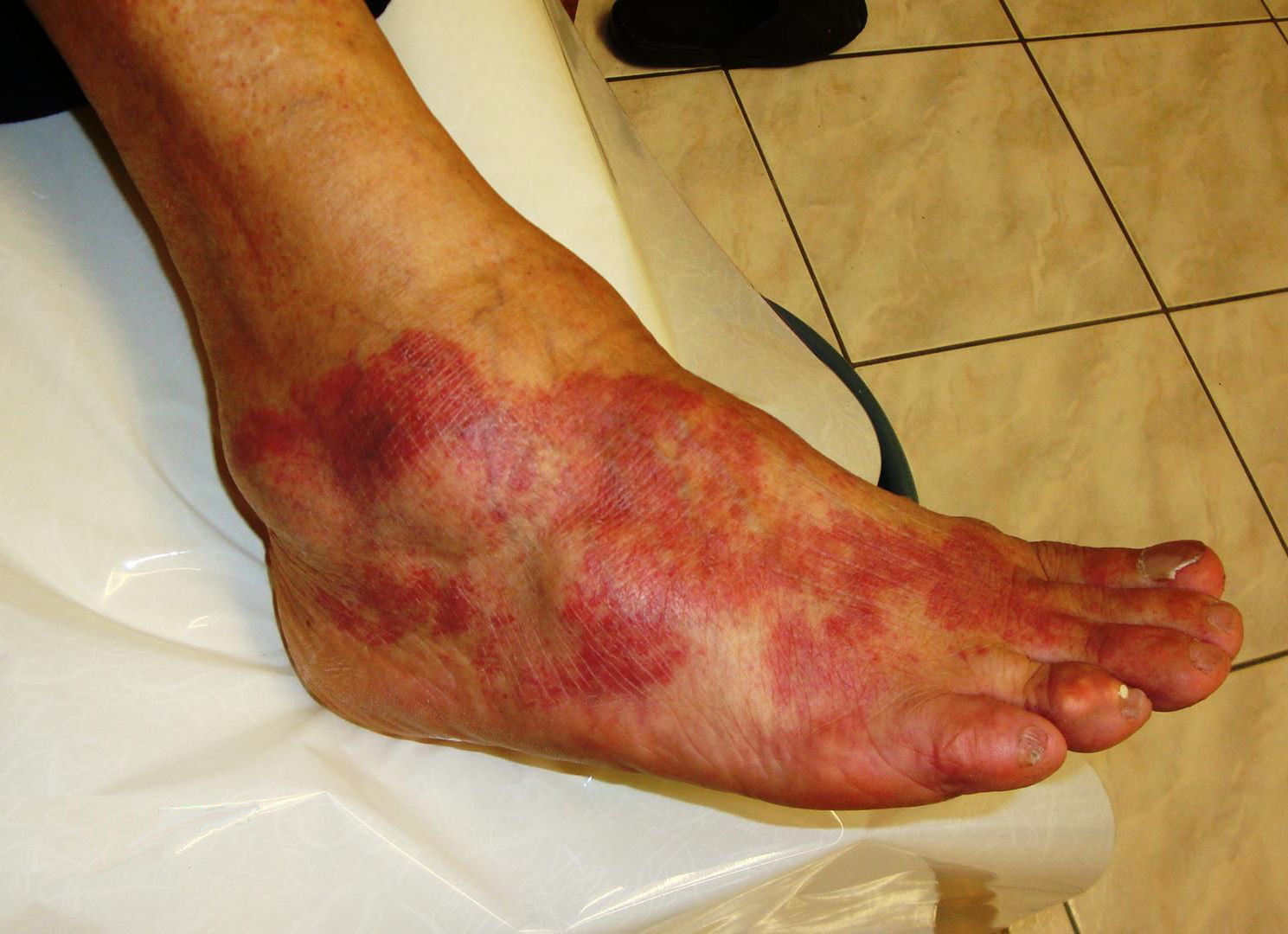
Chronic inflammation works differently than the acute inflammation you get from a sprained ankle or cut finger. This persistent, low-level inflammation happens when your immune system stays activated even without an injury to heal. For active seniors, this creates a frustrating cycle.
When you exercise, your muscles naturally experience small amounts of damage that need repair. This is normal and how you build strength. But when chronic inflammation is already present in your body, it interferes with this recovery process. You’ll notice longer recovery times, persistent muscle soreness, and joints that feel stiff even after rest days.
Age-related inflammation, sometimes called “inflammaging,” also affects your cardiovascular system, brain health, and metabolism. This can reduce your exercise capacity and make weight management more difficult, even when you’re training consistently.
Anti-Inflammatory Foods to Emphasize
Building your meals around these anti-inflammatory powerhouses will help support your active lifestyle:
- Fatty fish: Salmon, sardines, mackerel, and anchovies deliver omega-3 fatty acids that actively reduce inflammation markers in your blood.
- Leafy greens: Spinach, kale, collards, and Swiss chard contain antioxidants and polyphenols that protect cells from inflammatory damage.
- Berries: Blueberries, strawberries, and blackberries pack anthocyanins that reduce post-exercise inflammation.
- Nuts and seeds: Walnuts, almonds, chia seeds, and flaxseeds provide healthy fats and fiber.
- Olive oil: Extra virgin olive oil contains oleocanthal, which works similarly to ibuprofen in reducing inflammation.
- Turmeric and ginger: These spices contain curcumin and gingerol, both studied extensively for anti-inflammatory effects.
- Green tea: Rich in EGCG, a compound that reduces inflammatory markers.
Consider adding turmeric curcumin supplements if you find it difficult to incorporate enough turmeric into your daily meals.
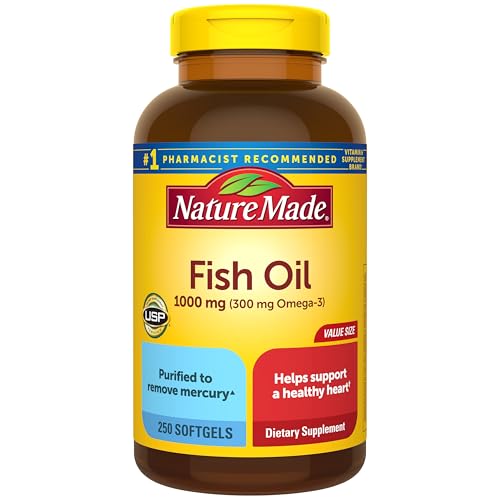
Omega-3 Fish Oil Supplement
A convenient way to ensure you get enough omega-3s if you don’t eat fish regularly
Foods to Limit or Avoid
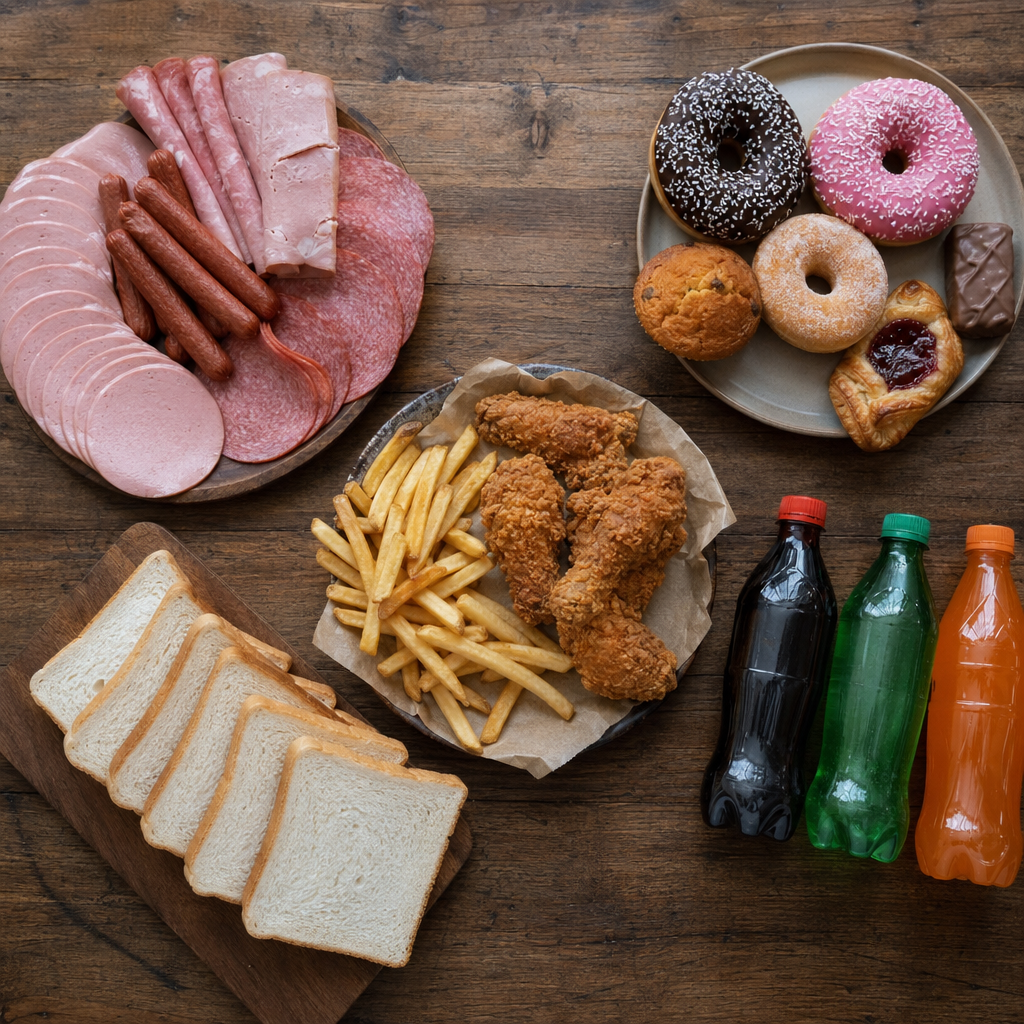
Just as important as what you add is what you minimize. These foods promote inflammation and can undermine your recovery:
- Refined carbohydrates: White bread, pastries, and sugary cereals spike blood sugar and trigger inflammatory responses.
- Processed meats: Bacon, hot dogs, and deli meats contain advanced glycation end products (AGEs) that promote inflammation.
- Fried foods: High in inflammatory trans fats and omega-6 fatty acids when fried in vegetable oils.
- Excess sugar: Sodas, candy, and sweetened beverages increase inflammatory cytokines in your body.
- Excessive alcohol: More than one drink daily for women or two for men can trigger inflammatory processes.
You don’t need to eliminate these completely, but reducing them to occasional treats rather than daily staples makes a measurable difference.
Sample Meal Plans and Shopping Lists
Day 1 Sample:
- Breakfast: Greek yogurt with blueberries, walnuts, and a sprinkle of ground flaxseed
- Lunch: Spinach salad with grilled salmon, cherry tomatoes, cucumber, and olive oil dressing
- Dinner: Baked chicken breast with roasted broccoli and quinoa
- Snack: Apple slices with almond butter
Day 2 Sample:
- Breakfast: Oatmeal topped with strawberries and chia seeds
- Lunch: Lentil soup with kale and a side of mixed greens
- Dinner: Grilled sardines with sweet potato and sautéed spinach in garlic and olive oil
- Snack: Handful of mixed nuts and green tea
Your weekly shopping list should include: wild-caught salmon or sardines, chicken breast, Greek yogurt, eggs, spinach, kale, broccoli, sweet potatoes, berries, apples, lemons, walnuts, almonds, chia seeds, flaxseed, olive oil, turmeric, ginger, garlic, quinoa, oats, and lentils.

Meal Prep Containers
Glass containers make batch cooking anti-inflammatory meals easier and safer than plastic options
How Diet Supports Exercise Performance and Recovery

When you fuel your body with anti-inflammatory foods, you’ll notice improvements in several areas. Recovery time between workouts decreases because your body isn’t fighting both exercise-induced muscle damage and chronic inflammation simultaneously.
Joint mobility often improves within a few weeks of dietary changes. Many active seniors report reduced morning stiffness and less pain during activities like walking, swimming, or strength training.
Energy levels stabilize throughout the day when you avoid blood sugar spikes from refined carbs. This means you can maintain consistent workout schedules without the energy crashes that derail exercise plans.
Timing matters too. Eating anti-inflammatory foods within 30-60 minutes after exercise helps maximize recovery. A post-workout snack combining protein and antioxidants, like a smoothie with berries and protein powder, supports muscle repair while reducing inflammation.
Frequently Asked Questions
How long does it take to notice benefits from an anti-inflammatory diet?
Most active seniors report noticeable improvements in energy and reduced joint pain within 2-3 weeks of consistent dietary changes. Significant reductions in inflammatory markers typically show up in blood tests after 6-8 weeks. Keep in mind that this works best when combined with regular exercise and adequate sleep.
Can I still eat meat on an anti-inflammatory diet?
Yes, you can include meat, but focus on lean, unprocessed options. Chicken, turkey, and grass-fed beef in moderate portions are fine. The key is limiting processed meats and balancing animal proteins with plenty of vegetables, fruits, and omega-3 rich fish. Aim for fatty fish at least twice weekly and fill half your plate with colorful vegetables at each meal.
This article contains affiliate links. We may earn a small commission at no extra cost to