Getting enough calcium becomes increasingly important as we age, but what if dairy’t on the menu? Whether you’re dealing with lactose intolerance, following a plant-based diet, or simply trying to diversify your calcium sources, you have plenty of options beyond milk and cheese. Your bones don’t care where their calcium comes from, as long as they’re getting what they need.
Let’s look at the best non-dairy calcium sources for seniors, how to maximize absorption, and when you might need to consider supplementation.
Why Seniors Need More Calcium (And Why Dairy Isn’t Essential)
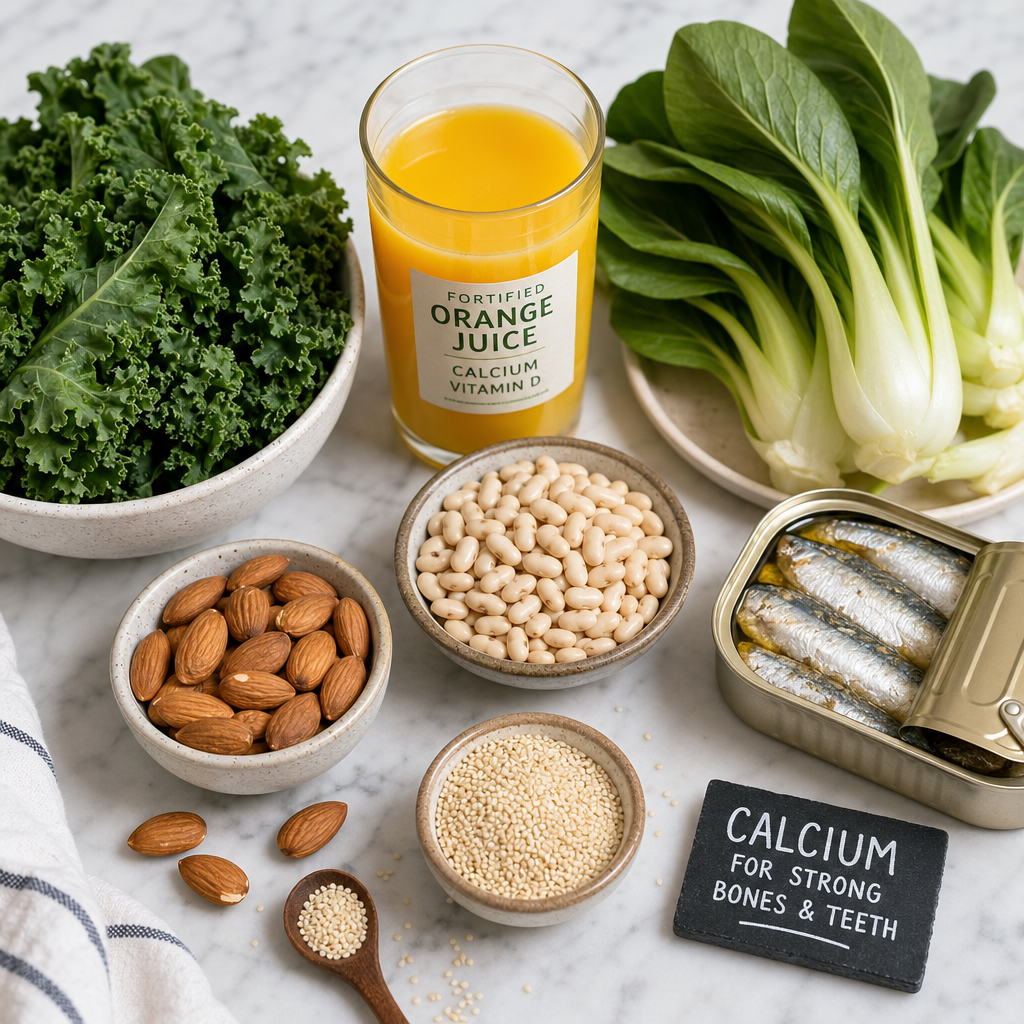
After age 50, women need 1,200 mg of calcium daily, and men need 1,000 mg (increasing to 1,200 mg after age 70). These numbers sound intimidating, but dairy never was the only answer. Many cultures with low dairy consumption maintain excellent bone health through other dietary sources.
The real challenge isn’t just getting calcium into your body. It’s making sure your body can actually absorb and use it. Absorption rates decline with age, which means the quality and timing of your calcium sources matter more than ever.
Plant-Based Calcium Powerhouses
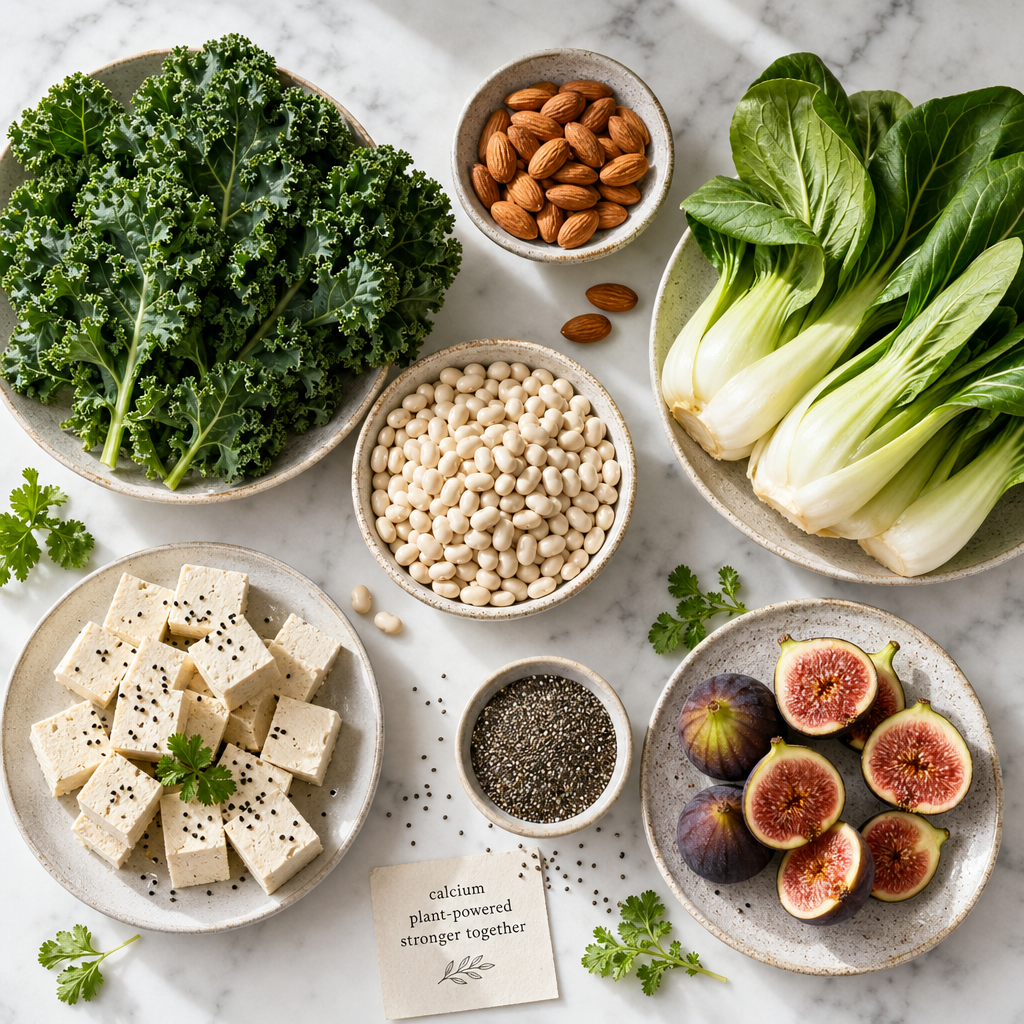
Dark leafy greens lead the pack for non-dairy calcium sources. Collard greens deliver about 268 mg of calcium per cooked cup, while turnip greens provide around 197 mg. Kale offers 94 mg per cooked cup, though raw kale contains oxalates that can interfere with absorption.
Bok choy and Chinese cabbage are particularly smart choices because they contain very low levels of oxalates, meaning your body can absorb up to 50% of their calcium content. Compare that to spinach, which is high in calcium but also loaded with oxalates that block absorption.
Fortified plant milks have become reliable calcium sources, often containing more calcium per serving than cow’s milk. Check labels carefully because calcium content varies widely between brands. Look for versions fortified with calcium carbonate, which settles at the bottom, so shake well before pouring.
Legumes and Seeds Worth Adding
White beans pack about 161 mg of calcium per cup, and they’re incredibly versatile in soups, salads, and dips. Tofu made with calcium sulfate can contain 250-750 mg per half cup, depending on the brand. Check the ingredient list for calcium sulfate or calcium chloride to ensure you’re getting the fortified versions.
Chia seeds and sesame seeds (especially tahini) bring impressive calcium numbers. Two tablespoons of chia seeds contain roughly 179 mg of calcium, plus they add omega-3 fatty acids and fiber to your diet. Tahini provides about 130 mg per two tablespoons, making it easy to work into sauces and dressings.

Organic Chia Seeds
A simple way to boost calcium intake in smoothies, oatmeal, or baked goods.
The Vitamin D Connection You Can’t Ignore
Calcium can’t do its job without adequate vitamin D, which helps your intestines absorb calcium efficiently. Most seniors need 800-1,000 IU of vitamin D daily, but many fall short. Sun exposure helps your body produce vitamin D, but after age 50, your skin becomes less efficient at this conversion.
Pair your calcium-rich meals with vitamin D sources like fatty fish (salmon, sardines, mackerel), egg yolks, or fortified foods. Eating your calcium sources with a meal that includes some healthy fat improves absorption of fat-soluble vitamin D.
Consider taking calcium and vitamin D together. Many people take calcium supplements in the morning with breakfast, but splitting your dose between morning and evening improves absorption since your body can only process about 500 mg of calcium at once. Understanding how vitamin D supports exercise performance can help you optimize your overall fitness routine as well.
Simple Calcium-Rich Recipes Without Dairy
A collard green and white bean soup gives you a double calcium boost. Sauté garlic and onions, add vegetable broth, chopped collard greens, and white beans. Season with herbs and finish with a squeeze of lemon. The vitamin C from the lemon actually helps with calcium absorption.
For breakfast, try overnight oats made with fortified almond milk, chia seeds, and sliced almonds. Top with calcium-set tofu blended with fruit for a creamy, protein-rich addition. This single meal can provide 400-500 mg of calcium.
Tahini-based dressings work beautifully on salads featuring kale, bok choy, and white beans. Mix tahini with lemon juice, garlic, and water to desired consistency. You’re getting calcium from multiple sources in one satisfying meal.
When and How to Choose Supplements
Even with dietary changes, many seniors struggle to meet their calcium needs through food alone. Supplements fill that gap, but the type of supplement matters considerably.
Calcium carbonate contains the most elemental calcium (40% by weight) and is budget-friendly. Take it with food because it requires stomach acid for absorption. Calcium citrate contains less elemental calcium (21% by weight) but absorbs well with or without food, making it better for seniors with low stomach acid or those taking acid-reducing medications.
Calcium phosphate and calcium lactate are less common but easier on the digestive system if carbonate or citrate cause constipation or gas. Start with smaller doses and gradually increase to let your system adjust.

Calcium Citrate Supplements with Vitamin D
Citrate form absorbs well even on an empty stomach, making it ideal for seniors with digestive concerns.
Take no more than 500 mg of calcium at once. Your body can’t absorb larger amounts efficiently. Space doses at least four to six hours apart. Avoid taking calcium supplements at the same time as iron supplements or thyroid medication, as calcium interferes with their absorption.
Watch for These Absorption Blockers
Caffeine increases calcium excretion through urine. Limit coffee and tea to moderate amounts, and don’t take calcium supplements with your morning coffee. High sodium intake also causes calcium loss, so watch your salt consumption.
Certain medications affect calcium absorption or increase calcium excretion. Corticosteroids, some diuretics, and proton pump inhibitors all interfere with calcium metabolism. Talk with your doctor about timing supplements around medications.
Frequently Asked Questions
Can you get too much calcium from food sources?
Getting excessive calcium from food alone is extremely difficult. The tolerable upper limit is 2,000 mg daily for adults over 50. Problems typically arise only when combining high-dose supplements with calcium-rich foods. Excess calcium can interfere with absorption of other minerals and, in rare cases, contribute to kidney stones or cardiovascular issues. Focus on food sources first and use supplements to fill specific gaps rather than megadosing.
How quickly will dietary changes improve bone health?
Bone remodeling is a slow process. You won’t see measurable changes in bone density for at least six months to a year of consistent calcium intake paired with vitamin D, weight-bearing exercise, and adequate protein. However, ensuring proper calcium intake today prevents further bone loss and supports the ongoing repair process. Think of it as a long-term investment rather than a quick fix. Regular DEXA scans every one to two years can track progress.
Do calcium supplements really cause heart problems?
Research on calcium supplements and heart health shows mixed results. Some studies suggest high-dose calcium supplements (particularly without vitamin D) might increase cardiovascular risk, while others find no connection. The current evidence suggests getting calcium from food sources is preferable when possible. If you need supplements, take them in divided doses rather than one large dose, pair them with vitamin D, and stay within recommended amounts. Anyone with existing heart conditions should discuss calcium supplementation with their cardiologist.
Building Your Calcium Strategy
Meeting your calcium needs without dairy requires attention but not obsession. Track your intake for a week using a food diary or app to see where you stand. You might be closer to your goal than you think.
Combine multiple sources throughout the day rather than loading up on one food. Variety ensures you’re not only getting calcium but also the supporting nutrients that help your body use it effectively. A breakfast with fortified plant milk and chia seeds, a lunch salad with tahini dressing and white beans, and a dinner featuring salmon with sautéed bok choy covers your bases beautifully.
Consider calcium supplements as backup rather than your primary strategy. Real food provides calcium alongside other bone-supporting nutrients like magnesium, potassium, and vitamin K that work synergistically. Following an anti-inflammatory diet approach can further support bone health and overall wellness as you age.
Your bones are living tissue that responds to consistent care. Give them the calcium they need from sources that work for your body and lifestyle, and they’ll continue supporting you for years to come.
This article contains affiliate links. We may earn a small commission at no extra cost to you.
Related Articles
- Omega-3 Fatty Acids for Seniors: Benefits and Best Sources
- Vitamin D and Exercise Performance in Seniors
- Anti-Inflammatory Diet for Active Seniors