Getting back into exercise after a long break is one of the most common fitness challenges people face, and it’s also one of the most mishandled. Whether you’ve been sidelined by illness, surgery, injury, or simply let months slip into years of inactivity, the instinct is often to jump back in hard and “make up for lost time.” That approach almost always backfires. Soreness, fatigue, and discouragement follow, and many people quit before they ever find their stride.
The better path is slower, more intentional, and honestly more effective. This guide walks you through how to restart safely, build a sustainable baseline, and recognize the signs that you’re progressing at a pace your body can actually handle.
Start With an Honest Baseline Assessment
Before you put on a pair of sneakers and head out the door, take a week to observe where you actually are. Not where you were two years ago, not where you’d like to be. Right now.
A simple baseline assessment doesn’t require equipment. Walk at a comfortable pace for 10 minutes and note how you feel afterward. Do five bodyweight sit-to-stands from a chair and observe whether your legs feel stable. Try standing on one foot for 10 seconds. These small tests tell you a great deal about your current cardiovascular capacity, leg strength, and balance.
If you’ve been recovering from illness or surgery, it’s worth having a conversation with your doctor before starting any program. This is especially important if you take medications that affect heart rate or blood pressure. Our article on blood pressure medication and exercise precautions covers what to watch for if cardiovascular medications are part of your picture.
The First Two Weeks: Gentle Movement Only

Think of these first two weeks as reintroduction, not training. Your goal isn’t fitness yet. Your goal is to remind your body that movement is safe and to begin rebuilding the habit of showing up.
Walking as Your Foundation
Walking is genuinely the best starting point for almost everyone returning from inactivity. It’s low-impact, requires no equipment, and gives you immediate feedback about how your cardiovascular system and joints are responding.
Start with 10 to 15 minutes per day at a conversational pace. You should be able to speak in full sentences without gasping. Do this five days out of seven. After one week, if you feel no unusual fatigue or joint pain, bump each session up by five minutes.
Mobility and Gentle Stretching
Alongside your walks, spend five to ten minutes daily on basic mobility work. Ankle circles, shoulder rolls, hip circles, and gentle neck stretches help restore range of motion that tends to decrease during long sedentary periods. This isn’t a warmup for a workout. It’s a standalone practice during week one and two.
Pay attention to any areas of chronic stiffness. Long periods of sitting are notorious for creating tight hip flexors and rounded shoulders. If you’ve been dealing with ongoing back discomfort, the principles in posture correction exercises for seniors are a natural complement to your early mobility work.
Weeks Three Through Six: Building a Real Structure

Once two weeks of daily gentle movement feel manageable, you’re ready to introduce a bit more structure. This phase adds strength work and slightly increases cardiovascular effort, but the emphasis remains on consistency over intensity.
Three-Day-Per-Week Strength Basics
You don’t need a gym. Bodyweight exercises done consistently produce real strength gains, especially when you’re coming off a significant period of inactivity.
A basic session at this stage might look like:
- Chair-assisted squats: 2 sets of 8 to 10 reps
- Wall push-ups: 2 sets of 8 to 10 reps
- Standing hip hinges: 2 sets of 10 reps
- Seated leg extensions: 2 sets of 10 reps per side
- Standing calf raises at the counter: 2 sets of 12 reps
Keep rest periods generous, around 60 to 90 seconds between sets. You’re not chasing a pump. You’re teaching your nervous system to recruit muscles it hasn’t used in a while.
A set of light resistance bands is a great low-cost addition once bodyweight exercises start feeling easy. They add progressive challenge without stressing joints the way free weights can early in a return-to-exercise phase.

Light Resistance Bands for Seniors
Resistance bands are ideal for the early stages of returning to exercise because they provide gentle, joint-friendly resistance that scales easily as you get stronger.
Increasing Your Cardio Base Gradually
By week three or four, your walks should be reaching 25 to 30 minutes at a comfortable pace. You can begin introducing one slightly brisker walk per week, where you pick up the pace for two to three minutes in the middle of your session, then return to your comfortable pace. This is called interval walking, and it’s one of the safest ways to improve cardiovascular fitness without overdoing it.
If walking on hard surfaces bothers your knees or hips, a comparison of exercise bikes and ellipticals can help you find a low-impact indoor alternative that protects your joints while still building aerobic capacity.
Nutrition: Fueling a Body Coming Back to Life

Many people returning to exercise underestimate how much nutrition matters during this phase. Your muscles need adequate protein to repair and rebuild, and your energy levels depend heavily on what you’re eating before and after activity.
Aim for a source of protein within an hour after your strength sessions. This doesn’t have to be a formal meal. A handful of Greek yogurt, a small serving of cottage cheese, or a protein-rich snack does the job. Our guide on post-workout recovery meals for seniors has practical, real-food ideas that don’t require any cooking expertise.
Bone and joint health also deserve attention during this phase. If you haven’t been active for a while, your joints have been under-loaded, which paradoxically can weaken the surrounding connective tissue. Supporting that tissue with adequate vitamin D, calcium, and anti-inflammatory foods makes a meaningful difference. Our piece on vitamin D for senior bone and muscle health explains the specific role it plays in muscle function, not just bone density.
A quality collagen peptides supplement is also worth considering during a return-to-exercise phase. Research suggests collagen supports tendon and ligament repair, which matters when those structures are being loaded again after a period of disuse.

Collagen Peptides Powder
A well-reviewed collagen peptides powder taken daily can support joint and connective tissue health during the early weeks of returning to exercise.
Signs You’re Progressing at a Healthy Pace
One of the trickiest parts of restarting an exercise routine is knowing whether what you’re feeling is normal adaptation or a warning sign. Here’s a practical framework.
Good Signs
- Mild muscle soreness 24 to 48 hours after a strength session that fades within two days
- Feeling pleasantly tired after a walk rather than exhausted
- Sleeping better within the first two to three weeks
- Noticing small improvements in your ability to do daily tasks, such as climbing stairs or rising from a chair
- Mood improvements, including reduced anxiety or a more stable energy level through the day
Warning Signs to Take Seriously
- Joint pain during or after exercise, especially sharp or localized pain
- Chest tightness, shortness of breath disproportionate to your effort, or dizziness
- Soreness that doesn’t resolve within 72 hours
- Persistent fatigue that carries over into the next day
- A rapid or irregular heartbeat that doesn’t settle within a few minutes of stopping activity
Any of these warning signs is a reason to back off and, if they persist, consult your doctor. This isn’t a reason to panic. It’s just information worth acting on.
Building Toward a Long-Term Routine
By weeks seven through twelve, assuming no setbacks, you’ll be ready to think about a more structured program. This is where you can begin a true progressive resistance plan. Our 12-week progressive resistance training program is designed specifically for this transition point and provides a clear week-by-week framework for building real strength safely.
At this stage, adding a second piece of equipment makes sense. A set of adjustable dumbbells gives you far more exercise variety than resistance bands alone, and lets you continue progressing as your baseline strength grows.
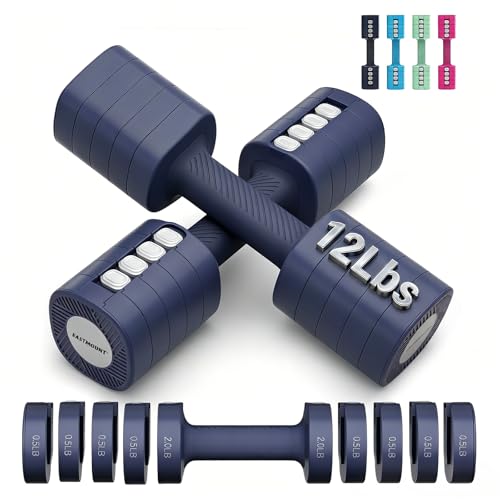
Adjustable Dumbbells for Seniors
Adjustable dumbbells are one of the most versatile and space-efficient investments for a home workout routine once you’ve moved past the early reintroduction phase.
You might also want to start tracking your progress more formally. Apps designed for older adults can help you log workouts, monitor your step count, and notice trends over time. The options covered in our article on fitness tracking apps for seniors range from very simple to more detailed, so there’s something regardless of your comfort with technology.
Special Circumstances Worth Knowing About
Some people returning to exercise after a long break are dealing with a specific health condition that changes what’s appropriate. A standard reintroduction program may need modification in several situations.
If your inactivity was caused by a respiratory illness, consider a structured breathing-focused program before adding intensity. Our COPD exercise program for better breathing applies useful principles even for people without a formal COPD diagnosis who are rebuilding lung capacity after illness.
If balance is a concern, particularly after a prolonged period in bed or following illness that affected the inner ear or nervous system, dedicated balance training belongs in your program from the beginning. The exercises outlined for vertigo and balance in seniors are gentle enough for a true beginner and directly address the kind of instability that develops during inactivity.
For anyone returning to activity after joint replacement surgery, a general reintroduction program isn’t enough. You’ll want a protocol that accounts for your surgical recovery timeline and any restrictions your surgeon has placed on range of motion or weight-bearing. Our guide on post-surgery exercise and safe return to activity is a useful resource for exactly this situation.
Frequently Asked Questions
How long before I start feeling noticeably fitter?
Most people notice real changes within three to four weeks. The early improvements aren’t primarily in muscle size or cardiovascular capacity. They’re neurological, meaning your brain and muscles are relearning how to coordinate efficiently. Energy levels, mood, and ease of daily movement tend to improve first. Visible strength and endurance changes typically follow between weeks six and ten.
Is it normal to feel worse before feeling better?
Mild fatigue and muscle soreness in the first one to two weeks is normal and expected. Your body is adapting to a new demand. What’s not normal is feeling wiped out for days after a session or experiencing significant joint pain. If your fatigue seems excessive, try cutting your session duration in half for a week before progressing. Slower is faster in the long run.
How many days per week should I exercise when restarting?
Five days per week is a reasonable target during the first month, with two of those days being pure rest or very gentle walking. As your routine develops, a structure of three strength sessions and two to three cardio sessions per week, with two full rest days, works well for most people. Consistency over five to six weeks does more for you than any single intense session.
What if I experience a setback, like getting sick again or missing two weeks?
A brief interruption doesn’t erase your progress. If you miss one to two weeks, pick up roughly where you left off but drop your intensity by about 25 percent for the first week back. If you’ve been out for three to four weeks or longer, dial back to your week-two level and rebuild from there. The timeline is frustrating, but your body adapts faster the second time because the neural patterns are still partially intact.
This article contains affiliate links. We may earn a small commission at no extra cost to you.