You catch yourself in a mirror or window reflection and barely recognize your posture. Your head juts forward, shoulders round inward, and your spine curves in ways it didn’t a few years ago. This isn’t just about appearances. Poor posture affects your breathing, increases pain in your neck and back, and throws off your balance enough to raise your fall risk.
The good news is that you can reverse much of this decline with targeted exercises. Your muscles have adapted to poor posture over time, and they can adapt back to proper alignment with consistent practice. These exercises focus on strengthening the muscles that support upright posture while releasing the tight ones that pull you into a slouch.
Understanding Forward Head Posture and Slouching
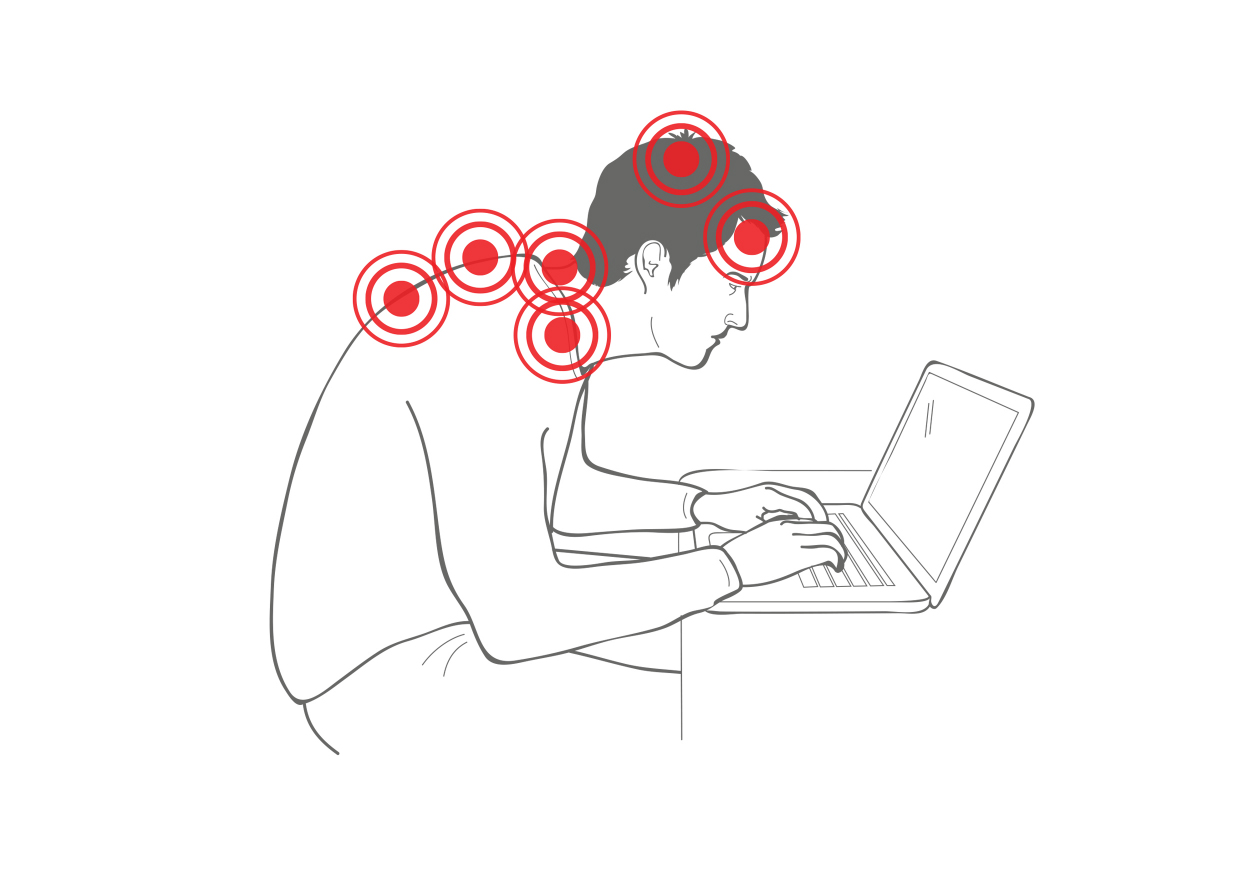
Forward head posture happens when your head drifts forward past your shoulders. For every inch your head moves forward, it adds about 10 pounds of additional force on your neck muscles. If your head is three inches forward, your neck is supporting 40-50 pounds instead of the normal 10-12 pounds.
This creates a chain reaction through your body. Your chest muscles tighten and shorten, pulling your shoulders forward. Your upper back muscles stretch and weaken, unable to counteract that forward pull. Your lower back compensates by increasing its curve, shifting your center of gravity and affecting your balance.
These changes contribute to chronic neck pain, shoulder tension, headaches, and even breathing difficulties. The rounded posture compresses your chest cavity, reducing lung capacity by up to 30%. Less oxygen means less energy and more fatigue throughout your day.
Essential Exercises for Better Posture
Chin Tucks
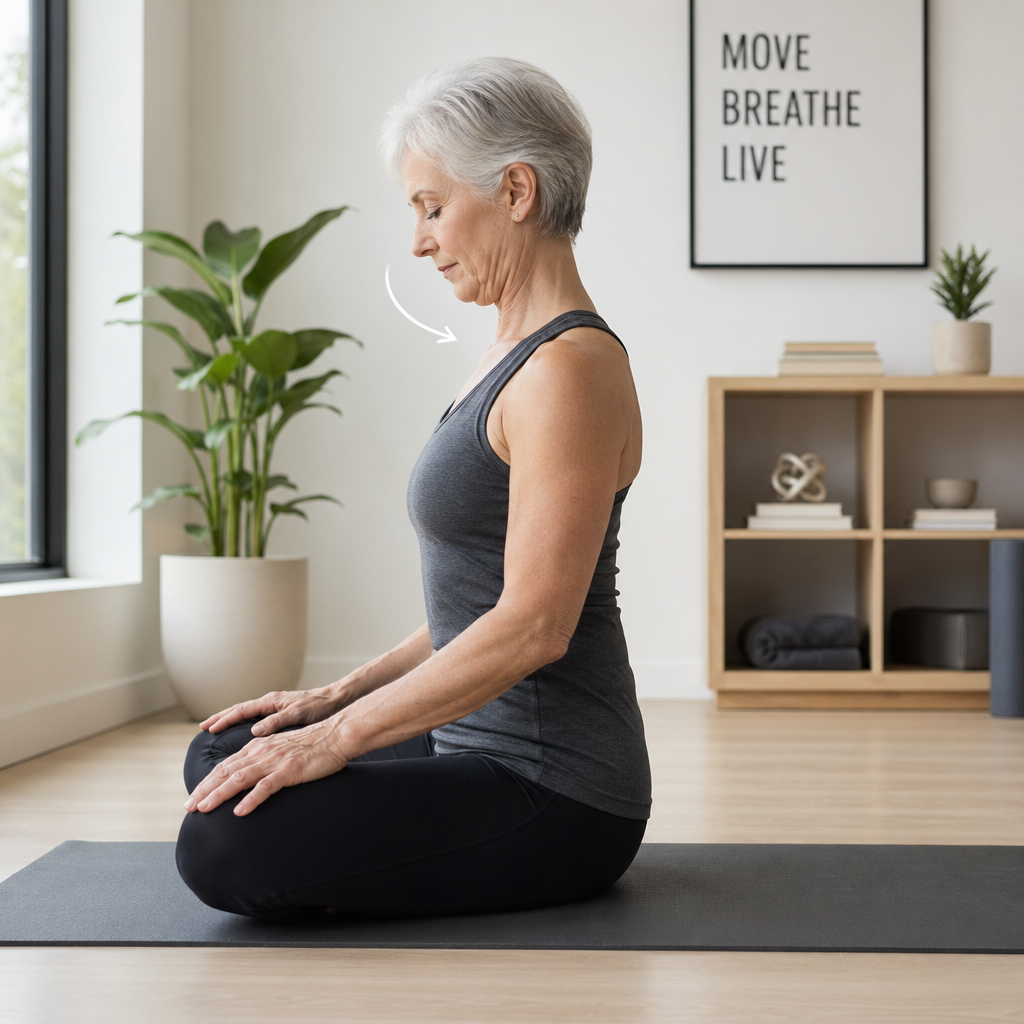
This simple exercise retrains your neck alignment and strengthens the deep neck flexors that support proper head position. You can do this sitting or standing, making it perfect for practice throughout your day.
Start by looking straight ahead. Gently draw your chin straight back, creating a double chin effect. Don’t tilt your head down or up. Your ears should move backward, aligning over your shoulders. Hold for 5 seconds, then release.
Repeat 10 times, several times per day. You should feel a gentle stretch at the base of your skull and mild muscle engagement in the front of your neck. This exercise might feel awkward at first because your muscles aren’t used to holding your head in proper alignment.
Wall Angels
Wall angels open your chest, strengthen your upper back, and improve shoulder mobility all at once. They’re called wall angels because the movement resembles making snow angels against a wall.
Stand with your back against a wall, feet about 6 inches from the baseboard. Press your lower back, upper back, and head against the wall. Raise your arms to shoulder height with elbows bent at 90 degrees, pressing your forearms and backs of your hands against the wall.
Slowly slide your arms up the wall, straightening them overhead while keeping contact with the wall. Return to the starting position. Perform 10 repetitions, focusing on keeping your back and arms against the wall throughout the movement.
Many people find they can’t keep everything touching the wall at first. That’s completely normal and shows how tight your chest muscles have become. Work within your current range and you’ll gradually improve.
Shoulder Blade Squeezes
This exercise targets the rhomboids and middle trapezius muscles between your shoulder blades. These muscles are typically weak and overstretched in people with slouched posture.
Sit or stand with good posture. Without raising your shoulders toward your ears, squeeze your shoulder blades together and down your back. Imagine you’re trying to hold a pencil between your shoulder blades. Hold for 5-10 seconds, then release.
Perform 15 repetitions, 2-3 times daily. You should feel the muscles between your shoulder blades working, but you shouldn’t feel strain in your neck or shoulders hiking upward.
Stretches to Release Tight Muscles

Doorway Chest Stretch
Tight chest muscles pull your shoulders forward and contribute significantly to rounded posture. This stretch releases that tension and allows your shoulders to settle back into proper position.
Stand in a doorway with your forearm along the door frame, elbow at shoulder height. Step forward with one foot until you feel a gentle stretch across your chest and front of your shoulder. Hold for 30 seconds, repeat on the other side.
Perform this stretch 2-3 times on each side, twice daily. You can adjust the angle by moving your arm higher or lower on the door frame to target different parts of your chest muscle.
Neck Stretches
Gentle neck stretches release tension that builds up from forward head posture. Sit tall and slowly tilt your head to one side, bringing your ear toward your shoulder. Hold for 20-30 seconds, return to center, then repeat on the other side.
For a deeper stretch, you can use your hand to add gentle pressure. Never force these stretches or bounce. Slow and gentle wins here.
Tools That Support Your Posture Work
While exercises are your primary tool for posture correction, certain products can support your efforts and provide helpful reminders throughout the day.
A resistance band adds challenge to your shoulder blade squeezes and wall angels as you get stronger. Look for light to medium resistance bands designed for senior fitness.

Posture Corrector Brace
Provides gentle reminders to maintain proper shoulder position during daily activities.
A foam roller helps release tension along your spine and between your shoulder blades. Lying on a foam roller for 5-10 minutes daily can counteract hours of sitting.
Consider a lumbar support cushion for your favorite chair. This encourages your lower back to maintain its natural curve, which helps your upper body stack properly above it.
Creating Your Daily Routine
Consistency matters more than intensity when correcting posture. Your body adapted to poor posture over years or decades. Reversing this takes time and regular practice.
Start with a simple morning routine: 10 chin tucks, 10 wall angels, and 15 shoulder blade squeezes. This takes less than 10 minutes. Repeat the sequence once more during your day, perhaps after lunch or in the evening.
Add your stretches whenever you notice tension building. After sitting for a while, stand and do the doorway chest stretch. When your neck feels tight, perform gentle neck stretches.
Set reminders on your phone if you tend to forget. Better yet, link your exercises to existing habits. Do chin tucks every time you’re waiting for your coffee to brew. Practice shoulder blade squeezes during TV commercials.
Track your progress by having someone take photos of your posture from the side every few weeks. You might not notice daily changes, but comparing photos from month to month shows real improvement. This visual feedback keeps you motivated when you can’t feel the changes yet.
When to Seek Professional Help
These exercises help most people with typical age-related posture changes. However, some situations need professional evaluation from a physical therapist or doctor.
See a healthcare provider if you have severe pain that doesn’t improve with gentle exercise, numbness or tingling in your arms or hands, dizziness when moving your neck, or sudden changes in your posture. These could indicate underlying conditions that need specific treatment.
A physical therapist can assess your individual posture issues and create a personalized program. They’ll identify which muscles are weakest and tightest in your body, then adjust exercises accordingly. Many insurance plans cover physical therapy for posture-related pain.
Frequently Asked Questions
How long does it take to see improvement in posture?
Most people notice reduced pain and tension within 2-3 weeks of daily practice. Visible changes in your posture typically appear after 6-8 weeks of consistent exercise. Remember that your current posture developed over many years, so patience is important. The muscles and connective tissues need time to adapt to their new positions.
Can I do these exercises if I have arthritis in my neck or shoulders?
These exercises are generally safe for people with arthritis and may actually reduce pain by improving alignment. However, work within your comfort zone and never push through sharp pain. Start with smaller ranges of motion and fewer repetitions. Consult your doctor or physical therapist before starting if you have severe arthritis or have had recent injuries.
Is it ever too late to correct poor posture?
You can improve your posture at any age. While it’s true that long-standing postural changes are harder to reverse completely, even small improvements reduce pain, enhance breathing, and decrease fall risk. Many people in their 70s, 80s, and beyond experience significant benefits from posture exercises. Your body retains its ability to adapt and strengthen throughout your life.
This article contains affiliate links. We may earn a small commission at no extra cost to you.