Your bones aren’t the only thing at risk when vitamin D levels drop. This nutrient plays a starring role in keeping your muscles strong, your balance steady, and your risk of falls low. For seniors, getting enough vitamin D becomes even more critical because your body’s ability to produce and use it naturally declines with age.
Many older adults are walking around with vitamin D deficiency without realizing it. The symptoms can be subtle at first: a bit more muscle weakness, slower recovery after activity, or feeling off-balance more often. But over time, low vitamin D can seriously compromise your mobility and independence.
Why Vitamin D Matters More as You Age

Vitamin D works like a master key in your body, unlocking calcium absorption in your gut and helping deposit it where it belongs: in your bones. Without adequate vitamin D, you could be taking all the calcium supplements in the world and still not getting the bone-building benefits.
Your muscles depend on vitamin D too. It supports muscle protein synthesis and helps maintain the fast-twitch muscle fibers that keep you stable and prevent falls. Research shows that seniors with higher vitamin D levels have better muscle strength and physical performance compared to those who are deficient. Supporting your muscles with adequate protein intake offers additional benefits for maintaining strength as you age.
The fall prevention connection is particularly important. Studies have found that vitamin D supplementation can reduce fall risk by up to 20% in older adults. That’s significant when you consider that falls are the leading cause of injury-related deaths in people over 65.
Testing Your Vitamin D Levels
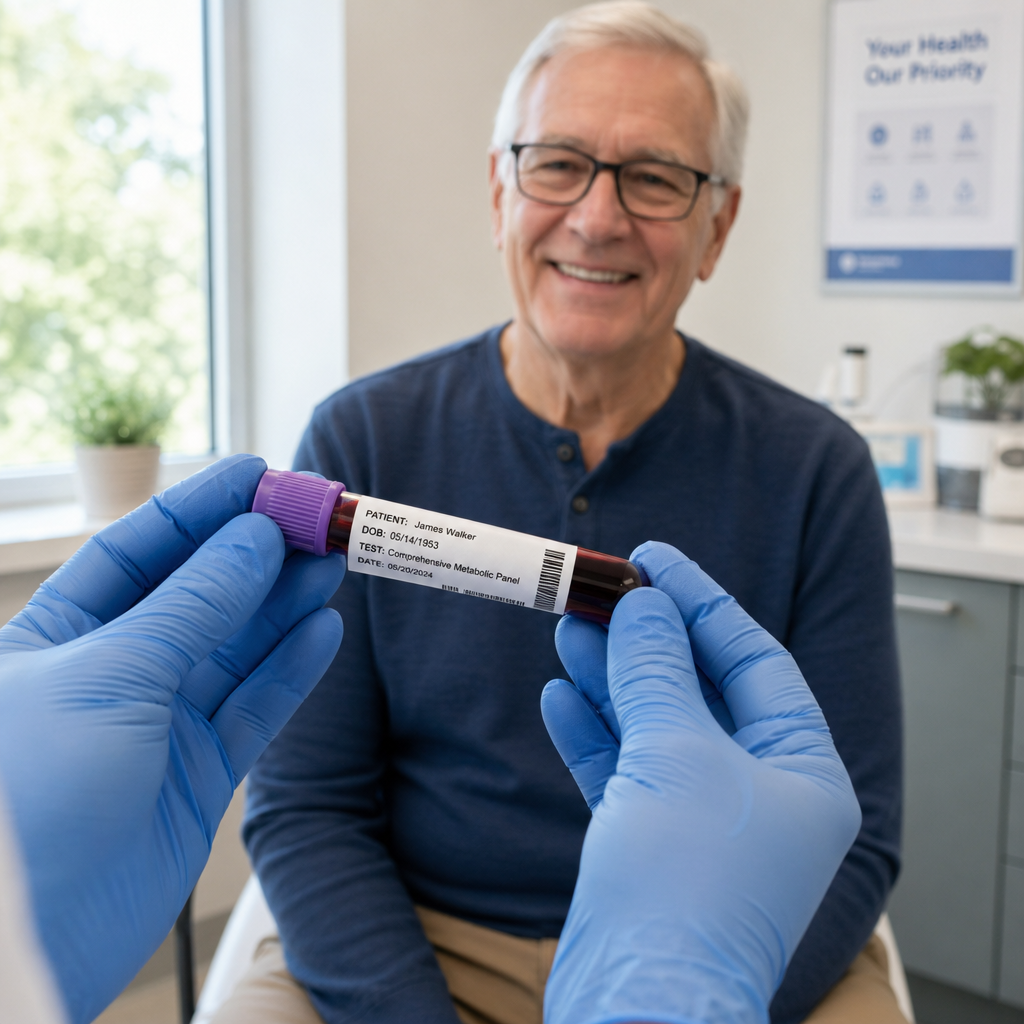
You can’t feel your vitamin D level, so testing is the only way to know where you stand. The 25-hydroxyvitamin D blood test is the standard measurement your doctor will order.
Most experts recommend these target ranges:
- Deficient: below 20 ng/mL
- Insufficient: 20-30 ng/mL
- Sufficient: 30-50 ng/mL
- Optimal for seniors: 40-60 ng/mL
Many healthcare providers now aim for the higher end of the range for older adults, given the increased benefits for bone and muscle health. You should get tested at least once a year, or more frequently if you’re correcting a deficiency.
Your insurance may cover vitamin D testing, especially if you have risk factors like osteoporosis, history of falls, or limited sun exposure. Talk to your doctor about whether testing makes sense for you.
Vitamin D3 vs. D2: Which Should You Take?
When you’re shopping for supplements, you’ll see two types: vitamin D2 (ergocalciferol) and vitamin D3 (cholecalciferol). D3 is the clear winner for most people.
Your body produces D3 naturally when your skin is exposed to sunlight. It’s also the form found in animal-based foods. D2 comes from plant sources and is sometimes used in prescription vitamin D products.
Research consistently shows that D3 is more effective at raising and maintaining blood levels of vitamin D. It’s about 87% more potent than D2 and stays active in your body longer. Unless your doctor specifically prescribes D2, stick with D3 supplements.
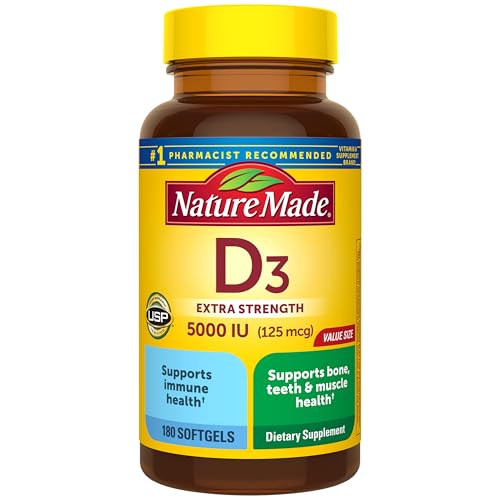
Vitamin D3 5000 IU Supplements
A popular dosage that works well for most seniors looking to maintain healthy vitamin D levels.
Supplementation Guidelines for Seniors
Most older adults need more vitamin D than the official recommended daily allowance suggests. The RDA is 800 IU for people over 70, but many experts consider this too low to achieve optimal levels.
A more realistic target for seniors is 1,000 to 2,000 IU daily for maintenance if your levels are already good. If you’re correcting a deficiency, your doctor might recommend 5,000 IU or more until your levels normalize.
Take your vitamin D supplement with a meal that contains some fat. Since it’s a fat-soluble vitamin, it absorbs better when consumed with dietary fat. Even a small amount helps, like a handful of nuts or a piece of cheese.
You’ll find vitamin D3 in various forms: softgels, tablets, gummies, and liquid drops. Softgel capsules are popular because they already contain oil for better absorption. Liquid drops work well if you have trouble swallowing pills.
Getting Vitamin D from Sun Exposure

Your skin can produce vitamin D when exposed to UVB rays from sunlight, but this becomes less efficient as you age. After 70, your skin produces about 75% less vitamin D from sun exposure compared to when you were 20.
For safe sun exposure, aim for 10 to 30 minutes of midday sun on your arms and legs several times a week. This applies if you have fair to medium skin. Darker skin requires more time to produce the same amount of vitamin D.
Skip this during peak burning hours if you’re at high risk for skin cancer. Sunscreen with SPF 30 or higher blocks more than 95% of vitamin D production, so you’ll need to balance sun protection with vitamin D needs. Many dermatologists recommend relying more on supplements and food sources rather than unprotected sun exposure.
Geography matters too. If you live north of the 37th parallel (roughly above San Francisco or Richmond, Virginia), you’ll get enough UVB rays during winter months to produce vitamin D, regardless of time spent outdoors.
Food Sources of Vitamin D
Very few foods naturally contain vitamin D, which is why supplementation is so important for most seniors. Still, including these foods in your diet helps:
- Fatty fish like salmon (450 IU per 3 oz serving), mackerel, and sardines
- Cod liver oil (1,360 IU per tablespoon)
- Egg yolks (40 IU per yolk)
- Beef liver (42 IU per 3 oz serving)
- Fortified foods like milk, orange juice, and cereals (usually 100-120 IU per serving)
Even if you eat fatty fish twice a week and drink fortified milk daily, you’re probably only getting 400 to 600 IU from food sources. This falls short of what most seniors need to maintain optimal levels. For post-workout recovery, you might also enjoy nutritious protein shakes that complement your overall nutrition plan.

Vitamin D3 with K2 Supplements
Combining D3 with vitamin K2 helps direct calcium to bones rather than soft tissues.
Special Considerations for Seniors
Several factors put older adults at higher risk for vitamin D deficiency. If you spend most of your time indoors, live in a nursing home or assisted living, or have mobility issues that limit outdoor time, you’re especially vulnerable.
Certain medications can interfere with vitamin D metabolism. Corticosteroids, some weight loss drugs, and seizure medications all reduce vitamin D levels. Talk to your doctor about whether your medications affect your vitamin D status.
Digestive conditions like Crohn’s disease, celiac disease, or chronic kidney disease can impair vitamin D absorption or activation. These conditions usually require higher supplementation doses and more frequent monitoring. Some people find that incorporating nutrient-dense foods into their diet helps support overall digestive health and nutrient absorption.
Being overweight or obese also affects vitamin D levels. Fat cells can sequester vitamin D, making it less available for use. People with higher body weight often need larger doses to achieve the same blood levels as those at a healthy weight.
Frequently Asked Questions
Can you take too much vitamin D?
Yes, but it’s rare with supplements alone. Vitamin D toxicity typically occurs at sustained daily doses above 10,000 IU for months, causing calcium buildup in your blood. Symptoms include nausea, weakness, and kidney problems. Staying between 1,000 and 5,000 IU daily is safe for most people, but get your levels tested periodically to ensure you’re in the optimal range.
How long does it take for vitamin D supplements to work?
You’ll typically see blood level improvements within 2 to 3 months of consistent supplementation. Physical improvements in muscle strength and balance may take 3 to 6 months. Don’t expect overnight results. Vitamin D works slowly but effectively when you stick with it. Retest your levels after 3 months to see if your dose needs adjustment.
Should I take calcium with vitamin D?
Most seniors benefit from taking both, since vitamin D helps your body absorb calcium. However, you don’t need to take them at the exact same time. Some people tolerate combination calcium and vitamin D supplements well, while others prefer taking them separately. Aim for 1,000 to 1,200 mg of calcium daily from food and supplements combined, and don’t take more than 500 mg of calcium at once for best absorption. If you’re active and looking to support muscle recovery, understanding proper supplement mixing can help you maximize the benefits of your nutrition routine.
This article contains affiliate links. We may earn a small commission at no extra cost to you.
Related Articles
- How Protein Powder Supports Muscle Health and Weight Management
- Nutritious Banana Protein Shake Recipes for Recovery
- Exploring the Health Benefits of Sea Moss
- Understanding BCAA Supplement Mixing Ratios