A headache that shows up during or after exercise can range from a minor nuisance to a medical emergency. After 60, the stakes are higher because exercise headaches can occasionally signal vascular problems that younger adults rarely face. Most post-exercise headaches are benign and fixable, but knowing the red flags that require immediate attention could save your life.
Talk to your doctor before starting a new exercise program or if you’re experiencing recurring headaches during physical activity. The information here is for educational purposes and doesn’t replace medical advice tailored to your specific health conditions.
Benign Causes (Common and Fixable)

Exertion Headache
The most common type. A throbbing headache on both sides of the head that appears during or immediately after intense exercise. It’s caused by rapid dilation of blood vessels in the brain in response to increased blood pressure and heart rate. These headaches typically last 5 minutes to 48 hours and are more common during hot weather, at altitude, or when you push harder than your usual intensity.
The pain usually peaks within seconds to a few minutes of reaching peak exertion, then gradually fades. You might notice it most during activities that spike your heart rate quickly: hill climbs, intervals, heavy lifting with minimal rest between sets, or any sudden jump in intensity without adequate warm-up.
The fix: Reduce exercise intensity. Warm up gradually over 10 minutes rather than jumping into vigorous activity. Stay well hydrated (dehydration worsens vascular headaches). If exertion headaches are frequent, your doctor may recommend taking an NSAID (ibuprofen) 30-60 minutes before exercise as a preventive measure.
If you’re returning to exercise after a break or recovering from illness, expect your exertion headache threshold to be lower than before. Build back gradually. What felt moderate six months ago might now qualify as vigorous until your cardiovascular system readapts.
Tension Headache from Neck and Shoulder Strain
Clenching your jaw, hunching your shoulders, and straining your neck during exercise creates muscle tension that triggers headaches. This is especially common during weight training (gripping hard and tensing the neck) and during exercises where you look up or hold your head in an awkward position.
Tension headaches feel different from exertion headaches. Instead of throbbing, you’ll feel a tight band around your head or pressure at the base of your skull. The pain tends to build gradually over the course of a workout rather than appearing suddenly during peak effort.
Common culprits: overhead presses where you crane your neck to watch the weight, planks where you drop your head or jut your chin forward, rowing exercises where you round your upper back and tense your shoulders, and any exercise where you unconsciously clench your jaw during the effort phase.
The fix: Consciously relax your jaw, drop your shoulders, and keep your neck in a neutral position during exercise. After your workout, spend 2-3 minutes stretching your neck (ear-to-shoulder tilts, chin tucks) and upper traps (shrug and hold, then release). If you clench your jaw during exertion, practice exhaling through pursed lips during the effort phase of each exercise.
Consider having a trainer or physical therapist watch your form. Sometimes the tension is so habitual you don’t notice you’re doing it. They can catch compensatory patterns you’ve developed over years.
Dehydration Headache
Even mild dehydration (1-2% body weight loss in fluids) causes headaches because reduced blood volume means less oxygen delivery to the brain. After 60, the thirst mechanism is unreliable, and many people start exercise already mildly dehydrated.
Dehydration headaches often come with other signs: dry mouth, dark urine, fatigue that feels heavier than your exertion level should produce, and sometimes mild dizziness when standing up quickly after exercise. The headache itself is usually dull and worsens with movement or bending over.
Certain medications (diuretics, some blood pressure medications) increase fluid loss and raise dehydration risk. If you exercise in the morning and take a diuretic with breakfast, you’re fighting an uphill battle for hydration all day.
The fix: Drink 8-12 ounces of water 30 minutes before exercise and sip throughout. If your headache responds to drinking 16-24 ounces of water over 30 minutes, dehydration was likely the cause. Make pre-exercise hydration a non-negotiable habit.
Check your urine color before you exercise. Pale yellow is ideal. Anything darker than lemonade means you need more fluids before you start. During exercise lasting longer than 45 minutes, sip 4-6 ounces every 15-20 minutes rather than chugging a lot at once.
Low Blood Sugar Headache
Exercising on an empty stomach (or too long after your last meal) drops blood sugar, which triggers headaches along with shakiness and difficulty concentrating. This is especially relevant for seniors on diabetes medications.
Low blood sugar headaches often arrive 20-40 minutes into a workout, once you’ve burned through your readily available glucose. The headache might feel vague and unfocused, accompanied by trouble concentrating, irritability, or a sudden drop in energy that makes continuing the workout feel impossible.
If you exercise first thing in the morning, you’re working out after an overnight fast. Your liver’s glycogen stores are lower than they’d be later in the day. Even people without diabetes can experience exercise-induced low blood sugar under these conditions.
The fix: Eat a small snack 30-60 minutes before exercise. The headache should resolve within 15-20 minutes of eating carbohydrates.
Good pre-exercise snacks: half a banana with a tablespoon of peanut butter, a slice of whole-grain toast with a thin spread of jam, or a small handful of crackers with cheese. You want easily digestible carbs paired with a bit of protein or fat to prevent blood sugar from spiking and crashing during your workout.
Sinus Pressure Headache
Bending over repeatedly (think downward dog, bent-over rows, toe touches) or inverting your head below your heart increases sinus pressure. If you have any sinus congestion (allergies, a mild cold, chronic sinusitis), this pressure builds into a headache that feels like fullness across your forehead or cheeks.
The headache typically worsens when you lean forward and improves when you stand upright. You might also feel pressure behind your eyes or notice that blowing your nose after exercise provides temporary relief.
The fix: Avoid exercises that require prolonged head-down positions if you’re congested. Modify yoga poses (use blocks to bring the floor closer rather than folding deeply), switch bent-over rows for seated cable rows, and skip inversions entirely until congestion clears. Taking a decongestant before exercise may help, but check with your doctor first, especially if you have high blood pressure (many decongestants raise blood pressure).
Red Flags That Require Immediate Medical Attention
Call 911 or go to the ER if your exercise headache includes any of the following:
- Thunderclap headache: The worst headache of your life that reaches maximum intensity within seconds. This can indicate a brain hemorrhage (subarachnoid hemorrhage) and is a medical emergency regardless of other symptoms.
- Headache with neurological symptoms: Confusion, slurred speech, vision changes, weakness or numbness on one side of the body, or difficulty walking. These suggest stroke.
- Headache with neck stiffness and fever: Could indicate meningitis or another infection.
- Headache after a head impact: Even a minor bump during exercise could cause a concussion or, in seniors on blood thinners, a subdural hematoma.
- First-ever headache during exercise: If you’ve never had an exercise headache before and suddenly develop one, especially if it’s severe, seek evaluation to rule out vascular causes.
- Headache with elevated blood pressure: If you check your blood pressure and the systolic (top number) is above 180 during or after exercise, stop immediately and seek medical attention. Hypertensive headaches during exercise can precede stroke.
Don’t wait to see if these symptoms improve. With vascular emergencies, minutes matter. If someone is with you, have them drive you to the ER or call 911. Don’t drive yourself if you’re experiencing neurological symptoms, severe pain, or confusion.
Some people downplay symptoms because they don’t want to cause a fuss or assume it’s “just” an exercise headache. Trust your instincts. A thunderclap headache feels categorically different from any headache you’ve experienced before. It demands attention.
Blood Pressure and Exercise Headaches
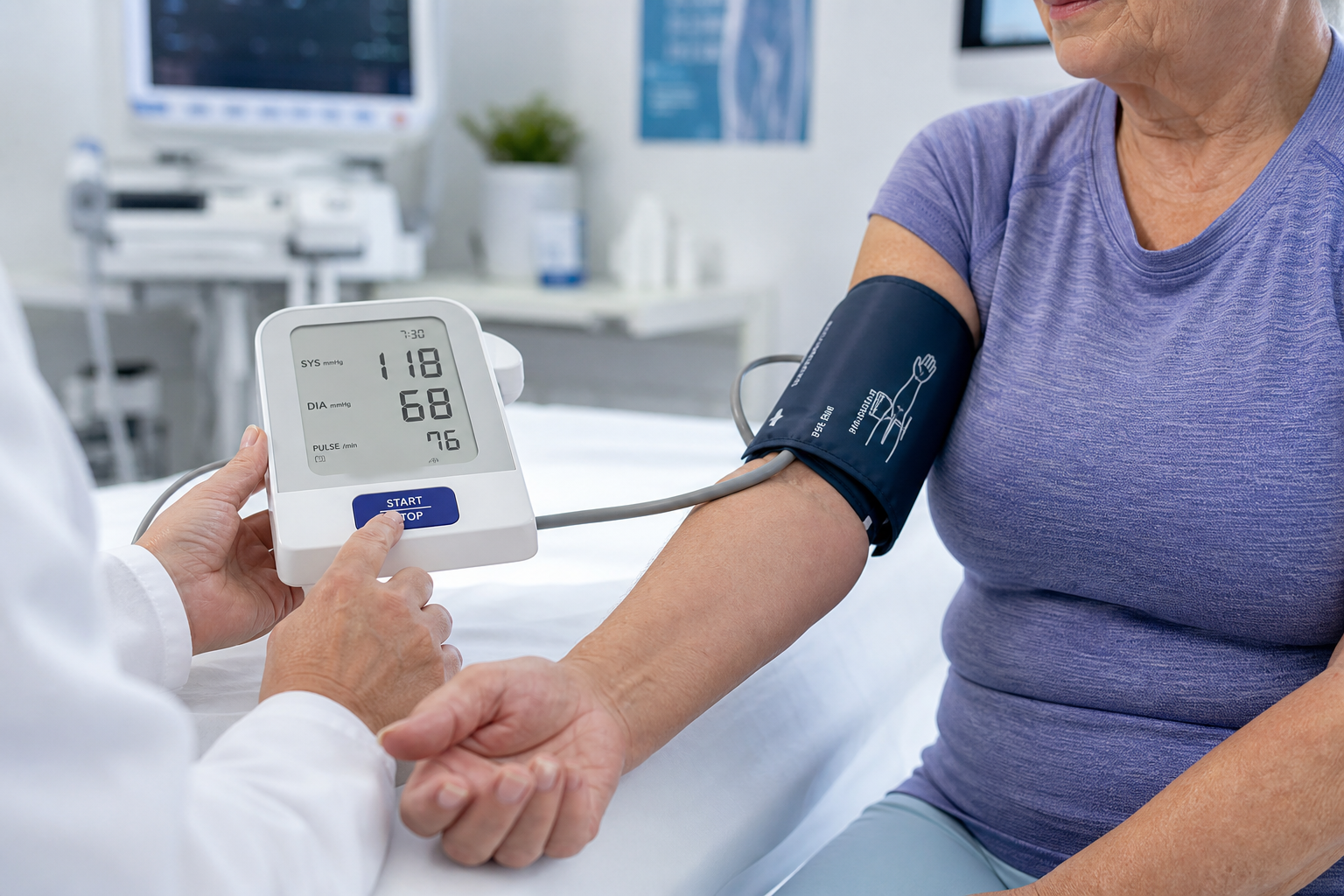
Uncontrolled or poorly controlled high blood pressure is a significant risk factor for exercise headaches in seniors. During exertion, systolic blood pressure can spike 40-60 points above resting values. If your resting pressure is already elevated (above 140/90), exercise spikes can reach dangerous levels that cause headaches, visual disturbances, and potentially stroke.
Blood pressure that’s well-controlled at rest can still spike excessively during exercise, especially during activities that involve straining, breath-holding, or heavy isometric contractions (like holding a plank or maxing out on a bench press). These spikes stretch blood vessels rapidly, triggering headaches and, in extreme cases, increasing stroke risk.
Some blood pressure medications control resting pressure effectively but don’t blunt exercise-induced spikes as well. Beta-blockers, for instance, limit how high your heart rate can climb during exercise, which indirectly limits blood pressure spikes. ACE inhibitors and calcium channel blockers work differently and may not provide the same protection during vigorous activity.
If you experience headaches during exercise, check your blood pressure before and after several workouts. Bring these numbers to your doctor. Medication adjustments often eliminate exercise headaches caused by blood pressure spikes.
A home blood pressure monitor is inexpensive (quality models run competitively priced-50) and easy to use. Take your resting measurement before you start, then measure again immediately after exercise and once more after a 10-minute cool-down. Track these numbers along with notes about headache intensity and duration. That data gives your doctor a much clearer picture than “I get headaches when I exercise.”
When to See a Doctor (Non-Emergency)
Not every exercise headache requires a 911 call, but recurring headaches during or after exercise deserve medical evaluation, especially if:
- Headaches started recently and you’ve never had them before with exercise.
- Headaches are getting worse over time or happening at lower intensities than they used to.
- Over-the-counter pain relievers don’t help or you find yourself taking them before every workout.
- Headaches last longer than a few hours after exercise ends.
- Headaches disrupt your ability to exercise consistently.
Your doctor can order imaging (MRI or CT scan) to rule out structural problems, check for vascular abnormalities, and review your medications for interactions or side effects that might contribute to headaches. In many cases, simple medication adjustments or blood pressure optimization resolve the problem entirely.
If your headaches turn out to be benign exertion headaches, your doctor might refer you to a neurologist for preventive medication or to a cardiologist for an exercise stress test to ensure your cardiovascular system is handling exertion safely.
Prevention Strategies

- Warm up for 10 minutes before any vigorous activity. Gradual intensity increases let your blood vessels adapt smoothly.
- Breathe properly. Never hold your breath during exertion (Valsalva maneuver). Exhale during the effort phase of each exercise.
- Avoid exercising in extreme heat. Heat dilates blood vessels and amplifies headache risk. Review summer exercise safety tips for detailed guidance.
- Cool down gradually over 5-10 minutes. Sudden stopping can cause rebound blood pressure changes that trigger headaches.
- Track your headaches. Note the type of exercise, intensity, food/water intake, time of day, and any medications taken. Patterns help identify the specific trigger.
Additional prevention measures that help many people:
Monitor intensity with a heart rate monitor. If headaches appear when you cross a certain heart rate threshold, that’s valuable data. You can train just below that threshold while you work with your doctor to address the underlying cause, then gradually push the threshold higher as the problem resolves. Fitness tracking apps can help you monitor these patterns.
Exercise at consistent times of day. Some people are more headache-prone in the early morning (dehydration after overnight fast, lower blood sugar) or late afternoon (accumulated stress and tension). If you notice a pattern, shift your workout time and see if headaches decrease.
Limit caffeine before exercise. Caffeine causes vasoconstriction (blood vessel narrowing) followed by rebound dilation when it wears off. That rebound can coincide with exercise-induced vasodilation, creating a perfect storm for headaches. If you’re a heavy coffee drinker and you exercise mid-morning (right when your first cup is wearing off), try exercising earlier or later and see if it helps.
Review your medications with your doctor. Some medications (nitrates for heart disease, some blood pressure drugs) cause vasodilation that might interact poorly with exercise-induced blood vessel changes. Your doctor might be able to adjust timing or switch to an alternative that’s less likely to trigger headaches.
Frequently Asked Questions
Should I stop exercising if I get frequent exercise headaches?
Don’t stop entirely, but reduce intensity while you investigate the cause. Switch to moderate walking or gentle yoga until you identify and address the trigger. If benign causes (dehydration, tension, intensity) are ruled out, your doctor may recommend a cardiac and neurological evaluation before resuming vigorous exercise.
Complete rest isn’t usually necessary or helpful. Gentle movement keeps your cardiovascular system conditioned and prevents the deconditioning spiral that makes returning to exercise even harder. Walking at a conversational pace, water aerobics, or tai chi are all low-intensity options that rarely trigger headaches while you troubleshoot the problem.
Can exercise headaches be prevented with medication?
For chronic benign exertion headaches, some doctors prescribe indomethacin (an NSAID) or a beta-blocker taken before exercise. These are effective for many people but should only be used under medical guidance, especially for seniors already on multiple medications.
Indomethacin works by reducing inflammation and preventing the vascular changes that trigger exertion headaches. Beta-blockers limit how high your heart rate and blood pressure can climb during exercise, which indirectly prevents headaches. Both approaches have side effects and potential drug interactions, so this isn’t something to try on your own.
Some people find that taking a standard dose of ibuprofen or naproxen 30-60 minutes before exercise prevents headaches without needing a prescription. If you’re considering this, run it past your doctor first. NSAIDs can interact with blood thinners, blood pressure medications, and other common drugs, and they carry stomach and kidney risks with regular use.
Are migraines triggered by exercise different from exertion headaches?
Yes. Exercise