Summer brings longer days and beautiful weather, but for older adults, exercising in the heat requires extra caution. Your body’s ability to regulate temperature changes with age, and certain medications can make you even more vulnerable to heat-related illness. That doesn’t mean you need to skip your daily walk or put your fitness routine on hold until fall.
With the right strategies and awareness, you can stay active all summer long while keeping yourself safe. Let’s explore what you need to know about exercising safely when temperatures climb.
Why Seniors Face Higher Heat Risks
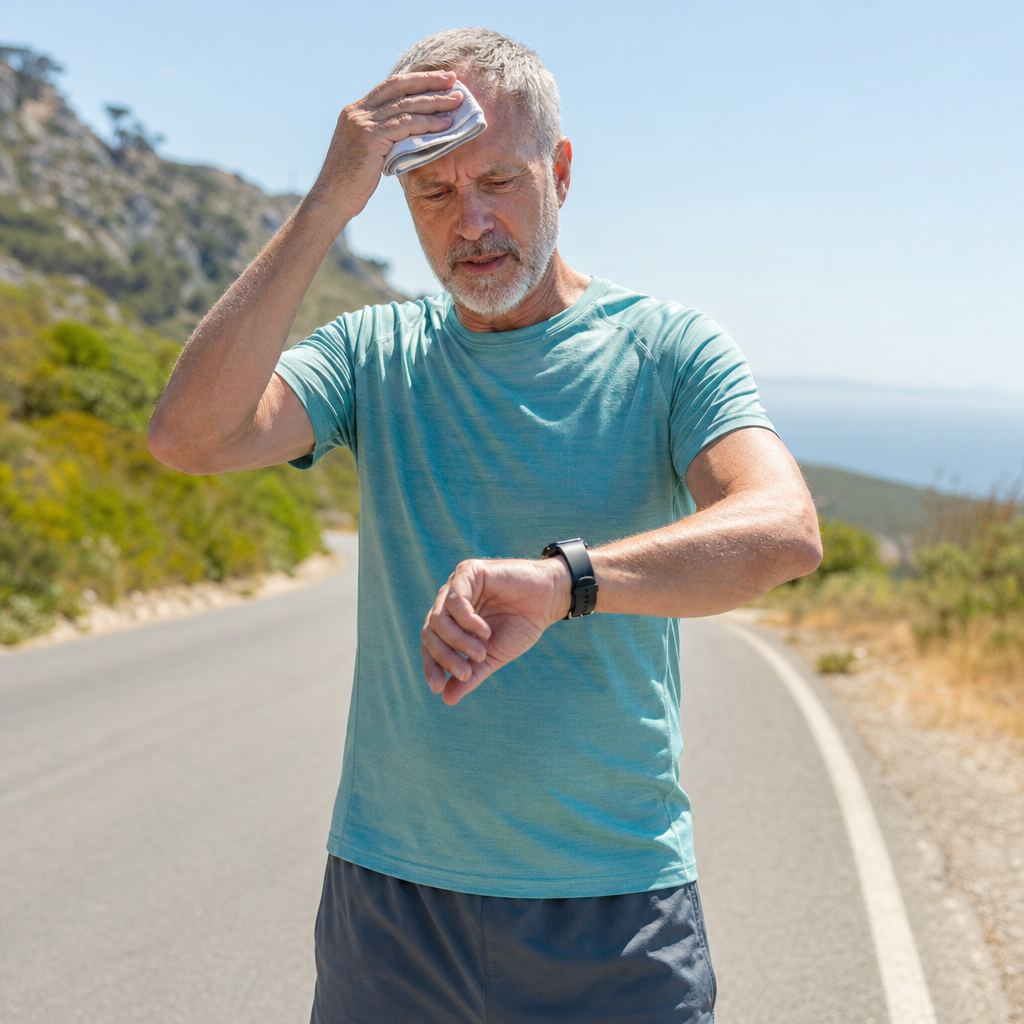
Your body becomes less efficient at cooling itself as you age. Sweat glands don’t work as effectively, and your circulation changes make it harder to adjust to temperature extremes. You might also notice you don’t feel thirsty as often, which increases dehydration risk.
Many common medications amplify these risks. Diuretics (water pills) can lead to faster fluid loss. Beta-blockers may slow your heart rate, limiting your body’s cooling response. Antihistamines can reduce sweating, while certain blood pressure medications affect how your blood vessels respond to heat.
Check with your doctor or pharmacist about your specific medications. They can tell you if any of your prescriptions increase heat sensitivity and whether you need to take extra precautions during summer workouts.
Best Times to Exercise in Summer
Timing makes a huge difference in how comfortable and safe your workout feels. Early morning before 10 AM offers the coolest temperatures and lowest UV exposure. Many seniors find this fits naturally with their schedule anyway.
Evening exercise after 6 PM works well too, once the sun starts dropping. Just give yourself at least an hour before bedtime so your core temperature can come down before sleep.
Avoid the danger zone between 11 AM and 4 PM when both heat and UV rays peak. Even if you feel fine initially, your body can overheat faster than you realize during these hours. Save indoor activities for this window instead.
Hydration Strategies That Actually Work
Drinking water only when you’re thirsty isn’t enough in summer. Your thirst response weakens with age, so you need a proactive approach. Start hydrating at least two hours before you exercise, drinking about 16 ounces of water.
During your workout, aim for 4-6 ounces every 15-20 minutes. Don’t chug it all at once. Sipping regularly helps your body absorb the fluid better. Keep a insulated water bottle handy so your water stays cool.
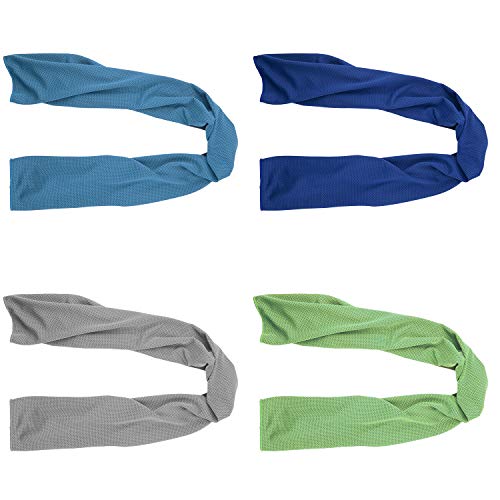
Cooling Towel for Neck
Perfect for draping around your neck during outdoor walks to lower your core temperature quickly.
For workouts longer than 45 minutes, consider drinks with electrolytes. You lose sodium, potassium, and other minerals through sweat. Plain water alone can actually dilute your electrolyte levels if you’re drinking large amounts. Coconut water, sports drinks, or electrolyte tablets all work well.
Weigh yourself before and after exercise during hot weather. For every pound lost, drink 16-20 ounces of fluid. This helps you gauge whether you’re replacing what you’re sweating out.
Recognizing Heat Exhaustion Early
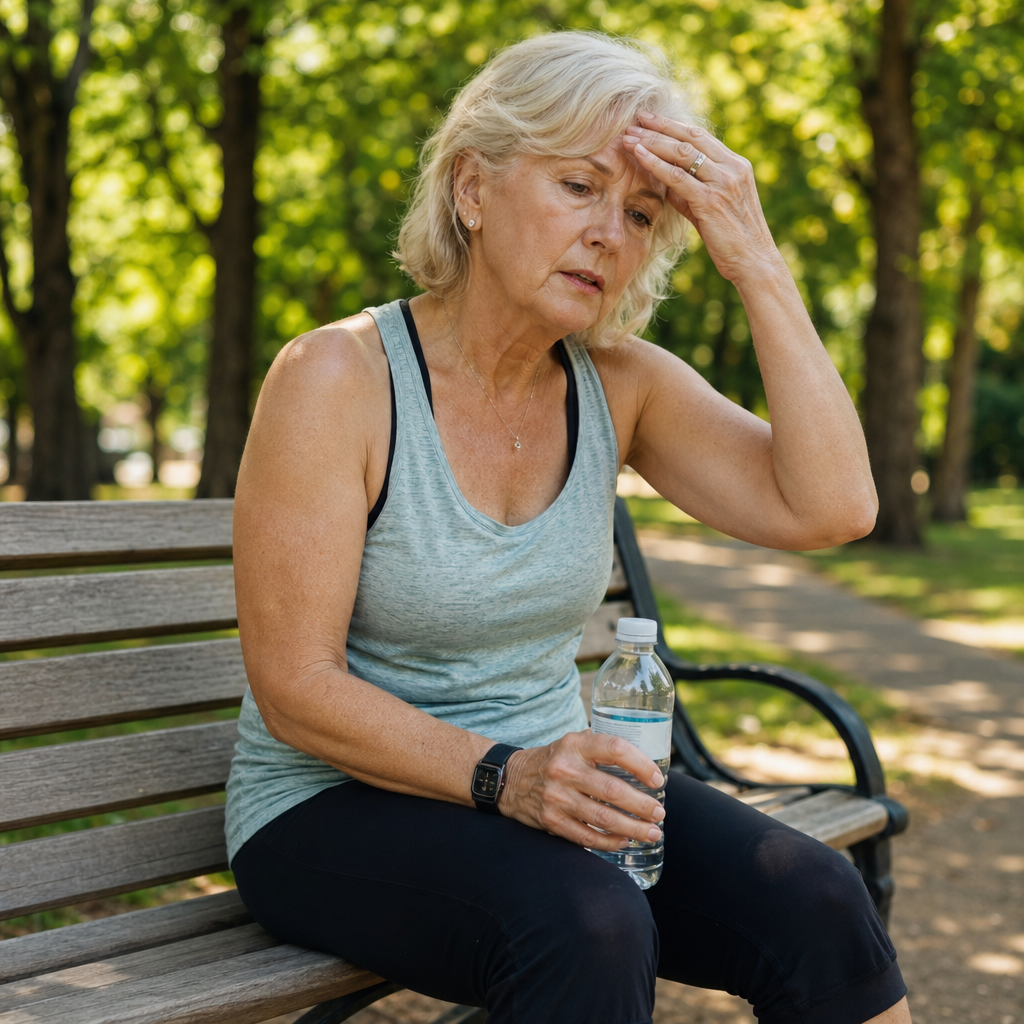
Heat exhaustion can sneak up on you, especially when you’re focused on finishing your walk or exercise routine. Learn the warning signs so you can respond quickly.
Early symptoms include heavy sweating, weakness, and dizziness. You might feel nauseated or develop a headache. Your skin may feel cool and clammy despite the heat. Some people experience muscle cramps in their legs or abdomen.
Stop exercising immediately if you notice any of these signs. Move to shade or air conditioning right away. Drink cool fluids slowly and loosen any tight clothing. Apply cool, wet cloths to your neck, forehead, and wrists.
Heat stroke is the dangerous next stage. Confusion, rapid pulse, and hot, dry skin signal a medical emergency. Your body has stopped sweating entirely. Call 911 if you or someone else shows these symptoms.
Indoor Exercise Alternatives
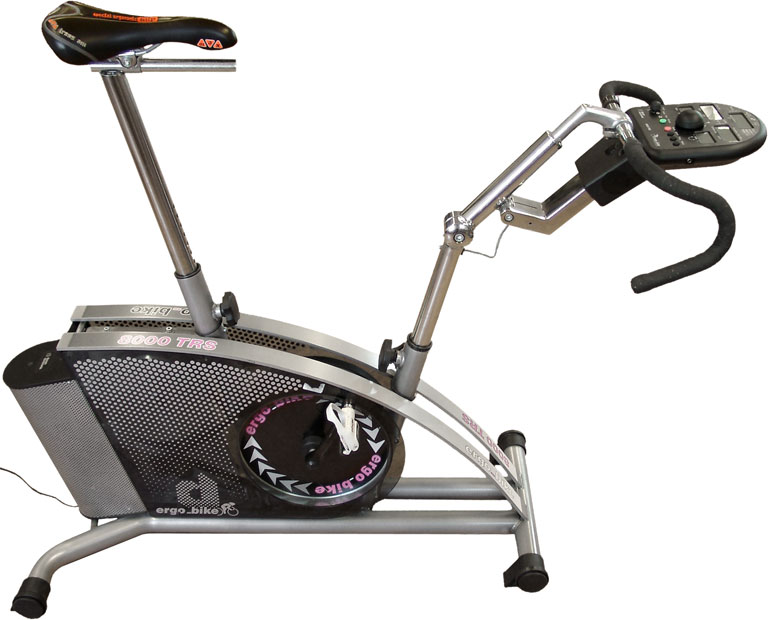
Some days are simply too hot for outdoor activity, even early or late. Air-conditioned indoor options keep you moving safely when temperatures soar above 90°F or when your local weather service issues heat advisories.
Mall walking provides a climate-controlled environment with smooth, flat surfaces. Many malls open early specifically for walkers. You’ll often find a community of regular morning walkers who make it social.
Community centers and senior centers typically offer air-conditioned exercise rooms and classes. Swimming pools provide excellent low-impact workouts while keeping you naturally cool. Water aerobics classes combine cardio, strength, and balance training.
Home workouts work perfectly on extremely hot days. Chair exercises, resistance bands, and yoga require minimal space. Online classes designed for seniors give you structure and variety. Just make sure your AC is running or you have good ventilation with fans.
Clothing and Cooling Products
What you wear makes a noticeable difference in how your body handles heat. Choose light-colored, loose-fitting clothing that reflects rather than absorbs sunlight. Dark colors trap heat and make you work harder to stay cool.
Look for fabrics specifically designed to wick moisture away from your skin. Cotton feels comfortable initially but holds sweat against your body. Modern moisture-wicking materials pull perspiration to the outer surface where it evaporates. Breathable athletic shirts made from polyester blends or specialized fabrics work better for summer exercise.

Wide Brim Sun Hat with Neck Flap
Provides crucial shade for your face and neck while protecting against harmful UV rays during outdoor activities.
A good sun hat with UPF protection shields your head and face. Wide brims work better than baseball caps because they shade your neck too. Some styles include neck flaps for extra coverage.
Cooling towels activate when wet and provide instant temperature relief. Drape one around your neck or wrists where blood vessels run close to the skin. Handheld fans create personal airflow during outdoor breaks.
Don’t forget sunscreen with SPF 30 or higher. Apply it 15-30 minutes before heading outside and reapply every two hours. Sunburn impairs your skin’s ability to cool itself and increases dehydration risk.
Adjusting Intensity for Hot Weather
Your usual workout routine needs modification when temperatures rise. Your heart rate increases faster in heat, and your perceived exertion level climbs even if you’re moving at your normal pace.
Reduce your intensity by about 10-20% on hot days. Walk slightly slower, take more breaks, or shorten your distance. You’re still getting health benefits without pushing your body into dangerous territory.
Use the talk test to gauge appropriate effort. You should be able to speak in short sentences without gasping. When the weather’s hot, aim for the easier end of this range.
Build in rest breaks every 10-15 minutes. Find shaded spots along your route where you can pause, drink water, and let your heart rate come down. There’s no prize for pushing through when conditions are challenging.
Frequently Asked Questions
How much water should I drink before exercising in summer heat?
Drink 16 ounces of water about two hours before your workout, then another 8 ounces about 15-30 minutes before you start. Continue sipping 4-6 ounces every 15-20 minutes during exercise. Your urine should be pale yellow. Dark urine signals dehydration and means you need to drink more.
Can I exercise outside if I take blood pressure medication?
Many people on blood pressure medication can exercise outdoors safely with precautions, but you need to talk with your doctor first. Some blood pressure drugs affect how your body regulates temperature. Your doctor might suggest exercising during cooler hours, reducing intensity, or switching to indoor activities on very hot days. Never stop or adjust medication on your own.
What’s the difference between heat exhaustion and heat cramps?
Heat cramps are painful muscle spasms, usually in your legs or abdomen, caused by electrolyte loss through sweating. They’re often the first warning sign. Heat exhaustion is more serious and includes heavy sweating, weakness, dizziness, nausea, and clammy skin. Stop exercising if you experience either condition, move to a cool place, and hydrate. Heat cramps typically respond to rest and fluids with electrolytes, while heat exhaustion requires more careful monitoring and possibly medical attention.
This article contains affiliate links. We may earn a small commission at no extra cost to you.