You exercise regularly, eat reasonably well, and get what feels like enough sleep. Yet you’re exhausted. Not the pleasant tiredness after a good workout, but a persistent, heavy fatigue that doesn’t fully lift no matter how much you rest. Chronic fatigue in active seniors is a signal that something in your exercise-recovery equation is out of balance, and it’s important to identify whether the cause is training-related, medical, or a combination of both.
This isn’t about pushing through. That approach backfires when the underlying problem is your body asking for adjustments you haven’t made yet. The solution starts with accurate diagnosis: is this overtraining, a medical issue, or both working together? Then you adjust accordingly.
Is It Overtraining or Something Else?

Signs of Overtraining
If your fatigue is exercise-related, you’ll likely notice several of these patterns together:
- Performance decline (weights that were manageable feel heavier; walking pace has slowed)
- Persistent muscle soreness lasting more than 72 hours after workouts
- Resting heart rate elevated 5-10 beats above your normal baseline
- Mood changes: irritability, loss of motivation, feeling “flat”
- Frequent minor illnesses (colds, sore throats)
- Sleep disruption despite feeling exhausted
- Loss of appetite
- Workouts that used to feel challenging but achievable now feel impossible to complete
The key distinction: overtraining fatigue worsens with continued exercise and improves with rest. If a full week of reduced activity significantly improves your energy, overtraining is the likely cause.
Pay attention to the pattern of when fatigue hits hardest. Overtraining fatigue is often worst in the morning and may improve slightly as the day progresses, but you still hit a wall if you try to exercise. Medical fatigue can follow different patterns depending on the cause.
Medical Causes to Rule Out
Chronic fatigue that doesn’t improve with rest, or that appeared independently of exercise changes, may have a medical cause. Common culprits in seniors include:
Anemia: Low hemoglobin reduces oxygen delivery to muscles. A simple CBC blood test identifies it. Women who are post-menopausal can still develop anemia from inadequate dietary iron, chronic inflammation, or gastrointestinal blood loss (sometimes from regular NSAID use for joint pain). Men can develop anemia from the same GI causes. If you’re fatigued and also notice you’re pale, short of breath with minimal exertion, or have unusually rapid heart rate during activity, anemia is worth checking.
Thyroid dysfunction: Hypothyroidism (underactive thyroid) causes fatigue, weight gain, and exercise intolerance. A TSH blood test screens for it. Thyroid issues become more common with age, particularly in women. If your fatigue is accompanied by cold sensitivity, constipation, dry skin, or unexplained weight gain despite no change in eating, ask for thyroid testing.
Diabetes/prediabetes: Blood sugar fluctuations produce energy crashes. A fasting glucose and HbA1c identify the issue. If you notice you’re especially tired after meals, thirsty more often, or urinating more frequently, blood sugar issues may be contributing to your fatigue. For more information on exercise and blood sugar management, see our guide on managing diabetes through exercise.
Heart failure: Even mild heart failure can cause exercise fatigue disproportionate to the effort. Shortness of breath, ankle swelling, and rapid fatigue during low-intensity activity are warning signs. If you’re exhausted after climbing one flight of stairs when you used to handle three without trouble, or if you wake up short of breath at night, get evaluated promptly.
Depression: Fatigue is a core symptom of depression, which is common and underdiagnosed in seniors. Depression doesn’t always present as sadness. Sometimes it shows up as loss of interest in activities you used to enjoy, changes in sleep and appetite, difficulty concentrating, or a general flatness. Exercise typically helps depression, but severe fatigue can be both a symptom and a barrier to staying active.
Sleep apnea: Undiagnosed sleep apnea means you’re not getting restorative sleep regardless of hours in bed. Snoring, morning headaches, and daytime drowsiness are clues. Your bed partner may notice you stop breathing briefly during sleep. Weight gain increases sleep apnea risk, but thin people can have it too. If you wake up feeling like you didn’t sleep despite being in bed for eight hours, get screened.
Medication side effects: Beta-blockers, statins, antihistamines, and many other common medications cause fatigue. Beta-blockers (used for blood pressure and heart conditions) blunt your heart rate response during exercise and can make you feel slower and more tired. Statins occasionally cause muscle fatigue and weakness. If your fatigue started shortly after a new medication or dose change, that’s a strong clue.
Chronic inflammation: Conditions like rheumatoid arthritis, polymyalgia rheumatica, or other inflammatory disorders produce systemic fatigue. If you have joint pain, stiffness (especially in the morning), or unexplained muscle aches along with your fatigue, inflammatory conditions should be ruled out. Our anti-inflammatory foods guide can help support your overall inflammation management.
If overtraining doesn’t fit (your exercise hasn’t increased recently and rest doesn’t help), see your doctor for blood work and a medical evaluation before adjusting your training. Bring a list of all medications and supplements you take. Be specific about when the fatigue started, what makes it better or worse, and what other symptoms you’ve noticed.
Recovery Strategies for Overtraining
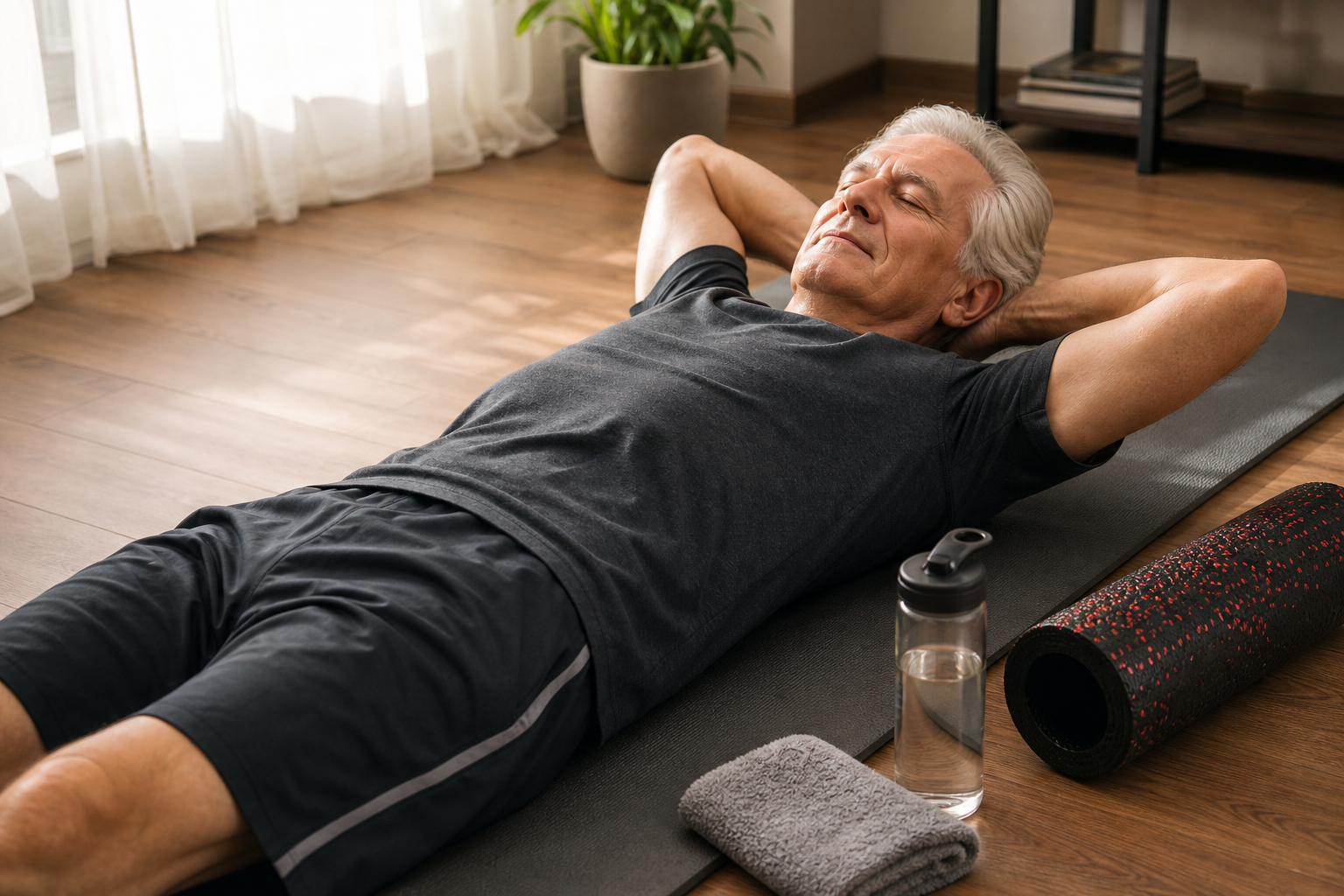
If your fatigue pattern points to overtraining, these adjustments typically restore energy within two to four weeks.
The Deload Week
Reduce your exercise volume (sets, reps, duration) and intensity (weight, speed, resistance) by 50% for one full week. Walk half your usual distance at a slower pace. Lift half your usual weight for fewer sets. This isn’t a vacation from exercise; it’s a strategic recovery phase that allows your body to repair the accumulated damage from weeks of training.
Here’s what a deload looks like in practice: if you normally walk 45 minutes at a brisk pace four days per week, walk 20-25 minutes at an easy conversational pace instead. If you do three sets of 10 reps on your strength exercises with 20-pound dumbbells, do two sets of 8 reps with 10-pound dumbbells. If you attend two yoga classes per week, go to one gentle or restorative class instead of your usual flow class.
After the deload week, return to your regular program. If fatigue returns within two weeks, your regular program is too much. Reduce your ongoing volume by 20-30% permanently. That might mean dropping from five training days to four, or reducing each session from 60 minutes to 45 minutes.
Prioritize Sleep
Sleep is when your body does the majority of its repair work. Growth hormone release, muscle protein synthesis, and immune system restoration all peak during deep sleep. If you’re training hard but sleeping poorly, you’re tearing your body down without building it back up.
Target 7-8 hours nightly. Quality matters as much as quantity. A bedroom that’s too warm disrupts deep sleep; aim for 65-68 degrees. Light exposure (from screens, streetlights, or a bed partner’s reading lamp) suppresses melatonin production. Blackout curtains or an eye mask can help.
If you wake frequently to use the bathroom, stop drinking fluids two hours before bed and limit caffeine after noon. Alcohol may help you fall asleep but fragments sleep quality later in the night, so if you drink, do it earlier in the evening.
If sleep quality is an issue, a magnesium glycinate supplement (200-400 mg before bed) supports both muscle recovery and sleep onset. Magnesium glycinate is better absorbed and less likely to cause digestive upset than magnesium oxide. Start with 200 mg to see how you respond.
Daytime naps can help if you’re truly sleep-deprived, but keep them under 30 minutes and finish them by mid-afternoon. Longer or later naps can interfere with nighttime sleep.
Increase Protein and Caloric Intake
Many seniors undereat relative to their exercise output. If you’re burning 200-400 extra calories per day through exercise but haven’t increased your food intake, you’re running a caloric deficit that impairs recovery. This is especially common if you’re trying to lose weight while staying active. Modest caloric deficits (200-300 calories per day) are fine, but larger deficits combined with hard training create a recovery hole you can’t climb out of.
Protein needs increase with age and activity level. Aim for 25-35 grams of protein per meal, not just at dinner. If you train in the morning, eat a protein-rich breakfast afterward. Greek yogurt with nuts, eggs with whole-grain toast, or a protein smoothie all work. Our 7-day high-protein meal prep guide can help you plan your nutrition around your training schedule.
Add a protein-rich snack (25-30 grams of protein) within 60 minutes of exercise and ensure you’re eating enough total calories to support your activity level. If your weight is dropping unintentionally or you’ve lost more than 5 pounds in a month, you’re undereating. For more guidance on balancing nutrition with fitness goals, check out our article on safe weight loss while maintaining muscle.
Don’t fear carbohydrates if you’re active. Your muscles need glycogen (stored carbohydrate) to fuel workouts and recover afterward. Include starchy vegetables, whole grains, or fruit with most meals if you’re training regularly.
Add Active Recovery Days
Replace one or two hard training days per week with active recovery: gentle walking (15-20 minutes at an easy pace), light stretching, or gentle yoga. These sessions increase blood flow to recovering muscles without adding exercise stress. Your weekly schedule should alternate hard and easy days, never stacking two hard sessions back-to-back.
Active recovery feels almost too easy. That’s the point. You should be able to carry on a conversation effortlessly throughout. Your heart rate stays low. There’s no burning sensation in your muscles. You finish feeling slightly more energized, not tired.
If you do water-based activities, swimming or water walking at a relaxed pace counts as active recovery. The water supports your joints while gentle movement promotes circulation. You might also consider our gentle foam rolling techniques as part of your recovery routine.
Hydration and Electrolyte Balance
Dehydration amplifies fatigue and slows recovery. Seniors often have a diminished thirst response, so you can’t rely on feeling thirsty as your guide. Aim for pale yellow urine as your hydration target.
If you sweat heavily during exercise or live in a hot climate, plain water may not be enough. You need to replace sodium, potassium, and other electrolytes lost in sweat. Low sodium can cause fatigue, weakness, and muscle cramps. Consider an electrolyte drink (low-sugar options are fine) or add a pinch of salt to your post-workout meal. For more information on exercising in warm conditions, see our hot weather workout safety guide.
Long-Term Adjustments for Sustainable Energy

Once you’ve recovered from the immediate fatigue, these principles help prevent recurrence.
Follow the hard-easy principle: Never do two high-intensity sessions on consecutive days. Alternate strength days with walking days, hard days with easy days. A strength training session counts as hard. A high-intensity interval workout counts as hard. A long hike with significant elevation gain counts as hard. If you did any of those yesterday, today should be easy or rest.
Cap weekly training at 4-5 sessions for most seniors. Daily exercise is fine if half your sessions are genuinely easy (walking, stretching, gentle yoga). Daily hard sessions are unsustainable after 60. Your body needs more recovery time than it did at 40. That’s not weakness; it’s physiology. Adaptation happens during recovery, not during the workout itself.
Build in a deload week every 4-6 weeks. Proactive recovery prevents the reactive crash that forces you to take extended time off. Think of it as scheduled maintenance. Mark it on your calendar. It’s not optional if you want to keep training long-term without forced breaks from injury or exhaustion.
Track your fatigue. Rate your energy level each morning on a 1-10 scale (1 = can barely get out of bed, 10 = feel great and energized). Write it down or use a simple app. If the average drops below 5 for a week, reduce training volume before symptoms worsen. If it stays at 3 or below for more than a few days despite backing off, see your doctor. Consider using one of the fitness tracking apps designed for seniors to monitor your recovery patterns.
Adjust for life stress. Your body doesn’t distinguish between exercise stress and life stress. Both draw from the same recovery resources. If you’re dealing with a family crisis, a move, illness in the family, or other major stressors, your exercise capacity temporarily drops. Scale back training during high-stress periods. You can ramp back up when life calms down.
Consider training age, not just chronological age. If you started exercising recently after decades of inactivity, your training age is low regardless of your chronological age. Someone who is 70 but has been active for 40 years can typically handle more training volume than someone who is 65 but only started exercising a year ago. Be honest about where you are.
Warm up longer and cool down properly. Older bodies need more preparation time before hard efforts and more transition time afterward. A five-minute warm-up that felt adequate at 45 may not be enough at 65. Spend 8-10 minutes on your warm-up, gradually increasing intensity. Similarly, don’t stop abruptly after a hard session. Walk slowly for five minutes to let your heart rate come down gradually.
Frequently Asked Questions
How do I tell the difference between normal tiredness and overtraining?
Normal post-exercise tiredness resolves within 24 hours and doesn’t affect your daily function. You might feel pleasantly tired that evening, but the next morning you feel fine. Overtraining fatigue persists for days, reduces your exercise performance, disrupts sleep, and affects your mood and motivation. If you dread your next workout (instead of looking forward to it or being neutral), you’re probably overtrained.
Another clue: normal tiredness doesn’t come with performance decline. You may be tired, but your numbers (pace, weight lifted, reps completed) stay consistent. Overtraining shows up as declining numbers even when you feel like you’re trying just as hard.
Can I overtrain from walking alone?
Yes, if the walking volume or intensity exceeds your current recovery capacity. Walking 60 minutes daily may be too much for a senior who was recently sedentary, has joint issues, or is nutritionally depleted. Over