Staying active as you age requires more than just exercise. Your body needs quality fuel to maintain muscle mass, energy levels, and overall health. Protein becomes especially important after 60, but preparing nutritious meals every day can feel overwhelming. A strategic meal prep routine solves this problem beautifully.
This 7-day plan takes the guesswork out of eating well. You’ll prepare most of your meals in one or two sessions, ensuring you always have protein-rich, nutritious food ready when you need it. Each recipe focuses on simplicity, flavor, and the specific nutritional needs of active seniors.
Your Complete Grocery List
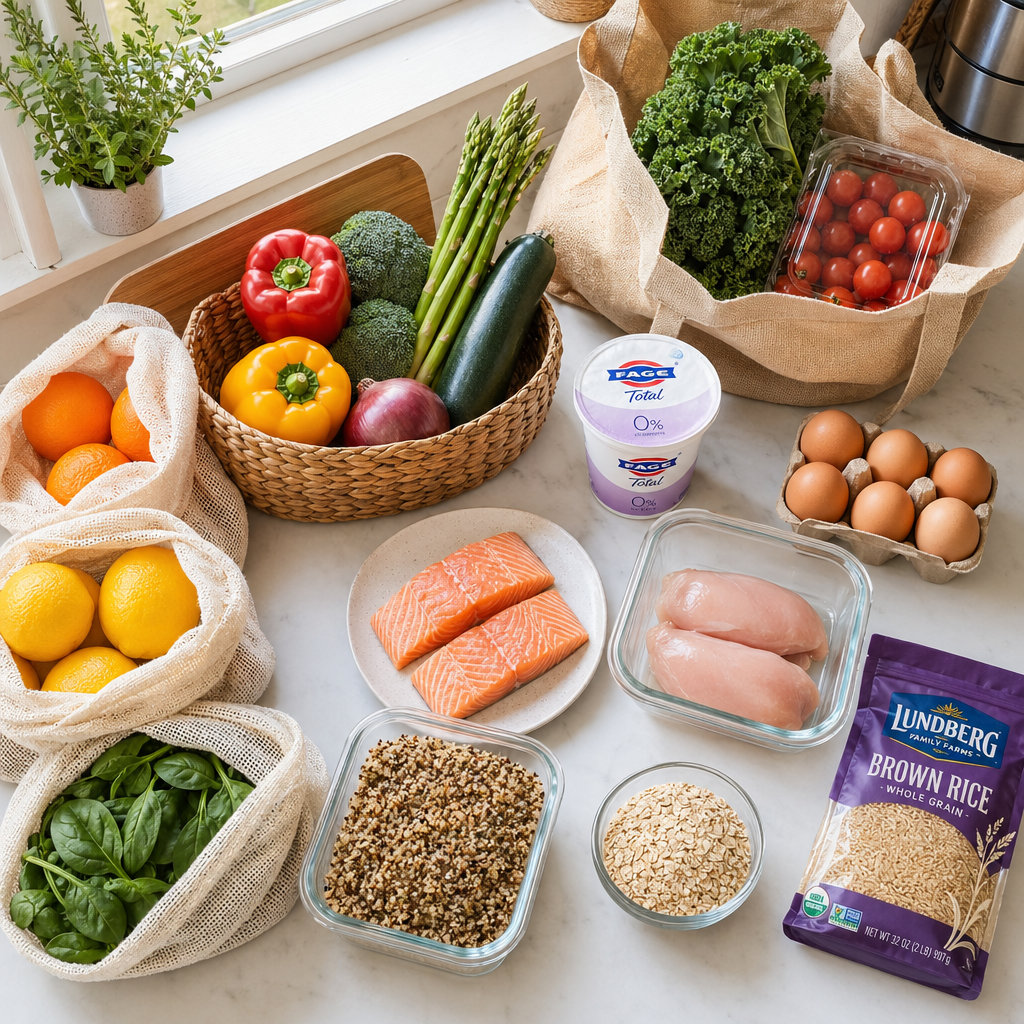
Proteins: 2 lbs boneless chicken breast, 1.5 lbs salmon fillets, 2 lbs lean ground turkey, 1 dozen eggs, 2 containers plain Greek yogurt (32 oz total), 1 block firm tofu (14 oz)
Vegetables: 2 lbs broccoli florets, 1 lb baby spinach, 2 bell peppers, 2 lbs sweet potatoes, 1 lb cherry tomatoes, 1 cucumber, 3 zucchini, 1 bag baby carrots
Grains & Legumes: 2 cups brown rice, 1 lb quinoa, 2 cans black beans (low-sodium), 1 can chickpeas (low-sodium), whole grain bread
Dairy & Alternatives: 1 lb low-fat cottage cheese, 8 oz feta cheese, unsweetened almond milk
Pantry Items: Olive oil, balsamic vinegar, low-sodium soy sauce, garlic, ginger, lemon, mixed herbs and spices
Quality glass meal prep containers make storing these meals much easier. They’re microwave-safe, dishwasher-friendly, and keep food fresh longer than plastic alternatives.

Glass Meal Prep Containers Set
Durable containers that keep your prepared meals fresh and are easy to reheat
The 7-Day Meal Plan
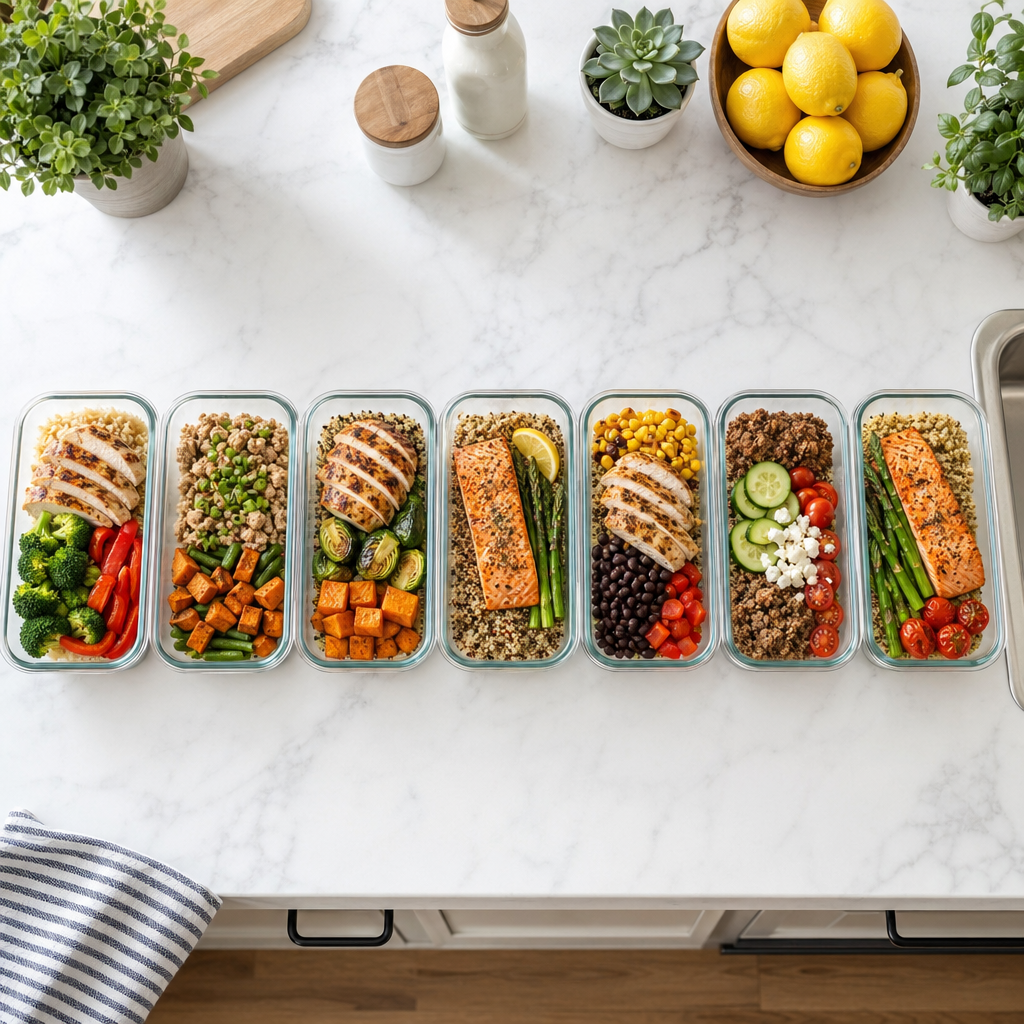
Monday: Mediterranean Chicken Bowl
Breakfast: Greek yogurt with berries and 2 tablespoons almonds (20g protein)
Lunch: Grilled chicken breast (4 oz) with quinoa, cherry tomatoes, cucumber, and feta (35g protein)
Dinner: Baked salmon (5 oz) with roasted broccoli and sweet potato (38g protein)
Snack: Cottage cheese with sliced vegetables (15g protein)
Tuesday: Turkey and Bean Fiesta
Breakfast: Veggie omelet with 2 eggs and spinach (14g protein)
Lunch: Ground turkey and black bean bowl with brown rice and bell peppers (32g protein)
Dinner: Grilled chicken with zucchini noodles and marinara (36g protein)
Snack: Hard-boiled egg and baby carrots (6g protein)
Wednesday: Asian-Inspired Day
Breakfast: Cottage cheese pancakes with fresh berries (18g protein)
Lunch: Teriyaki salmon (4 oz) with brown rice and steamed broccoli (34g protein)
Dinner: Stir-fried tofu with mixed vegetables over quinoa (24g protein)
Snack: Greek yogurt with walnuts (16g protein)
Thursday: Comfort Food Classics
Breakfast: Scrambled eggs with whole grain toast and avocado (16g protein)
Lunch: Turkey meatballs with marinara and roasted vegetables (30g protein)
Dinner: Baked chicken breast with quinoa pilaf and green beans (38g protein)
Snack: Protein smoothie with Greek yogurt and banana (20g protein)
Looking for more protein shake recipes to enhance your post-workout recovery? Homemade smoothies can be a convenient way to boost your daily protein intake.
Friday: Light and Fresh
Breakfast: Greek yogurt parfait with granola (22g protein)
Lunch: Chickpea salad with grilled chicken and balsamic vinaigrette (36g protein)
Dinner: Pan-seared salmon with roasted sweet potato and asparagus (36g protein)
Snack: Cottage cheese with cucumber slices (14g protein)
This day provides plenty of opportunities for high-protein, high-fiber breakfast options that keep you satisfied and energized throughout the morning.
Weekend: Saturday & Sunday
Repeat your favorite meals from the week or mix and match components. The weekend also provides flexibility for social meals while having healthy backup options ready.
Prep Day Instructions
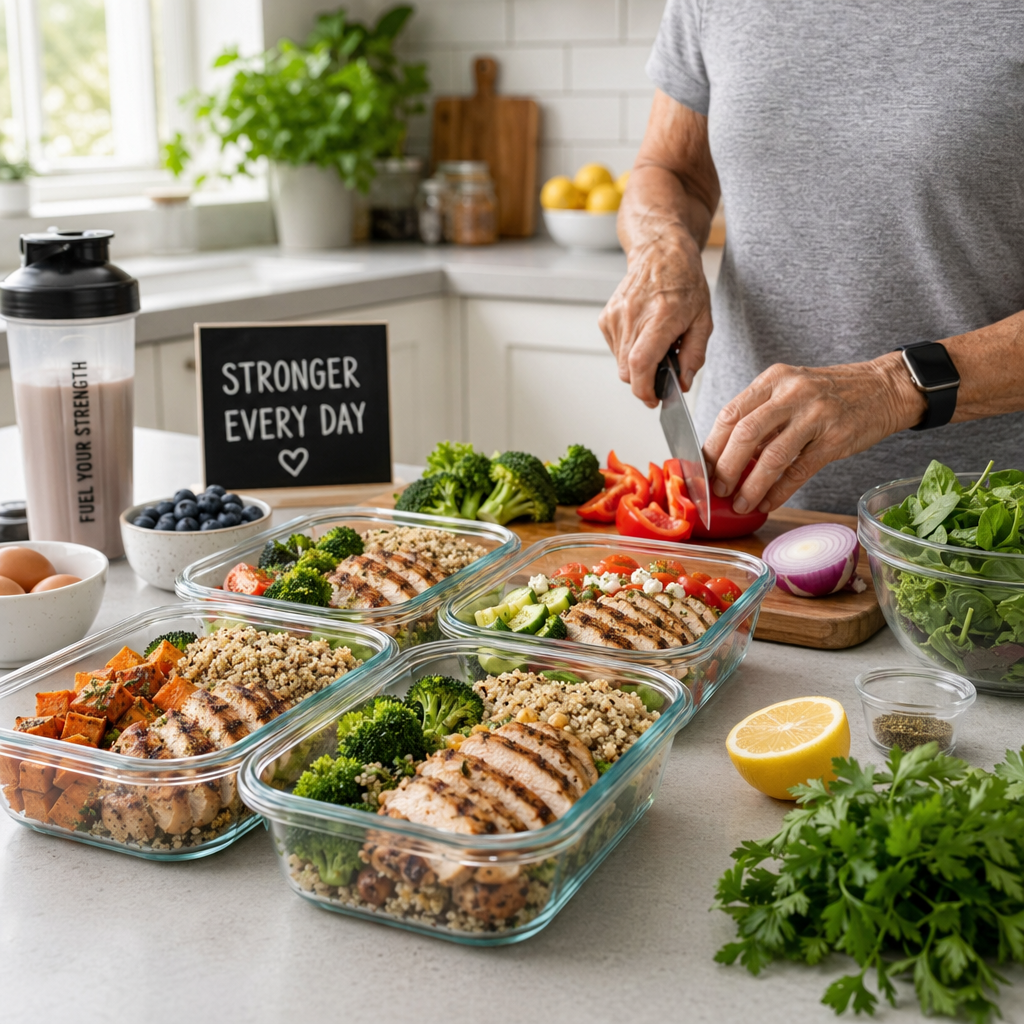
Set aside 2-3 hours on Sunday for your main prep session. Start by cooking your grains: prepare all rice and quinoa in one batch. While grains cook, season and bake your chicken breasts and salmon fillets at 375°F for 20-25 minutes.
Wash and chop all vegetables, storing them in separate containers. Roast sweet potatoes and other root vegetables together. Hard-boil a half dozen eggs for quick snacks. Portion your proteins into 4-5 oz servings immediately after cooking.
A reliable digital food scale helps you portion proteins accurately, ensuring you meet your daily protein targets without overeating.

Digital Kitchen Food Scale
Essential for accurate protein portioning and meeting your nutritional goals
Store cooked proteins separately from vegetables and grains for the first 2-3 days. Assemble meals fresh to maintain texture and flavor. For days 4-7, you can pre-assemble complete meals.
Dietary Adaptations
Low-Sodium: Skip added salt and use herbs, lemon juice, and salt-free seasoning blends. Choose no-salt-added canned goods. Your taste buds will adjust within 2-3 weeks.
Diabetic-Friendly: Replace sweet potatoes with cauliflower rice or additional non-starchy vegetables. Reduce grain portions by half and increase protein and healthy fats. Monitor blood sugar response and adjust accordingly.
Texture Modifications: Cook vegetables until very tender. Shred or dice proteins into smaller pieces. Add moisture with low-sodium broth or Greek yogurt-based sauces.
Many of these modifications align with principles found in an anti-inflammatory approach to eating, which can support overall health and recovery for active seniors.
Frequently Asked Questions
How much protein do active seniors really need?
Active adults over 60 should target 1.0-1.2 grams of protein per kilogram of body weight daily. For a 150-pound person, this translates to roughly 68-82 grams per day. This plan provides 90-110 grams daily, supporting muscle maintenance and recovery from physical activity. Spread protein intake across all meals for optimal absorption.
Understanding how protein and exercise work together to preserve muscle mass is crucial for staying strong and independent as you age.
How long will these prepared meals stay fresh?
Cooked proteins stay fresh in the refrigerator for 3-4 days when stored properly. Keep meals in airtight containers and maintain your refrigerator temperature at or below 40°F. If you want to extend freshness, consider freezing portions for later in the week. Most of these meals freeze well for up to 3 months.
Related Articles
- How to Maintain Muscle Mass After 70: Protein and Exercise Guide
- Best High-Protein High-Fiber Breakfast Ideas to Kickstart Your Day
- Banana Boost: 10 Healthy Banana Protein Shake Recipes for Post-Workout
- Anti-Inflammatory Diet for Active Seniors