Walking pace is one of those things everyone seems to have an opinion about, but the honest answer is that speed matters less than effort. A pace that gets one person’s heart rate up nicely might barely register for someone who walks daily, while it could feel like a sprint to someone just getting started. Instead of chasing a specific number on a treadmill display, you’re better off learning how to gauge your own effort and building pace gradually from there.
Forget the Universal Number, Use Effort Instead
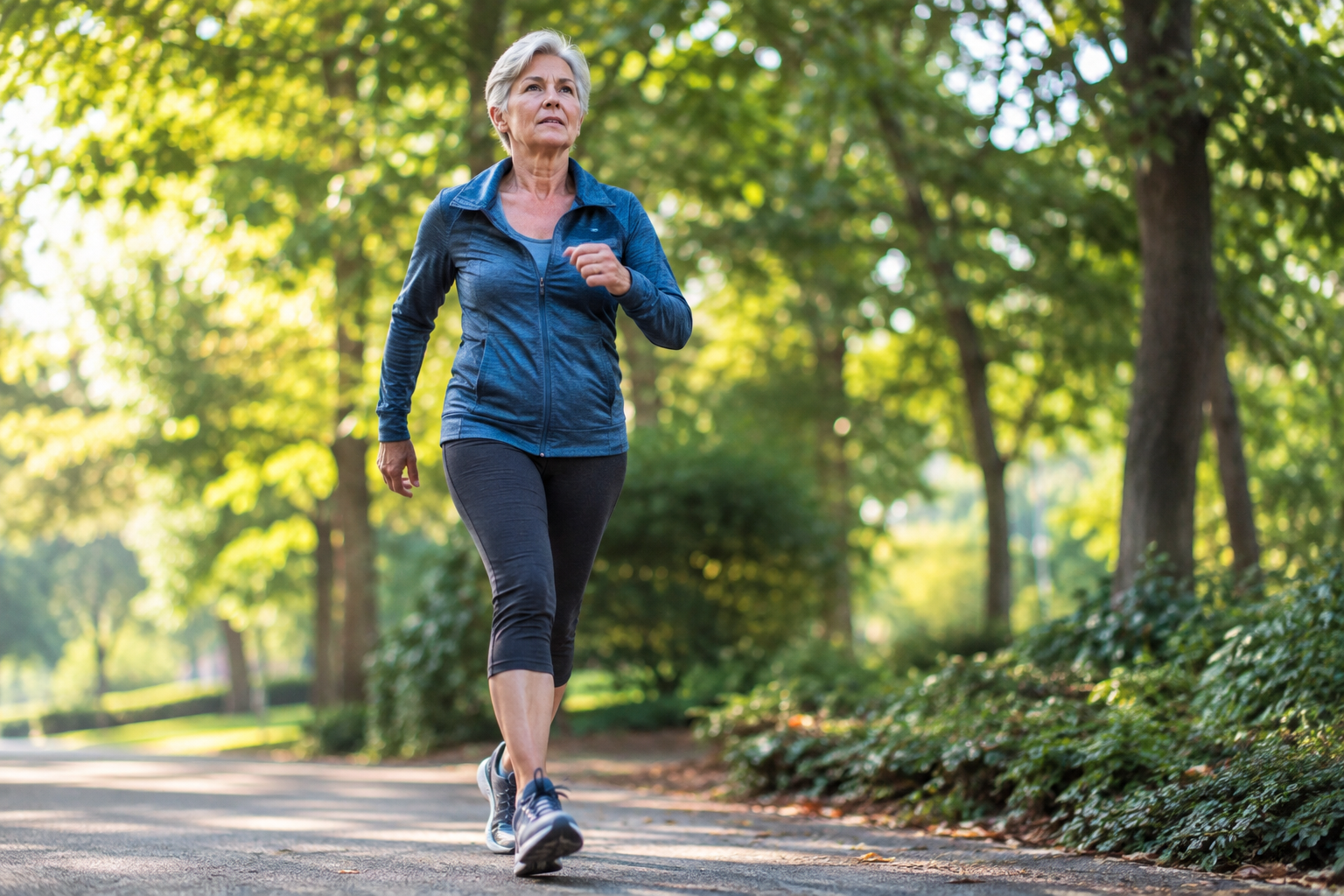
You’ll see plenty of charts claiming seniors should walk at exactly 3 miles per hour, or hit a certain number of steps per minute. These numbers can be useful as a rough reference, but they ignore huge differences in fitness level, joint health, and what someone is training for.
A better approach is the talk test. If you can chat comfortably in full sentences while walking, you’re at a light to moderate pace. If you can talk but need to pause for breath between sentences, you’re in a solid moderate-intensity zone, which is what most health guidelines actually recommend for cardiovascular benefit. If you can barely get a few words out, you’ve drifted into vigorous territory, which is fine for short bursts but not something to sustain for a long walk unless your doctor has cleared you for it.
Rate of perceived exertion works the same way. On a scale of 1 to 10, where 1 is sitting still and 10 is an all-out sprint, most seniors should aim for a 4 to 6 during regular walks. That’s noticeably working, breathing harder than normal, but not gasping.
How Pace Should Change Over Time
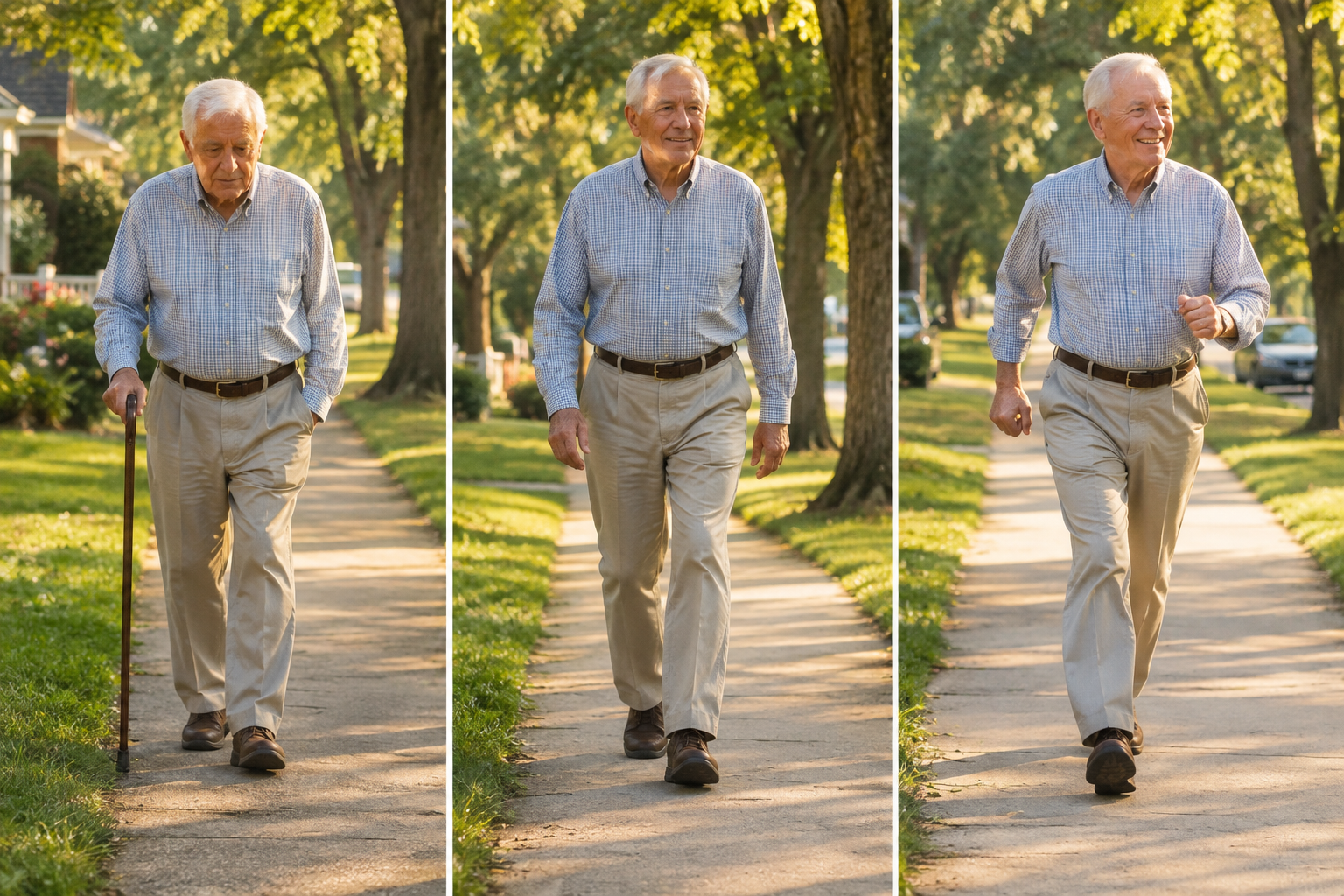
Your walking pace shouldn’t stay frozen at whatever speed feels comfortable in week one. Progression is what turns walking from a pleasant habit into an actual fitness tool.
Start by paying attention to how long you can maintain a moderate effort before you need to slow down. If that’s five minutes right now, that’s your starting point, not a failure. Add time before you add speed. Once you can sustain 20 to 30 minutes at a moderate effort without needing to stop, that’s usually the signal to start pushing pace a little, either through short faster intervals or by gradually raising your baseline speed over several weeks.
Interval-style walking works well for a lot of seniors because it lets you experience a faster pace in small, manageable doses. Try walking at your normal pace for three minutes, then picking it up to a brisker pace you can hold for one minute, then returning to normal. Repeat that four or five times. It’s a lower-pressure way to build speed than trying to hold a faster pace for an entire walk.
If joint pain limits how fast you can comfortably move, footwear matters more than most people realize. A pair of supportive, well-cushioned shoes can make a real difference in how far and how confidently you walk. This guide to walking shoes for seniors with arthritis is worth a look if your feet or knees are holding you back more than your lungs are.
If you walk on a treadmill rather than outdoors, it’s also worth matching your machine to your actual pace rather than the speed you think you should be hitting. Some treadmills are built with faster runners in mind and feel clunky or inaccurate at slower speeds. Our roundup of the best treadmills for seniors who walk at low speeds covers models that handle gentle paces smoothly.
Adding a Bit of Challenge Without Overdoing It
Once a comfortable pace stops feeling like much of a workout, you don’t necessarily need to walk faster to keep progressing. Adding light resistance, like a weighted vest, can raise your heart rate and effort level at the same walking speed you already use. If you’re curious about that option, this weighted vest walking guide explains how much weight is appropriate and how to fit one properly.
Walking poles are another option worth considering, especially if balance is part of what’s holding your pace back. They can help you walk more confidently and sometimes faster, since they give you extra points of contact with the ground. Our article on walking poles and stability goes into more detail on when they help most.
Balance itself deserves attention here too. A faster pace demands more from your stability, and if you’ve noticed any unsteadiness, it’s worth checking things like your vision, which plays a bigger role in balance than most people expect. This piece on how vision affects balance and fall risk explains the connection.
When to Stop and Slow Down
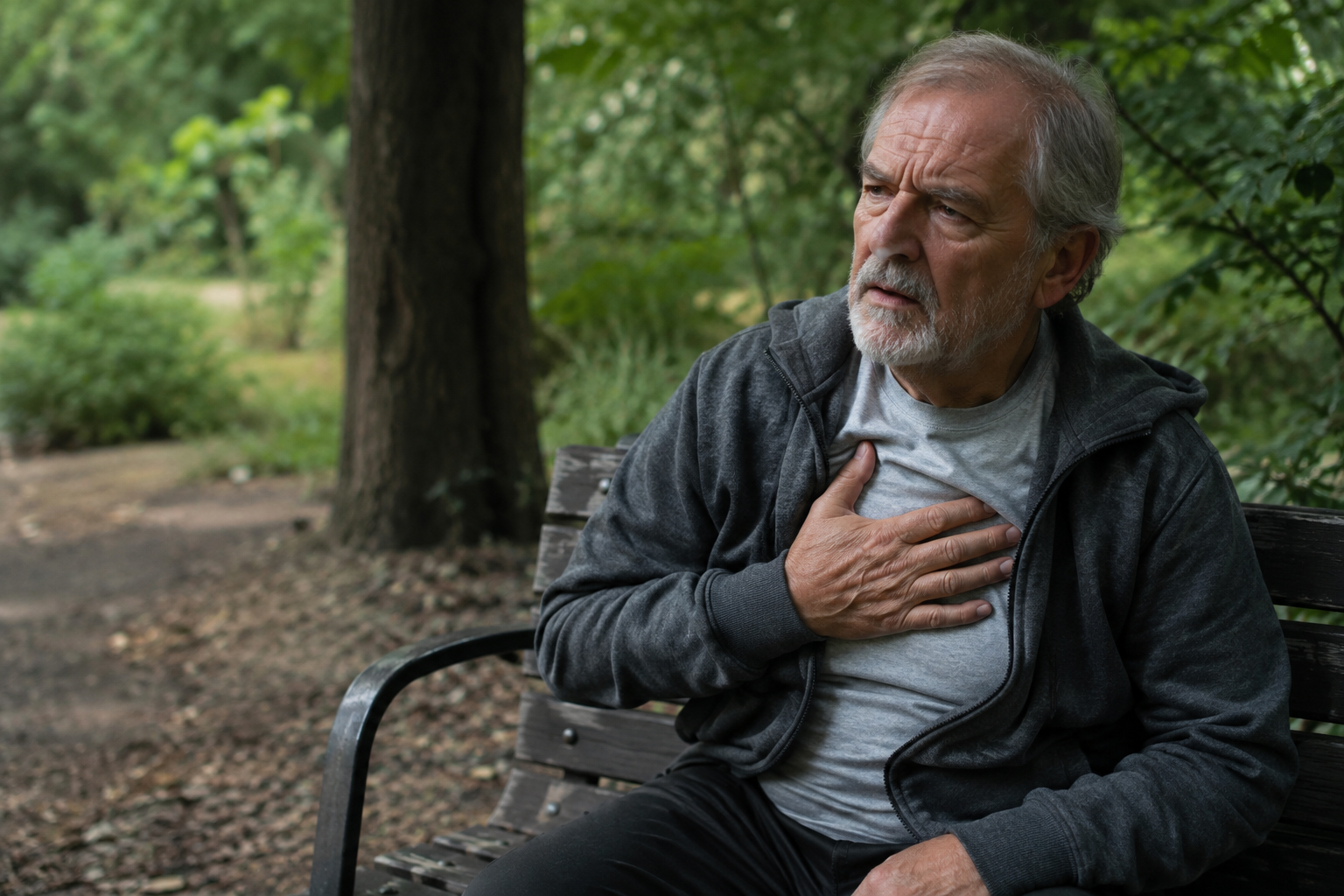
Pushing your pace is only a good idea if your body is handling the current effort well. Certain symptoms mean you should stop walking immediately and seek medical attention, not push through.
- Chest pain, pressure, or tightness, even if it’s mild
- Feeling like you might faint or actually losing consciousness
- Severe shortness of breath that doesn’t ease when you slow down
- Sudden dizziness, cold sweats, or nausea during your walk
- Irregular or racing heartbeat that feels different from normal exertion
These aren’t signs to “walk it off.” They’re signs to stop, sit down if possible, and get medical help if symptoms don’t resolve quickly. If dizziness is a recurring issue even at a mild pace, it’s worth reading about exercises that may help with dizziness and balance and mentioning it to your doctor.
Frequently Asked Questions
Is it bad to walk slowly if I can’t go faster yet?
Not at all. A slower pace still delivers real cardiovascular and mobility benefits, especially if you’re consistent with it. Building duration at a comfortable pace before worrying about speed is a smart, low-risk way to progress, and it reduces your chance of joint strain or overexertion along the way.
How do I know if I’m walking too fast for my fitness level?
If you can’t speak more than a word or two at a time, feel lightheaded, or notice your heart pounding uncomfortably rather than just working hard, you’ve likely pushed past a sustainable pace. Slow down until your breathing settles, and use that slower speed as your new baseline for a few weeks before trying to increase it again.