Losing weight after 60 isn’t just about eating less. Your body has different needs now, and crash diets can do more harm than good. When you cut calories too drastically, you risk losing muscle along with fat, which can leave you weaker, slower your metabolism, and increase your risk of falls.
The good news is that with the right approach, you can lose fat while preserving (or even building) muscle. This guide will show you how to create a safe calorie deficit, adjust your protein intake, and combine exercise in a way that keeps you strong while the pounds come off.
Understanding Safe Calorie Deficits for Older Adults

Your metabolism naturally slows with age, so the calorie deficit that worked in your 30s might be too aggressive now. A safe deficit for seniors is typically 300 to 500 calories below your maintenance level. This allows for gradual weight loss without triggering muscle breakdown.
Aim for losing 1 to 2 pounds per month, not per week. Yes, this is slower than what you’ll see in popular diet programs, but it’s sustainable and protects your lean tissue. Rapid weight loss in older adults often results in losing muscle mass you can’t easily rebuild.
Start by tracking your current intake for a week without changing anything. Once you know your baseline, reduce by 300 calories and monitor your energy levels, strength, and weight over the next month. You should feel satisfied after meals and maintain your energy for daily activities.
A body composition scale can help you track whether you’re losing fat or muscle. These scales aren’t perfectly accurate, but they’re useful for monitoring trends over time.

Greater Goods Digital Body Weight Bathroom Scale
A reliable, easy-to-read scale that’s perfect for tracking your weight loss progress consistently.
Why Protein Becomes Non-Negotiable

When you’re in a calorie deficit, your body needs more protein to preserve muscle tissue. Research shows that older adults should consume 1.0 to 1.2 grams of protein per kilogram of body weight daily, and even more (up to 1.5 g/kg) when losing weight.
For a 150-pound person, this translates to roughly 70 to 100 grams of protein daily. Spread this across all meals, aiming for 25 to 30 grams per meal. Your body can only process so much protein at once, so don’t save it all for dinner.
Focus on high-quality sources: chicken, fish, eggs, Greek yogurt, cottage cheese, and lean beef. Plant-based options like lentils, beans, and quinoa work too, but you’ll need larger portions to hit your targets. Consider adding a whey protein powder to smoothies if you struggle to meet your goals through food alone.
Many seniors unconsciously under-eat protein at breakfast. Swap your toast and jam for eggs with whole grain toast, or try Greek yogurt with nuts and berries. This simple change can significantly impact your ability to maintain muscle.
Combining Strength Training With Cardio
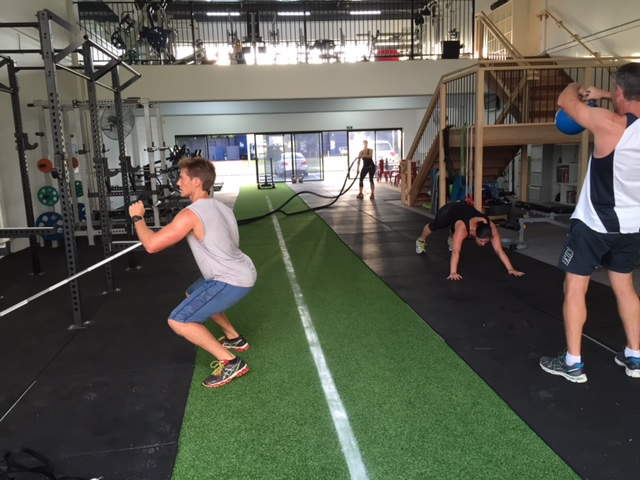
Cardio alone won’t preserve your muscle during weight loss. You need resistance training at least two to three times per week to signal your body that it still needs that muscle tissue.
You don’t need to lift heavy weights to see results. Resistance bands, light dumbbells, or even bodyweight exercises can be effective. Focus on compound movements that work multiple muscle groups: squats, modified push-ups, rows, and overhead presses.
Aim for 8 to 12 repetitions per exercise, completing 2 to 3 sets. The last few reps should feel challenging but not impossible. Rest for 60 to 90 seconds between sets.

Resistance Bands Set with Handles
Perfect for building strength at home without the joint stress of heavy weights.
Add moderate cardio on alternate days for cardiovascular health and additional calorie burn. Walking, swimming, or cycling for 20 to 30 minutes works well. Keep the intensity moderate so it doesn’t interfere with your recovery from strength workouts.
Don’t exercise every day. Your body needs rest to repair and build muscle, especially when you’re in a calorie deficit. Three to four workout days per week, with active recovery (gentle stretching or easy walks) on off days, is plenty.
Setting Realistic Expectations and Timelines
Losing 1 to 2 pounds per month might sound discouraging, but over a year, that’s 12 to 24 pounds of primarily fat loss while maintaining your strength and energy. Compare this to rapid weight loss where you might drop 20 pounds but lose significant muscle in the process.
Track more than just the scale. Take measurements of your waist, hips, and thighs. Notice how your clothes fit. Pay attention to how you feel during daily activities. Can you climb stairs more easily? Do you have more stamina?
Your weight will fluctuate day to day due to water retention, digestion, and other factors. Weigh yourself once a week at the same time (morning, after using the bathroom, before eating) for the most consistent data.
Some weeks you won’t see progress. This is normal. Focus on the monthly trend rather than weekly fluctuations. A fitness journal can help you track not just weight but also energy levels, strength gains, and how you feel overall.
Adjusting Your Approach Based on Results
After the first month, evaluate your progress. Losing 1 to 2 pounds while maintaining strength and energy means you’re on track. No weight loss might mean your deficit isn’t large enough, or you’re underestimating portion sizes.
Losing more than 2 pounds per month could indicate too aggressive a deficit, especially if you notice decreased energy or strength. Add back 100 to 200 calories, focusing on protein and healthy fats.
Consider working with a registered dietitian who specializes in older adults. They can help you personalize your approach based on any medical conditions, medications, or specific needs you have.
Watch for warning signs that you’re cutting calories too aggressively: constant fatigue, dizziness, inability to complete workouts you previously handled, or feeling cold all the time. These suggest your body isn’t getting enough fuel.
Frequently Asked Questions
Can I build muscle while losing fat as a senior?
Yes, but it’s challenging. New exercisers or those returning after a break have the best chance of achieving both simultaneously. For most seniors, maintaining existing muscle while losing fat is a more realistic goal. Once you reach your target weight, you can increase calories slightly and focus specifically on building muscle.
Should I take any supplements during weight loss?
Protein powder can help you meet daily protein targets more easily. Vitamin D and calcium are important for bone health, especially during weight loss. Creatine monohydrate may help preserve muscle and strength. Always check with your doctor before starting supplements, particularly if you take medications.
What if I have joint pain that limits exercise?
Focus on low-impact activities like swimming, water aerobics, or recumbent cycling. For strength training, try resistance bands or seated exercises. Chair yoga can improve flexibility and provide gentle resistance. You can still lose fat safely with limited exercise by focusing more carefully on your calorie deficit and protein intake, though preserving muscle becomes more challenging.
This article contains affiliate links. We may earn a small commission at no extra cost to you.