If you’ve been hitting the gym consistently and still feel like your muscles aren’t responding the way they used to, you’re not imagining things. Sarcopenia, the gradual loss of muscle mass that comes with aging, is a real and measurable process that begins as early as your 30s and accelerates after 60. The good news is that resistance training remains one of the most effective tools for slowing it down, and creatine is one of the few supplements with solid research backing its use alongside that training.
This article breaks down what the evidence actually says about creatine for older adults, how to use it practically, and what to keep in mind before you start.
What Creatine Does in Your Body
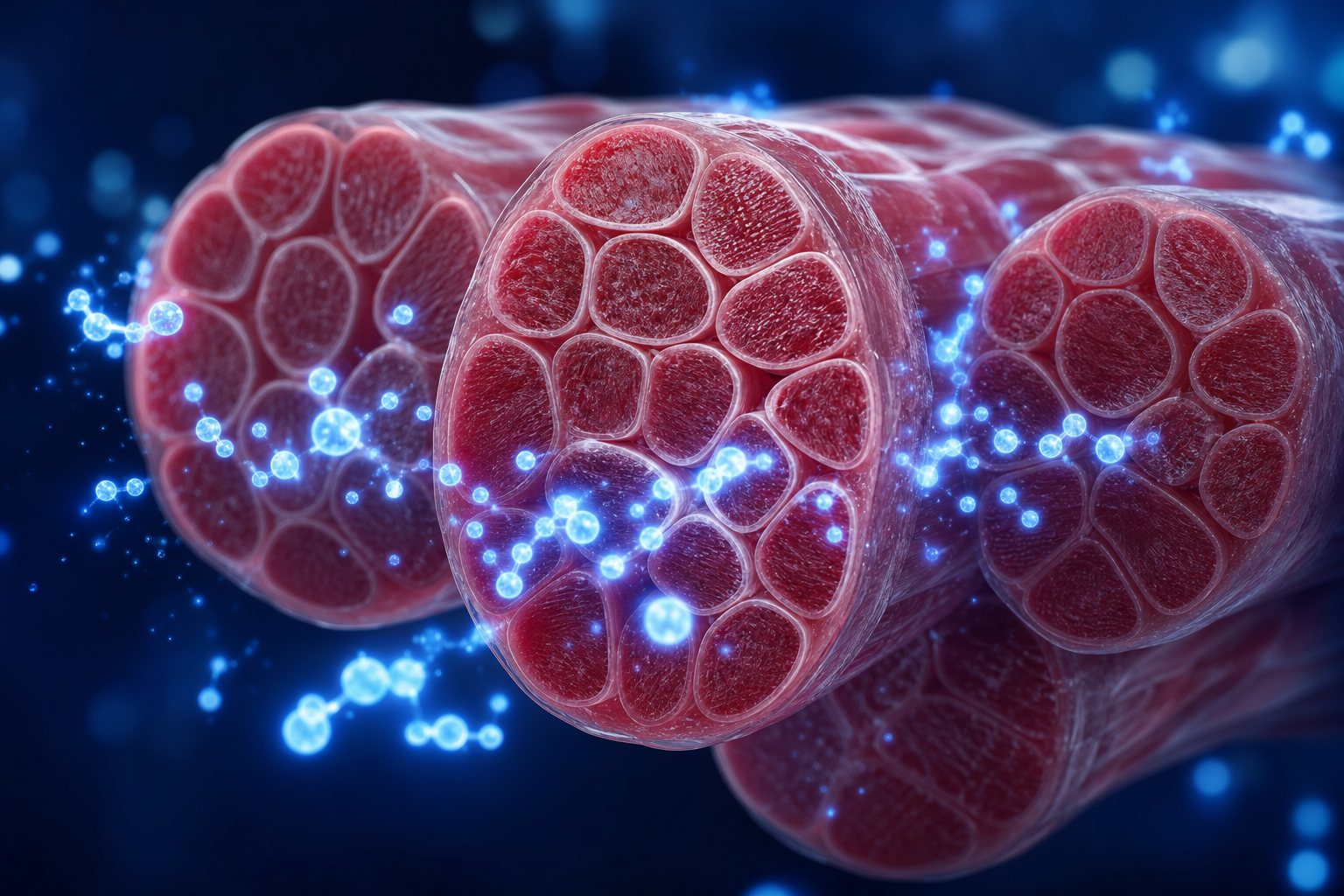
Creatine is a naturally occurring compound found mostly in red meat and fish. Your body also produces it, primarily in the liver and kidneys. It gets stored in your muscles as phosphocreatine, where it helps regenerate ATP, the energy currency your cells use during short, intense bursts of effort like lifting weights or climbing stairs.
As you age, your natural creatine stores tend to decline. Older adults also tend to eat less red meat, which reduces dietary creatine intake even further. Supplementing fills that gap and may make a meaningful difference in how well your muscles respond to training.
Creatine isn’t a hormone or a stimulant. It doesn’t force your body to do something unnatural. It simply gives your muscles more fuel to work with during the moments that matter most.
What the Research Says for Older Adults

The research here is actually encouraging. A 2017 systematic review published in the Journal of the International Society of Sports Nutrition found that creatine supplementation combined with resistance training led to significantly greater gains in lean mass and upper and lower body strength compared to resistance training alone in older adults.
A few key findings worth knowing:
- Creatine appears most effective when paired with consistent resistance training, not taken in isolation.
- Benefits have been documented in adults over 65, and some studies have included adults over 70.
- Improvements in functional performance, like grip strength and stair-climbing ability, have also been reported alongside the muscle mass gains.
- Some evidence suggests creatine may help reduce the rate of muscle loss during periods of inactivity, such as after surgery or illness.
If you’re interested in building a structured training program to go alongside supplementation, our guide to progressive resistance training walks through a 12-week approach designed specifically for building strength.
How to Use Creatine: Practical Guidance

Which Form to Choose
Creatine monohydrate is the form used in the vast majority of studies. It’s the most researched, generally the most affordable, and there’s no strong evidence that fancier forms like creatine HCl or buffered creatine outperform it. Stick with monohydrate unless your doctor recommends otherwise.
Look for products that carry third-party testing certifications such as Informed Sport or NSF Certified for Sport. These verify that what’s on the label is what’s in the container.

Thorne Creatine Monohydrate
Thorne is well-regarded for quality control and third-party testing, making it a trustworthy choice for older adults who want confidence in what they’re taking.
Dosing for Older Adults
The most commonly studied dose is 3 to 5 grams per day. Some protocols use a loading phase of around 20 grams per day for the first five to seven days to saturate muscle stores faster, followed by a maintenance dose of 3 to 5 grams. Loading is optional and not always well tolerated in older adults due to potential digestive discomfort.
Starting with 3 grams per day and building from there is a reasonable approach. Creatine is typically taken with water and often mixed easily into a protein shake or juice. Timing isn’t critical, but many people take it close to their workout. For more on how to time nutrients around your sessions, our article on pre-workout nutrition for senior athletes covers the broader picture.
Pairing Creatine With Protein
Creatine works best when your overall nutrition supports muscle building. Adequate protein intake is essential. If you’re not hitting your protein targets through food alone, a quality protein supplement can help close the gap. Our protein powder guide for seniors over 70 breaks down which options are most appropriate for older adults.
Post-workout recovery nutrition also plays a role. Getting protein and carbohydrates in after resistance training supports the muscle repair process. Our guide to post-workout recovery meals for seniors has practical meal ideas to pair with your training.

Optimum Nutrition Micronized Creatine Monohydrate Powder
One of the most widely used creatine products available, micronized for easier mixing with no gritty texture.
Safety Considerations and When to Talk to Your Doctor
Creatine has a strong safety record in healthy adults across decades of research. Short-term and long-term studies in older populations have not shown significant adverse effects at recommended doses. The most common complaint is mild digestive discomfort, which is usually resolved by lowering the dose or spreading it across the day.
One area that does warrant a conversation with your doctor: kidney health. Creatine is processed by the kidneys, and while research has not shown it causes kidney damage in healthy individuals, anyone with pre-existing kidney disease, reduced kidney function, or who takes medications that affect kidney function should get medical clearance before starting. This is especially important if you take certain blood pressure medications or diuretics. For more context on how medications can interact with exercise and supplementation, our article on medication and exercise timing for seniors is worth reading.
Water retention in the muscles is common when you first start creatine and is not the same as fat gain or problematic fluid retention. It’s simply your muscles holding more water as creatine stores increase. Some people notice a slight increase on the scale in the first week or two.
Women going through or past menopause may find creatine particularly useful. Estrogen loss accelerates muscle and bone loss, and creatine combined with strength training has shown promise in this population. Our article on menopause strength training covers the full picture for women building muscle after 50.
Frequently Asked Questions
Can creatine help with more than just muscle size?
Yes. Several studies in older adults have shown improvements in functional strength measures, not just muscle mass on a DEXA scan. Things like grip strength, chair stand performance, and walking speed have all shown improvement in research combining creatine with resistance training. There’s also emerging research on cognitive benefits, though the evidence there is less established than the muscle data.
Do I need to cycle off creatine or take breaks?
There’s no evidence that you need to cycle creatine on and off. The body doesn’t down-regulate its own creatine production significantly at the doses typically used in supplementation. Many people take it continuously without any known issues. If you want to take a break for any reason, that’s fine, but it’s not required for safety.
What if I’m not doing heavy lifting? Is creatine still useful?
The research is strongest for creatine combined with resistance training, but some functional benefit has been observed even with lighter activity. You don’t need to be lifting heavy barbells to see some benefit, but the more consistently you challenge your muscles with progressive resistance, the more creatine has to work with. Even moderate resistance work like resistance bands or bodyweight exercises counts. Our guide to safe weight loss for seniors also touches on preserving muscle during any kind of exercise program.
The Bottom Line on Creatine for Older Adults
Creatine monohydrate is one of the most well-researched supplements available, and the evidence for its use in older adults is genuinely encouraging. It’s not a replacement for consistent training or good nutrition, but when used alongside both, it gives your muscles a meaningful advantage in a period of life when maintaining strength really matters for independence and quality of life.
Start with 3 grams per day of a quality creatine monohydrate, pair it with regular resistance training and adequate protein, and check with your doctor first if you have any kidney concerns or are managing chronic conditions. That combination gives you the best shot at real, lasting results.
If you want to explore other supplements that support muscle and bone health alongside creatine, our article on vitamin D for senior bone and muscle health is a natural next step.
This article contains affiliate links. We may earn a small commission at no extra cost to you.