Fueling your body correctly before exercise becomes more nuanced as you age. Your digestive system processes food differently, your energy stores respond in unique ways, and what worked in your 30s might leave you feeling sluggish or uncomfortable now. Getting pre-workout nutrition right means balancing energy availability with digestive comfort, and the timing matters more than you might think.
The key is understanding how your body has changed and adjusting your approach accordingly. Older athletes often need different strategies than younger gym-goers, particularly when it comes to meal timing and food choices.
Timing Your Pre-Workout Meals

Your digestive system slows down with age, which means you need more time between eating and exercising. A meal that used to digest in 90 minutes might now take 2 to 3 hours.
For a full meal containing protein, carbs, and some fat, allow at least 3 hours before moderate to intense exercise. This prevents that heavy, sluggish feeling and reduces the risk of digestive discomfort during your workout. A lighter snack with easily digestible carbs needs about 60 to 90 minutes.
Early morning exercisers face a different challenge. You probably don’t want to wake up at 4 AM just to eat breakfast before a 7 AM workout. In this case, a small snack 30 to 45 minutes beforehand works better. Think half a banana with a tablespoon of nut butter or a small serving of applesauce.
Best Foods for Different Workout Types
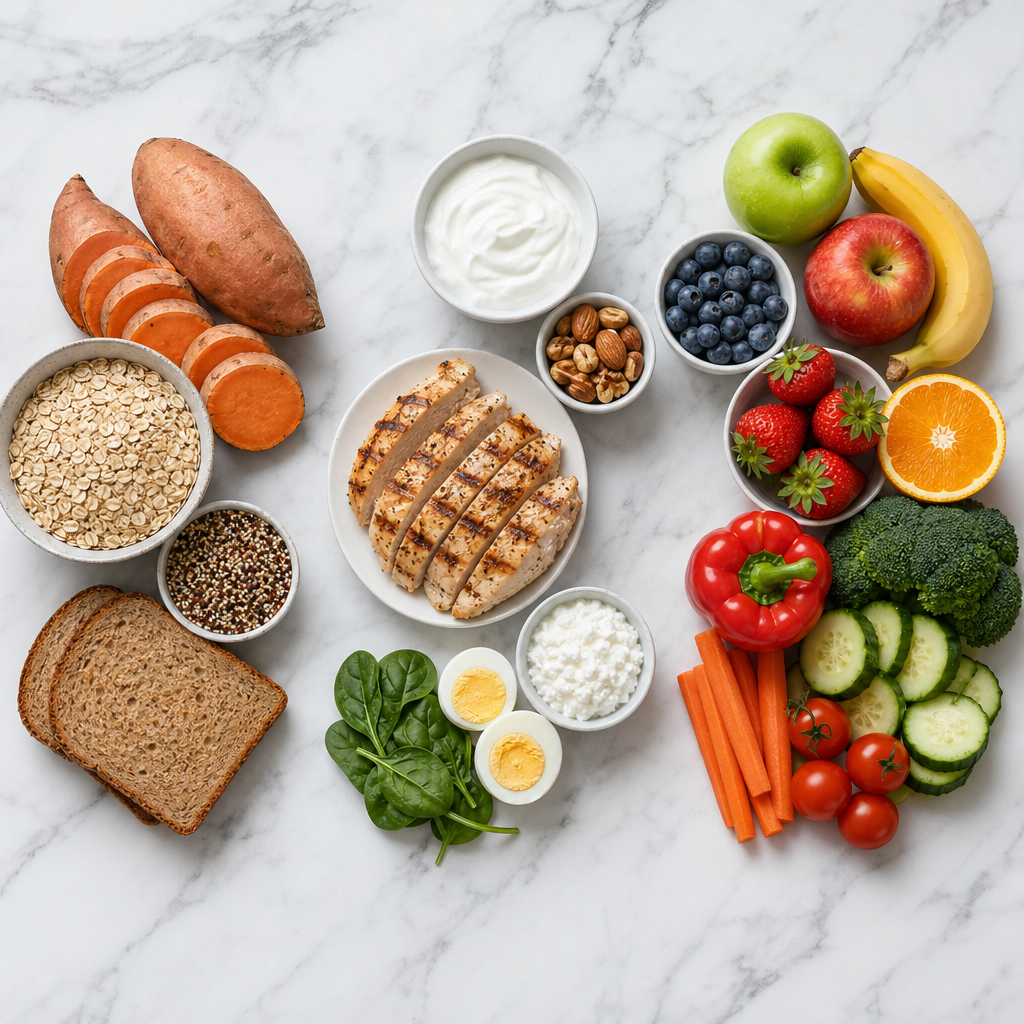
Not all workouts demand the same fuel. Strength training, cardio, and flexibility work each benefit from slightly different approaches.
Strength Training and Resistance Work
For lifting sessions, you need both readily available energy and amino acids to support muscle work. A combination of carbs and protein works best. Try oatmeal with Greek yogurt 2 to 3 hours before, or a slice of whole grain toast with almond butter if you’re closer to workout time.
Some athletes benefit from a protein powder mixed with water about 30 minutes pre-workout, especially if they train early and can’t stomach solid food. While many think of supplements like creatine as workout enhancers, getting your basic nutrition timing right matters more for performance and recovery.

Blender Bottle Classic Shaker
Makes mixing protein drinks quick and easy, perfect for early morning pre-workout fuel.
Cardio and Endurance Activities
Walking, cycling, swimming, and other cardio activities run primarily on carbohydrates. You want easily digestible options that won’t cause cramping. White rice with a bit of honey, a ripe banana, or dry cereal with low-fat milk all work well.
Avoid high-fiber foods immediately before cardio. While fiber is generally beneficial, it can cause bloating and discomfort during sustained movement. Save the beans and cruciferous vegetables for post-workout meals. If you prefer quick options, you might wonder whether fast-casual meals work well after training, but before exercise, stick with simpler carb sources.
Yoga and Flexibility Work
For gentler activities, you have more flexibility. A light snack 30 to 60 minutes before is usually sufficient. Many people do well with just a piece of fruit or a handful of crackers.
Portion Sizes and Age-Related Considerations
Smaller portions work better for most senior athletes. Your basal metabolic rate has decreased, and your stomach may empty more slowly. Where a younger athlete might eat a full cup of oatmeal, you might do better with half a cup.
Pay attention to how different amounts affect you. Start conservative and adjust based on your energy levels during workouts. You should feel energized but not full.
For those managing blood sugar, pre-workout nutrition requires extra attention. Never exercise on an empty stomach if you’re taking diabetes medications. Pair carbs with protein or healthy fat to slow digestion and prevent blood sugar spikes. A small apple with cheese or whole grain crackers with hummus provides steady energy. Maintaining stable blood sugar through proper nutrition is one of the important strategies to support cardiovascular health, especially during physical activity.
Check your blood sugar before and after workouts when trying new pre-workout foods. This helps you identify which options keep your levels stable. Keep glucose tablets handy during exercise in case of unexpected drops.

Contigo Water Bottle with Time Markers
Helps you track hydration throughout the day, which is crucial for pre-workout preparation.
Hydration Strategies
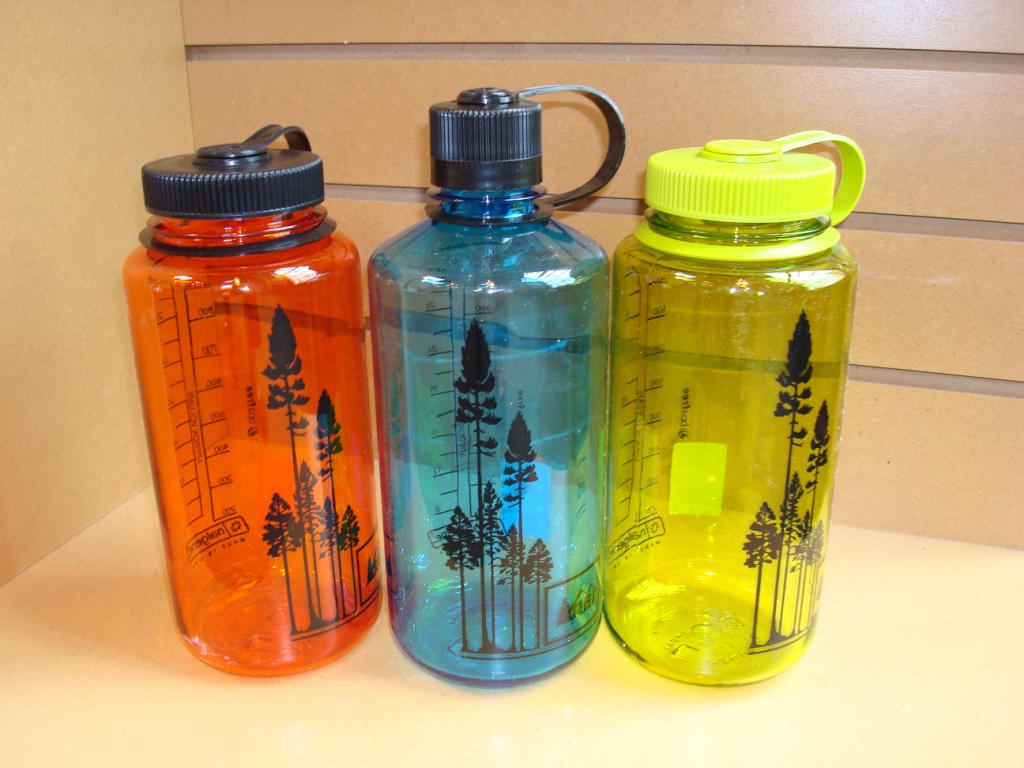
Age reduces your thirst sensation, so you can’t rely on feeling thirsty to guide your fluid intake. Start hydrating well before your workout begins. Drink 16 to 20 ounces of water 2 to 3 hours before exercise, then another 8 ounces about 20 minutes prior.
If you’re exercising for longer than 60 minutes or in hot conditions, consider an electrolyte drink mix. Older adults lose electrolytes more readily and may take longer to rehydrate.
Avoid drinking large amounts right before exercise. This can cause sloshing and discomfort. Spread your fluid intake over the hours leading up to your workout instead.
Frequently Asked Questions
What if I exercise first thing in the morning and can’t eat much?
Many senior athletes train better on an empty stomach for early morning sessions. Your body still has glycogen stores from yesterday’s meals. Drink water and consider a few sips of juice if you need something. Save your main meal for after exercise. However, if you take blood sugar medications, always have at least a small snack before working out. A banana-based protein shake can work well when you need quick nutrition either before or after your session.
How do I know if I’m eating too much or too little before workouts?
Too much food causes sluggishness, bloating, or nausea during exercise. Too little leaves you feeling weak, dizzy, or unable to complete your normal routine. Keep a simple log for a week noting what you ate, when, and how you felt during your workout. Patterns emerge quickly, helping you dial in the right amount and timing for your body.
Related Articles
- Is Chipotle a Good Post-Workout Meal for Senior Athletes?
- 10 Healthy Banana Protein Shake Recipes for Post-Workout Recovery
- What Happens If You Take Creatine Without Working Out
- 12 Strategies to Prevent Heart Disease
This article contains affiliate links. We may earn a small commission at no extra cost to you.