If you’ve noticed that carrying groceries feels harder than it used to, or that getting up from a chair takes a little more effort each year, you’re not imagining things. Muscle loss with age is real, it’s measurable, and it starts earlier than most people expect. The average adult begins losing muscle mass somewhere around their mid-30s, and the process accelerates significantly after 60. By the time someone reaches their 80s, they may have lost 30 to 50 percent of the muscle mass they had in their youth.
But here’s what most people don’t hear: this loss is not inevitable. You can’t completely stop the clock, but progressive strength training can slow the decline dramatically, rebuild meaningful muscle even late in life, and protect your independence for years to come. This article explains exactly why muscle loss happens and how resistance training addresses it at the biological level.
What Is Sarcopenia and Why Does It Happen?
The clinical term for age-related muscle loss is sarcopenia, from the Greek words for “poverty of flesh.” It’s not a disease in the traditional sense, but it’s recognized as a major driver of frailty, falls, and loss of independence in older adults. Researchers estimate that sarcopenia affects somewhere between 10 and 40 percent of older adults, depending on which diagnostic criteria are used.
The biology behind it involves several overlapping mechanisms, none of which work in isolation. Understanding them helps explain why strength training is so effective, because it targets most of them simultaneously.
Hormonal Changes
Testosterone, estrogen, growth hormone, and IGF-1 (insulin-like growth factor 1) all decline with age. These hormones are critical signals that tell your body to build and maintain muscle tissue. When their levels drop, your muscles lose a major stimulus for repair and growth. Women navigating menopause face a particularly sharp drop in estrogen, which has direct effects on muscle protein synthesis. If this topic applies to you, our article on menopause strength training and building muscle after 50 covers it in detail. Similarly, declining testosterone in men over 60 is a significant factor, and you can read more in our piece on testosterone and exercise for men over 60.
Reduced Motor Neuron Function
Your muscles don’t work without signals from your nervous system. As you age, motor neurons, the nerve cells that activate muscle fibers, begin to die off. The surviving neurons try to compensate by branching out and taking over orphaned muscle fibers, but this process is imperfect. The result is a loss of fast-twitch muscle fibers in particular, which are the ones responsible for power, speed, and quick reactions. This is why older adults often struggle most with explosive movements like catching themselves from a fall.
Protein Synthesis Resistance
Even when older adults eat adequate protein, their muscles don’t respond to it as efficiently as younger muscles do. This phenomenon is called anabolic resistance. It means the threshold for triggering muscle protein synthesis is higher. More protein is needed per meal to get the same muscle-building response, and the “anabolic window” after exercise becomes more important, not less, as you age.
Chronic Low-Grade Inflammation
Aging is associated with a state sometimes called “inflammaging,” a persistent, low-level inflammatory environment that promotes muscle breakdown. Pro-inflammatory cytokines like TNF-alpha and interleukin-6 interfere with the signaling pathways that build muscle. Following an anti-inflammatory diet for active seniors can help manage this background inflammation and support your training results.
Watch: Strength Training and Aging Explained
This video does an excellent job of visualizing the changes that happen to muscle tissue as we age and why resistance training is the most effective intervention available.
How Strength Training Fights Muscle Loss at the Cellular Level
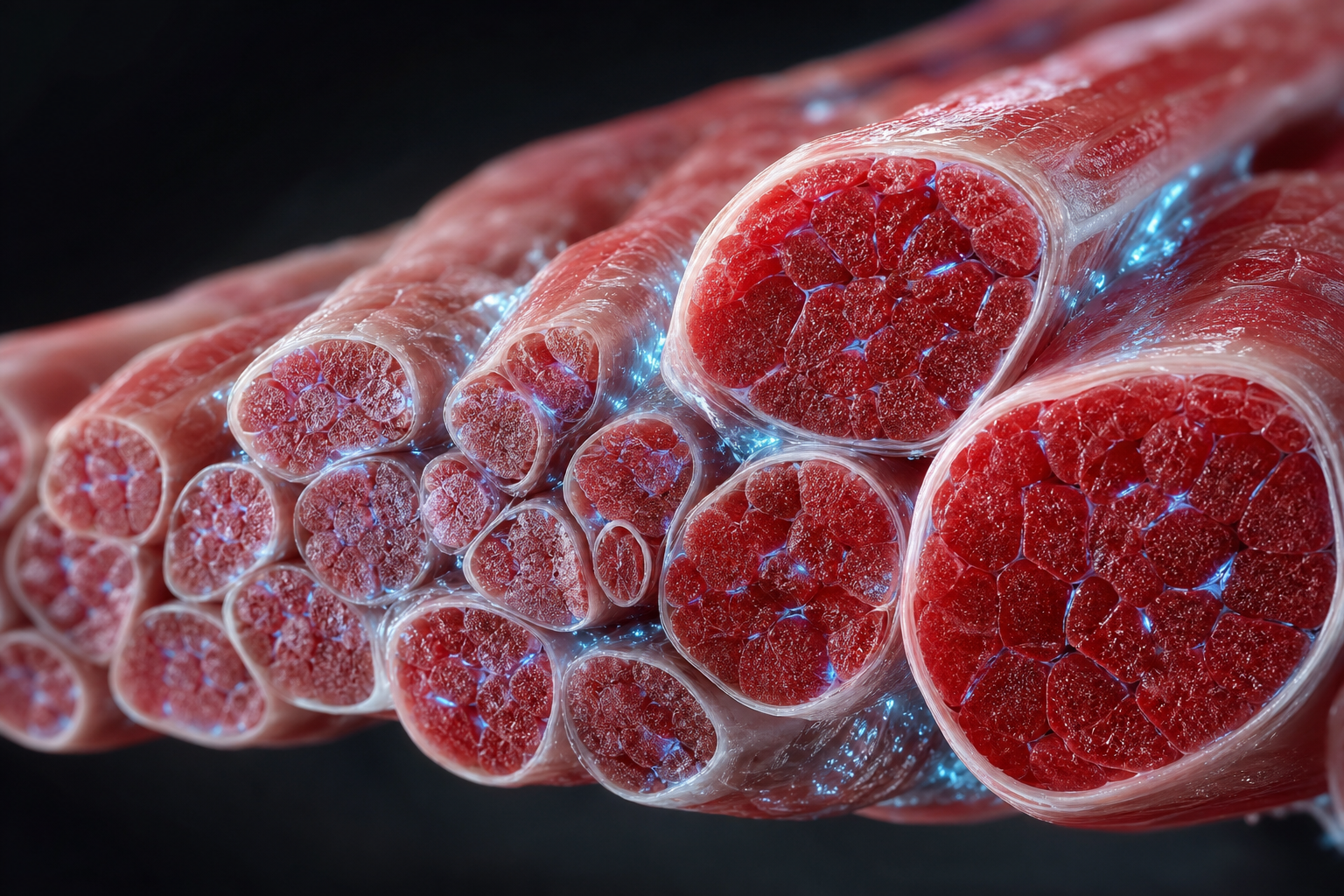
Progressive resistance training doesn’t just make you feel stronger. It creates measurable biological changes that directly counter the mechanisms described above. This is not speculation; it’s been documented in hundreds of peer-reviewed studies, including studies conducted specifically on adults in their 70s, 80s, and even 90s.
It Stimulates Muscle Protein Synthesis
Resistance training creates mechanical tension in muscle fibers, which activates a pathway called mTOR (mechanistic target of rapamycin). This pathway triggers muscle protein synthesis, essentially telling your body to repair and build muscle tissue. Older adults can activate this pathway just as effectively as younger adults, provided the training stimulus is sufficient. Light, casual exercise won’t cut it. You need to be working close to your capability.
It Preserves and Recruits Fast-Twitch Fibers
Because aging preferentially destroys fast-twitch muscle fibers, training that targets those fibers is especially valuable. Heavy resistance work and explosive movements (like standing up quickly or performing a power clean with light weight) recruit the fast-twitch fibers and signal your body to preserve them. This has real-world implications for fall prevention, because the ability to react quickly and generate force rapidly is what keeps you upright when you stumble.
It Improves Hormonal Sensitivity
Strength training doesn’t just preserve hormones; it improves how sensitive your muscles are to the hormones you do have. Regular resistance exercise increases androgen receptor density in muscle tissue, meaning your muscles get better at responding to whatever testosterone and growth hormone your body produces. You can also support this process through Vitamin D supplementation, since Vitamin D plays a direct role in muscle function and hormonal signaling.
It Reduces Systemic Inflammation
Consistent exercise has a documented anti-inflammatory effect. It reduces circulating levels of pro-inflammatory markers and increases anti-inflammatory cytokines like IL-10. Over time, this shifts the internal environment away from the muscle-wasting state and toward one that supports repair and growth.
The “Progressive” Part Actually Matters
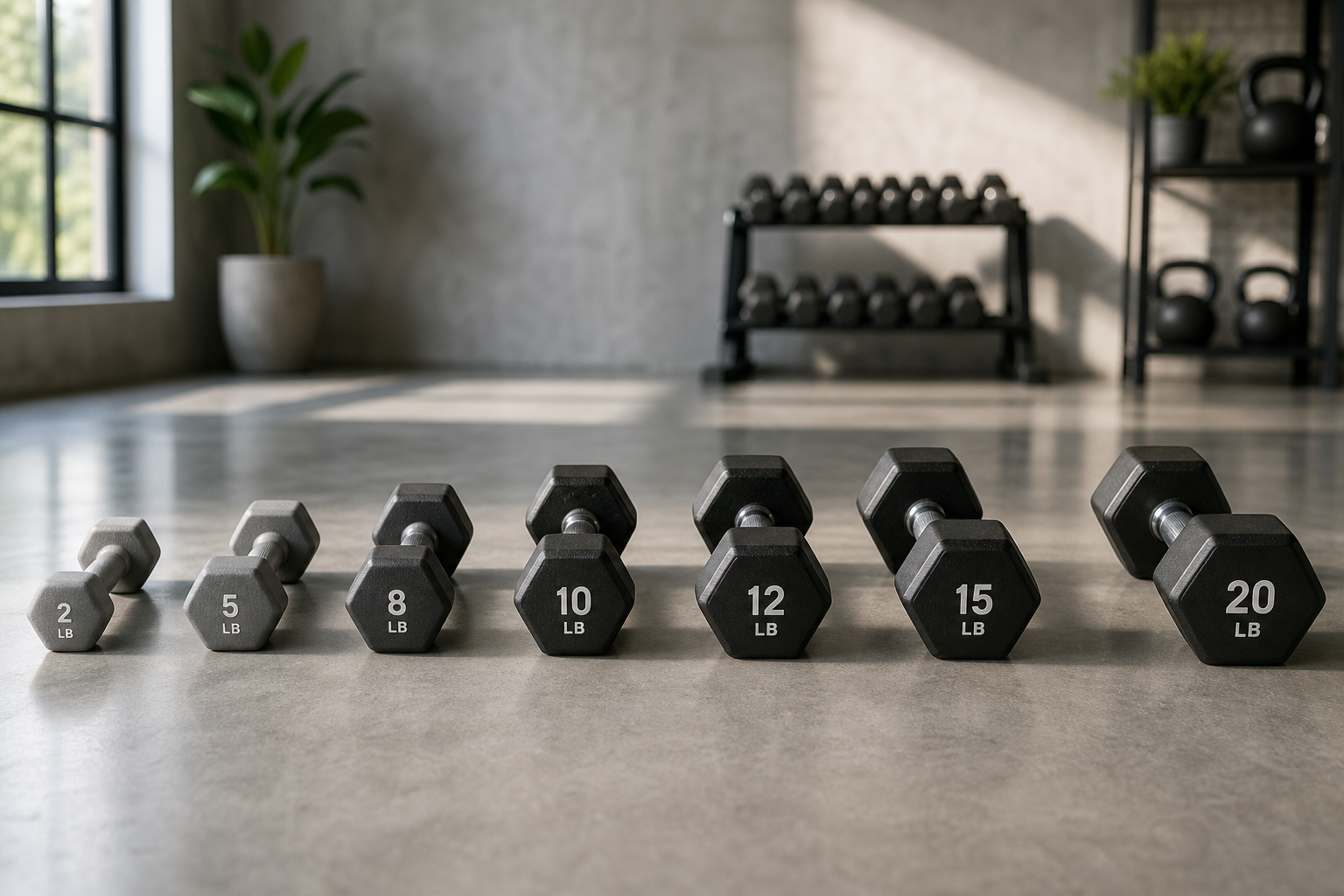
One of the biggest mistakes older adults make when starting a strength program is staying at the same resistance level indefinitely because it feels safe. This leads to plateaus and, eventually, continued muscle loss. The principle of progressive overload means gradually increasing the challenge placed on your muscles over time, whether through heavier weight, more repetitions, less rest, or more complex movements.
If you want a structured framework to follow, our 12-week progressive resistance training program lays out exactly how to build intensity safely over three months. It’s designed specifically with older adults in mind.
For home training, resistance bands are one of the most practical tools available. They allow for progressive overload (by using thicker bands or shortening the anchor point), they’re easy on joints, and they travel well. A quality set covers a wide range of exercises for the upper body, lower body, and core.
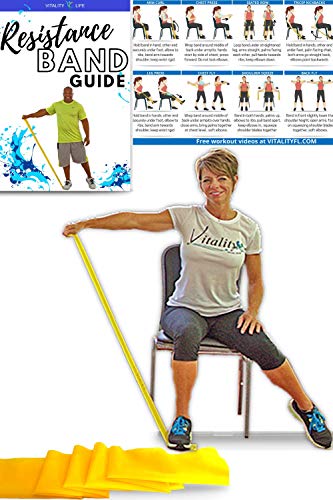
Resistance Bands for Seniors
A versatile set lets you progressively increase tension as you get stronger, making them ideal for home-based strength training at any fitness level.
Adjustable dumbbells are another excellent option for home gyms. A single pair that adjusts from light to moderately heavy can replace an entire rack of fixed-weight dumbbells and takes up almost no space. If you’re building out a home training space, our guide to a budget-friendly home gym setup for seniors is a good starting point.

Adjustable Dumbbells for Home Gym
Adjustable dumbbells save space and allow you to increase weight gradually as your strength improves, making them a smart long-term investment for home training.
Nutrition: The Other Half of the Equation
Training provides the stimulus for muscle growth, but nutrition provides the raw materials. Without adequate protein, your muscles can’t repair the damage created by training, and the whole process stalls. Most older adults are significantly under-consuming protein relative to what their muscles actually need.
Current research suggests that older adults need between 1.2 and 1.6 grams of protein per kilogram of body weight per day, substantially more than the general recommendation of 0.8 g/kg. Spreading that protein across meals (aiming for at least 30 to 40 grams per meal) helps overcome anabolic resistance. Our protein powder guide for seniors over 70 covers how supplementing with protein can help hit those targets without eating enormous volumes of food.
What you eat after a workout also matters considerably. Within a couple of hours of finishing a strength session, consuming protein alongside some carbohydrates accelerates muscle repair. Our article on post-workout recovery meals for seniors has practical meal ideas that support this process without requiring a lot of cooking effort.
For those who want to get even more dialed in on the nutrition side, timing your pre-workout nutrition correctly can also improve training quality and reduce muscle breakdown during the session itself. See our article on pre-workout nutrition for senior athletes for specifics.
Practical Starting Points for Beginners

If you haven’t done regular strength training before, or if it’s been years since you have, the starting point matters. Jumping into an aggressive program increases injury risk and often leads to discouragement. Here’s a sensible approach.
- Start with two sessions per week on non-consecutive days, targeting all major muscle groups each session.
- Focus on compound movements like squats, hinges, rows, and presses. These recruit multiple muscle groups at once and mirror real-world movements.
- Use a weight or resistance that challenges you by the final two to three reps of each set. If the last rep feels easy, the resistance is too light.
- Rest 48 to 72 hours between training the same muscle group to allow for repair.
- Track your progress. Even writing it in a notebook helps you stay consistent and see when it’s time to increase resistance.
One often-overlooked component of a solid strength program is grip strength. The ability to hold and control weights safely affects every upper body exercise and also correlates strongly with overall health outcomes in older adults. Our guide to grip strength exercises for hand function and independence is worth bookmarking alongside your main program.
A good workout mat provides cushioning for floor exercises and prevents slipping during standing movements. It’s one of the simplest pieces of equipment you can add to a home setup.

Exercise Mat for Seniors
A thick, non-slip mat protects your joints during floor work and gives you a stable surface for standing exercises at home.
Frequently Asked Questions
Is it too late to build muscle if you’re over 70?
No. Multiple clinical trials have demonstrated meaningful muscle gains in adults in their 70s, 80s, and even 90s following progressive resistance training programs. The rate of gain may be slower than in younger adults, but the biological machinery for muscle building is still present. Starting now is always better than not starting. The key is using sufficient resistance and getting adequate protein.
How long before you start seeing results from strength training?
Most people notice functional improvements, like finding daily tasks easier, within four to six weeks. Visible changes in muscle size take longer, typically three to six months of consistent training. The initial gains in strength you feel in the first few weeks are largely due to improved neuromuscular coordination, not muscle growth yet. Stick with it past that early phase.
Do you need to go to a gym, or can you train effectively at home?
You can make excellent progress at home with a modest investment in equipment. Resistance bands, adjustable dumbbells, and your own body weight cover the full range of movement patterns needed for a complete program. Gyms offer the advantage of heavier equipment and sometimes professional guidance, but they’re not required. Many older adults prefer the convenience and privacy of home training.
What if joint pain makes traditional weight training difficult?
Joint pain doesn’t automatically rule out strength training; it usually just requires modifying the approach. Resistance bands place less compressive force on joints than free weights. Water-based resistance training (aquatic exercise) is another option. Working with a physical therapist to identify which movements are safe for your specific joints is worthwhile. For those dealing with arthritis, our article on arthritis-friendly exercises for seniors covers adapted approaches in detail.
The Bottom Line on Muscle and Aging
Sarcopenia is a genuine biological process driven by hormonal shifts, neurological changes, anabolic resistance, and chronic inflammation. Left unchecked, it contributes to falls, fractures, metabolic decline, and loss of independence. It is also one of the most modifiable aspects of aging we currently know about.
Progressive resistance training addresses the root causes directly. It stimulates protein synthesis, preserves fast-twitch fibers, improves hormonal sensitivity, and reduces inflammation. Combined with adequate protein intake and smart recovery habits, it’s the single most reliable intervention available for maintaining physical capability as you age. The best time to start was twenty years ago. The second-best time is now.
This article contains affiliate links. We may earn a small commission at no extra cost to you.