Walking is one of the best things you can do for your health after 60, and the barrier to entry is almost zero. No gym membership, no complicated equipment, no learning curve. But jumping in too fast is where most people go wrong. A sore knee on day three, or feeling wiped out after a 30-minute push, can kill your motivation before the habit even forms.
This guide walks you through a gradual four-week build, explains how to gauge your effort without obsessing over pace or heart rate, and covers the footwear and health checks that actually matter. Follow this approach and you’ll be building a habit that sticks, not recovering from one that backfired.
Talk to Your Doctor First (and Know When It’s Non-Negotiable)
For most healthy adults over 60, starting a low-intensity walking program doesn’t require a doctor’s visit. But there are situations where a quick check-in before you lace up is genuinely important, not just a legal disclaimer.
You should check with your doctor before starting if you have any of the following:
- Chest pain or pressure, even if it only happens occasionally
- Unexplained dizziness or balance problems (see our guide on vertigo and balance exercises for more on this)
- A recent heart attack, stroke, or cardiac procedure in the past six months
- Uncontrolled high blood pressure or a new blood pressure medication
- A recent joint replacement or orthopedic surgery
- Peripheral neuropathy that affects feeling in your feet
If you’re on blood pressure medication, pay special attention. Certain medications affect how your heart responds to exercise, and knowing what to expect matters. Our article on blood pressure medication and exercise precautions breaks this down clearly.
For everyone else, the bigger risk is staying sedentary. Start moving.
The Right Footwear Makes a Bigger Difference Than You Think
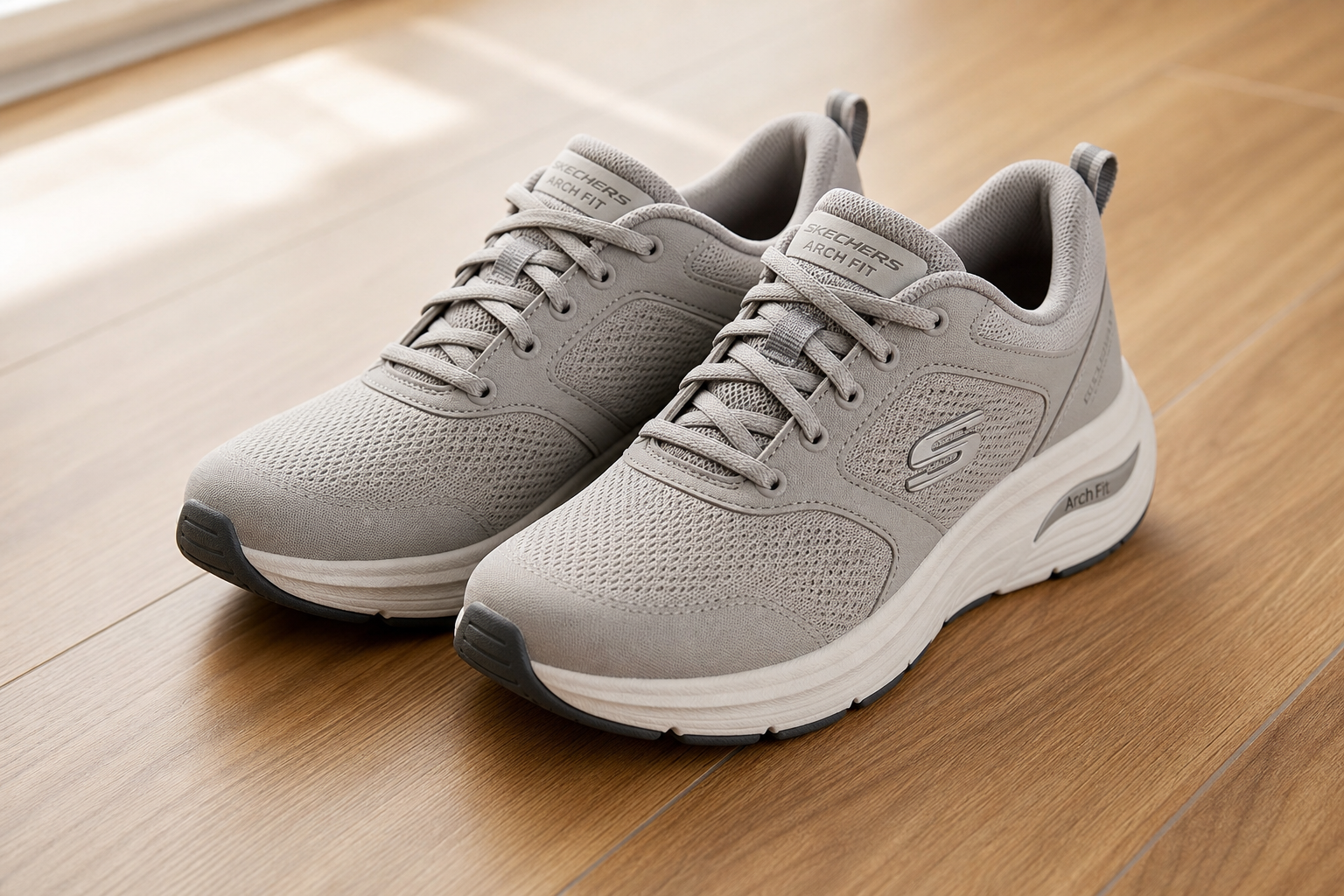
This is the area where people consistently underinvest, and they pay for it with blisters, shin splints, or knee pain that has nothing to do with their fitness level and everything to do with their shoes.
You don’t need the most expensive shoe on the market, but you do need a few specific things:
- A wide toe box. Feet naturally spread with age, and a narrow toe box causes pressure points fast.
- Firm heel counter. Press the back of the shoe. It should feel structured, not floppy.
- Adequate cushioning without excessive instability. Thick rocker-sole shoes look appealing but can actually worsen balance for some people.
- Non-slip outsole. Especially important for outdoor walking on wet pavement or uneven surfaces.
Brands like New Balance, Brooks, and Saucony tend to get strong marks from older walkers. The New Balance 928 and Brooks Addiction Walker are two models specifically designed for stability and wide-fit comfort.

Walking Shoes for Seniors
Supportive, non-slip walking shoes designed specifically for seniors with wider toe boxes and stable cushioning.
Also worth considering: compression socks can reduce leg fatigue on longer walks and help with circulation, especially if you tend to have swollen ankles by the end of the day.
One tip that’s easy to overlook: replace walking shoes every 300 to 500 miles, or roughly every six to twelve months if you’re walking regularly. The cushioning compresses long before the upper looks worn out.

Compression Socks for Walking Seniors
Helps reduce leg fatigue and improve circulation during and after longer walks.
Pacing by Perceived Effort: Skip the Gadgets at First
Heart rate monitors and fitness apps can be useful tools, but if you’re just starting out, the simplest pacing method is the talk test. If you can hold a conversation without gasping but couldn’t sing a full song, you’re in the right zone. That’s roughly a 4 to 5 out of 10 on the Rate of Perceived Exertion (RPE) scale.
For the first two weeks especially, aim to feel slightly warm and mildly breathless, not winded. Walking should feel like exercise, but it shouldn’t feel like punishment.
Once you’re past week two and building duration, you can start using a simple fitness tracker to monitor steps or distance if that motivates you. Our roundup of fitness tracking apps for seniors covers some great options that don’t require a steep learning curve.
Your 4-Week Walking Plan

This plan is designed to build the habit gradually, giving your joints, muscles, and cardiovascular system time to adapt. Start every session with two to three minutes of slow, easy walking to warm up, and end the same way.
Week 1: Build the Habit
Walk 10 to 15 minutes per session, three days per week. Focus entirely on consistency, not pace or distance. Choose a flat, familiar route.
Week 2: Add a Fourth Day
Increase to four days per week. Keep sessions at 15 to 20 minutes. Pay attention to how your feet and knees feel the day after each walk. Mild muscle fatigue is normal. Joint pain that lingers is a signal to slow down.
Week 3: Increase Duration
Push two of your four sessions to 25 minutes. Keep the other two at 20 minutes. On your longer days, try including one gentle incline if terrain allows.
Week 4: Build Toward 30 Minutes
Three of your four sessions should now be 25 to 30 minutes. If you’re feeling good, add a fifth short day. You’ve now built a base that most exercise guidelines for older adults recommend: 150 minutes of moderate activity per week.
If you want to keep progressing after week four, consider adding light resistance work a couple of days per week. A 12-week progressive resistance training program pairs well with a walking routine and helps protect the muscle mass that tends to decline after 60.
Supporting Your Walks With Better Nutrition

You don’t need to overhaul your diet, but a couple of small adjustments can help you feel better during and after walks. Eating a light snack with some protein and carbohydrates about an hour before a longer walk helps sustain your energy. Our guide on pre-workout nutrition for senior athletes has simple, practical ideas that work even if “athlete” feels like a stretch.
After your walks, protein helps your muscles recover and adapt. If you’re not getting enough through meals, a quality protein supplement can fill the gap. Supporting your joints with good nutrition is also worth thinking about. Vitamin D and calcium play a direct role in bone health, especially if you’re walking on hard surfaces regularly. Our article on vitamin D for senior bone and muscle health covers what to look for and why it matters more after 60.
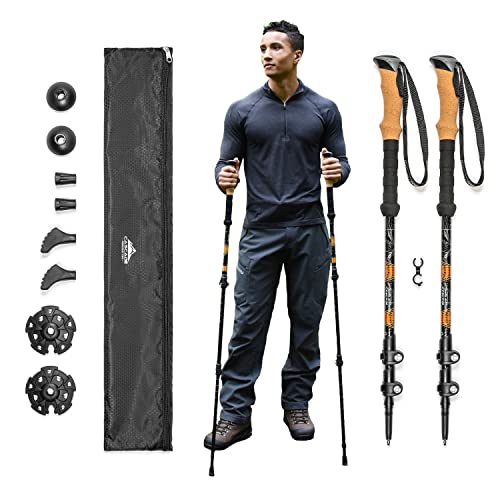
Trekking Poles for Senior Walkers
Lightweight adjustable poles that improve stability on uneven terrain and reduce knee stress on hills.
Frequently Asked Questions
How far should a 65-year-old walk per day?
There’s no single right answer, but 7,000 to 10,000 steps per day is a widely cited range for general health. If you’re just starting out, don’t worry about step counts. Focus on building duration first. Twenty to thirty minutes of consistent walking per day, most days of the week, is a meaningful and realistic goal for most people in their 60s.
Is it okay to walk every day, or do I need rest days?
Gentle walking every day is generally fine for healthy older adults. It’s lower impact than most people assume. That said, if you’re walking briskly or on hilly terrain, one or two rest days per week lets your joints and soft tissue recover. Listen to how your body feels the morning after a walk. Lingering soreness or stiffness is a sign to back off.
What should I do if I feel pain in my knees when walking?
Mild achiness during the first week or two can be normal, especially if you’ve been sedentary. Sharp pain, swelling, or pain that gets worse as you walk are different signals and worth paying attention to. Check your footwear first, since poor shoe support causes a surprising amount of knee discomfort. If pain persists after adjusting your shoes and reducing your pace, check in with your doctor. You might also find the article on arthritis-friendly exercises for seniors helpful if joint stiffness is a recurring issue.
This article contains affiliate links. We may earn a small commission at no extra cost to you.