Getting enough protein becomes more important as you age, not less. After 60, your body gradually loses muscle mass, a process called sarcopenia, and research suggests older adults actually need more protein per pound of body weight than younger people to maintain strength and function. Whole foods like eggs, Greek yogurt, chicken, and legumes should always be your foundation. But sometimes a quality supplement fills the gap on busy days or after a hard workout.
This guide covers what actually matters when choosing a protein supplement as a senior: how much protein you’re getting, how well your body can absorb it, and what added nutrients are worth having. If you have kidney disease or reduced kidney function, please talk to your doctor before adding any protein supplement. Higher protein intake isn’t appropriate for everyone.
What to Look for in a Senior Protein Supplement
Protein Content and Quality
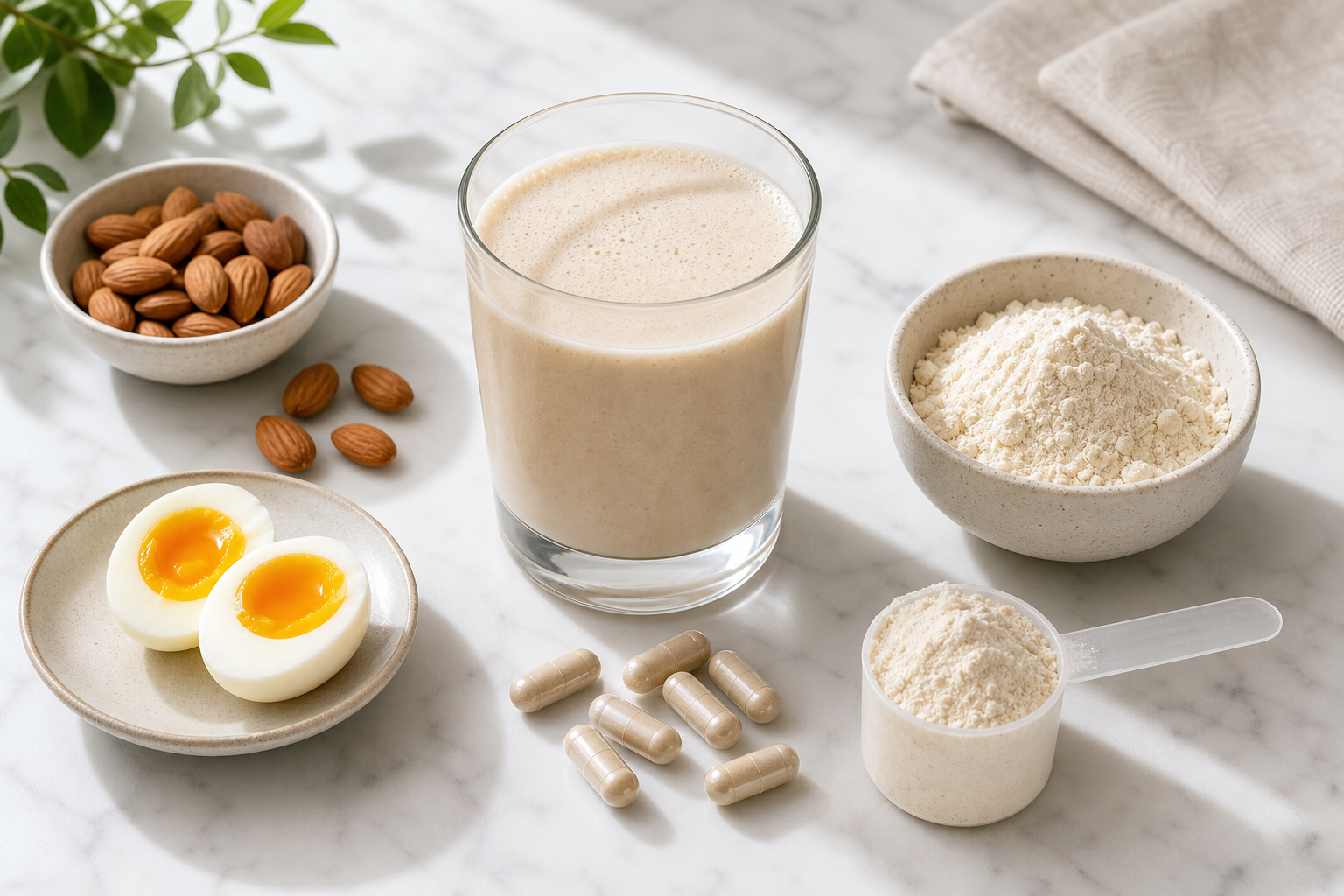
Aim for at least 20 to 30 grams of protein per serving. Some products marketed to seniors sneak in only 10 to 15 grams, which isn’t enough to meaningfully support muscle protein synthesis in an older adult. Check the label carefully.
Protein quality matters just as much as quantity. Look for a high leucine content, since leucine is the amino acid most responsible for triggering muscle repair. Whey protein has the highest leucine content of any common protein source, which is why it’s often recommended first. If you’re lactose intolerant or prefer plant-based options, a blend of pea and rice protein comes closest to matching whey’s amino acid profile. Avoid products where the first ingredient is collagen, since collagen supplements serve a different purpose and are not a complete protein source.
Digestibility
Digestive issues are common with protein powders, especially whey concentrate. If you’ve had bloating or stomach upset before, try whey isolate instead. The extra processing removes most of the lactose and fat, making it much easier to digest.
Plant-based proteins can also cause digestive discomfort if they’re not properly processed. Look for products that include digestive enzymes like protease or bromelain in the ingredient list. Your gut health plays a real role in how well you absorb nutrients, and if digestion is a recurring concern, our guide on gut health and digestion for active seniors is worth reading alongside this one.
Added Nutrients Worth Having
A good senior protein supplement often includes a few bonus nutrients that fill common gaps in older adults’ diets.
- Vitamin D: Many seniors are deficient, and it plays a direct role in muscle function. Check our article on Vitamin D for senior bone and muscle health for more context.
- Calcium: Useful if dairy intake is low, though it shouldn’t be the sole source.
- B vitamins: Support energy metabolism and are harder to absorb after 60 due to reduced stomach acid.
- Creatine: A few senior-focused formulas now include small amounts, which is a genuine plus for muscle strength.
Skip products loaded with artificial sweeteners, fillers, or long ingredient lists you can’t pronounce. Simpler is usually better.
Top Picks to Consider

Whey isolate formulas are consistently the top recommendation for most seniors because of their high leucine content, easy digestibility, and clean ingredient profiles. Look for products with third-party testing certification, such as NSF Certified for Sport or Informed Sport, which confirms the label matches what’s actually in the tub.
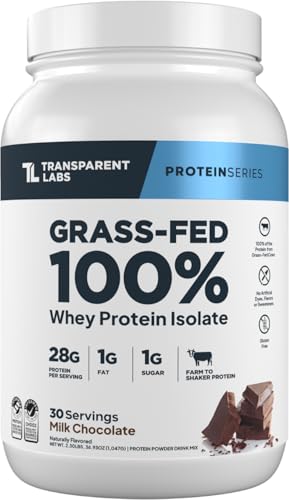
Whey Protein Isolate for Seniors
A clean, high-leucine option that’s easier on digestion than concentrate and supports muscle maintenance after workouts.
For those who prefer plant-based options, a pea and rice protein blend is your best bet. It’s dairy-free, soy-free, and provides a complete amino acid profile when the two proteins are combined. Timing it with a meal that includes leucine-rich foods helps compensate for the slightly lower absorption rate compared to whey. Pairing your supplement routine with good post-workout recovery meals makes a real difference in how your body uses the protein.

Pea and Rice Protein Powder Blend
A complete plant-based protein option with a full amino acid profile, ideal for dairy-free or vegan seniors.
If you’re doing resistance training and want to build strength rather than just maintain it, you might also look at our protein powder guide for seniors over 70 for more detailed breakdowns by fitness goal.
Frequently Asked Questions

How much protein do seniors actually need per day?
Most research now suggests 1.0 to 1.2 grams of protein per kilogram of body weight daily for older adults, which is higher than the standard recommended dietary allowance. Active seniors and those doing resistance training may benefit from going up to 1.5 grams per kilogram. Spreading intake across meals, rather than loading it all at dinner, also helps your body use it more effectively.
Is it safe to use protein supplements if I have kidney concerns?
Higher protein intake can put additional strain on the kidneys, which is a real concern for anyone with existing kidney disease or reduced kidney function. If you’ve been told your kidney function is below normal, or if you’re managing chronic kidney disease, don’t increase your protein intake without talking to your doctor or a registered dietitian first. For healthy seniors with no kidney issues, moderate protein supplementation is generally well tolerated.
This article contains affiliate links. We may earn a small commission at no extra cost to you.