Your heart has been beating steadily for your entire life, and at some point you start wondering whether it’s doing a good job. Checking your resting heart rate is one of the simplest ways to get a read on your cardiovascular health, and it takes about 60 seconds. For most seniors, it’s a reassuring number. For some, it’s a useful early signal worth sharing with a doctor.
This article covers what counts as normal, what changes with age, how to measure it accurately at home, and which devices are worth using. No scary statistics, just practical information you can actually use.
What Is a Normal Resting Heart Rate?
For adults of any age, a normal resting heart rate falls between 60 and 100 beats per minute (bpm). Most healthy adults sit somewhere between 60 and 80 bpm. If you’re physically active, your resting heart rate may be even lower, and that’s generally a good sign.
Being in the lower end of the normal range often means your heart is pumping efficiently. Highly conditioned athletes sometimes have resting heart rates in the 40s or low 50s. For a senior who walks regularly, does water aerobics, or plays pickleball, a resting rate in the high 50s or low 60s is completely reasonable.
The upper end of normal, around 80 to 99 bpm, isn’t cause for alarm on its own. Context matters. Stress, caffeine, dehydration, and even a busy morning can temporarily push your heart rate up. A single reading means less than a pattern over time.
How Age Affects Your Resting Heart Rate

Here’s something that surprises a lot of people: the normal resting heart rate range doesn’t actually change much as you get older. The 60-100 bpm guideline applies whether you’re 40 or 80.
What does change is the heart’s ability to speed up and recover quickly during exercise. The maximum heart rate tends to decline with age, which is why exertion feels harder and recovery takes longer. But your resting rate, the one you check while sitting quietly, remains a reliable measure throughout your senior years.
Certain medications common among older adults can affect your resting heart rate significantly. Beta-blockers, often prescribed for blood pressure or heart conditions, are designed to slow the heart down. If you’re on one, your resting rate might consistently sit in the 50s or even high 40s. That’s expected and not a problem. If you’re managing exercise alongside medications like these, the article on blood pressure medication and exercise precautions has useful context.
How to Measure Your Resting Heart Rate Accurately

Timing matters a lot here. The most accurate reading comes first thing in the morning, before you get out of bed, before coffee, and before checking your phone. Sit or lie quietly for a few minutes first if you can.
The Manual Method
Place two fingers, your index and middle fingers, on the inside of your wrist just below the base of your thumb. You’ll feel a pulse. Count the beats for 30 seconds and double it. That’s your heart rate in beats per minute.
Alternatively, press lightly on the side of your neck, just below your jaw. Some people find the neck pulse easier to feel. Don’t press too hard, as this can actually affect your reading.
Using a Device
Most modern fitness watches and heart rate monitors give you a resting heart rate reading automatically. They track your heart rate throughout the night and calculate an average during your lowest activity period, which tends to be the most accurate picture of your true resting rate.
A wrist-based heart rate monitor watch is one of the most convenient tools for tracking this consistently. Devices like the Fitbit Charge series or Garmin Vivosmart models give you a daily resting heart rate figure without any effort on your part. These are especially useful if you’re tracking trends over weeks or months.
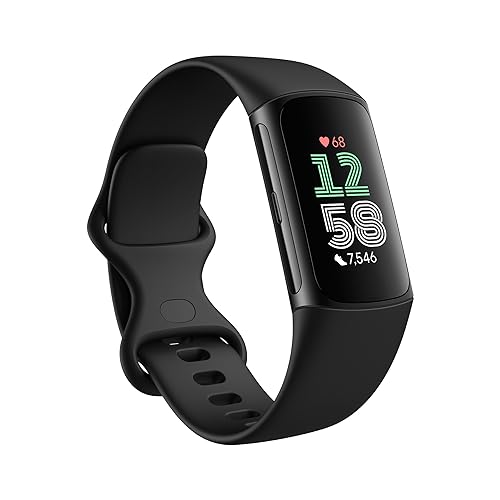
Fitbit Charge Fitness Tracker
Tracks resting heart rate automatically throughout the day and night, making it easy to spot trends without manual checks.
If you prefer something more clinical, a fingertip pulse oximeter clips onto your finger and displays both heart rate and blood oxygen saturation in seconds. These are inexpensive, easy to use, and don’t require any setup. They’re a solid option if you just want a quick occasional check rather than continuous tracking.

Fingertip Pulse Oximeter
An easy, affordable way to check both heart rate and blood oxygen levels in seconds, no apps or charging required.
If you’re already using a fitness tracker for workouts and want to get more out of it, the article on fitness tracking apps for seniors covers how to pair devices with apps that make the data actually useful.
What Can Raise or Lower Your Resting Heart Rate

Several everyday factors shift your resting heart rate up or down, and most of them are within your control.
- Regular aerobic exercise is the most effective way to lower resting heart rate over time. Consistent walking, swimming, cycling, or other cardio activity strengthens the heart muscle so it pumps more blood with each beat.
- Dehydration forces the heart to beat faster to circulate a reduced blood volume. Even mild dehydration pushes the number up.
- Stress and anxiety activate your nervous system and raise heart rate, sometimes significantly.
- Poor sleep tends to raise resting heart rate over time. Good sleep habits matter more than most people realize for cardiovascular health. The connection between sleep hygiene and exercise is worth understanding if your numbers seem inconsistently elevated.
- Caffeine and stimulants raise heart rate temporarily. Measure in the morning before coffee for the most accurate baseline.
- Illness or infection often raises heart rate noticeably, even before other symptoms appear.
Diet plays a background role too. An anti-inflammatory diet supports cardiovascular function in general, which over time can contribute to a steadier, lower resting rate.
When to Mention It to Your Doctor
A single unusual reading isn’t worth losing sleep over. What’s worth bringing up is a pattern, something that persists over several days or feels different from your personal norm.
Consider mentioning your resting heart rate to your doctor if you notice any of the following:
- A consistent resting rate above 100 bpm, especially if it’s new
- A resting rate below 50 bpm and you’re not on a beta-blocker or other rate-lowering medication
- An irregular pulse when you check manually (beats that feel uneven or skip)
- A noticeable and unexplained upward trend over several weeks
- A high resting rate that comes with symptoms like dizziness, fatigue, or shortness of breath
None of these automatically mean something is wrong. But they’re patterns worth discussing rather than ignoring. Your doctor can put the number in context with everything else they know about your health.
Frequently Asked Questions
Is a resting heart rate of 55 bpm too low for a senior?
Not usually. A resting heart rate in the 50s is common among people who exercise regularly, and it’s considered a sign of good cardiovascular fitness. If you’re on a beta-blocker or similar medication, low resting rates are expected. The number on its own isn’t worrying. If you feel fine, lightheadedness is really the main symptom to watch for if your rate is lower than usual.
How often should seniors check their resting heart rate?
Once a day, taken at the same time each morning, gives you the most useful data. If you have a fitness tracker that logs it automatically, a quick weekly review of your trend is enough. You don’t need to check it constantly. Checking too often, especially during or just after activity, gives readings that don’t reflect your resting baseline.
Can exercise lower my resting heart rate over time?
Yes, and this is one of the most well-documented effects of regular aerobic exercise. As your heart gets stronger, it pumps more blood with each beat, so it doesn’t need to beat as often to do the same amount of work. Most people who commit to consistent cardio activity over several months will see a measurable drop in their resting heart rate. Even moderate activity like daily walking makes a difference.
This article contains affiliate links. We may earn a small commission at no extra cost to you.