You’ve probably experienced it before. You finish a great workout, feel energized, and then toss and turn all night unable to fall asleep. Or maybe you’re dealing with the opposite problem: feeling too tired to exercise because you’re not sleeping well. For seniors, the relationship between physical activity and quality sleep can feel like a puzzle worth solving.
The connection between exercise and sleep is powerful, especially as we age. Regular physical activity can dramatically improve sleep quality, but timing and intensity matter more than most people realize. Understanding how to use exercise as a tool for better rest can transform both your nights and your days.
How Exercise Improves Sleep Quality in Seniors

Physical activity affects sleep through multiple pathways in your body. When you exercise, your core body temperature rises during the workout and drops afterward. This temperature decline mimics what naturally happens before sleep, signaling to your body that it’s time to rest.
Exercise also reduces anxiety and depressive symptoms, which are common culprits behind sleep disturbances in older adults. Regular movement helps regulate your circadian rhythm, the internal clock that tells your body when to feel alert and when to feel sleepy.
Research shows that seniors who engage in regular moderate exercise fall asleep faster, experience deeper sleep, and wake up less frequently during the night. One study found that older adults who exercised regularly gained about 1.25 hours of additional sleep per night compared to sedentary individuals.
Timing Your Workouts for Optimal Sleep

When you exercise matters just as much as whether you exercise. Morning and early afternoon workouts tend to be the sweet spot for most seniors looking to improve their sleep.
Exercising in the morning exposes you to natural light, which helps set your circadian rhythm. Your body learns to be alert in the morning and sleepy at night. Morning walks or light resistance training can energize your day without interfering with sleep later.
Early afternoon workouts, finishing by around 2 or 3 PM, also work well. You get the physical benefits without the stimulating effects carrying over into evening. Your body has plenty of time to cool down and transition toward its natural sleep state.
Evening exercise is trickier. Vigorous workouts within three to four hours of bedtime can interfere with sleep for many people. The increased heart rate, elevated body temperature, and adrenaline release keep your body in an activated state when it should be winding down.
That doesn’t mean you can’t move at all in the evening. Gentle activities like stretching, easy yoga, or a leisurely walk after dinner can actually promote better sleep. The key is keeping the intensity low.
Best Types of Exercise for Better Sleep
Not all forms of exercise affect sleep equally. Certain activities seem particularly effective at promoting restful nights for older adults.
Aerobic exercise consistently shows strong benefits for sleep quality. Walking, swimming, cycling, or water aerobics for 30 to 45 minutes several times per week can significantly improve how well you sleep. You don’t need to push yourself to exhaustion. Moderate intensity where you can still hold a conversation works well.
Strength training also helps with sleep, particularly when combined with aerobic activity. Using resistance bands, light weights, or bodyweight exercises two to three times per week supports better sleep patterns. Plus, maintaining muscle mass helps with overall health and mobility.

Resistance Bands Set
Perfect for strength training at home without putting stress on joints.
Tai chi and gentle yoga deserve special mention. These mind-body practices combine movement with breathing and relaxation techniques. Studies specifically on older adults show that regular tai chi practice improves both sleep quality and duration. The calming nature of these exercises makes them suitable even for evening practice.
Chair exercises work wonderfully for those with mobility limitations. You can still get meaningful physical activity that promotes better sleep without needing to stand or worry about balance.
Creating an Exercise-Friendly Evening Routine
Your evening routine sets the stage for quality sleep. After your last workout of the day, focus on activities that help your body transition into rest mode.
Start winding down about two hours before bed. If you exercised earlier in the day, this is simply about relaxation. Take a warm bath or shower, which helps lower your core body temperature after the initial warmth. This temperature drop signals sleep readiness to your brain.
Gentle stretching or foam rolling in the evening can release muscle tension accumulated during the day. Spend 10 to 15 minutes doing light stretches, focusing on areas that tend to hold tension like your neck, shoulders, and lower back.
Consider adding a lavender essential oil diffuser to your bedroom routine. The calming scent complements the physical relaxation from your stretching routine.
Avoid screens during this wind-down period. The blue light from phones, tablets, and TVs interferes with melatonin production. If you need something to do, try reading a physical book or listening to calming music instead.
Optimizing Your Sleep Environment
Even with the perfect exercise routine, a poor sleep environment can sabotage your rest. Your bedroom should support the work you’re doing through physical activity.
Keep your bedroom cool, ideally between 60 and 67 degrees Fahrenheit. This cooler temperature supports the natural drop in body temperature that occurs during sleep. After exercising, your body is already primed for this temperature decline.
Darkness matters more than most people realize. Use blackout curtains or a comfortable sleep mask to block all light. Even small amounts of light can disrupt your sleep cycle.
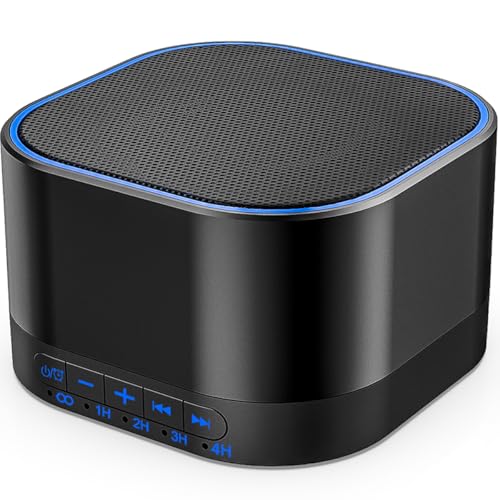
White Noise Machine
Masks disruptive sounds and creates a consistent audio environment for deeper sleep.
Your mattress and pillows need attention too. An uncomfortable bed can undo all the benefits of your exercise routine. If you wake up with aches and pains that weren’t there before bed, your sleep surface might be the problem.
Remove electronics from the bedroom entirely if possible. No TV, no phone charging on the nightstand. Your bedroom should be associated with sleep and rest, not stimulation and activity.
The Overtraining Trap

More exercise isn’t always better when it comes to sleep. Overtraining is a real concern, especially for seniors who are enthusiastic about their fitness routine.
When you push too hard without adequate recovery, your body releases excess cortisol, the stress hormone. Elevated cortisol levels can keep you awake or cause you to wake frequently during the night. You might feel tired but wired, unable to settle down.
Signs of overtraining include persistent fatigue, decreased performance, mood changes, increased resting heart rate, and paradoxically, trouble sleeping despite feeling exhausted. You might also notice more frequent illness or injuries that won’t heal.
Rest days aren’t optional. They’re when your body repairs and strengthens itself. Plan at least one or two complete rest days per week, or alternate between different types of exercise to avoid overworking the same muscle groups.
Listen to your body’s signals. If you’re consistently tired, dragging through workouts, or sleeping worse despite regular exercise, you might be doing too much. Scaling back often leads to better results, including improved sleep.
Finding Your Personal Balance
Everyone’s sweet spot for exercise timing and intensity differs slightly. What works perfectly for your friend might not work for you, and that’s completely normal.
Keep a simple log for two to three weeks. Note when you exercise, what type of activity you do, how intense it feels, and how well you sleep that night. Patterns will emerge showing you what schedule works best for your body.
Experiment with timing if your current routine isn’t producing good sleep. Try moving your workout a few hours earlier or later and see what happens. Give each change at least a week before deciding whether it helps.
Consider working with a fitness professional who specializes in senior fitness. They can help you design a program that matches your goals, abilities, and sleep needs. Sometimes an outside perspective spots issues you might miss.
Natural supplements like magnesium glycinate can support both exercise recovery and sleep quality. Many seniors are deficient in magnesium, which affects both muscle function and sleep. Always check with your doctor before adding supplements.
Frequently Asked Questions
How long does it take for exercise to improve my sleep?
Most people notice some improvement within two to four weeks of starting a regular exercise routine. However, the full benefits often take two to three months to develop as your body adjusts and your fitness improves. Consistency matters more than intensity during this adjustment period.
Can I exercise at night if morning workouts don’t fit my schedule?
You can exercise in the evening, but keep the intensity moderate to low and finish at least three hours before bedtime. Activities like gentle yoga, tai chi, or easy walking work better than high-intensity cardio or heavy strength training. Pay attention to how you respond and adjust accordingly. Some people tolerate evening exercise better than others.
What should I do if I’m too tired to exercise because I slept poorly?
Light movement often helps more than complete rest when you’re tired from poor sleep. Take a gentle walk or do some easy stretching rather than your usual intense workout. This maintains your routine without overtaxing your already-stressed system. As your sleep improves, you’ll have more energy for regular exercise, creating a positive cycle.
This article contains affiliate links. We may earn a small commission at no extra cost to you.