Pickleball has become one of the fastest-growing sports among seniors, and for good reason. It combines the best elements of tennis, badminton, and ping-pong into a low-impact game that’s easier on aging joints while still providing an excellent workout. The smaller court size means less running, the underhand serve is gentler on shoulders, and the slower pace gives you more time to react and position yourself.
If you’ve been looking for a fun way to stay active without the intensity of tennis or the repetition of walking, pickleball might be exactly what you need. This guide will walk you through everything from picking your first paddle to finding games in your area.
Why Pickleball Works So Well for Seniors
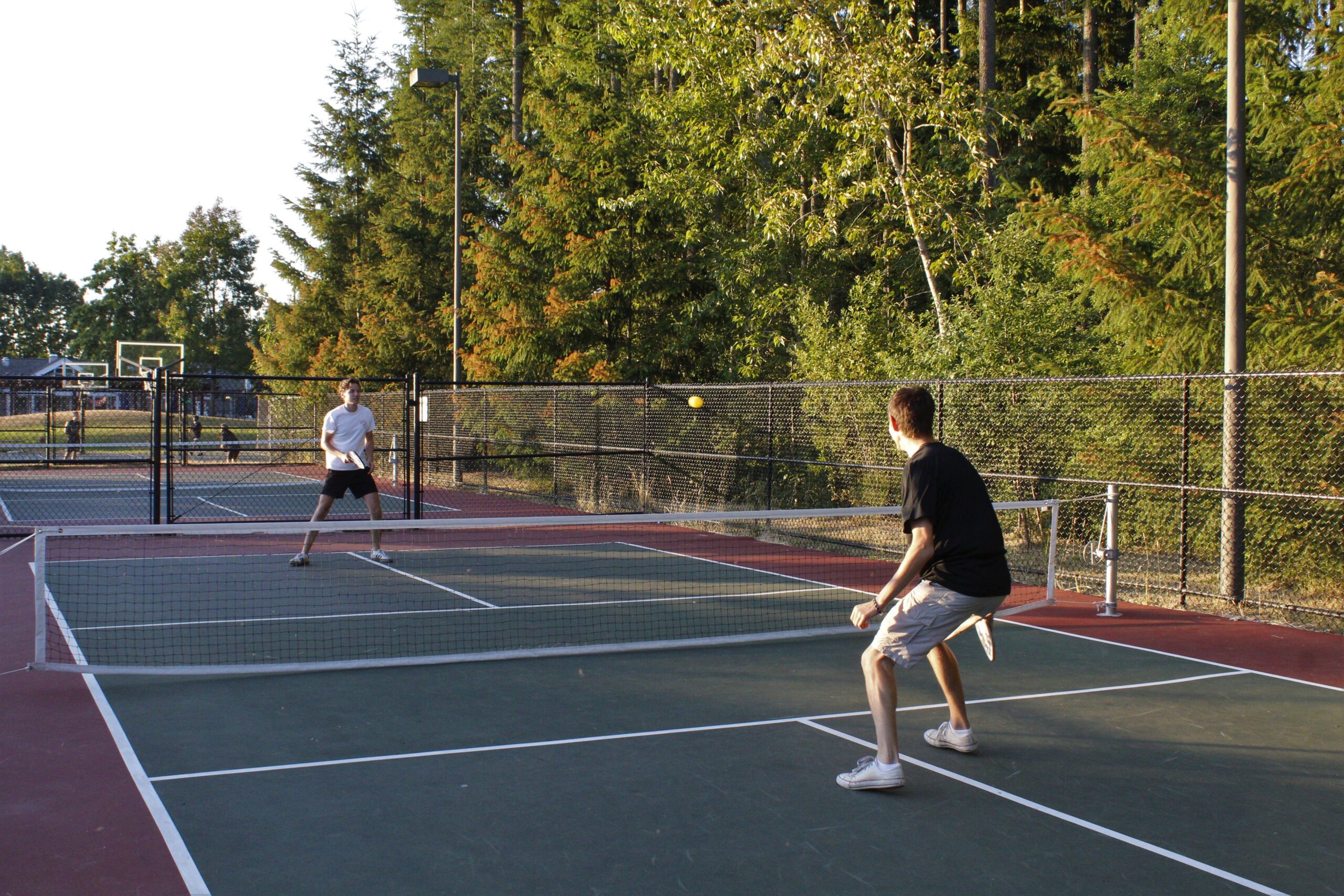
The game was actually invented in 1965 partly with older players in mind, and that thoughtful design shows. The court is only about a third the size of a tennis court, which means you can cover the playing area without excessive running or quick sprints that stress your knees and hips.
The plastic ball with holes travels much slower than a tennis ball, giving you more time to track it and get into position. You’ll also use a paddle instead of a strung racket, which reduces the vibration and shock that can aggravate elbow or wrist problems. Most rallies involve strategic placement rather than power, so you can be competitive regardless of your strength level.
The social aspect can’t be overstated either. Pickleball is almost always played as doubles, which means you’ll naturally meet people and build connections. Many seniors report that the friendships they’ve made on the court are just as valuable as the physical benefits.
Basic Rules You Need to Know
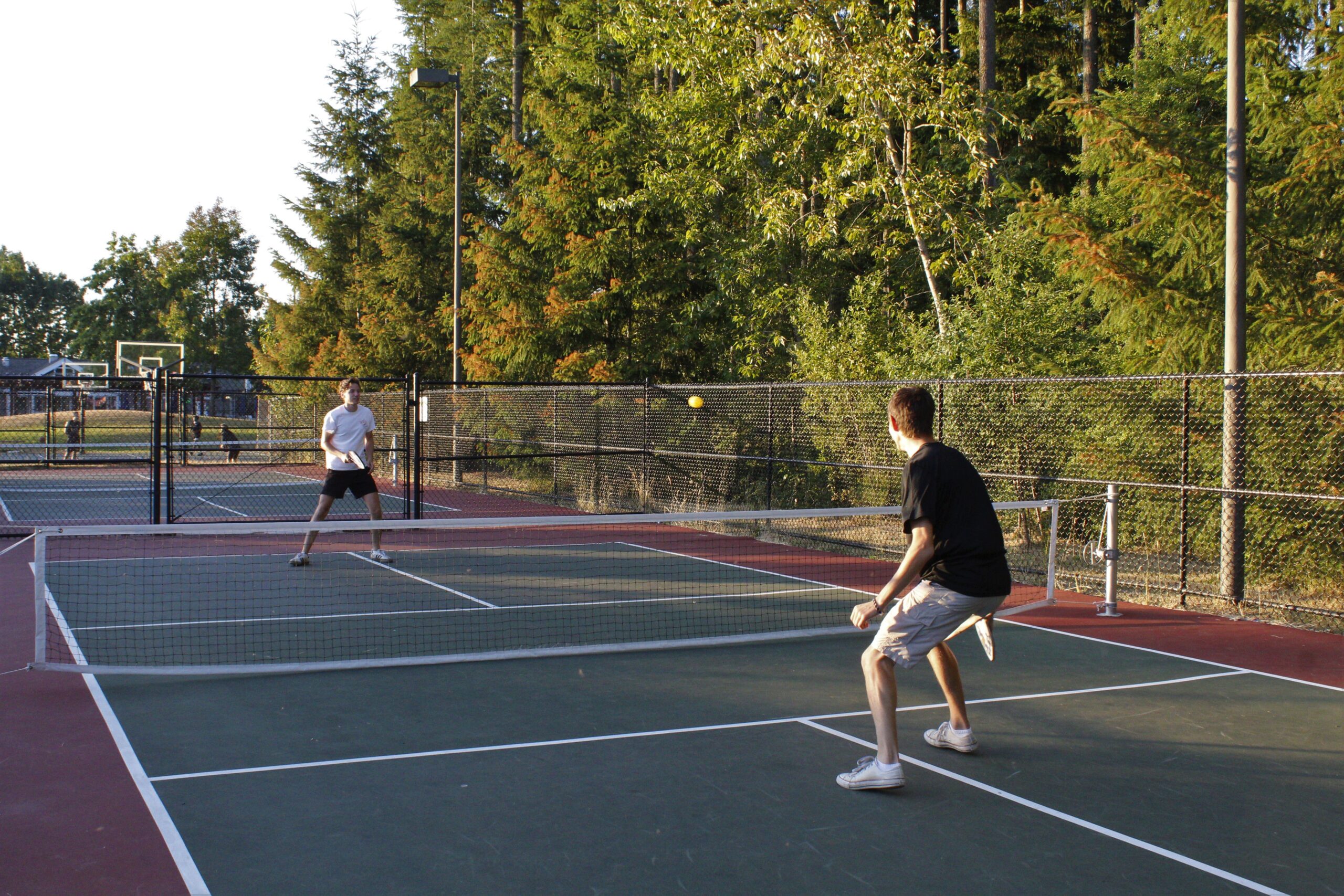
Pickleball is easier to learn than tennis, with simpler scoring and fewer rules to remember. Games are typically played to 11 points, and you can only score when your team is serving. The serve must be underhand and hit diagonally to the opposite court, similar to tennis.
The most unique rule is the “kitchen” or non-volley zone, which is a seven-foot area on both sides of the net. You can’t step into this zone and hit the ball in the air, which prevents aggressive net rushing and keeps rallies going longer. This rule actually makes the game more accessible because it removes the advantage of height and power.
After the serve, both teams must let the ball bounce once before hitting volleys. This “double-bounce rule” slows down the initial exchange and gives everyone time to get positioned. Once these two bounces happen, you can volley freely as long as you stay out of the kitchen.
Equipment to Get Started
You don’t need much to begin playing, which is another reason pickleball appeals to seniors on fixed incomes. A quality beginner pickleball paddle is your most important purchase. Look for something in the 7.5 to 8.5 ounce range with a medium-weight feel.
Lighter paddles offer better control and are easier on your arm, while heavier options provide more power. As a beginner, you’ll want to prioritize control and comfort over power. The paddle face should have a textured surface to help you put spin on the ball as you improve.

Niupipo Pickleball Paddle Set
Great value starter set that includes two paddles and balls so you can practice with a friend
For shoes, any court shoe with good lateral support will work. Don’t use running shoes, as they’re designed for forward motion and won’t give you the ankle support you need for side-to-side movement. Tennis or basketball shoes are both fine choices.
Comfortable athletic clothing that allows free movement is all you need otherwise. Many players like wearing dedicated court shoes and moisture-wicking shirts, but regular athletic wear works perfectly fine when you’re starting out.
Finding Courts and Lessons Near You
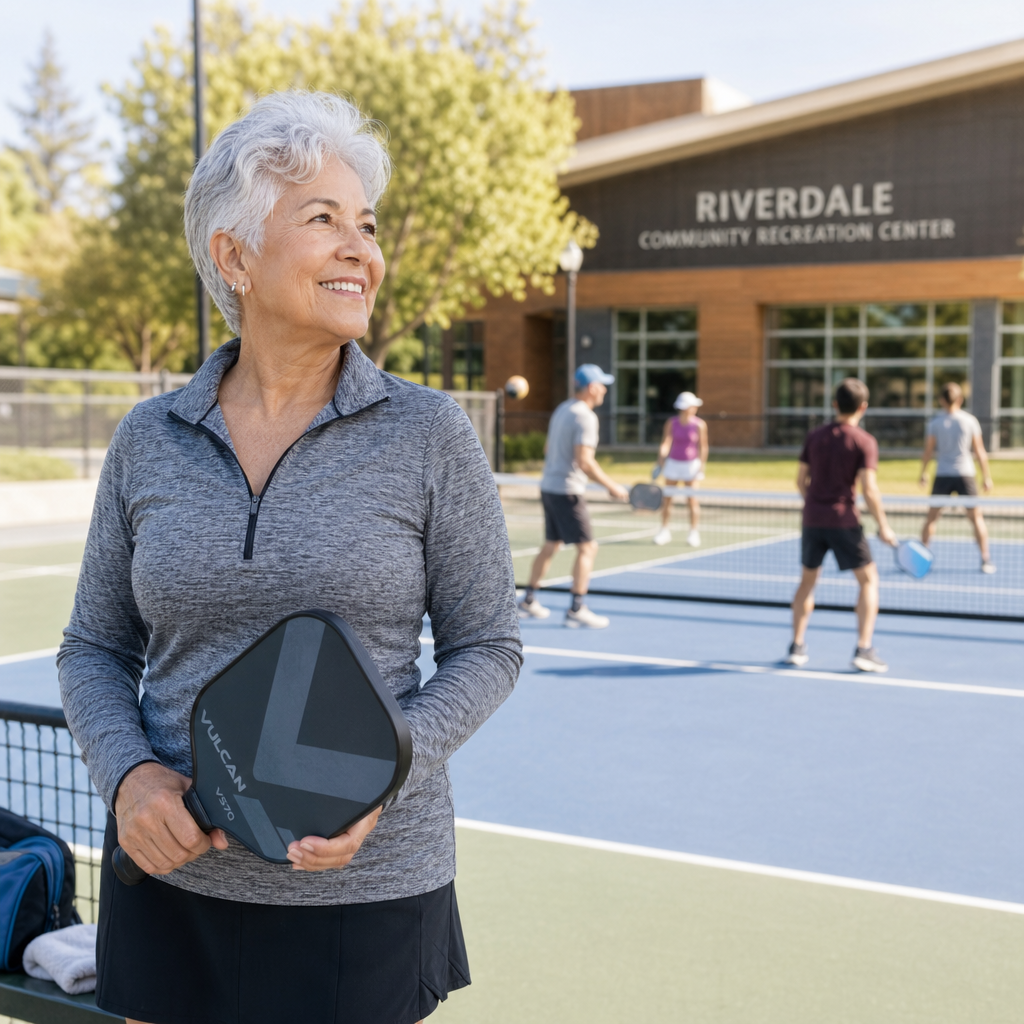
Most community centers, YMCAs, and parks departments now offer pickleball on converted tennis courts or dedicated facilities. The USA Pickleball Association has a court finder on their website where you can search by zip code to locate public courts in your area.
Many facilities offer free or low-cost beginner clinics specifically for seniors. These group lessons are ideal because you’ll learn alongside others at your skill level and immediately have potential playing partners. The instructor can watch multiple people and offer corrections in a supportive environment.
Senior centers are particularly good places to check, as they often schedule specific pickleball times for older adults. This takes the intimidation factor out of showing up to a court where younger, more competitive players might be dominating the games.
Private lessons cost more but can be worth it if you want personalized attention on your form and technique. Even just one or two sessions with a certified instructor can prevent you from developing bad habits that are harder to fix later.
Injury Prevention and Proper Form
The most common pickleball injuries for seniors are ankle sprains, knee pain, and shoulder strain. Warming up properly before playing reduces your risk significantly. Spend five minutes doing light cardio like walking or marching in place, followed by dynamic stretches for your legs, shoulders, and back.
Keep your knees slightly bent and stay on the balls of your feet when waiting for the ball. This athletic ready position helps you move quickly in any direction without putting excessive stress on your joints. Avoid flat-footed standing, which makes you slower to react and harder on your knees.
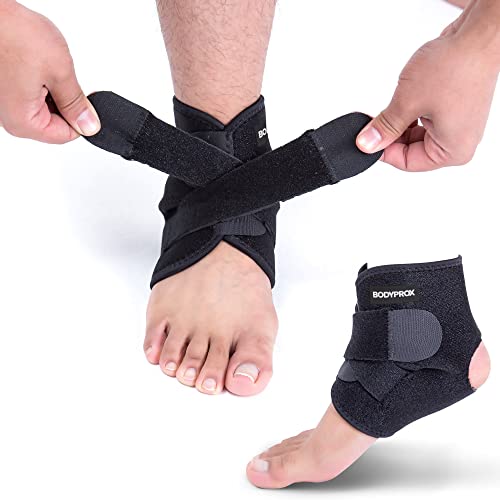
Shock Doctor Ankle Brace
Provides excellent stability if you have weak ankles or previous injuries without restricting movement
For serving and hitting, use your legs and core rather than just your arm. Step into your shots and rotate your hips, which generates power more safely than swinging hard with just your shoulder. This technique also improves your accuracy and consistency.
Listen to your body and take breaks when needed. Pickleball can be so fun that you forget you’re exercising, but playing through pain is how injuries happen. Start with shorter sessions of 30-45 minutes and gradually increase as your fitness improves. If you need additional ways to build strength and balance for the court, complementary exercises can help prepare your body for the demands of the game.
Progressing from Beginner to Intermediate
Your first few games should focus on just getting the ball over the net and in bounds. Don’t worry about strategy or fancy shots yet. Work on developing a consistent serve and return, which forms the foundation of everything else.
As you get comfortable with basic rallies, start working on dink shots. These are soft shots hit from the kitchen line that just barely clear the net and land in your opponent’s kitchen. Dinking is the heart of pickleball strategy and separates intermediate players from beginners.
Practice moving forward to the kitchen line after your return of serve. Beginners tend to stay back at the baseline, but you’ll win more points by controlling the net. Move up together with your partner and communicate about who’s taking balls hit down the middle.
Playing with people slightly better than you accelerates your improvement. Don’t be shy about asking stronger players for tips or if you can join their game. The pickleball community is generally welcoming, and most experienced players remember being beginners themselves.
Health Benefits Beyond the Court
Regular pickleball play improves your cardiovascular health without the joint stress of jogging or high-impact aerobics. Studies show that an hour of recreational pickleball burns 250-350 calories while getting your heart rate into the moderate exercise zone.
The hand-eye coordination required helps maintain neural pathways and cognitive function. You’re constantly tracking a moving ball, judging distances, and making split-second decisions about shot placement. This mental engagement is just as valuable as the physical workout.
Balance and agility improve naturally through regular play. You’ll be moving in multiple directions, changing speeds, and maintaining stability while hitting shots. These functional fitness improvements carry over into daily life, reducing fall risk and making everyday activities easier.
The social connections you build can significantly impact your mental health and overall wellbeing. Many seniors report feeling more motivated to stay active when they have regular playing partners counting on them to show up. Combined with resistance training to maintain muscle strength, pickleball can be part of a comprehensive fitness approach for healthy aging.
Frequently Asked Questions
Is pickleball too hard on my knees if I have arthritis?
Pickleball is actually one of the better options for people with knee arthritis because the court is small and the movements are less explosive than tennis. That said, you should talk with your doctor first and consider wearing a supportive knee brace if needed. Start slowly with short sessions and focus on proper footwork rather than lunging for difficult shots.
How long does it take to learn pickleball as a complete beginner?
Most people can play a basic game after just one or two lessons. You’ll understand the rules and be able to rally within your first hour on the court. Becoming a solid intermediate player typically takes 3-6 months of regular play, usually 2-3 times per week. The learning curve is much faster than tennis, which is part of why the sport has become so popular.
Can I play pickleball if I’ve never been athletic?
Absolutely. Pickleball is one of the most accessible racket sports because it doesn’t require exceptional speed, strength, or coordination to enjoy. You’ll improve gradually through regular play, and the social atmosphere makes it fun even when you’re still learning. Many successful pickleball players took up the sport in their 60s or 70s with no prior racket sport experience. If mobility is a concern, you can also explore low-impact seated cardio options to build your fitness foundation before hitting the court.
This article contains affiliate links. We may earn a small commission at no extra cost to you.