The 10,000-step target has been burned into the public consciousness for decades, but it was never based on science. It originated as a marketing slogan for a Japanese pedometer in the 1960s, and it stuck.
Recent large-scale studies have finally given us evidence-based step targets for older adults, and the numbers are both reassuring and motivating. You probably need fewer steps than you think to get major health benefits.
What the Latest Research Shows
The Harvard Study (Women’s Health Study)
A landmark study from Harvard, tracking over 16,000 older women (average age 72), found that mortality risk decreased steadily as daily steps increased from about 2,700 to 7,500 per day. Above 7,500 steps, the additional mortality benefit was minimal.
Women who walked about 4,400 steps per day had 41% lower mortality than those who walked 2,700 steps. The takeaway: you don’t need 10,000 steps. Every step above your baseline helps, and the biggest gains happen in the 4,000-7,500 range.
The study measured actual walking patterns over years, not self-reported guesses. Participants wore research-grade accelerometers that captured every step throughout normal daily life.
What emerged was a clear dose-response curve: more steps meant lower risk, but that benefit leveled off well before 10,000. The steepest part of the curve sat between 2,700 and 7,500 steps, meaning that’s where each additional 100 steps delivered the most impact.
For women starting below 3,000 steps daily, even small increases mattered. Getting from 2,700 to 3,500 steps reduced mortality risk by about 25%. That’s roughly an extra 8-minute walk per day producing measurable long-term health changes.
The STEPS for Health Study
A meta-analysis published in The Lancet combined data from over 47,000 adults across multiple countries. For adults over 60, the optimal step count for reducing all-cause mortality was approximately 6,000-8,000 steps per day.
Beyond 8,000 steps, the additional benefit was negligible for this age group (though stepping more isn’t harmful). The study broke down findings by age. Adults under 60 saw continued benefit up to about 10,000 steps. For those 60 and older, the curve flattened considerably after 8,000.
This doesn’t mean walking more is pointless, but it means you’re not leaving major health gains on the table if 6,000-7,000 is your comfortable maximum.
Researchers also noted that step quality and distribution throughout the day influenced outcomes. People who accumulated their steps through normal daily movement rather than a single long walk had slightly better cardiovascular markers. The body responds well to frequent movement interruptions rather than long sedentary blocks followed by exercise.
The NIH Step Count Study
National Institutes of Health research confirmed that for adults over 65, the relationship between steps and health benefits follows a curve of diminishing returns. The steepest benefit curve (the range where each additional step provides the most improvement) is between 3,000 and 7,000 steps per day.
This NIH work examined specific health markers beyond mortality. Blood pressure improvements were strongest in the 3,000-6,000 step range. Glucose regulation benefited most from 4,000-7,000 steps.
Inflammatory markers (C-reactive protein, for example) dropped as step counts increased from sedentary levels to about 6,500 steps, then plateaued.
The research also addressed consistency. Walking 5,000 steps most days produced better outcomes than averaging 7,000 but skipping three days per week. Your body adapts to regular stimulus. Erratic patterns don’t provide the same cardiovascular conditioning or metabolic benefits.
Step Targets by Age and Fitness Level

- Sedentary starting point (any age over 60): If you’re currently walking fewer than 3,000 steps daily, your first goal is reaching 4,000-5,000. This alone provides significant health improvements.
- Moderately active (ages 60-70): 6,000-8,000 steps per day captures most of the health benefits. This is about 2.5-3.5 miles depending on stride length.
- Active (ages 60-70): 8,000-10,000 steps for those who want maximum cardiovascular benefit and enjoy walking longer distances.
- Adults 75+: 4,500-7,000 steps per day provides optimal health benefits based on current research. Higher counts are fine if you feel good, but don’t pressure yourself to hit arbitrary high targets.
Stride length matters for translating steps to distance. Average stride for older adults is 2-2.5 feet. A shorter stride (common with balance concerns or joint issues) means 6,000 steps might be 2 miles instead of 3. That’s fine. The step count itself drives the health benefit, not the ground covered.
Balance considerations become more important after 75. If your walking involves terrain changes, uneven surfaces, or crowded areas requiring quick direction changes, fewer steps on challenging terrain may provide better functional benefit than higher step counts on flat, obstacle-free routes.
Walking 5,000 steps that include curbs, slight inclines, and turns exercises balance and coordination alongside cardiovascular health.
How to Increase Your Step Count Safely
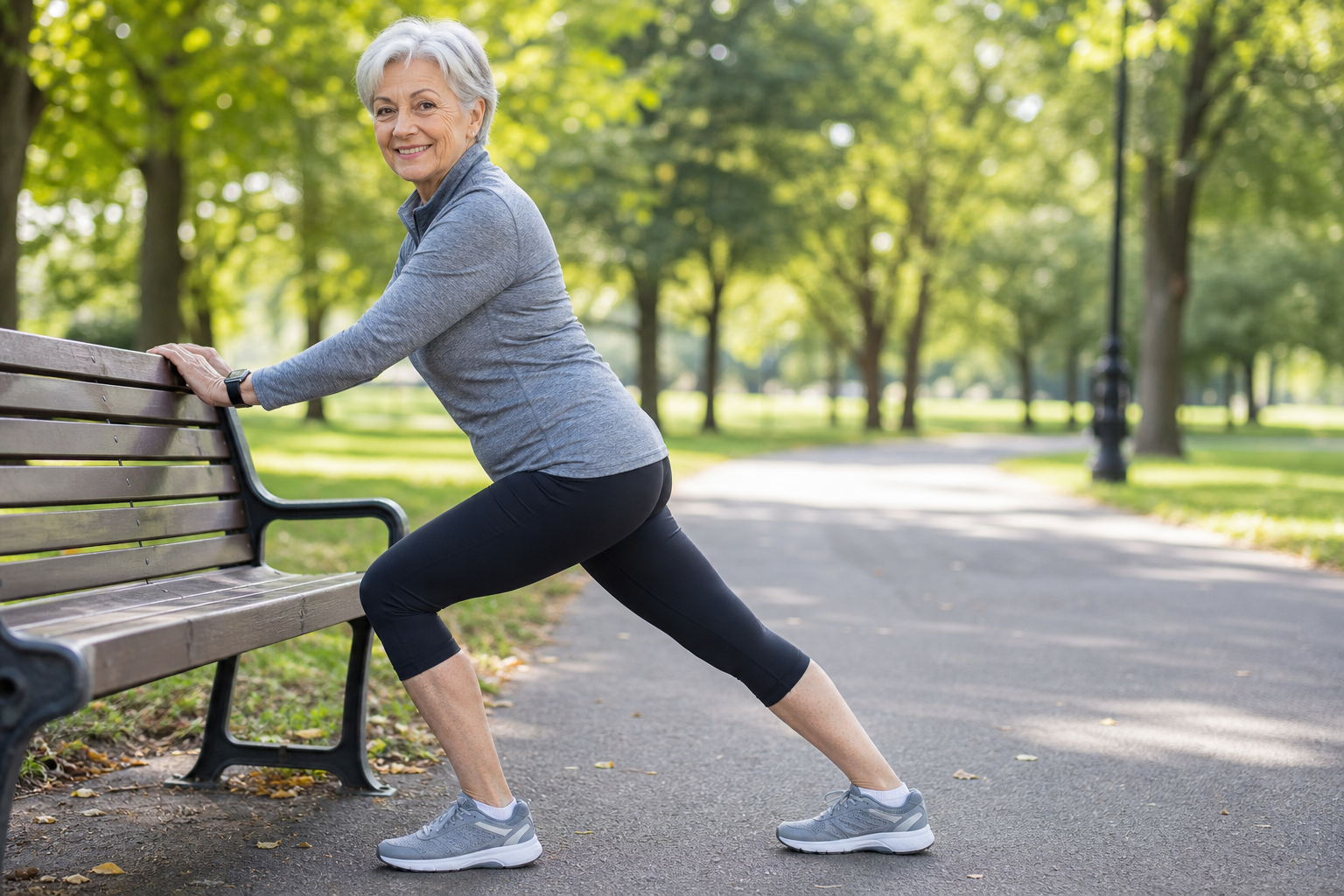
The most important number is your current average, not anyone else’s target. Find your baseline by wearing a pedometer or checking your phone’s step counter for a typical week.
Your improvement goal is 500-1,000 additional steps per week above that baseline.
Week 1: Baseline + 500 steps (about 5 extra minutes of walking)
Week 2: Baseline + 1,000 steps (about 10 extra minutes)
Week 3: Baseline + 1,500 steps (about 15 extra minutes)
Continue this pattern until you reach your target range. The gradual approach prevents the overuse injuries that happen when people try to jump from 2,000 to 8,000 steps overnight.
Track how your body responds each week. Some joint stiffness the day after increasing steps is normal. Sharp pain, persistent aches that don’t resolve with a rest day, or swelling around ankles or knees signals you’ve pushed too hard.
Drop back to the previous week’s count and hold there for another week before advancing again.
Footwear matters more as step counts increase. Shoes that felt fine for 3,000 daily steps might cause problems at 6,000. Look for supportive walking shoes with cushioning appropriate for your weight and foot arch.
Replace walking shoes every 300-500 miles. At 6,000 steps daily, that’s roughly every 6-8 months.
If you have arthritis in hips, knees, or ankles, consider where you add steps. Grass, rubberized tracks, and indoor mall floors absorb more impact than concrete sidewalks. Adding 2,000 steps on pavement strains joints more than the same increase on forgiving surfaces.
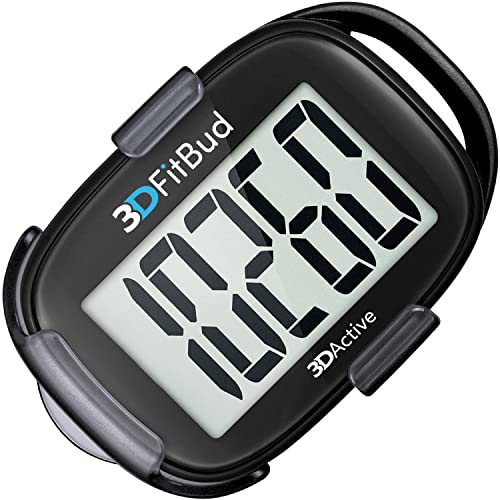
Simple Pedometer for Seniors
Large display and simple one-button operation make tracking steps effortless
Easy Ways to Add Steps Without a Dedicated Walk

- Park further away from store entrances (adds 200-400 steps per errand)
- Walk while on the phone (a 15-minute call can add 1,500 steps)
- Take a 10-minute post-meal walk after lunch and dinner (adds 2,000 steps and improves blood sugar)
- Walk during TV commercials (march in place or walk around the house during breaks, adding 500-1,000 steps per hour of TV)
- Split errands into separate trips rather than combining them into one car trip
Some people resist “extra” walking during errands, seeing it as wasted time. Reframe it: those 300 steps getting from a distant parking spot to the store are the same 300 steps you’d intentionally walk around the block later. You’re not adding time to your day, just redistributing movement you’d do anyway.
Indoor walking works when weather or safety concerns limit outdoor options. Shopping malls before stores open welcome walkers. Many have measured routes posted. A loop around a typical mall is 800-1,200 steps. Three loops before shopping gets you halfway to a 6,000-step day.
During extreme temperatures, consider hot weather safety or explore cold weather alternatives to maintain your walking routine year-round.
Household chores contribute more steps than you’d guess. Vacuuming a moderate-sized house adds 1,000-1,500 steps. Cooking dinner with multiple trips between counter, stove, and refrigerator adds 400-600 steps. Gardening, even light work like watering or deadheading flowers, can add 2,000 steps per hour.
Post-meal walks serve double duty. The step count obviously helps, but walking within 30 minutes of eating also blunts blood sugar spikes. Even a slow 10-minute walk measurably improves glucose handling compared to sitting after a meal.
For people managing diabetes or prediabetes, this timing multiplies the value of those steps.
Step Intensity Matters Too
Not all steps are created equal. Research from the University of Sydney found that “purposeful steps” (brisk walking at a pace that elevates your heart rate) provide greater cardiovascular benefit than casual steps at the same total count.
You don’t need to speed-walk your entire daily total, but including at least 3,000 of your daily steps at a brisk pace (roughly 100 steps per minute or faster) amplifies the benefits.
A practical approach: walk at your normal pace for errands and daily movement, then do one dedicated 15-30 minute brisk walk at a pace where talking is slightly difficult. This combination covers both your step count and your intensity needs.
Brisk doesn’t mean breathless. You should be able to speak in short sentences but not comfortably hold a full conversation. If you can’t catch your breath to speak at all, slow down. If you can chat easily without any increase in breathing effort, pick up the pace slightly.
Cadence (steps per minute) offers an easier intensity gauge than heart rate for most people. Casual walking sits around 80-90 steps per minute. Brisk walking for cardiovascular benefit starts around 100 steps per minute. Very fit walkers might sustain 110-120.
You don’t need a metronome. Just count your steps for 30 seconds and double it. If you’re below 50 in that 30-second window, intentionally quicken your pace.
Terrain affects intensity too. Walking 100 steps per minute on flat ground is moderate intensity. That same cadence on a mild uphill becomes vigorous intensity. Walking downhill at 100 steps per minute is easier than flat ground.
Use terrain as a natural intensity modifier. Include some hills in your brisk walk rather than always seeking flat routes.
Interval walking offers another approach. Walk briskly for 2 minutes, then slow to your normal pace for 3 minutes. Repeat this pattern for 20-30 minutes. This intermittent intensity may provide cardiovascular benefits similar to sustained brisk walking with less joint stress and fatigue.
When Steps Aren’t the Right Goal
Step counting doesn’t suit everyone. If you have significant balance issues, severe arthritis, or recent joint replacement, quality of movement matters more than quantity.
A physical therapist can design a walking program focused on gait mechanics, balance, and joint protection rather than step volume. For those recovering from surgery, our guide on safe return to activity offers specific timelines and precautions.
Some medical conditions make step targets inappropriate without professional guidance. Uncontrolled heart failure, severe COPD, or unstable angina require supervised exercise progression. Talk to your doctor before starting a step-based program if you have cardiovascular or respiratory conditions.
Neuropathy in the feet complicates step counting. Reduced sensation means you might not notice developing blisters or pressure points until damage is done. If you have diabetic neuropathy, check your feet before and after walks.
Limit initial increases to 250 steps per week instead of 500, and prioritize well-fitted shoes with seamless interiors.
Tracking Your Steps
Most smartphones count steps automatically. Check your phone’s health app. It likely has days or weeks of step data already recorded. This gives you a baseline without buying anything.
Dedicated pedometers work better for people who don’t carry phones constantly or prefer a simple device. Look for models with large, easy-to-read displays. Features like memory to track weekly averages help more than complex graphs or syncing. A basic pedometer that counts steps and resets each night does the job.
Fitness trackers add heart rate monitoring and intensity data. This helps if you’re working on brisk walking intervals or want to see how much of your step count qualifies as moderate-intensity activity.
The extra features come at higher cost and more complexity. Start simple unless you specifically want the additional data. Our review of fitness tracking apps and activity trackers for arthritis can help you choose the right option.
Accuracy varies across devices. Most consumer step counters are within 10% of actual steps during normal walking. They struggle with very slow shuffling gaits or very short steps. They sometimes count arm movements or car vibrations as steps.
These errors roughly balance out over a full day. Your Tuesday count might be 200 steps high and your Wednesday count 200 low, but weekly averages tend toward accuracy.

Fitness Tracker for Seniors
Tracks steps, heart rate, and sleep with easy-to-read screens and simple setup
Frequently Asked Questions
Is 10,000 steps too many for seniors?
Not necessarily, but it’s more than most seniors need for optimal health. If you enjoy walking 10,000 steps and your joints tolerate it, continue. If 10,000 feels like an unreachable goal that discourages you from walking at all, know that 6,000-7,000 steps provides nearly identical health benefits with less time and joint stress.
The problem with 10,000 as a universal target is that it can discourage people who are nowhere close. Someone