If your doctor has flagged your blood pressure, you might be wondering whether exercise is even safe for you anymore. The short answer is yes, regular physical activity is actually one of the best things you can do for high blood pressure. But there’s a right way to go about it, and skipping a few key steps can turn a healthy habit into a real risk.
This guide walks you through the safest types of activity, common mistakes to avoid (including one breathing mistake that can spike your pressure in seconds), and how to monitor your numbers so you always know where you stand.
Talk to Your Doctor First. Seriously.
Before you lace up your sneakers, get clearance from your physician. This isn’t just boilerplate advice. Your doctor needs to know your current numbers, what medications you’re on, and whether you have any complications like left ventricular hypertrophy or kidney involvement that would change your exercise guidelines.
If you’re on blood pressure medications like beta-blockers or calcium channel blockers, your heart rate response during exercise may be blunted. That means using your pulse as a gauge for effort becomes less reliable, and you’ll need other ways to measure intensity. Your doctor can help you figure out what target ranges make sense for you specifically.
Ask your doctor for a specific blood pressure ceiling at which you should stop exercising. Most guidelines suggest not starting exercise if your resting blood pressure is above 180/110 mmHg. Get that number in writing if you can.
The Best Types of Exercise for High Blood Pressure

Not all exercise affects blood pressure the same way. Some types are much better suited for people managing hypertension, especially when you’re just getting started.
Aerobic Exercise
Steady-state cardio is your best friend here. Walking, swimming, cycling, and water aerobics are all excellent options. These activities keep your heart rate elevated at a moderate, consistent level without causing dramatic spikes in blood pressure.
Aim for 30 minutes of moderate aerobic exercise most days of the week. If 30 minutes feels like too much at first, break it into two 15-minute sessions. Research consistently shows that even this split approach delivers real cardiovascular benefits over time.
Low-impact options like the exercise bike or elliptical are worth considering if walking causes joint discomfort. Both keep you moving aerobically without hammering your knees or hips.
Strength Training (Done Carefully)
Resistance training is beneficial for blood pressure over the long term, but it requires more caution during the actual workout. The key rules are: use lighter weights with higher reps, never hold your breath, and avoid grinding through very heavy loads.
If you’re new to resistance work, a structured progressive resistance program is a smart place to start. It builds intensity gradually so your body adapts without being thrown into the deep end.
Activities to Be Careful With
High-intensity interval training, heavy powerlifting, and competitive sports that involve sprinting or sudden bursts of effort can cause sharp, temporary blood pressure spikes. These aren’t automatically off-limits, but they need medical clearance and more careful monitoring. Start conservatively and build from there.
The Breath-Holding Problem (And How to Fix It)
This is one of the most common and dangerous mistakes people make during exercise with high blood pressure. When you hold your breath during exertion, especially during resistance training, it’s called the Valsalva maneuver. It can cause your blood pressure to spike dramatically within seconds.
The fix is simple but requires conscious effort: exhale on exertion. If you’re doing a bicep curl, breathe out as you lift and inhale as you lower. If you’re doing a wall push-up, breathe out as you push away from the wall. Keep the breath moving continuously throughout each repetition.
If you catch yourself holding your breath, it usually means the weight or resistance is too heavy. Lighten the load until breathing consistently feels natural. This single habit change makes strength training significantly safer for people with hypertension.
Monitoring Your Numbers Before, During, and After Exercise
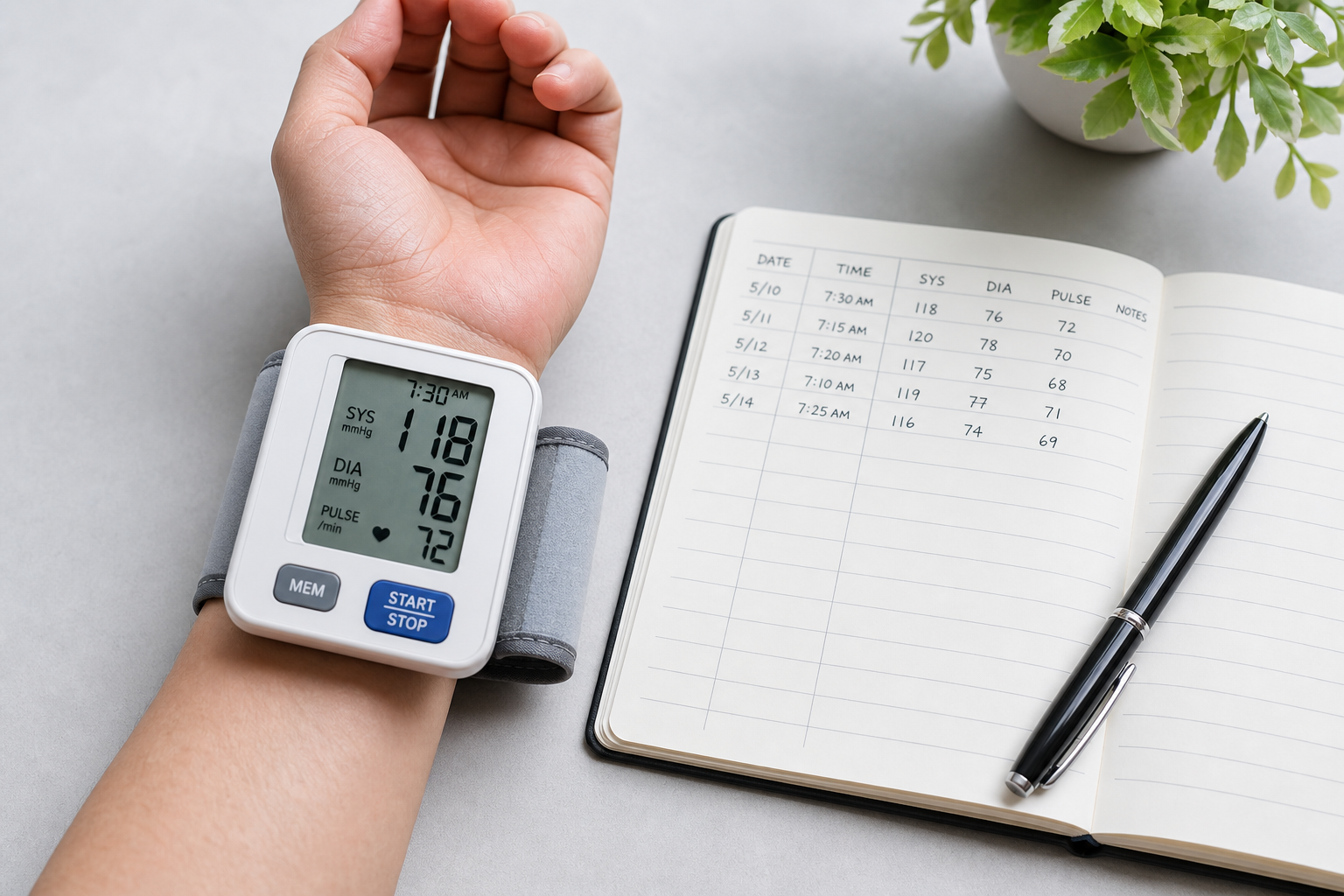
Tracking your blood pressure around workouts gives you real data about how your body is responding. It also helps you catch warning signs before they become emergencies.
Check your resting blood pressure before you start. If it reads above 180/110 mmHg, skip the workout for that day and contact your doctor. After exercise, it’s normal for blood pressure to drop slightly below your baseline. This is a healthy response called post-exercise hypotension, and it’s one of the reasons regular activity is so beneficial.
For home monitoring, an upper-arm cuff is more accurate than a wrist cuff for most people. The Omron Platinum is one of the most clinically validated home monitors available, with Bluetooth syncing to track trends over time. It stores multiple readings per user, which makes it easy to spot patterns.
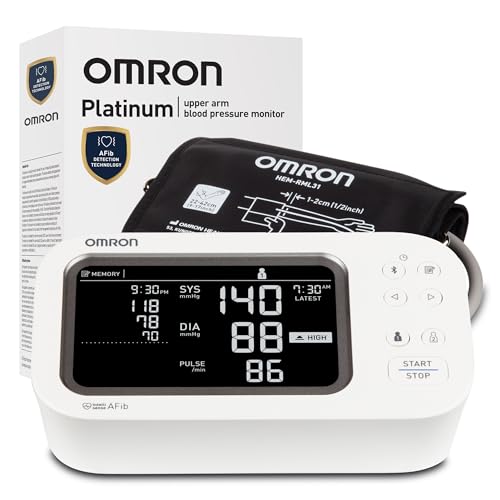
Omron Platinum Upper Arm Blood Pressure Monitor
Clinically validated for accuracy with Bluetooth tracking and multi-user memory, making it one of the most trusted home monitors for people managing hypertension.
Take your readings at the same time each day for consistency. Sit quietly for five minutes before measuring, keep your arm at heart level, and don’t measure right after eating, exercising, or having caffeine. These small details can skew your numbers significantly.
It’s also worth thinking about when you take your medications relative to when you exercise, as timing can affect both your blood pressure readings and your energy levels during activity.
Exercise Intensity: How to Gauge It Without Relying Only on Heart Rate
The “talk test” is a reliable and simple way to judge your effort level. If you can hold a short conversation but couldn’t belt out a song, you’re in a moderate aerobic zone. If you can’t get more than a few words out, you’re pushing too hard.
The Borg Rating of Perceived Exertion scale is another useful tool. On a scale of 6 to 20, aim to keep your perceived effort between 11 and 14 during moderate exercise. This range corresponds roughly to “light” to “somewhat hard” and is appropriate for most people with well-managed hypertension.
Using a fitness tracker to log your workouts and build consistency can also help. There are several fitness tracking apps designed with seniors in mind that make it easy to stay on track without getting overwhelmed by data.

Fitness Tracker with Heart Rate Monitor for Seniors
A simple wrist-based tracker helps you keep tabs on heart rate trends and activity minutes without requiring a smartphone to use every feature.
Warning Signs That Mean Stop Immediately

Know these symptoms and take them seriously. Stop exercising right away if you experience any of the following:
- Chest pain or pressure
- Severe shortness of breath beyond normal exertion
- Dizziness or lightheadedness
- Unusual headache, especially at the back of the head
- Heart pounding irregularly or very hard
- Vision changes
- Sudden weakness or numbness in any limb
These are not symptoms to push through. Sit or lie down, check your blood pressure if you have a monitor nearby, and call for help if symptoms don’t resolve within a few minutes.
Frequently Asked Questions
What blood pressure reading is too high to exercise?
Most guidelines recommend not starting an exercise session if your resting blood pressure is above 180/110 mmHg. At that level, the risk of a cardiovascular event during exercise increases significantly. Check in with your doctor and get their specific threshold for your situation, as your personal history and medications matter.
Can exercise actually lower blood pressure over time?
Yes, and the evidence is strong. Regular aerobic exercise can reduce systolic blood pressure by an average of 5 to 8 mmHg in people with hypertension. That’s a meaningful reduction, roughly equivalent to what some medications achieve. The benefits are cumulative, meaning you need to stay consistent to keep seeing results.
Is it safe to exercise if I’m already on blood pressure medication?
For most people, yes, but your medication type matters. As mentioned earlier, beta-blockers can slow your heart rate response, making heart-rate-based intensity guidelines less useful. Some medications can also cause blood pressure to drop sharply after exercise, which is worth being aware of. Review your exercise precautions based on your specific medication and always follow your doctor’s guidance before starting a new routine.
Building a Sustainable Routine
Start small, be consistent, and add intensity gradually over weeks rather than days. A 15-minute walk done regularly beats a 45-minute session done twice and then abandoned. Tracking your blood pressure readings alongside your workouts over several weeks will show you real trends, and those trends will motivate you to keep going.
Pair your exercise habit with supportive nutrition. What you eat after your workouts matters for recovery and cardiovascular health. Check out our guide to post-workout recovery meals for seniors for practical ideas that support heart health alongside your activity routine.
Managing blood pressure through exercise takes patience, but the payoff is real. With proper guidance, the right activities, and consistent monitoring, most people with hypertension can exercise safely and feel significantly better for it.
This article contains affiliate links. We may earn a small commission at no extra cost to you.