High cholesterol is one of the most common health concerns for adults over 60, and it’s a major driver of heart disease, stroke, and peripheral artery disease. While medications (statins) are the most powerful cholesterol-lowering tool, exercise provides meaningful improvements that complement medication and, for some people with borderline levels, may be sufficient on its own. Understanding how exercise affects each component of your cholesterol profile helps you train strategically for maximum cardiovascular protection.
Before starting any new exercise program, talk to your doctor. If you have existing heart disease, high blood pressure, diabetes, or joint problems, your doctor can help you identify safe intensity levels and appropriate exercises for your situation.
How Exercise Changes Your Cholesterol
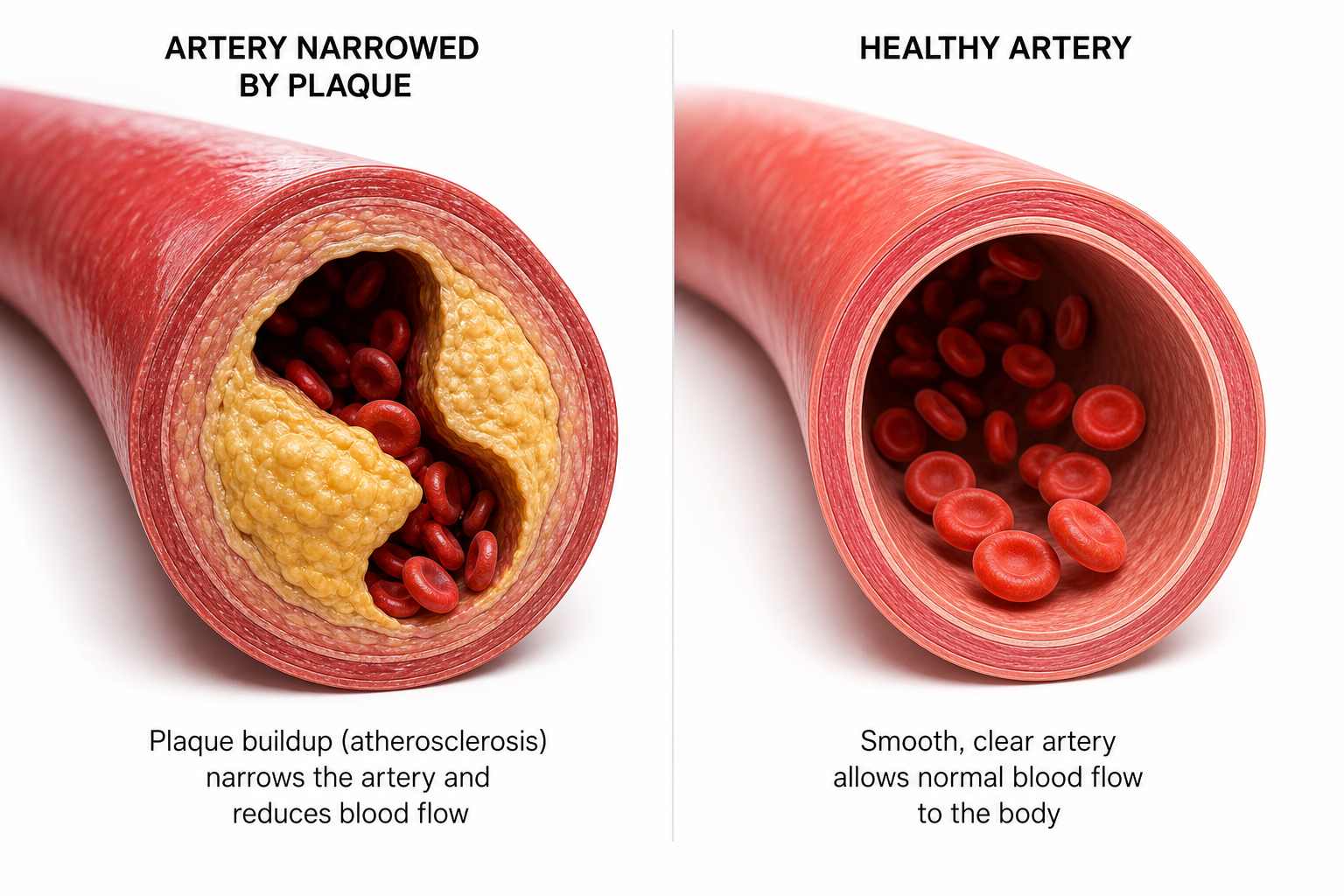
Raises HDL (“Good” Cholesterol)
This is where exercise shines brightest. Regular aerobic exercise raises HDL cholesterol by 5-10% on average, with some studies showing increases of up to 15%. HDL particles act as scavengers that remove LDL cholesterol from your artery walls and transport it to the liver for disposal. Higher HDL levels directly reduce plaque buildup.
The exercise dose that produces the most HDL improvement is 150+ minutes per week of moderate aerobic activity (brisk walking, cycling, swimming). The HDL response to exercise depends partly on baseline levels. People with very low starting HDL (below 40 mg/dL for men, below 50 mg/dL for women) tend to see larger percentage increases than those with already-normal HDL.
The response also varies by individual genetics, but most people who stick with consistent aerobic exercise see measurable HDL improvements within 8-12 weeks.
Lowers Triglycerides
Triglycerides (blood fats) respond dramatically to exercise. A single moderate exercise session can lower triglycerides by 15-20% for 24-48 hours. Regular exercise produces sustained reductions of 20-30%. This effect is partly independent of weight loss, meaning even seniors who don’t lose weight still see triglyceride improvements from consistent exercise.
The triglyceride-lowering effect is strongest when exercise occurs within a few hours after eating. A 20-30 minute walk after dinner helps clear circulating triglycerides before they’re stored as fat. For people with very high triglycerides (above 200 mg/dL), this post-meal exercise strategy can be particularly helpful.
Modestly Lowers LDL (“Bad” Cholesterol)
Exercise alone produces modest LDL reductions (5-10%), primarily through improvements in LDL particle size. Exercise shifts your LDL particles from the small, dense type (which penetrates artery walls and causes plaque) to the large, fluffy type (which is less dangerous). This qualitative change in LDL is more important than the quantitative drop in total LDL number.
Your doctor may order an advanced lipid panel that measures LDL particle size and number. These tests show that exercise’s effect on LDL quality often exceeds what standard cholesterol numbers suggest. A person with the same total LDL number before and after starting exercise may have a significantly improved particle profile even though the basic LDL measurement looks unchanged.
Improves the LDL-to-HDL Ratio
The ratio of LDL to HDL is a better predictor of heart disease risk than either number alone. By simultaneously raising HDL and modestly lowering LDL, exercise improves this ratio more effectively than either change would alone. A ratio below 3.5:1 (LDL to HDL) is considered ideal, and regular exercise moves most people toward this target.
As an example: if your LDL is 140 and HDL is 35, your ratio is 4:1, indicating elevated risk. After several months of consistent exercise, your LDL might drop to 130 and HDL might rise to 45. Your ratio is now 2.9:1, a substantial improvement that reduces cardiovascular risk more than the individual number changes might suggest.
The Best Exercises for Cholesterol
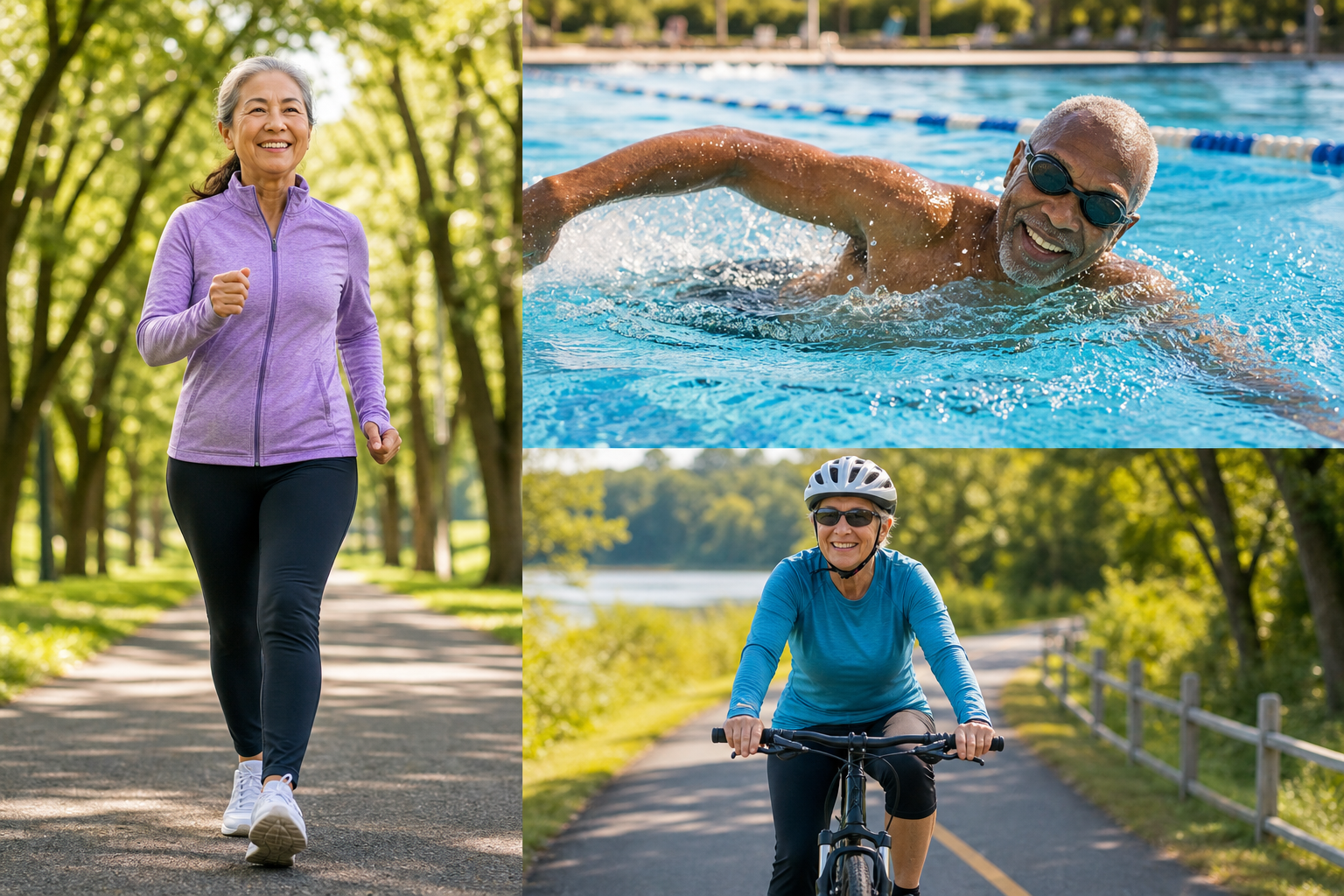
Aerobic Exercise (Most Impactful)
Brisk walking, cycling, swimming, and dancing are the most studied and most effective exercises for cholesterol improvement. The key variables are duration (longer sessions produce greater effects), frequency (5 days per week beats 2-3), and consistency (the cholesterol benefits require ongoing exercise; they reverse within 2-4 weeks of stopping).
The minimum effective dose for cholesterol improvement is 150 minutes per week of moderate-intensity exercise. Greater benefits occur at 200-300 minutes per week. A 30-minute brisk walk 5 days per week hits the 150-minute target and is achievable for most seniors.
Moderate intensity means you’re breathing harder than at rest but can still carry on a conversation. You should feel warm and notice your heart rate increase, but you shouldn’t be gasping for breath. If you use a heart rate monitor, moderate intensity typically falls between 50-70% of your maximum heart rate (roughly 220 minus your age, though this formula is approximate).

Heart Rate Monitor Fitness Tracker
Essential for monitoring exercise intensity and staying in the optimal zone for cholesterol improvement
For people with mobility limitations, chair-based aerobic exercises, water aerobics, or stationary cycling provide the same cholesterol benefits as walking. The metabolic stimulus matters more than the specific activity. Choose exercises you can sustain long-term without pain or excessive fatigue.
Resistance Training
While not as impactful as aerobic exercise for cholesterol specifically, resistance training improves insulin sensitivity and body composition (more muscle, less fat), both of which indirectly support better cholesterol profiles. Adding 2 sessions per week of resistance band or dumbbell training to your aerobic routine provides additive cholesterol benefits.
Resistance training also helps maintain muscle mass during weight loss. When you lose weight through diet and aerobic exercise alone, you lose both fat and muscle. Adding resistance work preserves muscle, which keeps your metabolism higher and supports better long-term cholesterol management.
You don’t need heavy weights or complicated equipment. Bodyweight exercises (chair squats, wall pushups, standing leg lifts), light dumbbells (3-10 pounds), or resistance bands provide enough stimulus to improve body composition and support cholesterol improvements.

Resistance Bands for Seniors
Budget-friendly and joint-friendly option for building strength at home
Interval Walking
Alternating between moderate and brisk walking (3 minutes moderate, 1 minute brisk, repeating throughout a 30-minute walk) may produce greater HDL improvements than steady-pace walking at the same total duration. The intermittent higher intensity provides a stronger metabolic stimulus without requiring sustained high effort.
Start with short bursts of increased intensity. Even 30 seconds of brisker walking followed by 2-3 minutes of recovery counts as interval training. As your fitness improves, you can extend the brisk segments or increase the intensity slightly. The goal is not to exhaust yourself but to add brief periods of slightly harder effort.
Interval walking is particularly useful for people who find continuous brisk walking too challenging. The recovery periods make the overall session more sustainable while still providing enhanced cholesterol benefits compared to steady moderate walking.
Combined Approach
The ideal weekly routine for cholesterol management combines several types of exercise. A practical schedule might include aerobic exercise 5 days per week (walking, swimming, or cycling for 30-40 minutes), resistance training 2 days per week (which can overlap with aerobic days), and one or two sessions that include interval components.
This doesn’t require hours at a gym. A 30-minute morning walk on Monday, Wednesday, Friday, and Sunday, plus a 30-minute walk with intervals on Tuesday and Thursday, plus 15-20 minutes of resistance band exercises on Wednesday and Saturday totals about 3 hours weekly and hits all the key exercise variables for cholesterol improvement.
How Long Before Cholesterol Improves
Triglycerides respond fastest: measurable improvements within 1-2 weeks of starting regular exercise. HDL improvements take 8-12 weeks of consistent exercise to appear on blood work. LDL changes are the slowest, typically requiring 3-6 months. Request a follow-up lipid panel after 3-4 months of consistent exercise to assess your progress.
These timelines assume you’re exercising at the recommended frequency and duration. Sporadic exercise produces sporadic results. Someone who exercises 2-3 times one week, then skips the next week, then does 1 day the following week won’t see the cholesterol improvements that occur with a consistent 5-day-per-week routine.
The benefits also plateau. Your cholesterol won’t keep improving indefinitely just because you keep exercising. Most people reach their maximum exercise-induced cholesterol improvement within 6-9 months of starting a consistent routine. After that, continued exercise maintains those improvements but doesn’t produce additional dramatic changes.
Exercise vs. Statins: Complementary, Not Competing
Statins lower LDL dramatically (30-50%), which exercise can’t match. Exercise raises HDL and lowers triglycerides more effectively than statins. The combination of statins plus exercise produces a better overall lipid profile than either one alone. If your doctor has prescribed a statin, exercise doesn’t replace it. But adding exercise to your statin regimen provides cardiovascular protection that medication alone doesn’t fully deliver.
Some people experience muscle soreness or weakness as a statin side effect. Exercise can sometimes worsen this, particularly intense or unfamiliar exercise. If you’re on a statin and notice unusual muscle pain or fatigue when you start exercising, talk to your doctor. You may need a dosage adjustment or a different statin formulation.
For people who can’t tolerate statins due to side effects, exercise becomes even more important. While exercise alone won’t produce the LDL reductions that statins achieve, it’s one of the few non-medication interventions with proven cholesterol benefits. Combined with dietary changes, exercise can often prevent cholesterol from worsening and may modestly improve borderline numbers.
Lifestyle Factors That Amplify Exercise Benefits
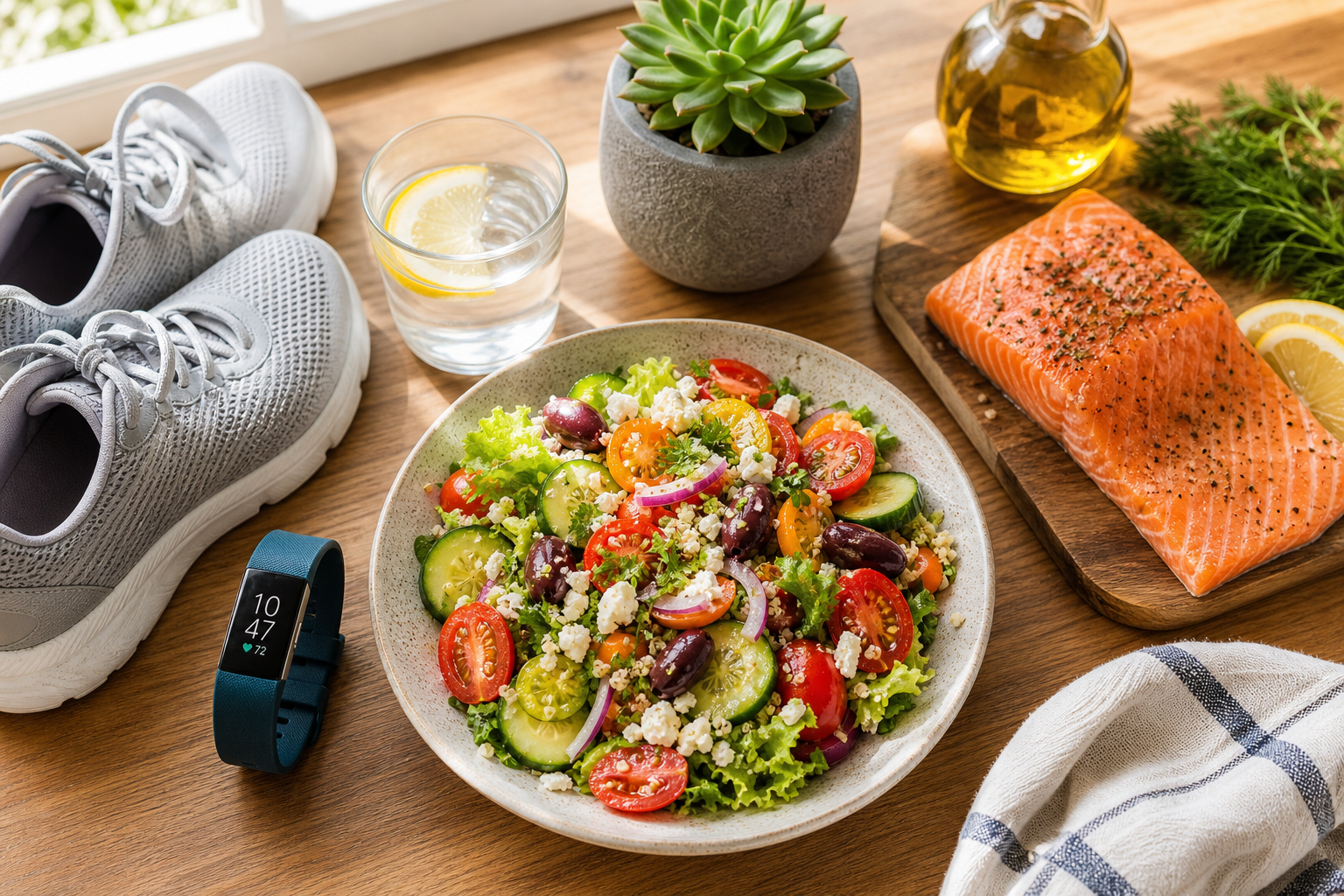
- Weight management: Losing just 5-10 pounds amplifies the cholesterol improvements from exercise. Each pound of fat loss contributes to lower LDL and triglycerides. Weight loss isn’t required for exercise to improve cholesterol, but when it occurs, the cholesterol benefits are larger.
- Dietary changes: Reducing saturated fat (fatty meats, full-fat dairy, fried foods) and increasing soluble fiber (oats, beans, apples, flaxseed) compound with exercise for greater LDL reduction. Soluble fiber binds to cholesterol in your digestive system and removes it before it enters your bloodstream. Eating a bowl of oatmeal or a serving of beans daily can lower LDL by an additional 5-10% on top of exercise effects.
- Omega-3 fatty acids: Fish oil supplements (2,000+ mg EPA/DHA daily) or fatty fish 2-3 times weekly reduce triglycerides by an additional 15-25% on top of exercise effects. Salmon, mackerel, sardines, and herring are the richest sources. If you take fish oil, choose a high-potency formula and take it with meals to improve absorption and reduce fishy aftertaste.
- Alcohol moderation: Moderate alcohol intake (1 drink per day for women, 1-2 for men) is associated with higher HDL. Excessive intake worsens triglycerides and overall health. If you don’t currently drink alcohol, don’t start for cholesterol benefits. The HDL improvement is small and doesn’t outweigh other health risks of drinking.
- Sleep quality: Poor sleep or insufficient sleep (less than 6-7 hours nightly) worsens triglycerides and may blunt the cholesterol benefits of exercise. Regular exercise often improves sleep quality, creating a positive cycle where better sleep supports better cholesterol and vice versa.
- Stress management: Chronic stress elevates cortisol, which can raise LDL and triglycerides. Exercise itself is a stress reliever, but adding dedicated relaxation practices (deep breathing, gentle stretching, meditation) may enhance cholesterol improvements.
Frequently Asked Questions
Can exercise alone normalize high cholesterol?
For people with borderline high cholesterol (total cholesterol 200-240, LDL 130-160), exercise combined with dietary changes can often bring numbers into the normal range without medication. For people with significantly elevated LDL (above 160-190) or familial hypercholesterolemia, medication is usually necessary alongside exercise. Your doctor can assess whether lifestyle changes alone are sufficient for your specific numbers and risk factors.
Even when medication is necessary, exercise still matters. The person who takes a statin and exercises has better overall cardiovascular health than the person who takes the same statin but remains sedentary. Exercise provides benefits beyond cholesterol numbers: improved blood pressure, better blood sugar control, stronger heart muscle, and reduced inflammation.
Does walking count, or do I need to run?
Walking counts. Research consistently shows that brisk walking produces cholesterol improvements comparable to running when the total weekly energy expenditure is similar. A person who walks 30 minutes daily gets approximately the same cholesterol benefit as a person who runs 15-20 minutes daily. For seniors, walking is preferable because it’s sustainable, joint-friendly, and carries minimal injury risk.
The pace matters more than you might think. A slow stroll won’t produce the same cholesterol benefits as a brisk walk. Aim for a pace where you’re moving with purpose, your breathing is noticeably deeper than at rest, and you’d have some difficulty singing a song (though you could still talk). If you can’t maintain that pace for a full 30 minutes initially, alternate between brisk and easy walking until your fitness improves.
Will my cholesterol get worse if I stop exercising?
Yes. The cholesterol benefits of exercise are maintained only as long as you continue exercising. HDL drops back toward pre-exercise levels within 2-4 weeks of stopping. This is why consistency matters more than intensity. A moderate walking program you maintain for years provides far more long-term cholesterol protection than an intense program you abandon after 3 months.
If illness, injury, or travel interrupts your routine, your cholesterol won’t immediately spike. A week or two off won’t erase months of progress. But if the interruption extends beyond 3-4 weeks, you’ll start losing the cholesterol improvements you’ve built. When you resume exercise, the benefits return, usually faster than they appeared initially.
What if I have joint pain that limits exercise?
Joint pain doesn’t eliminate exercise as an option, but it requires modifications. Water-based exercise (swimming, water aerobics) removes impact while providing excellent aerobic stimulus. Stationary cycling is easier on knees and hips than walking. Recumbent bikes (where you sit back in