Muscle soreness after a workout is actually a good sign. It means your body is adapting and getting stronger. But for seniors, that post-exercise ache can linger longer than it used to, and it can feel sharper in joints and soft tissue that have seen a few decades of use. The right recovery tools make a real difference, not just in how you feel the next day, but in whether you stay consistent with exercise at all.
This guide covers the three most practical recovery tools for older adults: soft foam rollers, massage balls, and gentle electric massagers. We’ll look at how each one works, when to use it, and which options are genuinely well-suited to seniors. We’ll also cover what to avoid, because aggressive pressure on aging tissue can cause more harm than good.
Why Recovery Takes Longer After 60
After your 60s, muscle repair slows down. Satellite cells, which are the cells responsible for rebuilding muscle fibers, become less active with age. Blood flow to peripheral tissues also decreases, meaning nutrients and oxygen reach sore muscles more slowly. Add in reduced joint fluid production and thinner skin over bony areas, and you have a body that genuinely needs more recovery support than a 30-year-old’s.
This isn’t a reason to train less. It’s a reason to take recovery seriously. Supporting your muscles between sessions with the right tools, along with good post-workout recovery meals and adequate sleep, can meaningfully cut down on soreness and reduce injury risk.
Soft Foam Rollers: The Foundation of Self-Massage
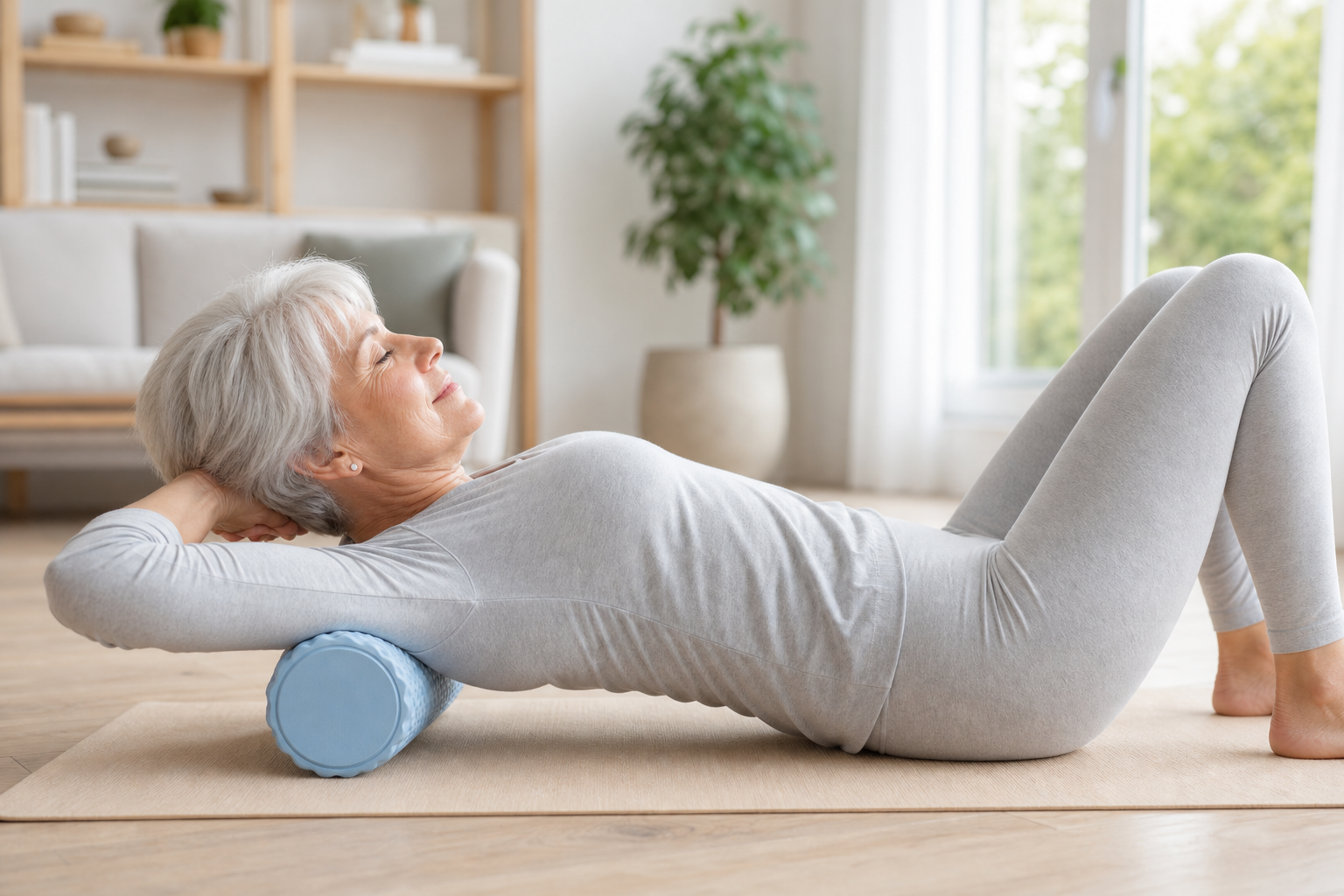
Foam rolling works by applying light pressure to fascia, which is the connective tissue that wraps around muscles. This technique, called self-myofascial release, helps break up minor adhesions, increase local blood flow, and reduce muscle tension. For seniors, the key word is soft.
Standard high-density foam rollers are designed for younger athletes who can tolerate deep pressure. For older adults, especially anyone with osteoporosis or thinner skin, that level of firmness can bruise tissue or cause discomfort that discourages future use. A low-density or “gentle” foam roller gives you the benefits without the punishment.
If you want a more detailed breakdown of which foam rollers work best for older bodies, our dedicated guide on best foam rollers for senior muscle recovery goes much deeper on specific features to look for.
How to Use a Foam Roller Safely
- Roll slowly, about one inch per second, over large muscle groups like the calves, hamstrings, and upper back.
- Avoid rolling directly over joints, the spine, or the lower back. Stick to the muscles on either side.
- If you find a tender spot, hold gentle pressure for 20 to 30 seconds rather than rolling aggressively over it.
- Stop if you feel sharp pain. Discomfort is normal. Pain is a warning sign.
A short foam rolling session of 5 to 10 minutes after your workout is plenty. More time doesn’t mean better results, and overdoing it on sensitive areas can leave you feeling worse the next day.

Soft Foam Roller for Seniors
A low-density foam roller is the ideal starting point for seniors who want effective myofascial release without aggressive pressure on sensitive tissue.
Massage Balls: Targeted Relief for Smaller Muscles
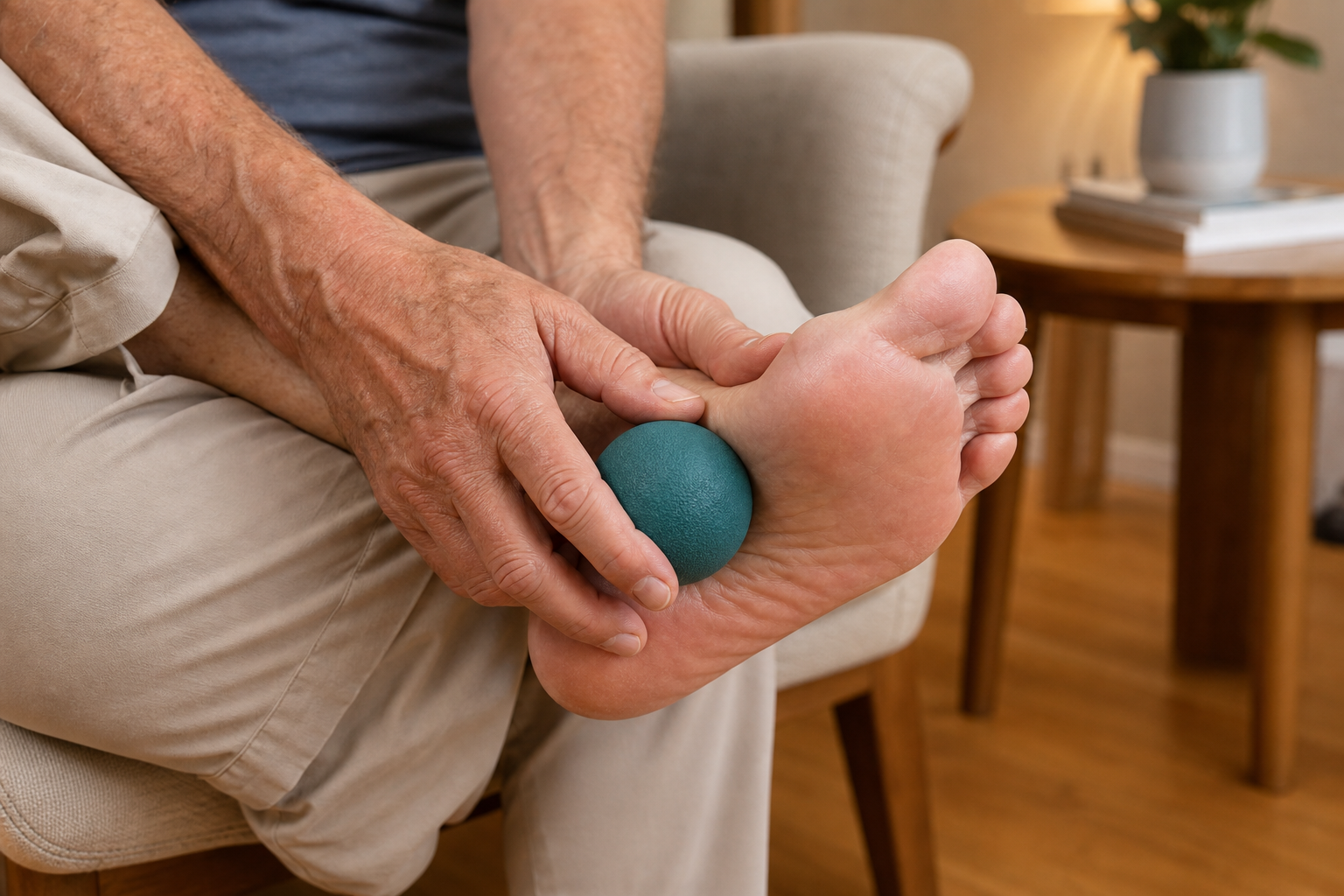
Foam rollers are great for large muscle groups, but they can’t reach the smaller, tighter spots that really nag at you. That’s where massage balls come in. They let you apply focused pressure to areas like the soles of the feet, the glutes, the upper traps, and the space between shoulder blades.
For seniors, the best option is a softer rubber or silicone massage ball rather than a lacrosse ball, which is very firm and can be too intense on thin skin or sensitive areas. Peanut-shaped massage balls are also a great choice because they straddle the spine and work both sides of the back simultaneously without putting pressure on the vertebrae themselves.
Best Uses for Massage Balls in Older Adults
- Foot massage: Sitting in a chair, place a massage ball under one foot and roll it gently forward and back. This is especially helpful for plantar fasciitis, which is common in active seniors.
- Glute release: Sitting on the edge of a firm chair, place the ball under one glute and shift your weight slowly. This targets deep hip muscles that foam rollers often miss.
- Upper back: Lying on a soft mat, place a peanut ball between your shoulder blades and the floor, then take slow deep breaths to let gravity do the work.
Seniors managing hip discomfort after surgery should check with their doctor before using a massage ball on the hip area. For guidance on returning to activity after joint replacement, this post-surgery exercise return guide is a useful resource.
You can find a range of soft soft massage balls for seniors on Amazon, including silicone versions that are noticeably gentler than the standard lacrosse style.

Soft Silicone Massage Ball Set
A set with multiple firmness levels lets you start gentle and find the pressure that works best for different muscle groups.
Gentle Electric Massagers: When Hands-Free Helps
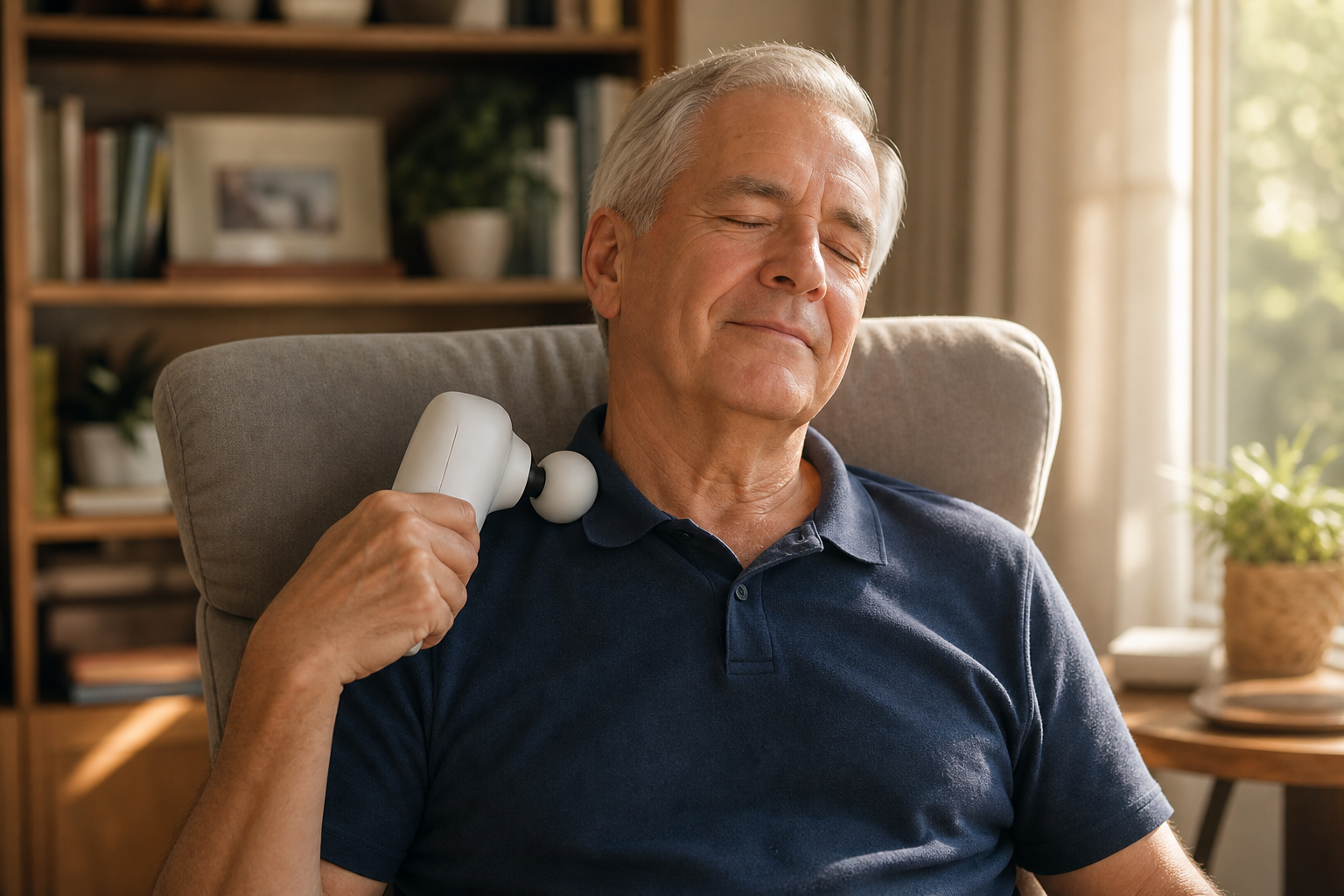
For seniors with limited grip strength or those who find manual rolling difficult, a low-intensity electric massager can be a better fit. These aren’t the high-powered percussion guns marketed to competitive athletes. Those devices can be too aggressive for older tissue and should generally be avoided unless your physical therapist specifically recommends one.
What works well for older adults are vibrating massage pillows, heated massage pads, and handheld massagers with adjustable intensity settings. The heat component is particularly useful because warmth increases circulation and helps loosen stiff tissue before or after movement.
Features to Look for in a Senior-Friendly Massager
- Multiple speed or intensity settings, with at least one “gentle” option
- An auto shut-off feature to prevent overuse on any one area
- A comfortable grip or ergonomic design that doesn’t require hand strength to hold
- Heat function as a bonus, but not required
If you’re dealing with conditions like fibromyalgia or neuropathy, be especially cautious with electric massagers. Read about fibromyalgia-safe approaches to exercise and recovery for context, and check with your doctor before using any vibrating device on affected areas.
Browse a range of options here: gentle electric massagers for seniors.
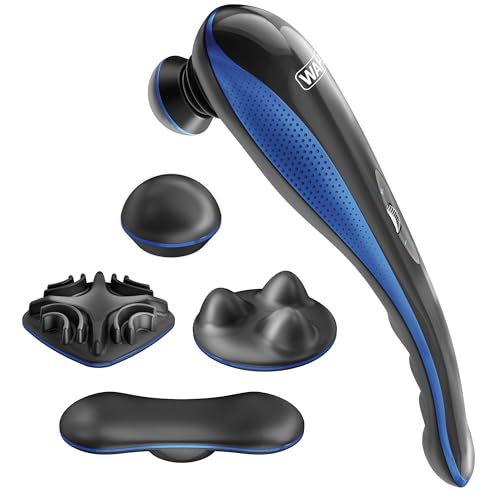
Heated Handheld Massager for Seniors
A heated handheld massager with variable intensity is ideal for seniors who want targeted relief without the strain of manual pressure.
What to Avoid and When to Stop
Recovery tools are genuinely useful, but they’re not appropriate in every situation. Here’s what to keep in mind before you start rolling or massaging anything.
- Avoid using any tool directly on varicose veins. Pressure on varicose veins can worsen them or cause injury.
- Skip massage on inflamed joints. If a joint is actively swollen, red, or hot to the touch, massage won’t help and could irritate it further.
- Don’t foam roll over the lower back. The lumbar vertebrae aren’t supported by large muscle mass the way the thoracic spine is. Rolling there puts pressure directly on the spine.
- Be cautious with osteoporosis. Even gentle tools can cause discomfort or bruising on areas with low bone density or fragile skin. Stick to larger, well-muscled areas.
Pairing recovery tools with good nutrition also matters. Getting enough vitamin D for bone and muscle health and supporting your joints with omega-3 supplements can complement your physical recovery routine in meaningful ways.
Frequently Asked Questions
How often should seniors use a foam roller?
Most older adults do well with foam rolling 3 to 5 times per week, typically after exercise or in the evening when muscles are warm. Daily use is fine as long as you’re keeping the pressure light and not targeting the same area every single session. If you’re sore the day after rolling, reduce frequency or pressure.
Is it safe to use a massage ball on arthritic areas?
It depends on the type and severity of your arthritis. For muscle tissue around an arthritic joint, gentle massage can improve circulation and reduce tension. But rolling or pressing directly on an inflamed joint is not a good idea. Stick to the muscles surrounding the joint and leave the joint itself alone. Your doctor or physical therapist can advise based on your specific diagnosis. For more context on managing joint discomfort through movement, this arthritis-friendly exercise guide is worth reading.
Can I use a percussion massager if I’m over 70?
High-speed percussion guns are generally not the best fit for most seniors. They deliver intense rapid-fire pressure that can be too aggressive for older skin and tissue. If you want an electric option, look for a lower-intensity vibrating massager with adjustable settings. Some physical therapists do use percussive devices therapeutically, but those sessions are controlled and brief. Using a high-powered device on your own at home carries real risk of bruising or irritation if you’re not experienced with it.
Putting It All Together
You don’t need all three types of tools at once. If you’re just starting out, a soft foam roller is the most versatile option and covers the most ground. Add a soft massage ball once you’re comfortable with rolling, particularly if you have foot soreness or tight hips. An electric massager is a nice addition for days when your hands are tired or you want passive recovery while watching TV.
The right recovery routine doesn’t have to be complicated. A few minutes of gentle rolling and targeted massage, combined with good sleep and solid nutrition, will do more for your consistency and comfort than any advanced protocol. Keep it simple, stay consistent, and your body will thank you for it.
This article contains affiliate links. We may earn a small commission at no extra cost to you.