Living with fibromyalgia as a senior presents unique challenges, especially when it comes to staying active. You might feel caught between needing exercise to manage symptoms and worrying that physical activity will trigger a flare-up. The truth is that gentle, well-planned movement can be one of your most powerful tools for managing fibromyalgia, but the approach needs to be different from standard exercise programs.
This guide walks you through how to start exercising safely with fibromyalgia, what types of movement help versus hurt, and how to pace yourself through the inevitable ups and downs of this condition.
Starting Incredibly Gently
Forget everything you know about traditional exercise programs. With fibromyalgia, you need to start at a level that might feel almost silly. We’re talking 2-5 minutes of gentle movement per day, not 30-minute workout sessions.
Your first week might be five minutes of slow walking around your home or gentle arm circles while seated. This isn’t about getting a workout. It’s about teaching your nervous system that movement is safe and won’t cause catastrophic pain increases.
Many seniors with fibromyalgia find that resistance bands designed for seniors provide the perfect gentle introduction to strength work. You can control the intensity completely and work while seated if needed. As you build confidence with gentle movements, you might explore resistance training approaches specifically designed for seniors over 65 that can be adapted to your needs.

Resistance Loop Bands Set
Perfect for gentle strength work that you can do while seated, with multiple resistance levels to start easy
The Art of Pacing With Flare-Ups
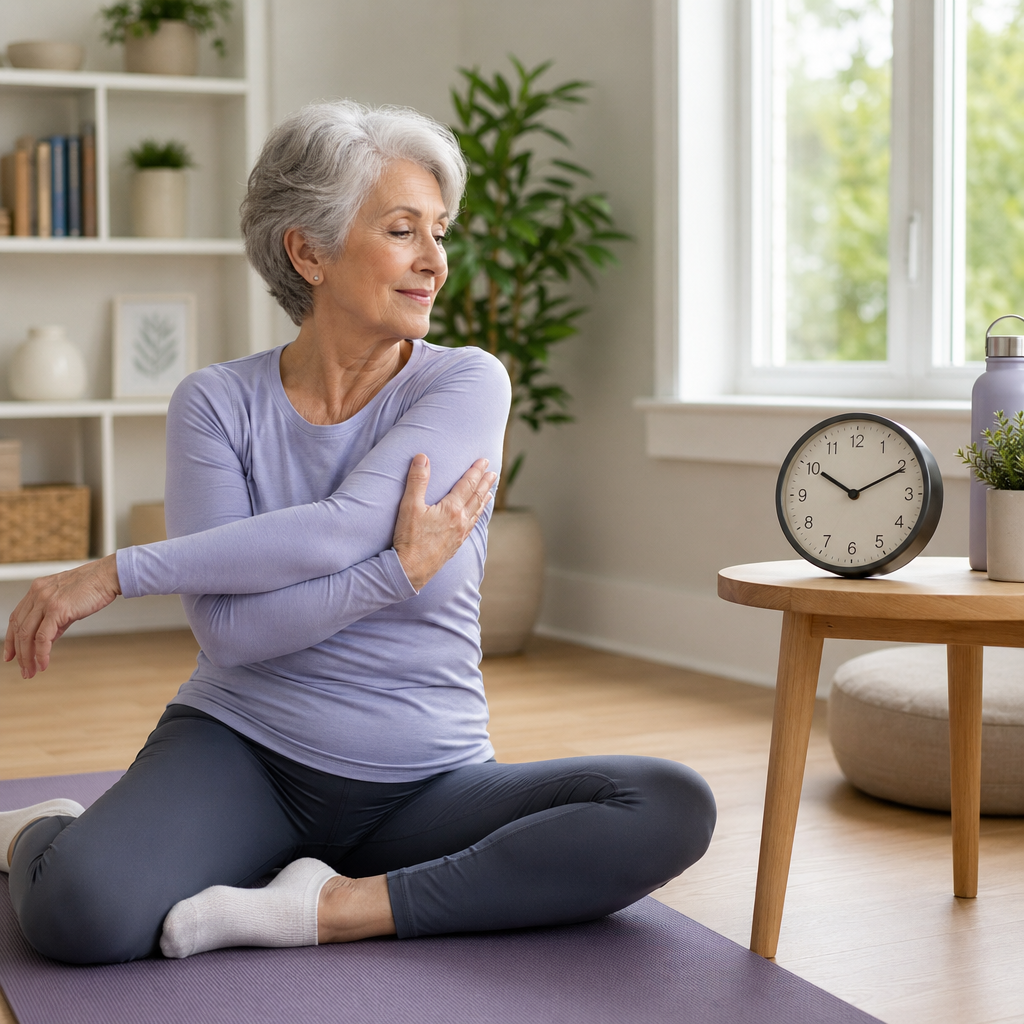
Pacing might be the most important skill you’ll learn. It means spreading activity throughout your day and stopping well before you hit your pain limit. Most people with fibromyalgia push until they hurt, then crash. You need to do the opposite.
Keep a simple log for two weeks tracking your activity and pain levels. You’ll start to see patterns. Maybe 10 minutes of walking feels fine, but 15 minutes consistently triggers increased pain the next day. Your sweet spot is somewhere below that threshold.
During a flare-up, you don’t stop moving entirely. You scale back dramatically. Your regular 10-minute walk might become 3 minutes of gentle stretching in bed. Movement helps prevent the stiffness that makes flare-ups worse, but it needs to match your current capacity.
A foam roller can be helpful during flare-ups for gentle self-massage without requiring much energy expenditure.
Types of Exercise That Help
Water-based exercise tops the list for fibromyalgia. The buoyancy supports your body weight while the water provides gentle resistance. Warm water pools (around 84-88 degrees) work best because heat helps relax tight muscles.
Tai chi and gentle yoga specifically designed for chronic pain have strong research backing. These practices combine movement, breathing, and mindfulness, addressing both the physical and stress components of fibromyalgia. Look for instructors experienced with chronic pain conditions.
Walking remains one of the best exercises when you pace it properly. Flat, even surfaces work better than hills or uneven terrain. Many seniors find that walking indoors in climate-controlled spaces helps them stay consistent.

Comfortable Walking Shoes for Seniors
Proper cushioning and support make a significant difference in managing impact on painful joints and muscles
Gentle strength training prevents the muscle loss that can worsen fibromyalgia symptoms. Start with bodyweight exercises or very light resistance. Focus on slow, controlled movements rather than repetitions or weight amounts.
Exercises to Approach Carefully or Avoid
High-impact activities like running or jumping usually don’t work well with fibromyalgia. The jarring impact often triggers pain increases that outweigh any benefits.
Intense cardio that pushes your heart rate too high can backfire. Your autonomic nervous system is already struggling, and extreme exertion often leads to post-exertional malaise, similar to chronic fatigue syndrome.
Competitive activities or classes that push you to keep up with others create problems. You need to listen to your body, not match someone else’s pace. Solo activities or very small, understanding groups work better.
Building Consistency Without Overdoing It
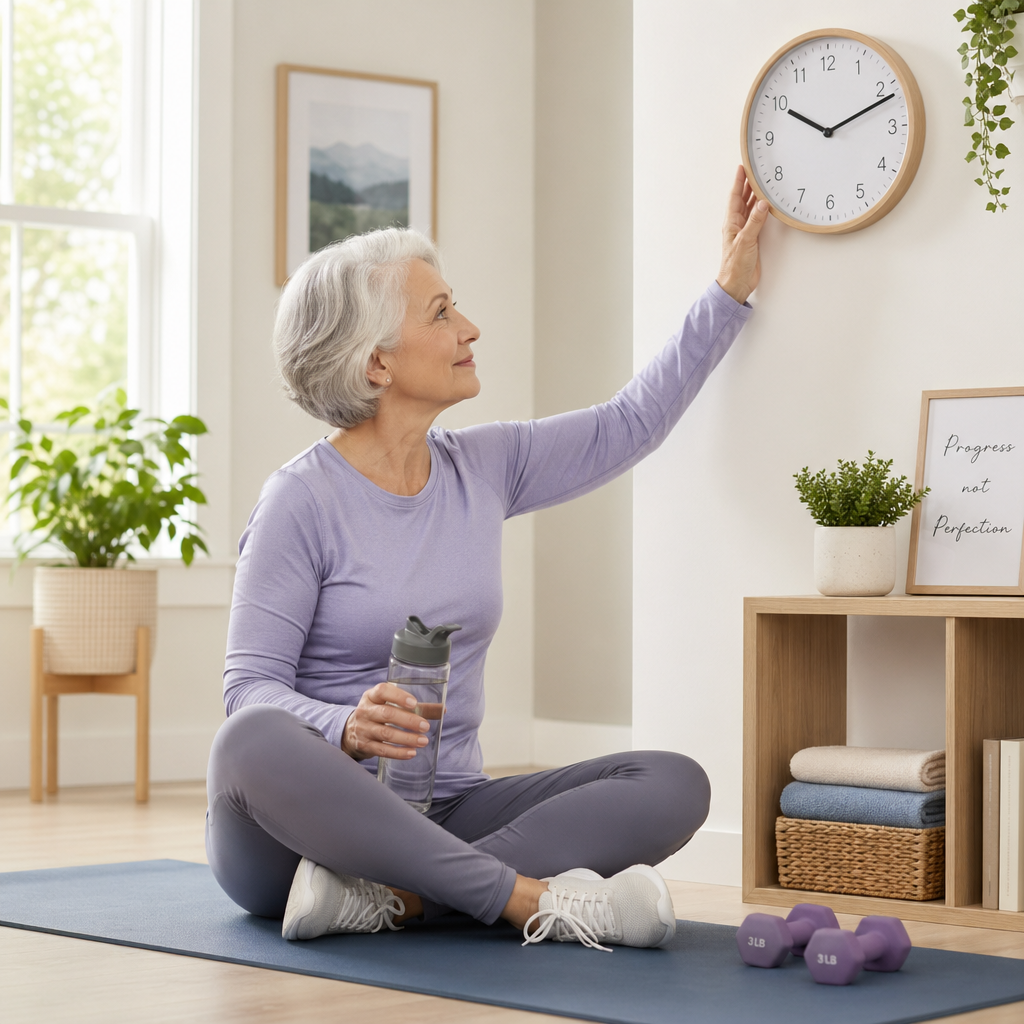
Consistency beats intensity every single time with fibromyalgia. Five minutes daily helps more than three 20-minute sessions per week that leave you crashed for days afterward.
Schedule your movement for your best time of day. Many people with fibromyalgia have a window where pain and fatigue are more manageable. Protect that time for gentle activity.
Create a routine so simple that you can do it even on rough days. Maybe it’s three basic stretches or a two-minute walk. Having a bare minimum keeps you moving when your full routine isn’t possible. Finding ways to stay motivated with your fitness routine becomes especially important when managing a chronic condition.
Using a stretching strap can help you maintain flexibility with less strain, making it easier to stick with daily stretching even when motivation is low.
The Stress Connection
Stress makes fibromyalgia worse, and fibromyalgia creates stress. Breaking this cycle requires building stress management into your exercise routine, not treating it as separate. The connection between physical activity and mental well-being is particularly important when managing chronic pain, as exercise provides significant mental health benefits that can help you cope with the emotional challenges of fibromyalgia.
Focus on breathing throughout any movement. Slow, deep breaths activate your parasympathetic nervous system, which calms your stress response. Count four seconds in, hold two seconds, four seconds out.
Choose activities you genuinely enjoy or at least don’t dread. Exercise shouldn’t add to your stress load. Gentle movement in nature, moving to music you love, or exercising with a supportive friend all provide stress relief beyond the physical benefits.
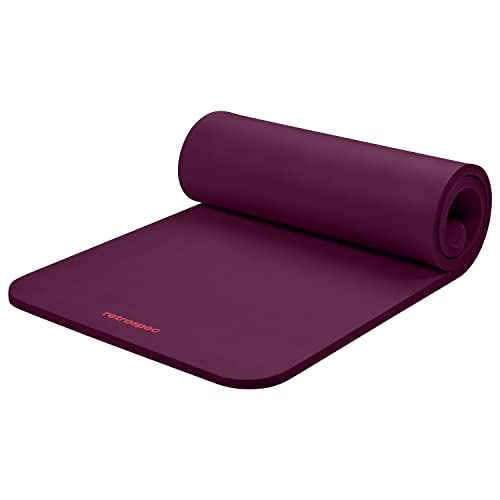
Yoga Mat Extra Thick
Extra cushioning protects sensitive joints during floor exercises and stretching routines
Consider adding gentle meditation or guided relaxation after your physical activity. This combination addresses both the physical symptoms and the heightened nervous system response that drives fibromyalgia.
Celebrating Small Victories

Fibromyalgia often means redefining what success looks like. You won’t progress linearly. Some weeks you’ll do more, some weeks less. Both can be victories if you’re listening to your body.
Celebrate showing up, not just improving. Maintaining your movement practice during a difficult week matters more than adding extra time or intensity during a good week.
Track your good days and what preceded them. Did you notice less pain after a week of consistent gentle stretching? Did your sleep improve when you added a short evening walk? These patterns reveal what works for your unique body.
Share your wins with people who understand. Many seniors with fibromyalgia find support groups helpful for perspective. What seems like a tiny achievement to someone without chronic pain is actually a significant accomplishment when you’re managing this condition.
Frequently Asked Questions
How do I know if I’m overdoing it with exercise?
Watch for increased pain lasting more than two hours after activity, fatigue that prevents your normal activities the next day, or brain fog that worsens. These signals mean you pushed past your current capacity. Scale back to the previous level where you felt okay afterward and stay there for a few weeks before trying to increase again.
Should I exercise during a fibromyalgia flare-up?
Yes, but dramatically reduce the intensity and duration. Even 2-3 minutes of gentle range-of-motion movements helps prevent the stiffness that makes flare-ups worse. Simple seated stretches, slow walking to another room, or gentle arm movements all count. The goal during flares is maintaining movement, not getting exercise benefits.
How long before I notice improvements from exercise?
Most people with fibromyalgia notice small improvements in stiffness and mood within 2-3 weeks of consistent gentle movement. Significant changes in pain levels typically take 8-12 weeks of regular activity. Remember that improvement might mean having more good hours in a day rather than eliminating pain completely. Progress is often subtle, which is why keeping a simple log helps you see changes you might otherwise miss.
This article contains affiliate links. We may earn a small commission at no extra cost to you.
Related Articles
- Managing Diabetes Through Exercise: Complete Guide for Seniors
- Exercise Benefits for Senior Mental Health: 8 Evidence-Backed Facts
- Benefits of Resistance Training for Seniors Over 65
- 10 Fitness Challenges for Seniors to Stay Motivated