Foot pain is one of the most common complaints among seniors, and it’s also one of the most overlooked. Aching arches, sore heels, and tired feet after a short walk aren’t just annoying. They can limit how active you stay, affect your balance, and make daily life genuinely harder. The right orthopedic insole can make a surprising difference, turning a painful pair of shoes into something you can actually wear all day.
This guide breaks down what to look for in orthopedic insoles specifically for seniors, compares the top options for common issues like flat feet, plantar fasciitis, and heel pain, and helps you find the right fit without wasting money on something that won’t work for your feet. Foot health is directly connected to how well you move overall, so getting this right matters more than most people realize.
Why Foot Pain Gets Worse as You Age
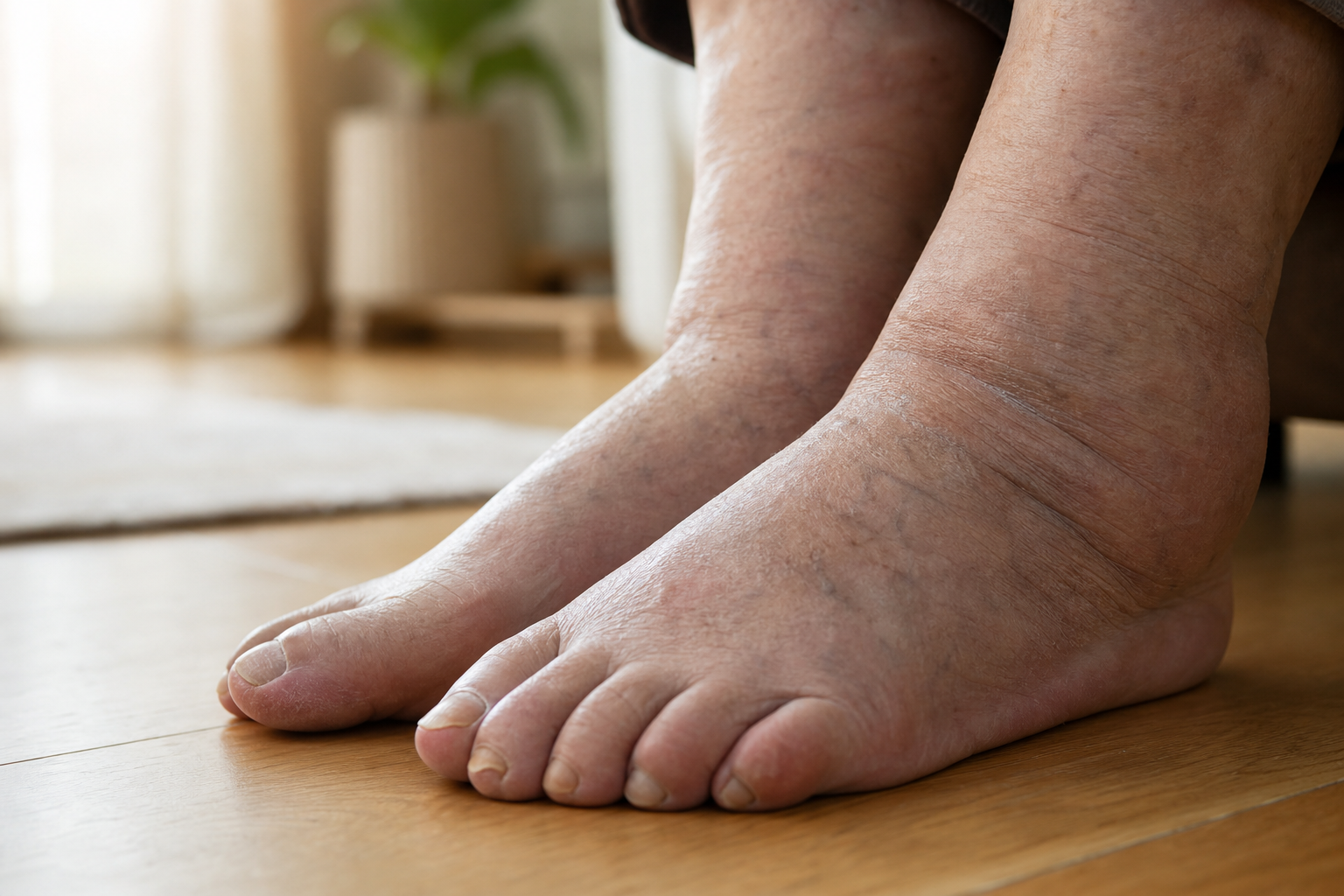
As you get older, the fat pads on the bottom of your feet naturally thin out. That natural cushioning that protected your heels and balls of your feet for decades simply isn’t as thick as it used to be. Add in conditions like arthritis, diabetes, or peripheral neuropathy, and your feet are dealing with a lot more stress with a lot less protection.
Arch changes are another big factor. Many seniors develop flattening of the arch over time, which shifts weight distribution and strains the plantar fascia, the band of tissue running along the bottom of your foot. This leads to the burning, stabbing heel pain that’s so common in the morning or after long periods of standing.
Orthopedic insoles address these issues by replacing or supplementing the cushioning your feet have lost, correcting alignment, and distributing pressure more evenly. They’re not a cure, but for most seniors they provide real, noticeable relief.
What to Look for in Orthopedic Insoles for Seniors
Arch Support
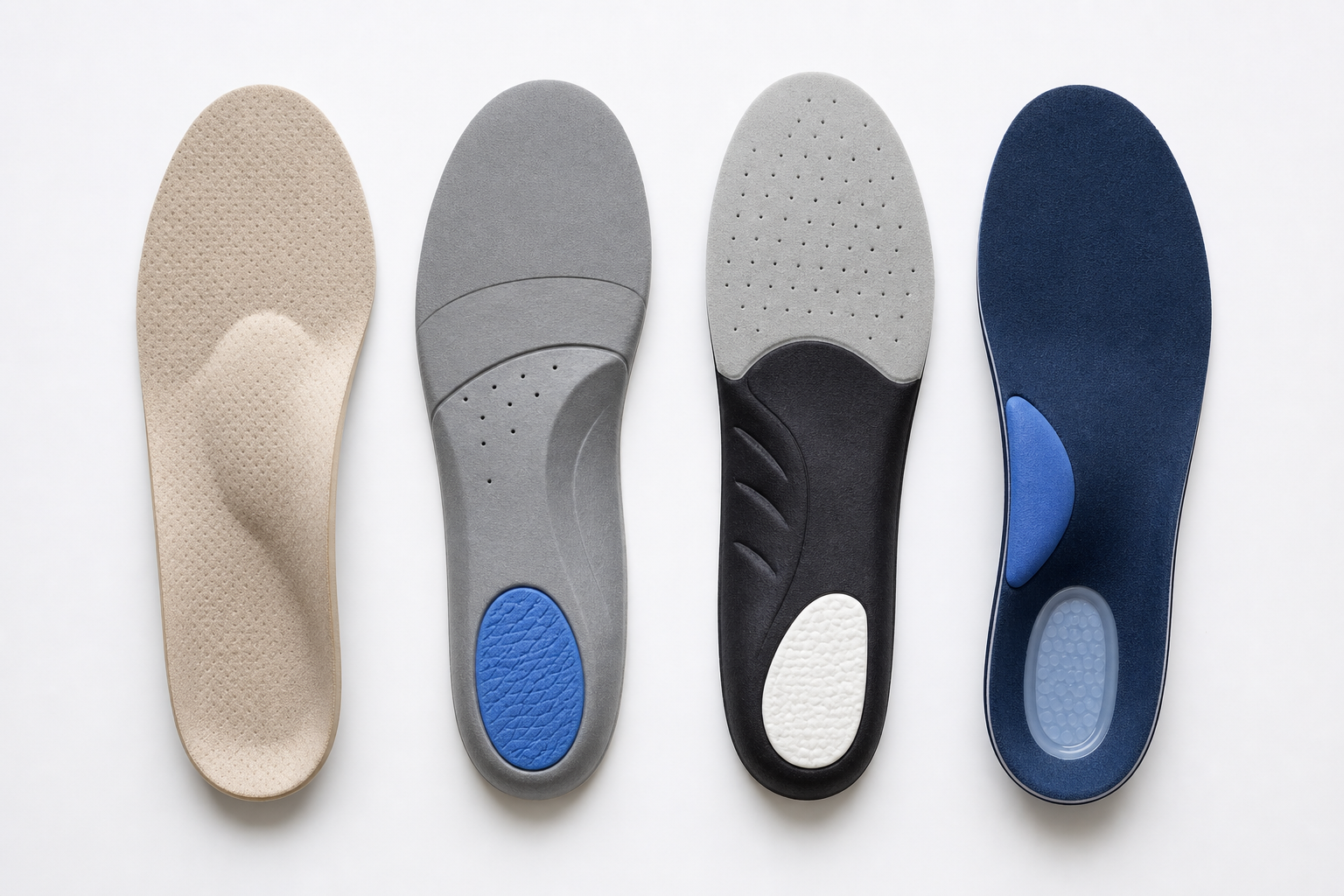
This is the most important feature, and it’s where most generic drugstore insoles fall short. You need enough arch support to hold your foot in a neutral position without feeling rigid or uncomfortable. Look for a deep heel cup paired with a firm but not hard arch support. The arch should actually make contact with your foot, not hover underneath it.
Seniors with flat feet need more substantial medial arch support to prevent overpronation. If your arches are higher than average, a lower-profile arch with more cushioning works better. One size does not fit all here.
Cushioning Material
Memory foam feels great in the store but compresses quickly and may not provide enough support after a few months of regular use. Gel insoles offer excellent shock absorption, especially for heel pain, but can feel heavy. EVA foam is a good middle ground: lightweight, durable, and supportive.
The best insoles for seniors often layer these materials. A firm EVA base gives structural support, while a gel or memory foam top layer handles impact absorption. This combination works especially well for all-day wear.
Heel Cup Depth
A deep heel cup cradles the heel bone and keeps the remaining fat pad centered under your foot where it belongs. This is critical for seniors because it compensates for that natural fat pad thinning. If the heel cup is shallow, your heel can slide around and you lose most of the protective benefit.
Fit and Shoe Compatibility
Insoles need to fit inside your actual shoes. If your shoes are already snug, a thick insole will make them too tight, which creates new problems. Many orthopedic insoles are trimmable so you can cut them to size. Check whether the insole is designed for athletic shoes, dress shoes, or both before you buy.
If you’re dealing with related issues like circulation or swelling, pairing insoles with well-fitted compression socks can improve comfort significantly during longer walks.
Best Orthopedic Insoles for Seniors: Top Picks
Dr. Scholl’s Arthritis Pain Relief Orthotics
Dr. Scholl’s Arthritis Pain Relief Orthotics are one of the most accessible options for seniors dealing with joint discomfort in the feet, knees, and hips. They use a dual-layer foam construction that cushions impact while still offering enough structure to reduce fatigue during extended standing or walking.
These are a good starting point if you’re new to orthopedic insoles and want something easy to find and easy to replace. They fit most sneakers and casual shoes without needing modification.

Dr. Scholl’s Arthritis Pain Relief Orthotics
A solid entry-level insole with dual-layer cushioning that targets joint pain throughout the lower body, great for everyday walking shoes.
Superfeet GREEN Insoles
Superfeet GREEN are widely regarded as one of the best over-the-counter orthotic insoles available. They have a high-profile arch support design with a deep heel cup that really locks the foot into place. Unlike softer insoles, the firm stabilizer cap underneath gives your foot a biomechanically correct foundation.
These work particularly well for seniors with flat feet or moderate overpronation. They’re also excellent for standing on hard floors all day. The tradeoff is that they can feel stiff at first. Give them a break-in period of a week or two before making a final judgment.
If you’re also managing hip or knee discomfort alongside foot pain, proper foot alignment from insoles like these can translate into less stress on those joints. It’s the same principle behind posture correction work, where fixing one alignment issue reduces strain throughout the chain.

Superfeet GREEN Insoles
A firm, high-arch insole with a deep heel cup that corrects foot alignment and works especially well for flat feet and all-day standing.
Powerstep Pinnacle Orthotic Insoles
Powerstep Pinnacle insoles hit a nice balance between support and softness that many seniors find ideal. They have a semi-rigid arch support that’s firmer than a foam insole but more forgiving than Superfeet, which makes them easier to adapt to. The dual-layer cushioning and antimicrobial fabric top cover are practical bonuses for seniors wearing them long hours.
Podiatrists often recommend Powerstep as a first step before considering custom orthotics. They’re a mid-range option worth trying if you’ve found cheaper insoles underwhelming but aren’t ready to invest in a custom solution.
Spenco Polysorb Cross Trainer Insoles
Spenco Polysorb insoles use a closed-cell foam that provides consistent cushioning without breaking down quickly. They’re especially good for seniors who are active, whether that’s daily walking, light exercise, or activities like pickleball or disc golf walking. The arch support is moderate, so they work well for people who don’t need heavy correction but want better shock absorption than a basic insole provides.
Vionic Active Insole
Vionic Active Insoles are a premium option developed with podiatric input. They feature a heel-to-toe rocker bottom geometry and deep heel cupping that helps reduce stress on the plantar fascia. These work well for plantar fasciitis specifically, which is one of the most common causes of morning heel pain in seniors.

Vionic Active Insole
A podiatrist-developed insole with a rocker geometry and deep heel cup that specifically targets plantar fasciitis and heel pain.
Matching Insoles to Your Specific Foot Problem
Flat Feet and Overpronation
If your arches are low or nonexistent, you need an insole with a firm, elevated medial arch. The Superfeet GREEN or Powerstep Pinnacle are strong choices here. Avoid purely cushioned insoles without structural support; they’ll compress under your arch and give you very little benefit.
Plantar Fasciitis and Heel Pain
Focus on deep heel cups and arch support that takes tension off the plantar fascia. Gel heel cups worn alone can help, but a full insole with combined arch support and heel cushioning gives better results. The Vionic Active is specifically designed for this. Some seniors also find that stretching the calf and Achilles before getting out of bed in the morning reduces that first-step stabbing pain considerably.
Metatarsalgia (Ball of Foot Pain)
Ball of foot pain is common in seniors because the forefoot fat pad thins significantly with age. Look for insoles with a metatarsal pad or raised metatarsal support built in, which redistributes pressure away from the metatarsal heads. Dr. Scholl’s makes targeted ball-of-foot cushion inserts that can be added on top of an existing insole as well.
Diabetic Feet and Neuropathy
Seniors managing diabetes or neuropathy need to be especially careful about pressure points and friction. Diabetic-specific insoles are designed to eliminate hot spots with extra-soft top layers and even pressure distribution. You should also be checking your feet daily for any irritation. If foot problems are connected to nerve issues, reviewing neuropathy-safe exercise strategies alongside using better insoles can help you stay active more safely.
Over-the-Counter vs. Custom Orthotics
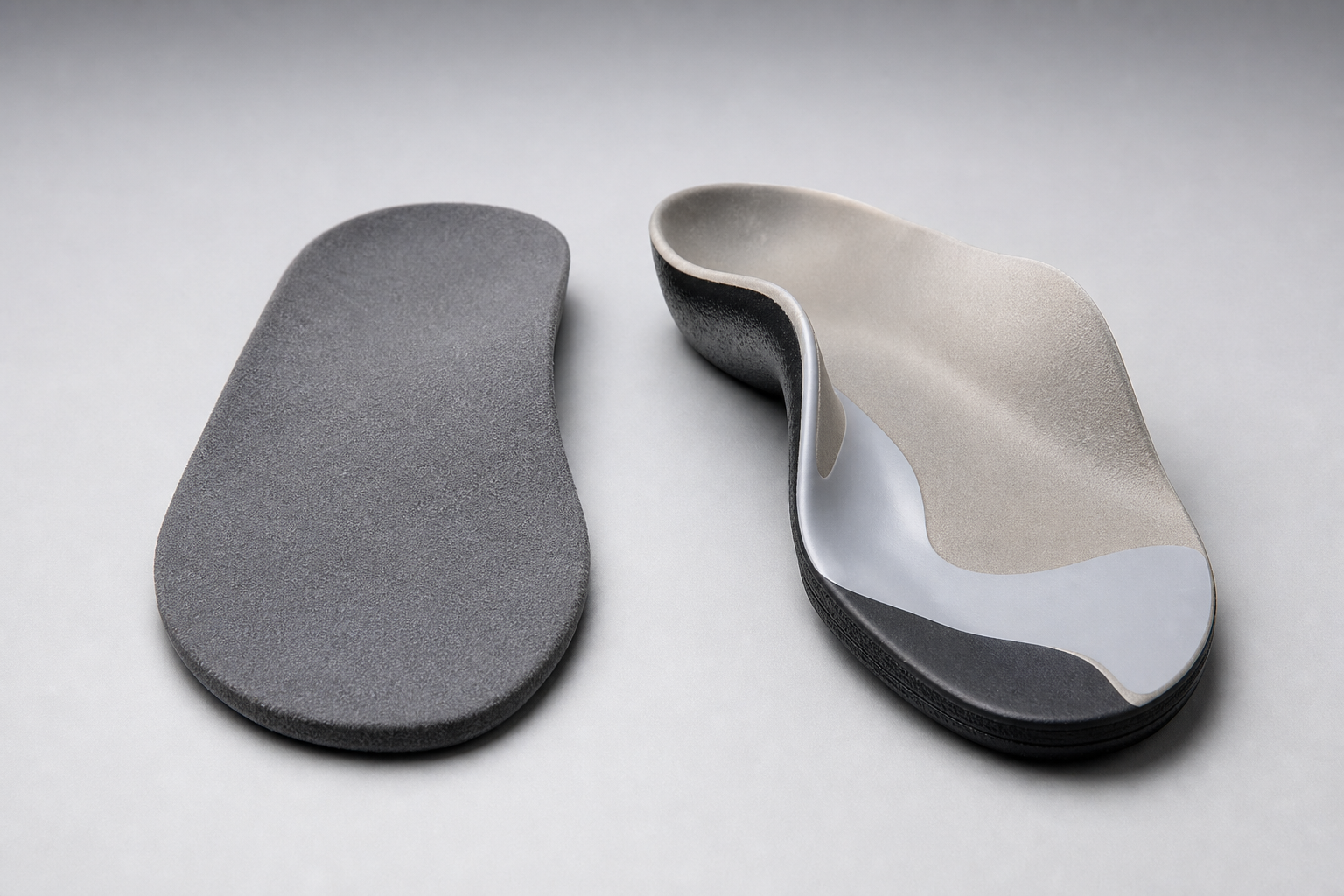
Custom orthotics prescribed by a podiatrist are cast specifically to your foot shape and gait. They’re more precise than anything you’ll buy off a shelf. For severe deformities, post-surgical feet, or conditions that haven’t responded to OTC options, custom orthotics are worth pursuing through your doctor.
For most seniors with moderate foot pain from flat feet, heel pain, or general fatigue, a quality OTC insole priced in the mid-range to premium category will do a very solid job. Research shows OTC orthotics perform comparably to custom versions for common conditions like plantar fasciitis in many patients. Try a quality OTC option first before spending significantly more on custom work.
It’s also worth remembering that insoles are one piece of the puzzle. Nutrition plays a role in joint and connective tissue health too. If you’re dealing with chronic inflammation, looking at an anti-inflammatory diet or considering omega-3 supplements for joint support can complement what your insoles are doing mechanically.
Tips for Getting the Most Out of Your Insoles
- Break them in gradually. Start with a few hours a day and build up over one to two weeks. Jumping straight to all-day wear can cause soreness as your feet adjust to new alignment.
- Replace them regularly. Most insoles last between six and twelve months with daily use. Once the cushioning compresses or the support softens, you’re not getting much benefit from them anymore.
- Remove the original shoe insole. Most shoes have a thin liner insole that takes up space. Remove it before inserting your orthopedic insole so you get the right fit and the full benefit of the support.
- Use them in the right shoes. Even the best insole won’t help much in a worn-out shoe with no structural integrity. Your shoe uppers, midsole, and outsole all need to be in reasonable shape.
- Consider your whole lower body. Foot alignment affects the knees and hips. If you’ve had joint replacement surgery, check with your care team about insole recommendations. Our guides on post-knee replacement recovery and post-hip replacement exercise include notes on footwear considerations as well.
Frequently Asked Questions
Can orthopedic insoles help with knee and back pain, not just foot pain?
Yes, and this is one of the underappreciated benefits. Foot alignment directly influences how load travels up through your ankles, knees, and hips. Correcting overpronation or adding heel cushioning can reduce knee pain and lower back strain that originates from poor foot mechanics. It won’t fix structural problems in your spine or knee joints, but many seniors report improvement in these areas after switching to proper orthopedic insoles.
How do I know if I need more arch support or more cushioning?
If your pain is primarily in the heel or arch and worse in the morning or after rest, you likely need more arch support and a good heel cup. If your pain is more generalized fatigue, soreness across the ball of the foot, or discomfort after long periods of walking on hard surfaces, additional cushioning is probably the priority. Many quality insoles offer both, so you don’t always have to choose.
Are insoles safe for seniors with diabetes?
Orthopedic insoles can be very beneficial for seniors with diabetes, but you need to choose the right type. Look for diabetic-specific insoles with soft, non-irritating top covers and smooth edges. These are designed to eliminate pressure points that could cause ulcers or sores. Always consult your doctor or podiatrist if you have diabetic neuropathy before choosing an insole, as professional guidance is especially important in that case.
How long does it take for orthopedic insoles to start working?
Most people notice some improvement within a few days to two weeks. Structural issues like overpronation take a little longer because your muscles and tendons need time to adapt to the new alignment. If you’ve been wearing the insoles consistently for three to four weeks and notice no improvement, it may be a sign that you need a different type of support or a professional evaluation from a podiatrist.
Finding the Right Insole for Your Feet
The best orthopedic insole is the one that matches your specific foot shape, your primary problem, and your daily activity level. For