That first step out of bed in the morning says it all. A sharp, stabbing pain in your heel that makes you wince before the day has even started. If that sounds familiar, you’re almost certainly dealing with plantar fasciitis, and you are far from alone. It’s one of the most common foot complaints among adults over 60, and it has a reputation for being stubbornly persistent if you don’t address it the right way.
The good news is that most cases of plantar fasciitis respond well to a consistent routine of stretching, the right footwear, and a few targeted tools. This guide walks you through exactly what works, what doesn’t, and when it’s time to stop troubleshooting on your own and call a podiatrist.
Understanding Why Plantar Fasciitis Is Different for Seniors
The plantar fascia is a thick band of tissue that runs along the bottom of your foot, connecting your heel bone to your toes. Over time, that tissue loses some of its elasticity. Combined with thinning heel fat pads that naturally occur with age, even moderate activity can cause small tears and inflammation in the fascia.
Seniors are also more likely to have contributing factors like tight calf muscles, flat arches, or arthritis. If you’re managing any of these alongside your heel pain, it’s worth reading through our guide on arthritis-friendly exercises for seniors, since protecting one part of your lower body helps the whole chain.
Inflammation also plays a bigger role as we age. Chronic low-grade inflammation can slow healing significantly. Supporting your body with an anti-inflammatory diet won’t cure plantar fasciitis on its own, but it creates a better environment for recovery.
Stretches That Actually Relieve Plantar Fasciitis

Stretching is the cornerstone of plantar fasciitis treatment. The goal is to reduce tension in the fascia itself and in the calf muscles that pull on it. Do these stretches consistently, especially before your first steps in the morning, and you’ll notice a real difference within a few weeks.
Towel or Strap Stretch (Before Getting Out of Bed)
Keep a towel or resistance band looped around your foot on your nightstand. Before you even stand up, sit up in bed and gently pull your toes back toward your shin for 30 seconds. Repeat 3 times on each foot. This is one of the most effective moves you can do because it prepares the fascia before you put weight on it.
Standing Calf Stretch
Face a wall and place both hands on it for support. Step one foot back, keep the heel on the floor, and lean your hips forward until you feel a pull in the back of your lower leg. Hold for 30 seconds, then switch sides. Do this 2 to 3 times per foot. Tight calves are almost always part of the problem, so don’t skip this one.
Seated Toe Extension Stretch
While sitting, cross one foot over the opposite knee. Use your hand to pull your toes back gently toward your shin and hold for 10 seconds. Do 10 repetitions before you stand up in the morning or after long periods of sitting. This directly stretches the plantar fascia and gets easier the more consistently you do it.
Frozen Water Bottle Roll
Fill a plastic water bottle and freeze it, then roll it under your foot for 5 to 10 minutes. The rolling motion loosens the fascia while the cold reduces inflammation. This is a practical, low-cost option you can use after a walk or any activity that aggravates the heel. You can also use a foam roller on your calves before or after to loosen the surrounding tissue.
Supportive Footwear: What to Look For
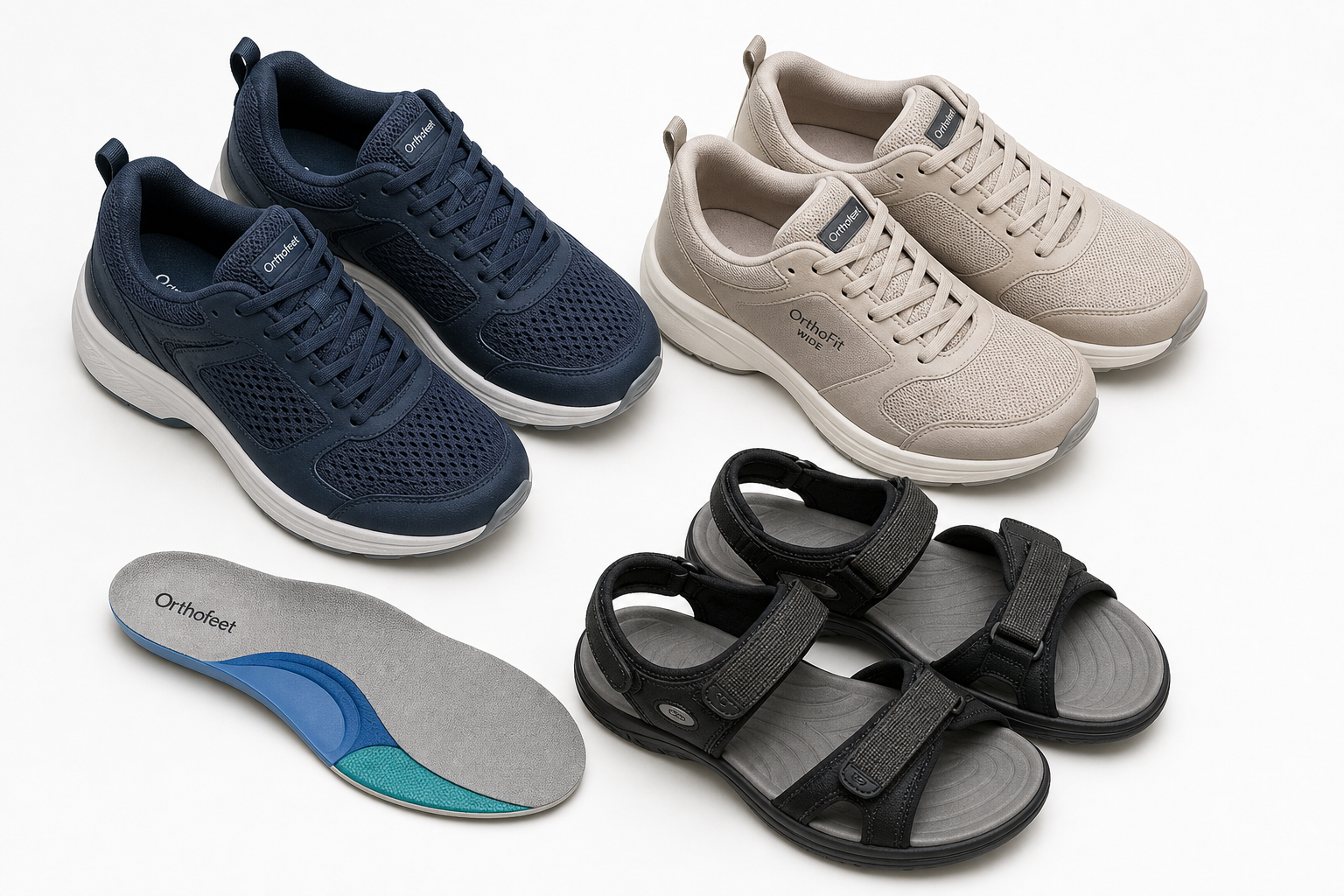
Stretching alone won’t get you far if you’re walking around in unsupportive shoes or bare feet on hard floors. Your footwear is doing work every single hour of the day, so it matters enormously.
For daily wear, look for shoes with a firm heel counter, substantial arch support, and enough cushioning in the heel to absorb impact. Brands like New Balance, Brooks, and HOKA consistently deliver on these points. The Brooks Addiction Walker and the New Balance 928 are both popular with older adults dealing with heel pain specifically.
Avoid flat shoes, flexible flip-flops, and worn-out sneakers. If the shoe bends easily in the middle when you twist it, it’s not giving your arch any meaningful support. Also avoid going barefoot on hard floors, especially tile and hardwood. Keep a supportive pair of plantar fasciitis house slippers near your bed so you’re never taking those first steps without support.

Plantar Fasciitis Orthotic Insoles
Quality orthotic insoles can transform an otherwise decent shoe into genuine plantar fasciitis support, especially if you already own comfortable footwear you don’t want to replace.
If buying new shoes isn’t in the budget right now, a quality insole can make a significant difference. Look for insoles with a firm arch post and a deep heel cup. Brands like Superfeet (the Green or Berry versions) and Powerstep Pinnacle are consistently recommended by podiatrists. They’re easy to swap between shoes and last a long time.
Night Splints and Other Recovery Tools
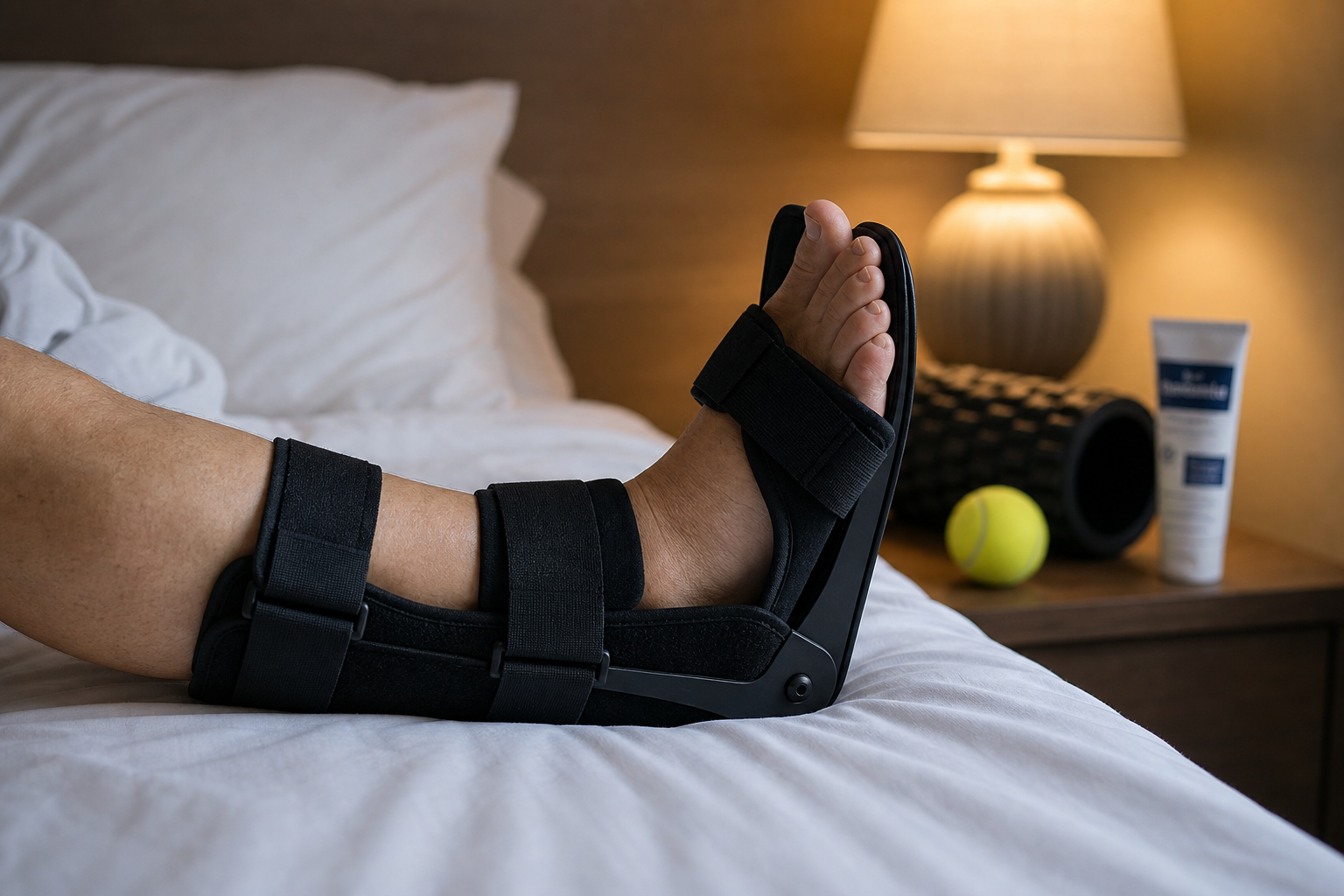
Night splints are one of the most underused tools for plantar fasciitis, and they work particularly well for people whose pain is worst in the morning. The splint holds your foot in a dorsiflexed position while you sleep, keeping the fascia and calf gently stretched throughout the night. This means you’re not waking up to a tight, contracted fascia that tears with your first step.
There are two main styles: the boot-style night splint and the sock-style splint. Boot-style splints are more rigid and tend to work faster, but some people find them bulky. Sock-style splints are more comfortable to sleep in and are a good starting point if you’ve never tried one before.

Plantar Fasciitis Night Splint
A well-designed night splint keeps the plantar fascia gently stretched overnight so you wake up with significantly less heel pain and stiffness.
Beyond night splints, a few other tools are worth considering. Kinesiology tape applied along the arch can provide daytime support and reduce strain on the fascia during walks or other activity. You can find tutorials online for a basic plantar fasciitis taping technique. If you’re also wearing compression socks for circulation, check that they’re not so tight around the arch that they increase discomfort.
A foot massage roller is another low-cost tool that helps break up tightness in the fascia. Just two to three minutes of rolling before your stretching routine can improve how well the stretches actually work.
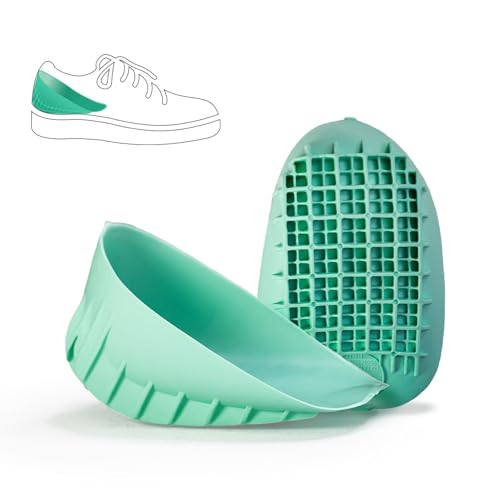
Plantar Fasciitis Heel Cushion Inserts
Silicone heel cups fit into almost any shoe and provide targeted cushioning right where the fascia attaches to the heel bone.
When to See a Podiatrist
Most plantar fasciitis cases improve with consistent home treatment within 6 to 12 weeks. But there are situations where you need professional evaluation sooner rather than later.
See a podiatrist if your heel pain is severe enough to change how you walk, if the pain doesn’t improve after 4 weeks of daily stretching and proper footwear, or if you notice swelling, bruising, or pain that spreads beyond the heel. Pain that’s just as bad after rest as during activity can also signal something other than plantar fasciitis, like a stress fracture or nerve entrapment, that needs imaging to diagnose properly.
If you’re also dealing with issues like neuropathy or other chronic conditions affecting your feet and legs, early professional involvement makes a lot of sense. A podiatrist can also fit you for custom orthotics if over-the-counter options aren’t cutting it, and they may refer you to physical therapy if your case is more complex.
Frequently Asked Questions
How long does plantar fasciitis typically take to heal in seniors?
For most people, consistent stretching and supportive footwear produce noticeable improvement within 6 to 8 weeks. Full resolution can take 3 to 6 months, especially in older adults whose tissue heals more slowly. The key is not skipping the routine even on days when the foot feels better, because backing off too early is a common reason for setbacks.
Is walking good or bad for plantar fasciitis?
Walking in supportive shoes is generally fine and doesn’t slow healing. In fact, light activity keeps circulation moving to the area, which helps. Walking barefoot, walking in unsupportive shoes, or doing high-impact activity like running on hard pavement can aggravate the condition significantly. Stick to supportive footwear and moderate distances while you’re in recovery.
Can stretching make plantar fasciitis worse?
Stretching aggressively when the fascia is already inflamed can occasionally cause a flare, especially if you push too hard through pain. The stretches described in this article should produce a mild pulling sensation, not sharp pain. If a stretch consistently hurts, ease off the intensity and try the frozen bottle roll first to reduce inflammation before stretching.
Plantar fasciitis is frustrating, but it responds well to a steady, consistent approach. Keep up the stretching, choose your footwear carefully, and use tools like night splints to help your foot heal while you sleep. If you’re supporting your recovery with good nutrition, our article on collagen supplements for joint health is worth a look, since collagen plays a direct role in connective tissue repair. And for those managing chronic pain through movement, the same principles that apply to other conditions apply here: stay consistent, stay patient, and keep moving.
This article contains affiliate links. We may earn a small commission at no extra cost to you.