Poor circulation in the legs is one of the most common issues seniors deal with, and it can make everyday life genuinely uncomfortable. Swollen ankles, tired heavy legs, and that persistent aching feeling after sitting or standing too long are all signs your veins may be struggling to push blood back up toward your heart. Compression socks are one of the simplest, most affordable tools you can add to your daily routine to help with exactly this problem.
Before you buy a pair, though, there’s more to know than just grabbing the first package you see at the drugstore. Compression levels vary quite a bit, the fit matters enormously, and if you’re managing certain health conditions, you’ll want to talk to your doctor first. Here’s what you actually need to know.
Understanding Compression Levels (mmHg)
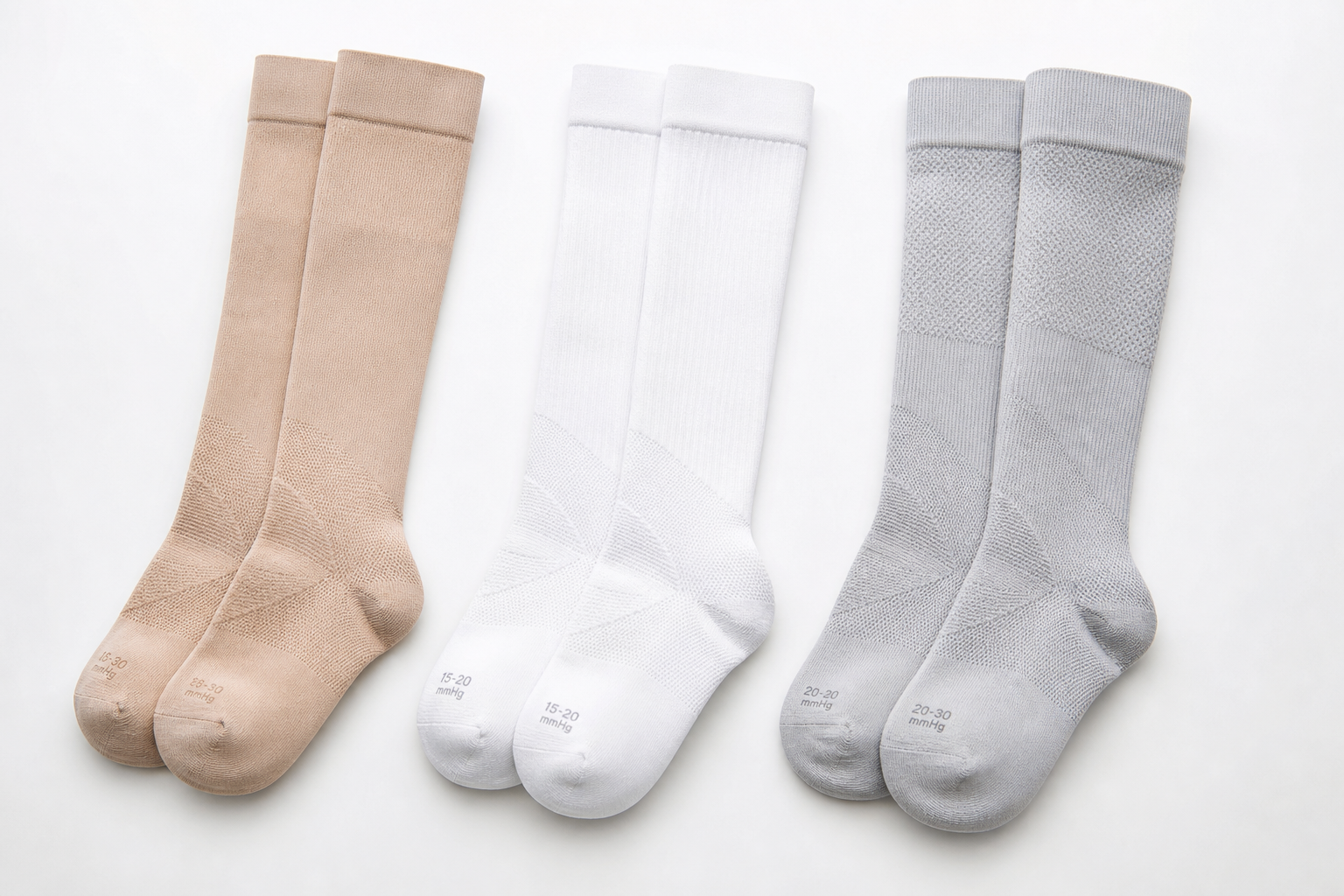
Compression is measured in millimeters of mercury, written as mmHg. Think of it like blood pressure readings. The higher the number, the tighter the squeeze. For seniors managing poor circulation, these are the ranges you’ll typically encounter:
- 8-15 mmHg: Very light compression. Good for minor fatigue and preventive wear during travel. These feel almost like regular socks.
- 15-20 mmHg: Mild compression. A solid starting point for most seniors with mild swelling or general circulation concerns. Available over the counter everywhere.
- 20-30 mmHg: Moderate compression. This is the most commonly recommended range for seniors with noticeable swelling, varicose veins, or diagnosed venous insufficiency. Often labeled “medical grade” or “Class I.”
- 30-40 mmHg and above: Firm to extra-firm compression. These should only be used under direct medical supervision. They’re typically prescribed for more serious conditions like deep vein thrombosis (DVT) or severe lymphedema.
For most seniors with everyday poor circulation, 15-20 mmHg or 20-30 mmHg is the sweet spot. If you’re also managing peripheral neuropathy, you’ll want to read our guide on neuropathy-safe exercises for seniors alongside using compression support, since nerve sensitivity can affect how compression feels on your legs.
Easy-On Designs for Limited Hand Strength
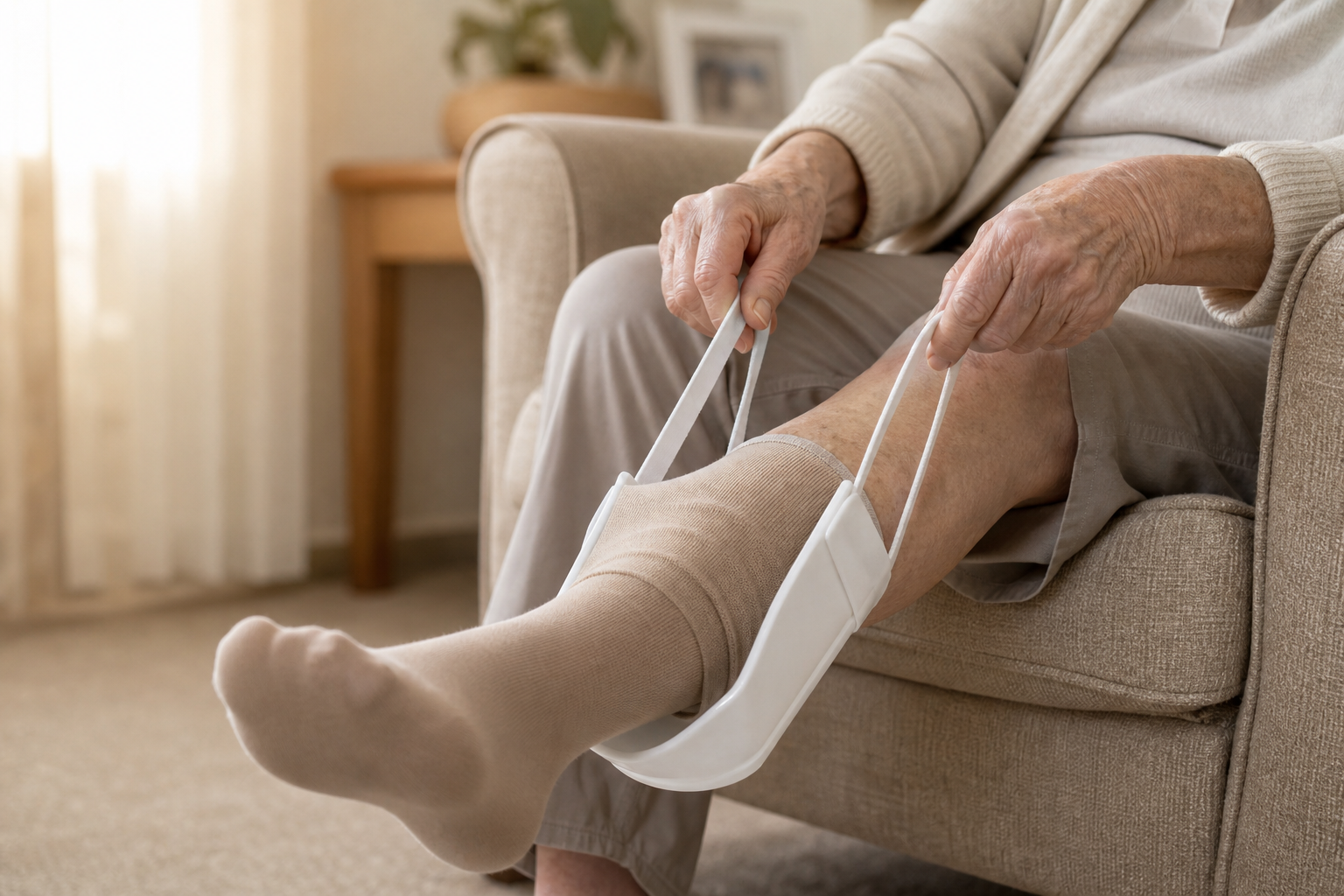
One of the biggest complaints seniors have about compression socks is that they’re incredibly difficult to pull on. The tighter the compression, the harder they are to get over your heel and up your calf. If arthritis or limited grip strength is an issue for you, this matters a lot when choosing a pair.
Look for these features when shopping:
- Open-toe designs: These require less stretching at the toe box, making them easier to slide on.
- Wide cuff openings: Some brands specifically engineer a wider top band that rolls down easily.
- Silky inner lining: A slicker interior fabric reduces friction, so the sock glides up instead of bunching.
- Compression stocking donners (sock aids): These are simple plastic or metal frames you stretch the sock over first, then slide your foot in. They’re inexpensive and genuinely life-changing for people with limited hand strength or hip flexibility.
Working on your grip strength over time can also make this easier. Check out our article on grip strength exercises for hand function and independence for practical exercises you can do at home.
Top Picks for Seniors With Poor Circulation
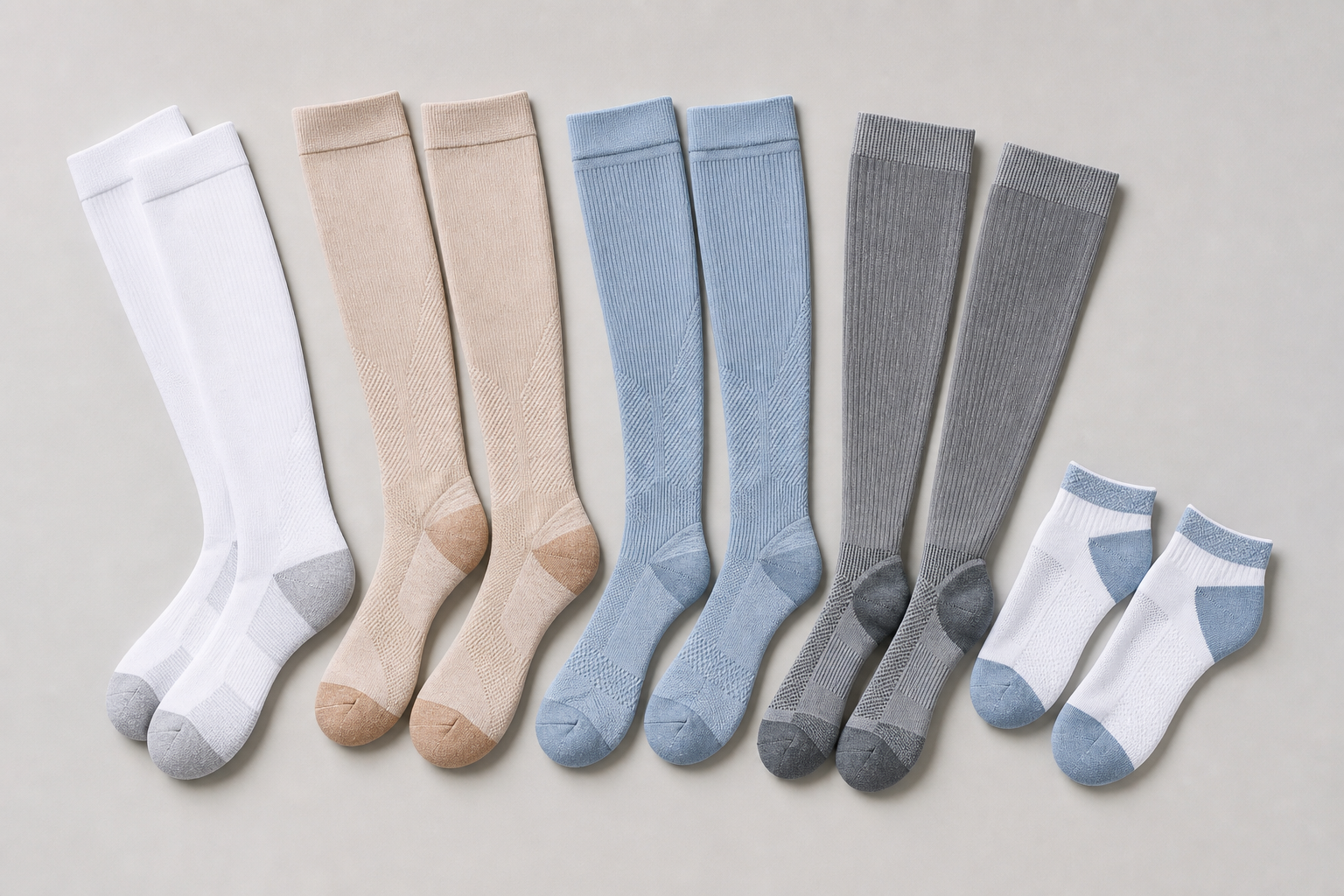
Sockwell makes some of the most comfortable graduated compression socks on the market. Their merino wool blend is soft against sensitive skin, offers mild-to-moderate compression, and doesn’t feel stiff the way cheaper options do. They’re a reliable everyday choice for seniors who want comfort without sacrificing effectiveness.

Sockwell Compression Socks
Soft merino wool blend with graduated compression, ideal for seniors who need daily circulation support without stiff or scratchy fabric.
For seniors who really struggle to pull socks on, Sigvaris offers medical-grade options in 20-30 mmHg with a looser toe pocket and silky liner that makes donning much easier. Sigvaris is one of the most trusted names in medical compression, and their attention to fit shows.

Sigvaris Medical Grade Compression Socks
A trusted medical-grade brand offering 20-30 mmHg compression with an easier-on design, great for seniors with moderate circulation issues.
On the budget-friendly end, Physix Gear compression socks offer solid 20-30 mmHg compression at an accessible price point. They’re well-reviewed for durability and come in a range of sizes. A good option if you want to try compression socks before committing to a premium brand.
If you’re already staying active with walking or low-impact sports like pickleball, wearing compression socks during and after activity can help reduce post-exercise leg swelling and speed up recovery. Pair that with smart post-workout recovery meals and your legs will feel noticeably better.
When to Talk to Your Doctor First
Compression socks are generally safe for healthy seniors, but there are situations where you need medical clearance before putting them on. Skip the self-prescribing if any of these apply to you:
- You have peripheral arterial disease (PAD) or reduced arterial blood flow. Compression can make arterial circulation worse, not better.
- You have diabetic neuropathy with reduced sensation in your feet. You may not feel if the socks are too tight or causing skin breakdown.
- You have open wounds, infections, or dermatitis on your lower legs.
- You’ve been recently diagnosed with, or treated for, deep vein thrombosis.
- You’re taking blood thinners. Your doctor may have specific guidance on compression use.
Seniors managing blood pressure conditions should also check in with their physician, particularly if they’re on medications that affect circulation. Our article on blood pressure medication and exercise precautions covers related considerations worth reviewing.
Frequently Asked Questions
How many hours a day should seniors wear compression socks?
Most people wear them during waking hours, putting them on in the morning before swelling starts and removing them before bed. Wearing them all night is generally not recommended unless a doctor specifically advises it. Start with a few hours and work up to full-day wear as your legs adjust.
Can compression socks replace medical treatment for circulation problems?