You’ve probably seen the headlines: “This food has 10x more protein than eggs!” or “The one superfood replacing meat!” Most of that content is clickbait dressed up as nutrition advice. Eggs are fine. So is chicken, Greek yogurt, and a good protein powder when you need it. What actually matters for older adults is hitting consistent protein targets throughout the day, not chasing miracle foods.
Muscle loss accelerates after 60, a process called sarcopenia, and protein intake is one of the most powerful tools you have to slow it down. But older adults absorb and process protein less efficiently than younger people, which means the old standard of 0.8 grams per kilogram of body weight is genuinely too low for most seniors. Current research points to something closer to 1.2 to 1.6 grams per kilogram as a more realistic target for active older adults.
What the Numbers Actually Look Like
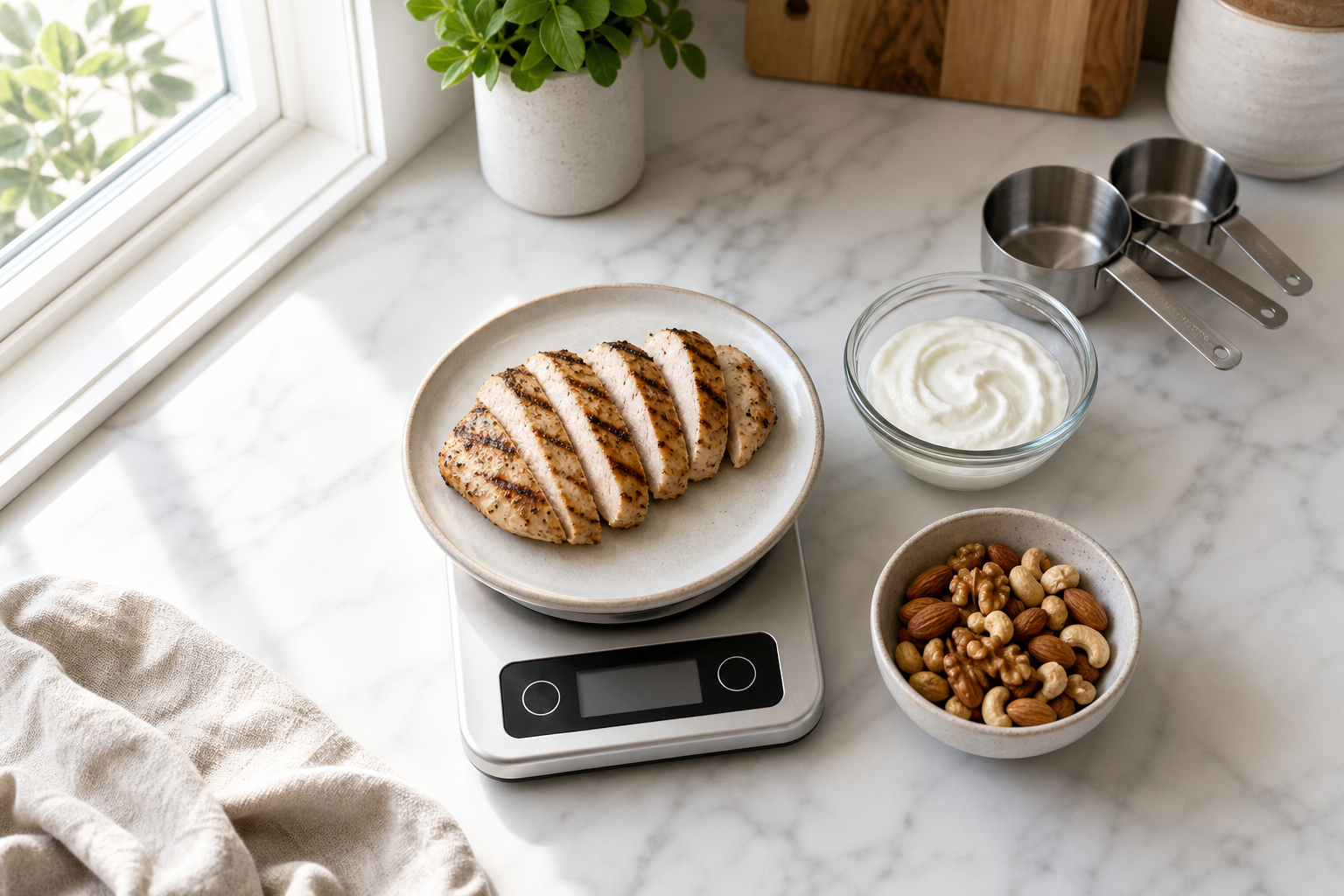
If you weigh 160 pounds (about 73 kg), you’re looking at roughly 88 to 117 grams of protein per day. That sounds like a lot, but it becomes manageable when you spread it across three meals instead of trying to hit it all at once.
Your muscles can only use so much protein per sitting. Most researchers suggest aiming for 25 to 40 grams of protein per meal, with older adults landing toward the higher end of that range due to reduced muscle protein synthesis efficiency. Three meals at 30 grams each gets you to 90 grams without needing a calculator at every snack.
Spreading protein out also matters for muscle building. Piling most of your intake into dinner and skimping at breakfast is a common pattern that undercuts your results, even if your daily total looks fine on paper. If you’re also trying to lose fat while preserving muscle, hitting that per-meal target becomes even more important.
Whole Food Sources Worth Building Your Meals Around
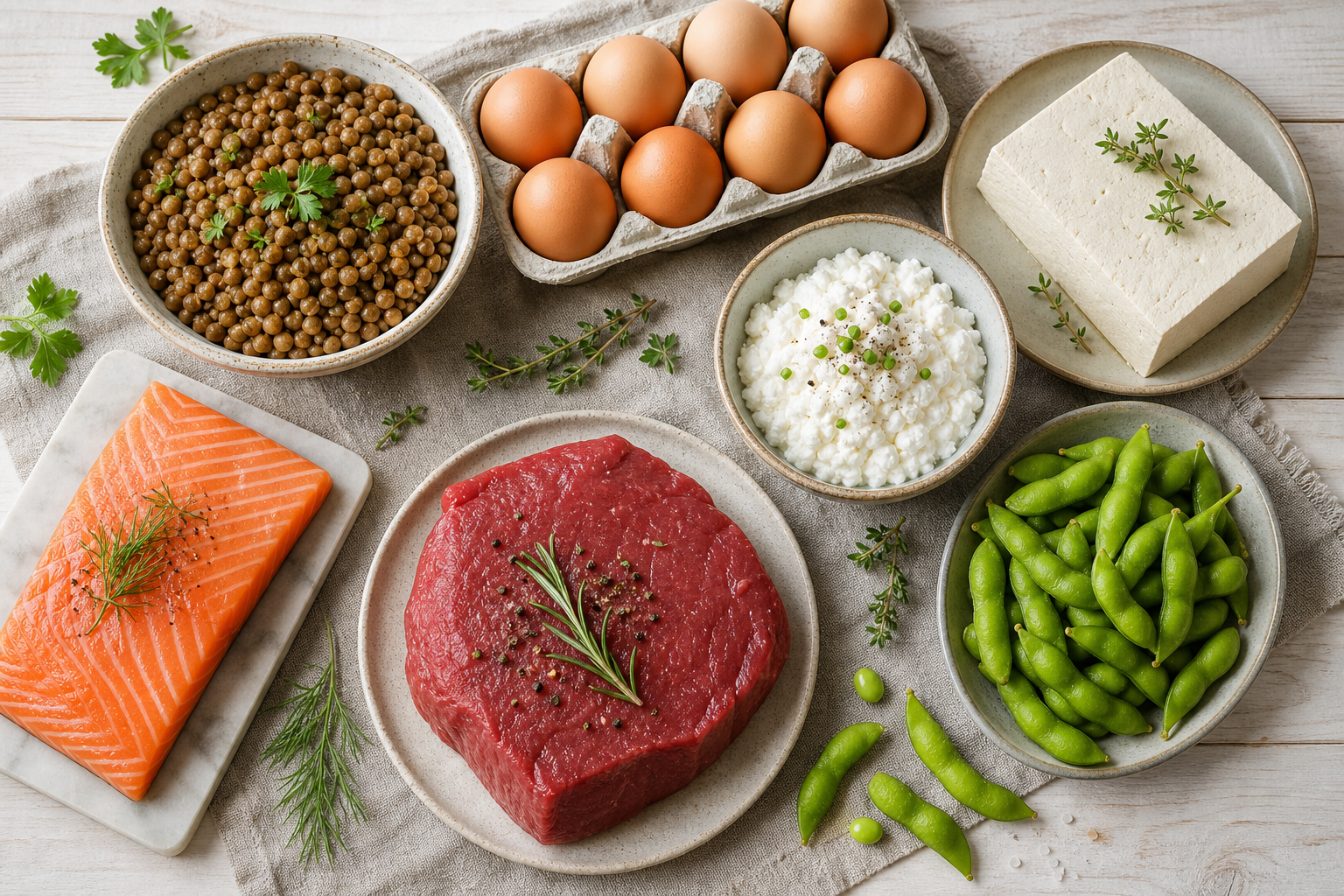
There’s nothing wrong with eggs. Three large eggs give you about 18 grams of complete protein, they’re easy to digest, and they’re one of the cheapest sources of leucine, the amino acid most directly linked to triggering muscle protein synthesis.
Here are practical whole-food options with approximate protein per serving:
- Greek yogurt (plain, 1 cup): 17 to 20 grams
- Cottage cheese (1 cup): 25 grams
- Canned tuna or salmon (3 oz): 20 to 22 grams
- Chicken breast (4 oz cooked): 35 grams
- Lentils (1 cup cooked): 18 grams
- Edamame (1 cup): 17 grams
- Low-fat milk (1 cup): 8 grams
Dairy foods like cottage cheese and Greek yogurt are especially useful for older adults because they deliver whey protein, which has a high leucine content and is rapidly absorbed. Pairing a fast-digesting protein like Greek yogurt with a slower one like eggs or cottage cheese at the same meal can keep amino acids circulating longer.
For anyone trying to also support bone health alongside muscle, many of these high-protein foods overlap nicely with non-dairy calcium sources, and vitamin D plays a supporting role in how well your muscles actually use that protein.
Timing your protein around workouts also matters. What you eat in the hours after resistance training directly affects muscle repair and growth. Check out this guide on post-workout recovery meals for seniors for specific ideas on putting it all together.
When a Supplement Actually Makes Sense

Supplements aren’t a shortcut, but they are a practical tool for people who struggle to eat enough protein from food alone. Appetite often decreases with age, dental issues can make chewing meat difficult, and some days you simply don’t feel like cooking a full meal.
Whey protein is still the gold standard for muscle support because of its amino acid profile and absorption speed. Whey isolate is a good choice if you’re lactose-sensitive. If you prefer plant-based, look for a blend of pea and rice protein, since each covers the amino acids the other lacks.
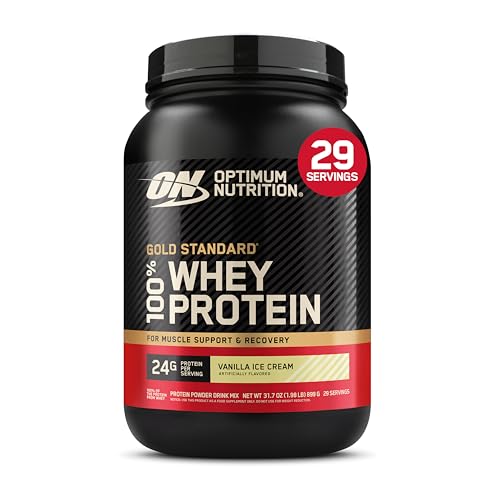
Protein Powder for Seniors
A high-quality whey or plant-based protein powder makes it easy to hit your 25-30g per meal target on days when whole foods fall short.
A single scoop mixed into Greek yogurt or a smoothie can push a meal from 15 grams of protein to 40 grams without adding much volume. That’s genuinely useful when appetite is the limiting factor.
For a deeper look at options and what to avoid, the protein powder guide for seniors over 70 covers specific products, ingredient red flags, and how to read a label without getting confused by marketing language.
If you’re doing any resistance training (and you should be if muscle maintenance is the goal), thinking about pre-workout nutrition is worth your time too. A small protein-containing snack before training can prime your muscles to respond better.
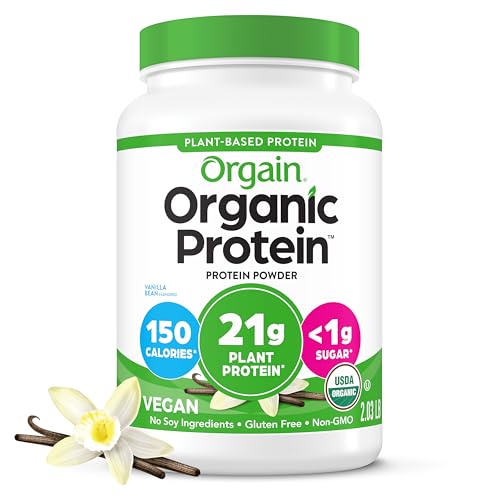
Orgain Organic Protein Powder
A well-tolerated plant-based option that blends easily and avoids the chalky texture that puts many people off protein shakes.
Frequently Asked Questions
Is it really safe for seniors to eat that much protein? Won’t it strain the kidneys?
For people with healthy kidney function, higher protein intakes are not dangerous. The concern about kidneys and protein applies mainly to people who already have diagnosed kidney disease. If you have chronic kidney disease, work with your doctor on specific targets. For everyone else, the research consistently supports higher protein intake as beneficial, not harmful.
What if I’m vegetarian or don’t like meat?
You can absolutely hit your targets without meat. Cottage cheese, Greek yogurt, eggs, edamame, lentils, and legumes are all strong options. Plant-based protein powders fill gaps well. The main thing to watch is leucine content since plant proteins tend to have less, so you may need to eat slightly larger portions or use a supplement to get the same muscle-building stimulus.
This article contains affiliate links. We may earn a small commission at no extra cost to you.