You’ve noticed it, or maybe you’ve noticed it in a parent or spouse. The pitcher of water on the counter barely gets touched. A whole day can pass without much interest in a drink, even when it’s warm outside or after a long walk. This isn’t stubbornness or forgetfulness most of the time. It’s actually a well-documented change in how the body signals thirst as we get older, and understanding why can help you respond to it more effectively.
This article focuses specifically on the “why” behind blunted thirst signals in older adults, and what factors make fluid needs different from person to person. If you’re looking for general daily hydration checklists or exercise-specific fluid guidance, this isn’t meant to replace those resources. Instead, think of this as filling in the piece that often gets skipped over: the biology and circumstances behind why thirst itself becomes an unreliable guide with age.
The Biology Behind a Weaker Thirst Signal
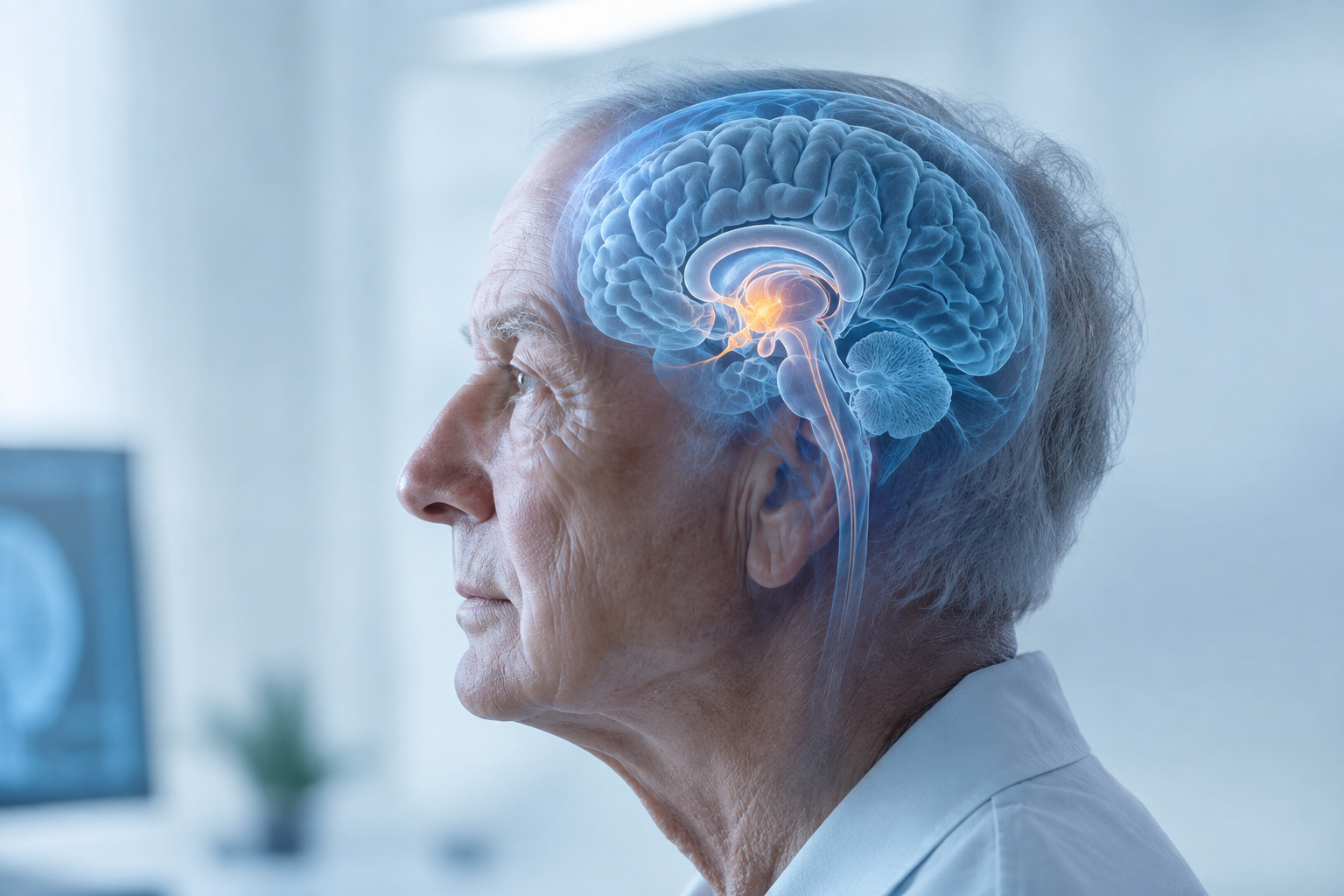
Thirst is triggered by specialized cells in the brain called osmoreceptors, which detect when blood becomes more concentrated and fluid levels are dropping. In younger adults, this system works quickly and reliably. As people age, these receptors become less sensitive, so the brain doesn’t send the “drink now” message as promptly or as strongly, even when the body genuinely needs fluids.
On top of that, aging kidneys are less efficient at concentrating urine and conserving water. This means older adults can lose fluid faster through normal urination while simultaneously feeling less compelled to replace it. The combination is exactly why dehydration sneaks up on so many seniors without any obvious warning signs like intense thirst.
Hormonal shifts play a role too. Levels of vasopressin, a hormone that helps the body retain water, don’t respond to dehydration cues as sharply in older adults. So the internal alarm system that once kept fluid balance on track becomes quieter and slower to trigger, even as the actual need for water hasn’t changed much at all.
Fluid Needs Are Not One-Size-Fits-All
A common mistake is assuming everyone over 65 needs the same fixed amount of water each day. Fluid needs actually swing quite a bit based on individual circumstances, and treating hydration as a rigid daily number can do more harm than good.
Someone who spends most of the day in an air-conditioned home doesn’t need nearly as much fluid as someone gardening outside in July heat. A person eating a lot of soups, fruits, and vegetables is already pulling in a good amount of water through food, while someone on a drier, more processed diet may need to drink more deliberately to make up the difference.
Rather than chasing a specific ounce count, it’s more useful to pay attention to patterns: how dark urine appears, how dry the mouth feels, how often bathroom trips happen, and how energy levels shift throughout the day. These personal signals tend to tell you more than a generic daily target ever could.
Weather, Activity, and Everyday Habits Change the Equation
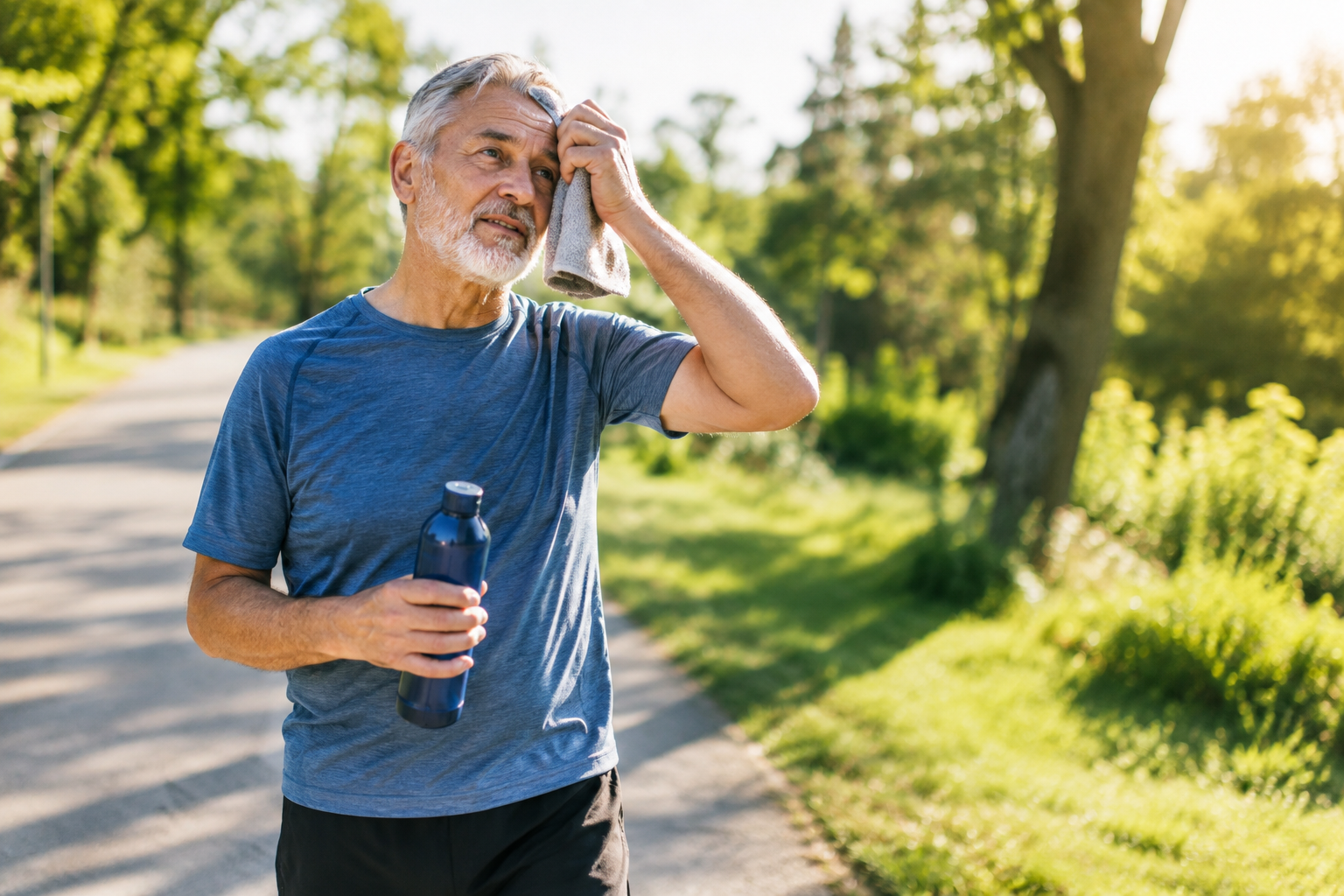
Heat and humidity increase fluid loss through sweat, sometimes without producing the drenched feeling people associate with sweating heavily. Older adults also sweat less efficiently than younger people, which can create a false sense that they’re not losing much fluid when they actually are.
Physical activity matters here too. A walk around the block requires a different level of fluid replacement than a session of strength training or a longer outdoor hike. If you’re someone who uses a weighted vest for walking or push yourself with resistance work, your body is working harder and losing fluid faster than it would during light daily movement.
Carrying a water bottle that’s actually easy to open and use also removes one small barrier that keeps people from drinking consistently throughout the day. Arthritic hands can turn a simple twist-cap bottle into a frustrating chore, which is one reason it’s worth looking at easy-open water bottles designed for arthritis-friendly grip rather than sticking with whatever bottle happens to be in the cabinet.
Medications and Health Conditions Add Another Layer
Many medications commonly prescribed to older adults directly affect fluid balance. Diuretics, often prescribed for blood pressure or heart conditions, increase urination and fluid loss. Certain blood pressure medications, laxatives, and even some antidepressants can also shift how the body handles water and electrolytes.
Chronic health conditions complicate the picture further. Diabetes can cause increased urination and fluid loss through elevated blood sugar. Cognitive conditions like dementia can interfere with the ability to recognize thirst cues at all or to remember to act on them, even if the signal is present.
This is also where it becomes important to say clearly: not everyone should simply “drink more.” People with heart failure, kidney disease, or other conditions affecting fluid regulation may be placed on clinician-directed fluid restrictions for very good medical reasons. If a doctor has given specific fluid limits, those instructions should always take priority over general hydration advice, including anything in this article.
Signs That Fluid Intake Needs Attention
Since thirst itself becomes an unreliable indicator with age, it helps to watch for other signs instead. Dry mouth, dry skin that doesn’t bounce back quickly when pinched, dark yellow urine, fatigue, confusion, and dizziness upon standing can all point to inadequate fluid intake.
Dizziness in particular deserves attention because it overlaps with fall risk, which is a much bigger concern for older adults than mild dehydration alone. If dizziness or unsteadiness has been a recurring issue, it’s worth reading through exercises that may help with dizziness and balance, since hydration is only one piece of a puzzle that often also involves inner ear function, blood pressure regulation, and muscle strength.
Muscle cramping is another clue that sometimes gets misread as a purely fitness related issue when fluid and electrolyte balance are actually involved. There’s a deeper look at that connection in this article on hydration and muscle cramps in seniors, which covers how cramping patterns can reveal what’s going on beneath the surface.
Practical Ways to Work Around a Dulled Thirst Signal

Since waiting to feel thirsty isn’t a reliable strategy anymore, building small habits around regular fluid intake tends to work better than relying on instinct. Keeping a filled glass or bottle visible on a kitchen table or nightstand serves as a visual reminder that doesn’t depend on feeling thirsty first.
Pairing drinks with routine activities helps too. Having a glass of water with each meal, after using the bathroom, or before and after a walk builds hydration into moments that already happen every day rather than treating it as a separate task to remember.
For those who stay active with strength training or longer walks, tracking fluid intake alongside activity can be as simple as noting it on paper. If you’re already using low-tech tracking methods for exercise, adding a quick note about fluid intake to that same log keeps everything in one place without needing an app or a wearable device.
Frequently Asked Questions
Why do I stop feeling thirsty even when I know I haven’t had much to drink?
This happens because the brain’s thirst receptors become less sensitive with age, along with hormonal changes that reduce how strongly the body signals a need for fluids. The need for water doesn’t go away, it’s just that the internal warning system becomes quieter and slower to respond.
Is there a single daily water target every older adult should aim for?
No single number works for everyone because fluid needs depend on activity level, weather, diet, medications, and existing health conditions. A better approach is watching personal signals like urine color, energy levels, and mouth dryness rather than chasing a fixed ounce count.
Can drinking too much water ever be a problem for older adults?
Yes, particularly for people with heart failure, kidney disease, or certain other conditions where excess fluid can cause real complications. Anyone with a diagnosed condition affecting fluid balance should follow their doctor’s specific instructions rather than general hydration guidance.
What are the easiest habits to build for staying hydrated without relying on thirst?
Pairing drinks with routine moments like meals, medication times, or bathroom breaks tends to work well because it doesn’t depend on remembering or feeling thirsty. Keeping water visible and within easy reach, and using a bottle that’s simple to open, also removes small barriers that add up over the course of a day.