Reaching up to grab something from a shelf, fastening a seatbelt, or combing the back of your hair — these small movements become frustrating when your shoulders have lost their range. Stiffness in the shoulder joint is one of the most common complaints among older adults, and it tends to creep up gradually, often dismissed as just “getting older.” The good part is that targeted mobility work can genuinely turn this around, even if you’ve been struggling for months.
This guide focuses on the exercises most likely to restore overhead reach without making things worse. If you’re dealing with sharp, shooting pain rather than general tightness, check with your doctor before starting. But for garden-variety stiffness and limited range of motion, these gentle techniques are a solid place to begin.
Why Seniors Lose Shoulder Mobility (And What You Can Do About It)
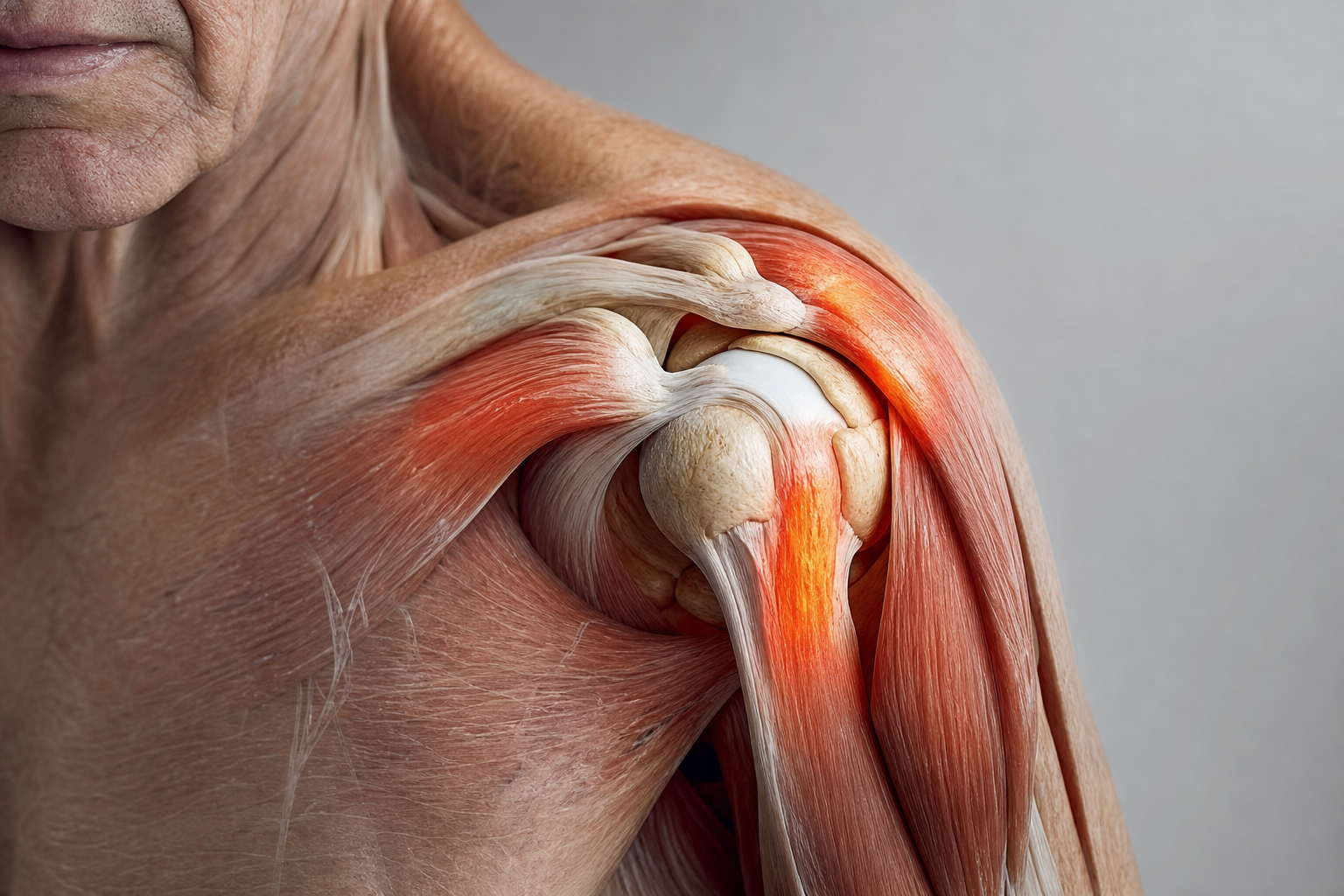
The shoulder is a ball-and-socket joint that depends heavily on surrounding soft tissue to function well. When the rotator cuff muscles, the joint capsule, and the surrounding tendons tighten from disuse or inflammation, overhead reach starts to shrink. This is especially common after an injury, a period of reduced activity, or with age-related changes in connective tissue.
Poor posture also plays a bigger role than most people realize. A rounded upper back and forward-tilted head physically compress the shoulder joint, leaving less room for the arm to rise. If this sounds familiar, our guide to posture correction exercises for seniors works very well alongside the mobility work described here.
The goal isn’t to force flexibility. It’s to gently coax the joint back through its natural range using consistent, low-load movement.
The Three Best Exercises for Stiff Shoulders

1. Pendulum Swings
This is usually the safest starting point, especially if your shoulder is actively sore. Stand next to a table or countertop, lean forward slightly, and let your affected arm hang straight down. Use your body weight to gently swing the arm in small circles, forward and back, and side to side. Let gravity do the work rather than actively moving your muscles.
Do 10 to 15 repetitions in each direction, twice a day. Pendulum swings decompress the shoulder joint and keep synovial fluid circulating, which matters a lot for reducing stiffness. Keep the circles small. Bigger is not better here.
2. Wall Slides
Stand facing a wall with your forearms resting flat against it, elbows at shoulder height. Slowly slide both arms upward, keeping your forearms in contact with the wall as long as possible. Stop when you feel a real stretch (not pain), hold for two to three seconds, and slide back down.
This exercise is excellent for improving overhead reach because it uses the wall as a guide, preventing you from compensating with your back or neck. Aim for two sets of 8 to 10 repetitions. Over time, you’ll notice the point where you feel resistance creeping higher up the wall.
3. Shoulder Pulley Exercises
A shoulder pulley for exercise is one of the most effective tools available for restoring overhead range, and physical therapists use them routinely after shoulder surgeries and injuries. You hang the pulley over a door, hold one handle in each hand, and use your good arm to gently lift the stiff one through a greater range than it could manage on its own.
The key is slow, controlled movement. Your stronger arm does most of the work while your stiff shoulder gets guided through the motion passively. This avoids the muscle guarding that often limits active movement. Start with just 5 to 10 repetitions and build from there.
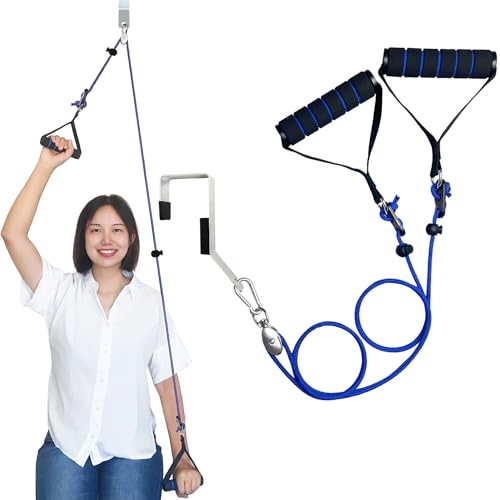
Shoulder Pulley for Exercise
A door-mounted shoulder pulley lets you guide your stiff arm through a fuller range of motion than you could achieve on your own, making it a staple of shoulder rehab for good reason.
For those who also deal with joint discomfort throughout the body, supporting your recovery from the inside out can help too. Many seniors find that omega-3 supplements for joint health and collagen supplements complement their mobility work, though neither replaces the exercises themselves.
What to Avoid (And a Note on Pain)

Do not push through sharp, stabbing pain. A mild ache or the sensation of a deep stretch is normal and expected. Pain that makes you wince, causes numbness, or runs down your arm is a signal to stop and get evaluated. Rotator cuff tears, frozen shoulder, and bursitis all require specific treatment that goes beyond general mobility exercises.
Avoid aggressive overhead stretching early in your program. Forcing range of motion before the tissue is ready can irritate the joint and set you back. Progress gradually, and give your shoulder two to three weeks of consistent work before judging whether it’s helping.
Using a foam roller for muscle recovery on your upper back and chest muscles a few minutes before these exercises can also help the shoulder move more freely by reducing tension in the surrounding areas.
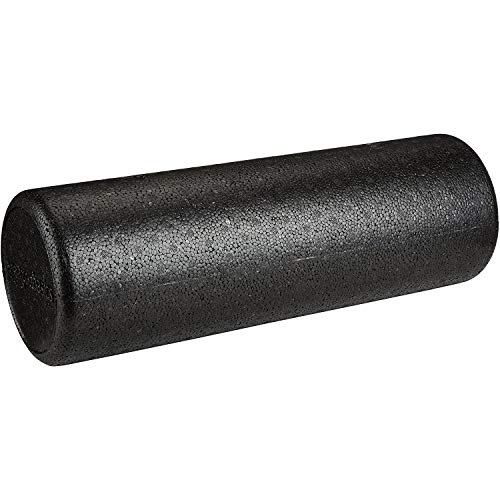
Foam Roller for Upper Back
Rolling out your upper back and chest before shoulder mobility work releases tension in the muscles that limit overhead reach.
Frequently Asked Questions
How long does it take to improve shoulder mobility in seniors?
Most people start noticing meaningful improvement within three to four weeks of daily mobility work. Full recovery of overhead reach can take two to four months, depending on how long the stiffness has been present and whether there’s an underlying condition like frozen shoulder. Consistency matters far more than intensity here.
Can I do these exercises if I have arthritis in my shoulder?
Generally yes, though the degree depends on your specific situation. Pendulum swings and pulley exercises tend to be the most tolerable for arthritic shoulders because they minimize the compressive load on the joint. If your arthritis is actively flaring, it’s worth checking in with your doctor before starting, and you may want to review our article on arthritis-friendly exercises for seniors for additional guidance on working around joint flare-ups safely.
After your shoulder sessions, make sure you’re fueling recovery well. A protein-rich snack helps repair the soft tissue you’ve been working. Our article on post-workout recovery meals for seniors has practical ideas that won’t take much effort to prepare.
This article contains affiliate links. We may earn a small commission at no extra cost to you.