Staying consistent with exercise gets harder as the years pile up, but not for the reasons most people assume. It’s rarely about physical ability. More often, it’s motivation that slips. Life changes, energy fluctuates, old routines fall apart after an injury or illness, and suddenly weeks turn into months without meaningful movement. If you’re in your 70s or beyond, you already know the stakes. Regular exercise at this stage isn’t just about fitness. It protects your independence, sharpens your thinking, and keeps everyday tasks manageable.
The good part is that staying motivated doesn’t require willpower or a dramatic overhaul of your lifestyle. It requires a few smart strategies that work with your life instead of against it. This article walks through what actually keeps older adults moving long-term, with specific tools and approaches you can start using this week.
Start With Goals That Are Embarrassingly Small
One of the most common motivation killers is setting goals that are too ambitious too fast. You commit to walking 45 minutes every day, miss two days in a row because of weather or a sore knee, and suddenly the whole effort feels like a failure. That cycle is discouraging at any age, but it’s especially frustrating when your body needs more recovery time than it used to.
The fix is to set goals so small they feel almost silly. A ten-minute walk after breakfast. Three seated stretches before bed. One set of chair squats before your morning coffee. These “micro-goals” aren’t the finish line. They’re the on-ramp that builds the habit before you add intensity or duration.
Research on habit formation consistently shows that small, repeated behaviors become automatic faster than large, irregular ones. Once a ten-minute walk feels boring because it’s so easy, you’ll naturally want to extend it. That’s the right direction to grow from, not from white-knuckling a 45-minute session you dread.
Anchor Your Workout to Something Already in Your Day
Motivation is unreliable. Some mornings you’ll feel ready to move, others you won’t. Relying purely on motivation to get you off the couch is a losing strategy. What works much better is “habit stacking,” attaching your exercise to something you already do every single day without thinking.
A few examples that work well for older adults:
- Do light stretching while your coffee brews in the morning
- Walk for ten minutes immediately after lunch before sitting back down
- Do calf raises while brushing your teeth
- Ride a stationary bike during your favorite morning news program
- Do a short resistance band session right after your afternoon medications
Speaking of medications, timing matters more than people realize. Some blood pressure medications can affect your heart rate response during exercise, so it’s worth understanding when to take them relative to your workouts. Our article on medication and exercise timing for seniors covers exactly this.
The point of anchoring is that the decision of “when do I exercise” is already made for you. You don’t have to negotiate with yourself every day. The routine just happens because it’s attached to something automatic.
Use Social Workouts to Replace Willpower

Exercising with other people is one of the most reliable motivation strategies available, and it works for a simple reason: you don’t want to let someone down. If a friend is expecting you at the pool at 9am on Tuesday, you’re going to show up even on days when you’d rather stay home. Accountability is powerful.
Beyond accountability, social exercise has genuine mental health benefits. Loneliness is a serious health risk for older adults, and combining physical activity with social connection addresses both at once. Group fitness classes, walking clubs, pickleball leagues, and water aerobics groups all fit this model.
If you haven’t explored what’s available near you, our guide to social fitness groups for seniors is a great starting point. Many community centers, YMCAs, and senior centers offer free or low-cost group classes specifically designed for older adults.
Recreational sports are another underrated option. Activities like pickleball and bocce ball are social by nature, low-impact, and genuinely fun. When you’re enjoying yourself, “exercise” stops feeling like a chore.

Resistance Bands Set for Seniors
A quality set of resistance bands lets you do a full-body workout at home or in a group class without putting stress on your joints.
Track Your Progress in a Way That Feels Good
Progress tracking is one of the most underused motivation tools for older adults. There’s something genuinely satisfying about looking back at a log and seeing how far you’ve come, especially on days when your progress feels invisible.
The key is tracking in a way that’s encouraging rather than punishing. You’re not trying to hit elite athlete numbers. You’re building a record of consistency over time. Even a simple check mark on a paper calendar for each day you moved can be surprisingly motivating.
A dedicated fitness journal is worth considering if you want something more structured. Being able to write down your activity, how you felt during and after, and any physical changes you notice gives you a rich record that’s much more useful than just step counts. A good workout habit tracker journal designed for this purpose can make the practice easier to stick with.

Workout Habit Tracker Journal
A structured fitness journal makes it easy to log your workouts, note how your body feels, and visually track your consistency week by week.
Wearable fitness trackers add another layer of data if you enjoy that kind of feedback. Seeing your step count, active minutes, and resting heart rate trend in the right direction over weeks and months is genuinely motivating. If you want to explore digital options, our article on fitness tracking apps for seniors walks through the best choices for older adults, including options that are easy to read and navigate.
Build in Recovery So You Don’t Burn Out

One reason people fall off the exercise wagon in their 70s and beyond is that they don’t plan for recovery. Muscles need more time to repair than they did at 40. Joints need extra attention. If you push hard without rest, soreness and fatigue stack up until exercise feels like punishment.
Recovery isn’t laziness. It’s part of the training. Scheduling rest days, sleeping well, and eating enough protein are non-negotiable parts of a sustainable routine. Our guide on post-workout recovery meals for seniors breaks down exactly what to eat in the hours after exercise to support muscle repair and reduce soreness.
Foam rolling is another recovery tool worth adding to your routine. It helps reduce muscle tightness and improve circulation after workouts without any joint impact. A good foam roller takes less than ten minutes to use and makes a real difference in how you feel the next day. Our article on the best foam rollers for senior muscle recovery covers which models are easiest to use and most effective.
Sleep quality matters more than most people credit. Poor sleep raises inflammation, dulls motivation, and makes physical effort feel harder than it should. If you’re struggling with rest, take a look at what’s covered in our piece on sleep hygiene and exercise for better rest.
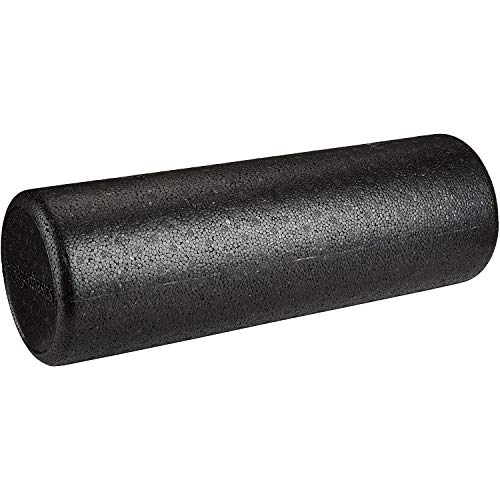
Foam Roller for Seniors
A softer-density foam roller is ideal for older adults, providing effective muscle release without the intense pressure that can feel painful on sensitive joints.
Adjust Your Mindset Around “Missing” Days
Everyone misses days. Everyone. You get sick, you travel, you have a flare-up of joint pain, life gets in the way. The problem isn’t missing a day. The problem is the story you tell yourself about it afterward.
Thinking “I’ve already ruined my streak, I might as well quit” is the single most common reason people fall off long-term habits. Researchers sometimes call this the “what the hell” effect. One missed day leads to a week, which leads to months.
The reframe that actually works is this: the goal is never perfection. The goal is the highest possible average over time. Missing one day and getting back on track the next morning is a completely successful habit. Missing a week because of an illness and returning to your routine when you feel better is also a success. The habit lives in the return, not in the streak.
If you’re working around a specific health condition that makes exercise complicated, know that there are tailored programs available for almost every situation. Whether you’re managing arthritis, recovering from a procedure, or dealing with chronic pain, modified exercise is almost always possible and beneficial.
Keep Variety High Enough to Stay Interested
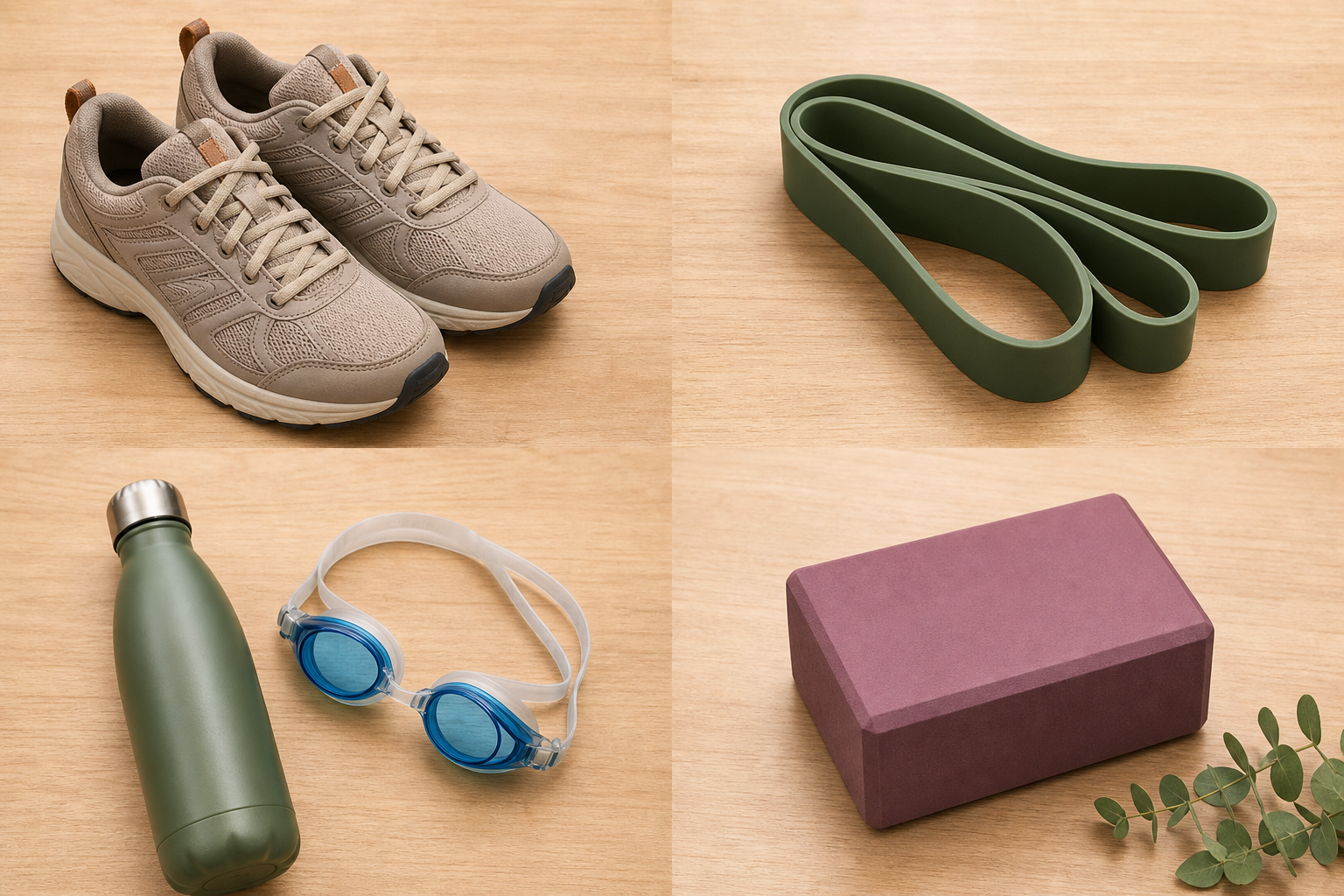
Boredom is a real motivation killer. Doing the exact same workout every day for months will eventually feel like a chore, regardless of how much you liked it at first. Building some variety into your routine keeps things mentally fresh and also challenges your body in different ways.
A balanced weekly routine for someone in their 70s might look something like this:
- Two days of strength or resistance training (bands, light weights, or bodyweight exercises)
- Two to three days of cardio (walking, cycling, water aerobics, or dancing)
- One to two days of balance and flexibility work (yoga, tai chi, or stretching)
- One full rest day with optional light walking
Rotating between activities also reduces overuse injuries, which become more common after 70. If walking is your primary exercise, consider adding a stationary bike on days when your feet or knees need a break. Our comparison of exercise bikes vs. ellipticals for seniors can help you decide which indoor cardio option suits your body and space.
Outdoor activities are worth prioritizing when weather permits. Fresh air, changing scenery, and natural light all contribute to mood and energy in ways a gym can’t fully replicate.
Frequently Asked Questions
How much exercise do adults over 70 actually need each week?
Current guidelines from the CDC recommend at least 150 minutes of moderate-intensity aerobic activity per week for older adults, plus muscle-strengthening activities on two or more days. That breaks down to about 30 minutes of brisk walking five days a week, which is very achievable. Balance exercises are also recommended, especially for those at risk of falls. If 150 minutes feels like too much right now, start with whatever you can do consistently and build from there.
What if pain or a health condition makes it hard to stay consistent?
Pain and health conditions are among the most common reasons people struggle with exercise consistency after 70. The important thing to understand is that rest is rarely the best treatment for most chronic conditions. Gentle, appropriate movement almost always helps more than stopping entirely. Talk to your doctor or a physical therapist about modifications. Many conditions including arthritis, osteoporosis, neuropathy, and COPD all have specific exercise approaches that are both safe and effective.
Is it normal to feel less motivated to exercise as you get older?
Yes, and there are real physiological reasons for it. Hormonal changes, reduced energy levels, and slower recovery can all make exercise feel less rewarding than it used to. But motivation tends to follow action, not precede it. Most people find that once they start moving, even reluctantly, they feel better within minutes. Building a routine that doesn’t depend on motivation showing up first is the most reliable long-term strategy.
How do I stay motivated during winter or bad weather when I can’t get outside?
Having an indoor backup plan ready before bad weather hits is the key. That might mean a stationary bike, a resistance band routine, an exercise DVD, or an online class. Many seniors find that winter is actually a good time to build indoor habits that complement their outdoor summer activity. Our article on cold weather exercise tips for seniors has practical advice for staying active when temperatures drop.
Final Thoughts
Motivation isn’t something you either have or don’t have. It’s something you build and maintain through smart systems, supportive habits, and realistic expectations. At 70, 80, or beyond, the principles are the same as they’ve always been, but the execution needs to account for how your body actually works now, not how it worked 30 years ago.
Start small, anchor your routine to existing habits, make it social when you can, and track just enough to feel the satisfaction of consistency. When you miss a day, return the next one without drama. That approach compounds over months and years into something genuinely meaningful for your health and your independence.
This article contains affiliate links. We may earn a small commission at no extra cost to you.