You don’t need to stand up, head to a gym, or invest in a rack of equipment to build real arm strength. If you’ve been looking for a way to tone your biceps, shoulders, and upper back without putting stress on your knees, hips, or feet, a seated arm workout might be exactly what you’ve been missing. This kind of routine works just as well from a sturdy kitchen chair as it does from a fancy workout bench.
Whether you’re recovering from a surgery, managing a condition that makes standing difficult, or simply prefer the stability of sitting, this guide will walk you through a practical chair-based arm routine using light dumbbells or even household items like soup cans. Let’s get your upper body working.
Why Seated Arm Training Works So Well for Seniors
Seated exercise removes the balance challenge from the equation. You can focus entirely on moving the weight correctly instead of worrying about staying upright. This makes it easier to maintain good form, which actually leads to better muscle activation and fewer injuries.
Upper body strength matters more than most people realize. It’s what helps you carry groceries, lift grandchildren, open jars, and push yourself up from a chair. Losing arm and shoulder strength quietly affects your independence long before it becomes obvious. Building it back takes less effort than you might think.
For seniors dealing with conditions like arthritis, neuropathy, or chronic pain, seated routines can be especially valuable. They reduce the load on joints while still providing a meaningful training stimulus. If you want to read more about exercising safely with joint issues, the guide on arthritis-friendly exercises for seniors covers a lot of useful ground.
What You’ll Need Before You Start
The setup is minimal. You need a sturdy chair without wheels, ideally one with a flat seat and a back you can sit up straight against. Armrests can get in the way of some movements, so a simple dining chair often works best.
For weights, you have options. A pair of light dumbbells in the 2 to 5 pound range is ideal for most beginners. If you don’t have weights on hand, two same-sized soup cans or water bottles work fine in the beginning. Just make sure they’re the same size so each arm gets equal resistance.
A good starting choice for most seniors is a set of light hand weights. Look for ones with a comfortable grip and a non-slip surface, especially if you have any grip strength concerns.
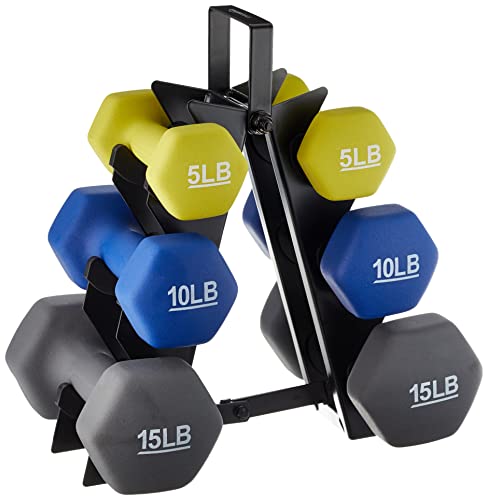
Neoprene Coated Dumbbell Set
Soft coating makes these easy to grip and comfortable to hold through an entire seated workout.
If you’d like to expand your home setup over time, check out this guide to a budget-friendly home gym for seniors for more ideas that won’t break the bank.
The Core Exercises: A Step-by-Step Seated Arm Routine

Do this routine two to three times per week with at least one rest day between sessions. Start with one set of 10 repetitions per exercise and work up to two or three sets over a few weeks. Move slowly and breathe steadily throughout.
Bicep Curls
Sit tall with your feet flat on the floor. Hold a weight in each hand with your palms facing up and your elbows close to your sides. Bend your elbows and lift the weights toward your shoulders, then slowly lower them back down. The lowering phase is just as important as the lifting phase, so don’t let gravity do the work for you.
Avoid swinging your upper arms or hunching your shoulders. If you find yourself leaning back to lift the weight, go lighter.
Overhead Press
Hold a weight in each hand at shoulder height with your palms facing forward. Press both weights straight up until your arms are nearly straight, then bring them back down to shoulder height. Keep your core gently engaged and your back against the chair if you need support.
This movement targets your shoulders (deltoids) and also works your triceps. If you have any shoulder pain or a history of rotator cuff issues, only raise the weights to a comfortable height and avoid locking out your elbows at the top.
Seated Row
This one mimics a rowing motion and targets your upper back, which tends to weaken with age and contributes to slouching. Sit at the edge of your chair and hold a weight in each hand with your arms extended in front of you at about waist height. Pull your elbows straight back, squeezing your shoulder blades together, then extend your arms forward again.
Think of trying to pinch a pencil between your shoulder blades at the top of the movement. This exercise pairs well with posture work. If slouching is something you’re actively working on, the article on posture correction exercises for seniors has a lot of helpful techniques to use alongside this routine.
Lateral Raises
Hold your weights at your sides with palms facing inward. Slowly raise both arms out to the side until they reach shoulder height, then lower them back down with control. Keep a slight bend in your elbows throughout.
Lateral raises are excellent for shoulder stability, but they can feel harder than expected. Start with the lightest weight you have and build up gradually.
Tricep Extensions
Hold one weight with both hands and raise it directly above your head. Keeping your upper arms still and close to your head, bend your elbows to lower the weight behind your head, then press it back up. This movement specifically targets the triceps, which are the muscles on the back of your upper arm.

Adjustable Hand Weights for Seniors
Adjustable options let you increase resistance gradually as you get stronger without buying multiple sets.
Building Grip Strength Alongside Your Routine

Grip strength often declines faster than people expect, and weak hands can make it harder to perform even simple arm exercises correctly. Adding a few grip-focused movements to your routine can make a real difference. The guide on grip strength exercises for hand function and independence covers some easy options you can do right in your chair.
A simple hand grip strengthener is a low-effort addition that pays off over time, especially if you struggle to hold onto weights during your workout.
What to Eat Before and After Your Workout
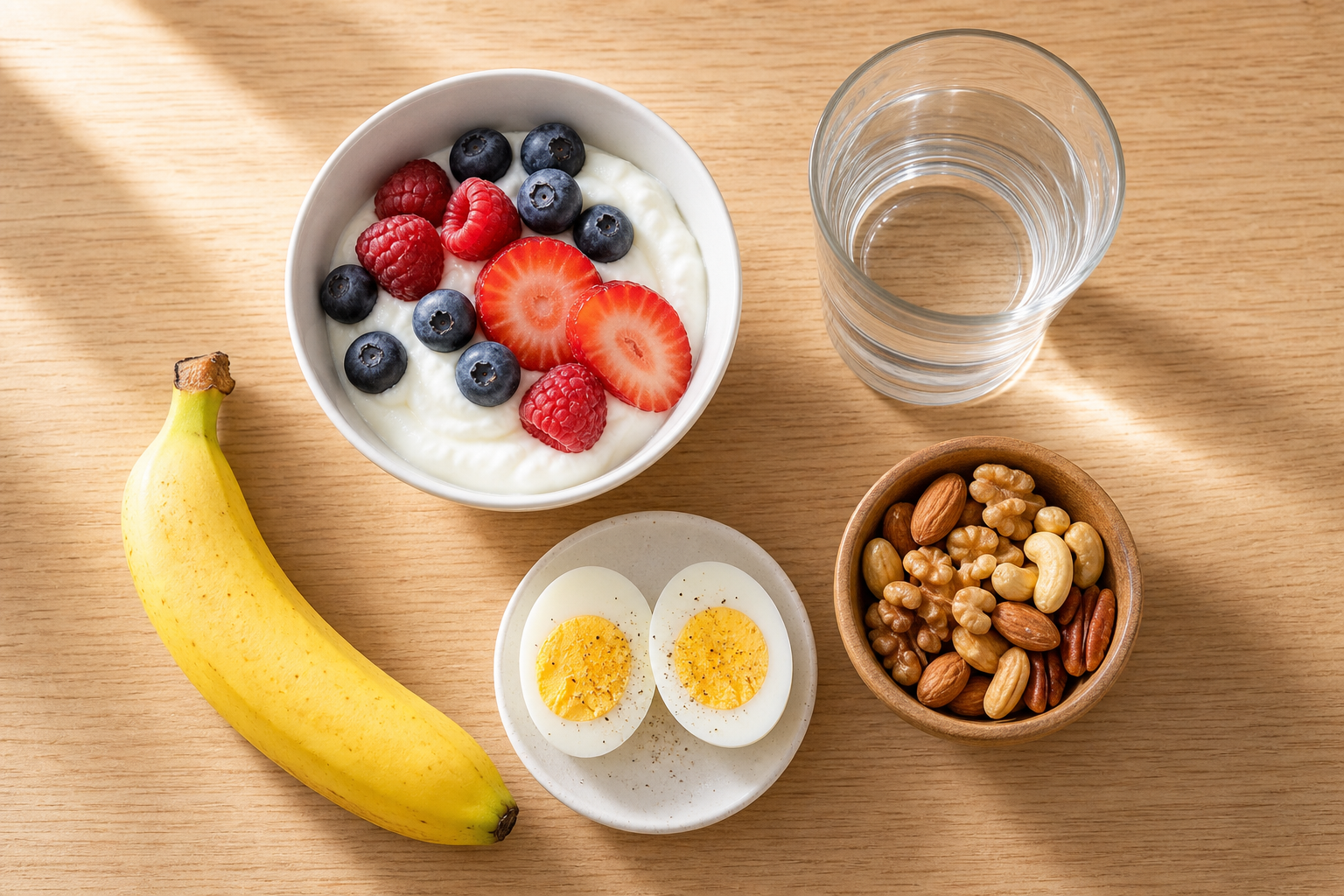
Strength training only works if your body has the nutrients it needs to build and repair muscle. Older adults often need more protein than they think, especially if they’re trying to rebuild muscle that’s been lost over the years. Before your session, a small snack with some protein and carbohydrates will give you energy and protect your muscles. For ideas, take a look at this guide to pre-workout nutrition for senior athletes.
After your workout, aim to eat a protein-rich meal within a couple of hours. This is when your muscles are most receptive to rebuilding. The article on post-workout recovery meals for seniors has practical suggestions that are easy to prepare.
Frequently Asked Questions
How heavy should the weights be for a senior starting out?
Start lighter than you think you need to. For most people beginning a seated arm routine, 2 to 3 pound weights are appropriate. You should be able to complete 10 repetitions with good form while still feeling some effort by the end of the set. If the last two or three reps feel genuinely challenging without causing pain, you’ve found the right weight. Add a pound or two when 10 reps start to feel easy.
Is it safe to do this routine every day?
Strength training works by creating small amounts of stress in the muscle, which then repairs and grows stronger during rest. Doing this routine every single day doesn’t allow for that recovery. Two to three times per week with rest days in between is the sweet spot for most seniors. On your off days, gentle stretching or walking is perfectly fine.
What if I feel pain during an exercise?
Some mild muscle fatigue is normal and expected. Sharp pain, joint pain, or any discomfort that lingers after you stop is a signal to back off. Reduce the weight, decrease your range of motion, or skip that exercise entirely and speak with your doctor or a physical therapist. Pain is feedback, not something to push through in strength training.
A seated arm routine is one of the most accessible ways to build real, functional strength without putting your body through unnecessary stress. Stick with it two or three times a week, fuel your body well, and you’ll likely notice meaningful improvements in your arm strength and endurance within just a few weeks.
This article contains affiliate links. We may earn a small commission at no extra cost to you.