Every muscle in your body will look and feel a little different at 70 than it did at 40. That’s normal. But there’s a big difference between the slow, expected muscle loss that comes with aging and sarcopenia, which is a diagnosable medical condition that can seriously affect your strength, balance, and independence. Knowing which one you’re dealing with changes how urgently you should respond.
What Normal Age-Related Muscle Loss Looks Like

Starting around your 30s, most people lose somewhere between 3 and 8 percent of their muscle mass per decade if they aren’t doing anything to counteract it. That rate speeds up after 60. It’s gradual, it’s expected, and it responds well to strength training and adequate protein intake.
You might notice your arms look a bit less toned, or that stairs feel slightly harder than they did ten years ago. Your grip might weaken a little. This is the natural background noise of aging muscle tissue, and it’s manageable with consistent effort. It doesn’t typically interfere with your ability to live independently, cook your own meals, or get up from a chair without help.
What Sarcopenia Actually Is
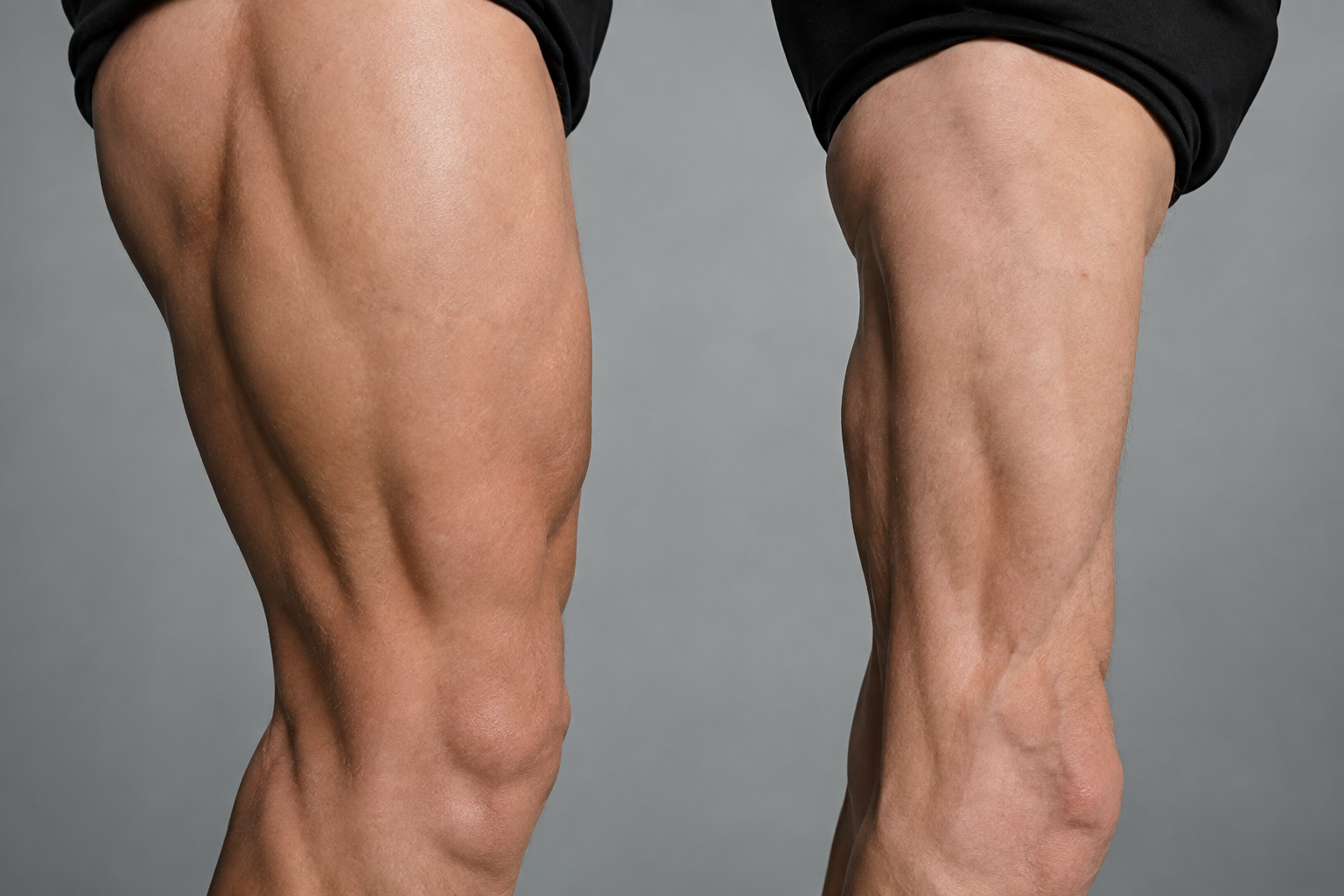
Sarcopenia is a clinical condition marked by a significant, accelerated loss of muscle mass, strength, and physical function. It’s not just “getting older.” It’s a diagnosable syndrome that doctors screen for using grip strength tests, walking speed measurements, and sometimes imaging to assess muscle mass directly.
The key difference is severity and speed. Normal aging chips away at muscle slowly over decades. Sarcopenia can cause noticeable functional decline within a year or two, and it often shows up alongside other red flags like unintentional weight loss, frequent falls, or trouble rising from a seated position without pushing off with your arms.
Doctors generally look for a combination of low muscle strength plus low muscle mass or poor physical performance before making a sarcopenia diagnosis. Grip strength below certain thresholds (often cited as under roughly 26 kg for men and 16 kg for women, though exact cutoffs vary by guideline) is one common screening tool. A slow walking speed, typically under 0.8 meters per second, is another.
Warning Signs That Point Toward Sarcopenia
- Struggling to open jars or twist doorknobs that used to be easy
- Needing your arms to push up from a chair or the toilet
- Noticeably shrinking calf or thigh circumference
- Unexplained weight loss combined with weakness
- Increased number of stumbles or near-falls in the past year
- Feeling exhausted after activities that used to be routine
If several of these sound familiar, it’s worth bringing up with your doctor rather than chalking it up to “just getting older.” A quick grip strength test or a timed walk can help clarify whether you’re dealing with typical aging or something that needs more targeted intervention. Testing your own balance at home is also a useful early check, and you can find simple methods in this guide to testing your balance at home.
Why the Distinction Matters for What You Do Next

If you’re dealing with normal age-related muscle loss, consistent strength training two to three times a week and enough protein at meals is usually enough to slow or even reverse the decline. You have more room to experiment and build habits at your own pace.
Sarcopenia calls for a more deliberate approach, often involving a doctor, and sometimes a physical therapist or dietitian, working with you on a structured plan. Strength training still matters enormously here, arguably more than in normal aging, because muscle responds to resistance training at almost any age. Someone diagnosed with sarcopenia may need to start with very light resistance and build up gradually, which is why understanding how many sets and reps to aim for and how to increase weights safely becomes especially important.
Nutrition plays a role too, but needs vary a lot from person to person. Your protein requirements depend on your body size, how active you are, your total daily calories, kidney function, and whether you’re recovering from illness or surgery. A smaller, sedentary 75 year old and an active 68 year old lifting weights three times a week have genuinely different needs, and both are different again from someone managing chronic kidney disease, who should follow their nephrologist’s specific protein guidance rather than general recommendations. If you’re looking at supplements to help close a gap, a clinician or dietitian can help you figure out what actually fits your situation, and our guide to protein supplements for seniors covers what to look for once you know your target.
FAQ
Can sarcopenia be reversed once it’s diagnosed?
Progress is possible, especially in the early stages. Resistance training is the most effective tool available, and studies consistently show that even people in their 80s and 90s can rebuild meaningful strength and muscle mass with consistent training. Combining that with adequate protein intake and addressing any underlying illness gives you the best shot at real improvement, though full reversal isn’t guaranteed for everyone and results depend on how advanced the condition is.
How do I know if I should worry about muscle loss or just keep exercising as usual?
If your strength and function are declining faster than you’d expect, if you’re falling more, or if simple daily tasks feel newly difficult, it’s time to talk to your doctor rather than guess. A grip strength test and a walking speed assessment are quick, non-invasive ways to get a clearer picture. In the meantime, sticking with regular strength training and paying attention to balance work, like the drills in this heel-to-toe walking guide, is a reasonable step for almost anyone regardless of which category they fall into.