Stress doesn’t disappear as you get older. In fact, many seniors face unique pressures like health concerns, major life transitions, and changes in independence. Meditation offers a proven way to manage these stressors without medication or complicated equipment. You just need a quiet space and a few minutes each day.
The techniques below work especially well for beginners. They don’t require special flexibility, religious beliefs, or years of practice. You can start today with simple exercises that bring real relief from anxiety, improve your sleep, and help you feel more grounded in your daily life.
Why Meditation Works for Older Adults
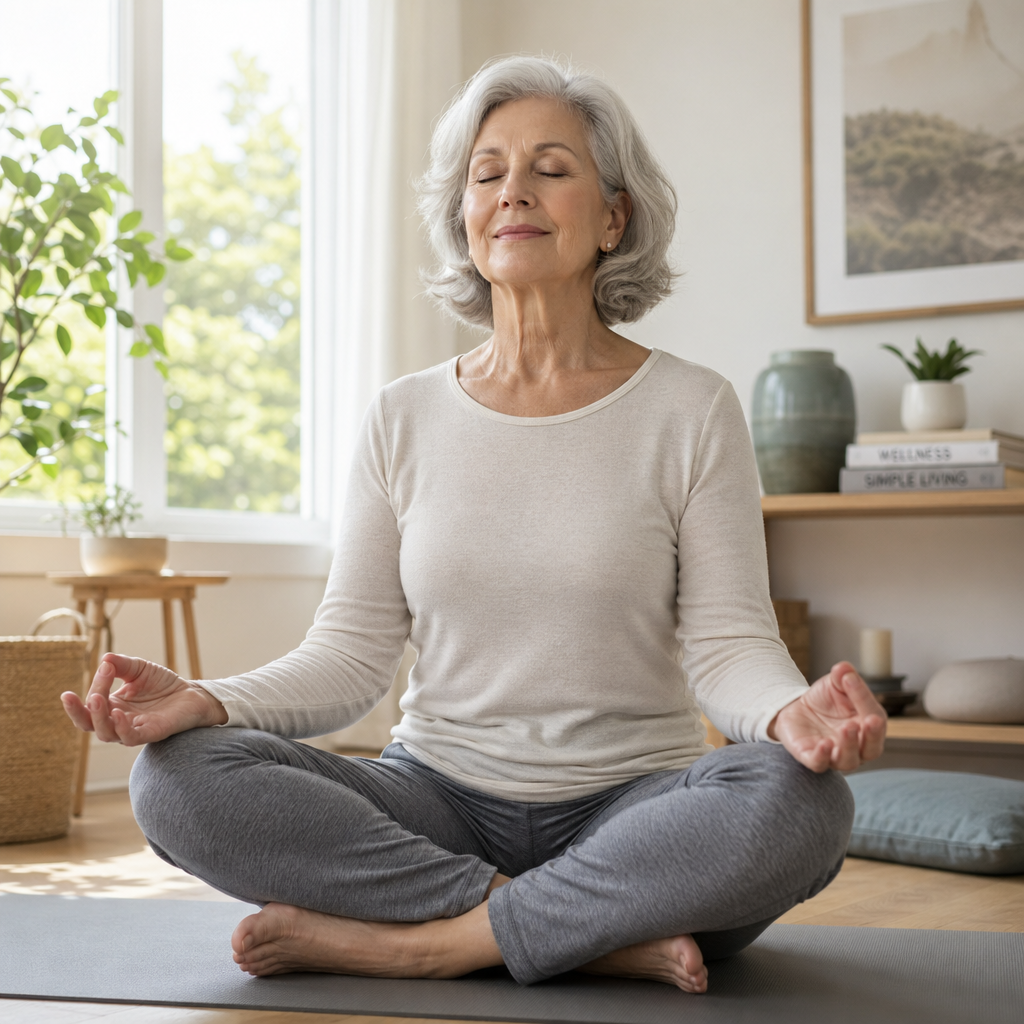
Research shows that meditation physically changes your brain, even when you start later in life. A 2019 study from the Journal of Alzheimer’s Disease found that older adults who meditated regularly showed improved memory and reduced brain atrophy compared to non-meditators.
But the benefits go beyond brain health. Regular meditation lowers cortisol levels (your stress hormone), reduces blood pressure, and improves sleep quality. Many seniors also report feeling less lonely and more connected to the present moment.
You don’t need to sit cross-legged on the floor or chant in another language. Modern meditation techniques adapt to your physical abilities and lifestyle. You can meditate in a comfortable chair, lying down, or even during a gentle walk.
Breath Focus Meditation: The Foundation
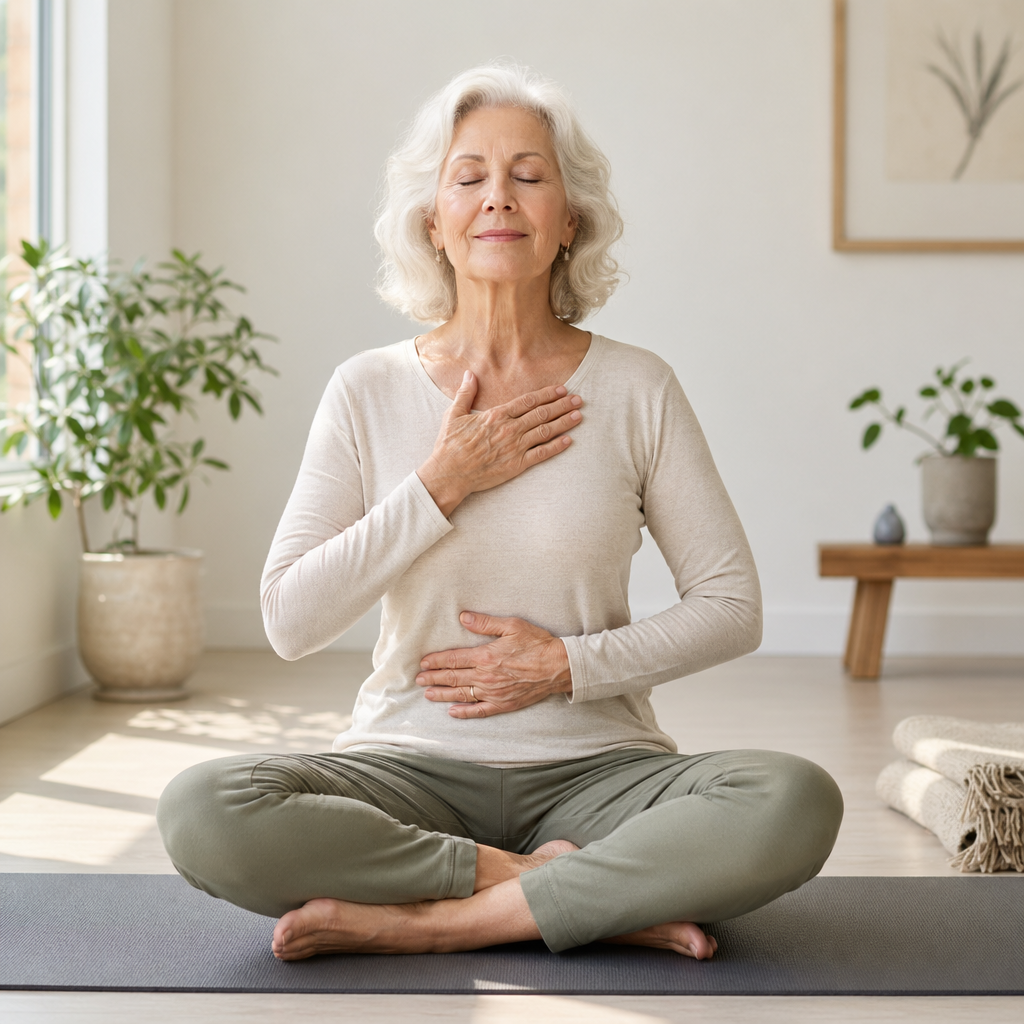
This technique forms the basis of most meditation practices. It’s simple, requires no equipment, and you can do it anywhere.
Sit comfortably in a chair with your feet flat on the floor. Rest your hands in your lap or on your thighs. Close your eyes or soften your gaze toward the floor. Start by noticing your natural breathing pattern without trying to change it.
After a few breaths, begin counting silently. Breathe in for a count of four, hold for one count, then exhale for a count of six. This longer exhale activates your parasympathetic nervous system, triggering relaxation. Continue for 5-10 minutes.
Your mind will wander. That’s completely normal and not a sign of failure. When you notice thoughts drifting to your to-do list or worries, gently guide your attention back to counting your breaths. Think of it like training a puppy; be patient and consistent. These breath and movement practices complement meditation perfectly for managing stress and anxiety.
A meditation timer helps you focus without constantly checking the clock. Set it for your desired duration and let it handle the timekeeping.
Body Scan Meditation for Physical Tension
This practice helps you identify and release tension you might not realize you’re carrying. It’s particularly valuable if you experience chronic pain or stiffness.
Lie down on your bed or recline in a comfortable chair. You can place a pillow under your knees for lower back support. Close your eyes and take three deep breaths.
Begin at your toes. Notice any sensations there without judging them as good or bad. Tightness, warmth, tingling, or nothing at all are all fine. Spend about 30 seconds on each body part before moving up to your feet, ankles, calves, and so on.
When you find an area of tension, imagine your breath flowing directly to that spot. As you exhale, picture the tightness melting away. This isn’t magic; you’re giving your nervous system permission to release muscle contractions you’ve been unconsciously holding.
A complete body scan takes about 20 minutes. You can find guided versions online, but here’s a simple script to follow: “I’m noticing my toes… now my feet… my ankles… my lower legs…” Continue through your entire body, ending at the crown of your head. For additional muscle tension relief, consider using a foam roller after meditation sessions to enhance your relaxation routine.

Meditation Cushion for Seniors
Provides comfortable support for seated meditation practice without requiring floor sitting.
Loving-Kindness Meditation for Emotional Wellness
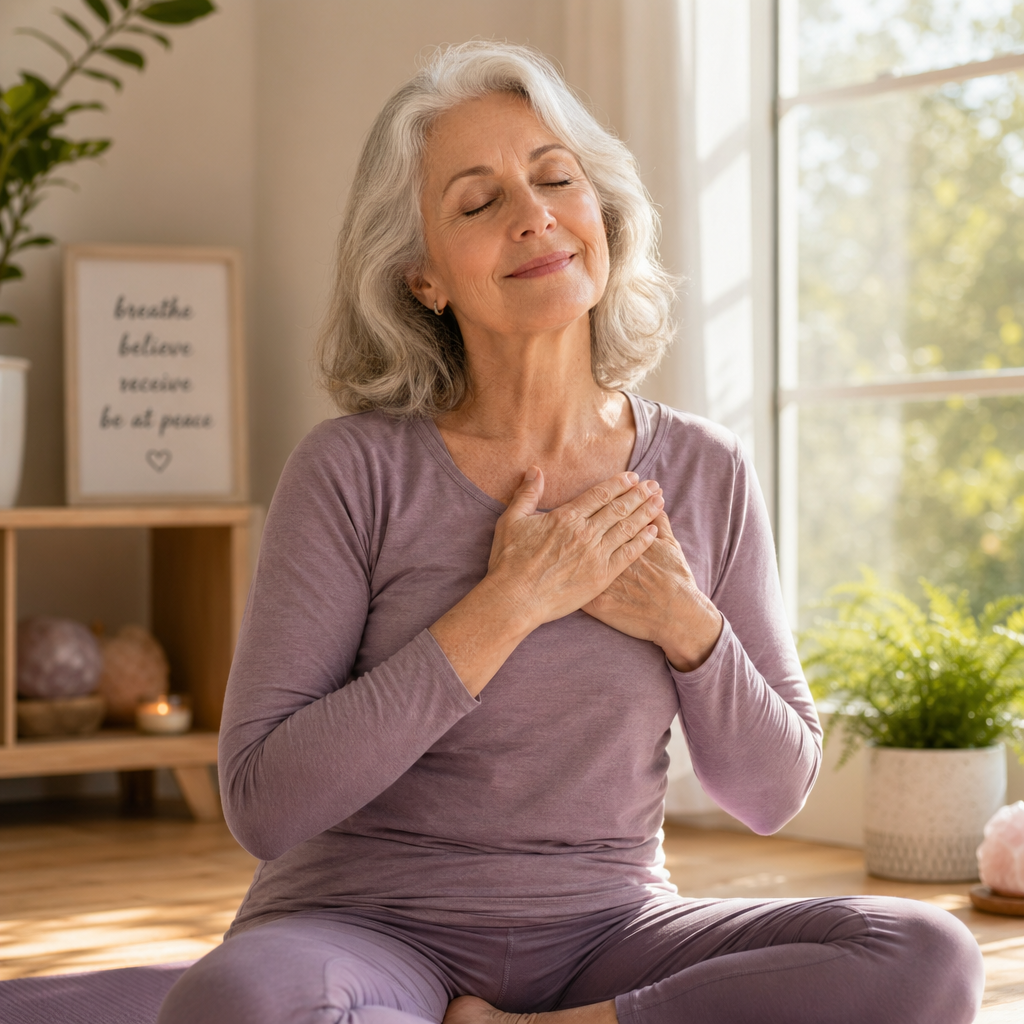
Also called “metta” meditation, this technique reduces feelings of isolation and builds compassion for yourself and others. Studies show it’s particularly effective for reducing symptoms of depression in older adults.
Sit comfortably and close your eyes. Begin by directing kind wishes toward yourself. Silently repeat phrases like: “May I be healthy. May I be happy. May I be at ease. May I be safe.”
Repeat these phrases for 2-3 minutes. You might feel silly at first, and that’s okay. Keep going. After focusing on yourself, expand the circle. Think of someone you care about and direct the same wishes toward them: “May you be healthy. May you be happy. May you be at ease. May you be safe.”
Gradually include neutral people (like a neighbor you barely know), then eventually even people you have difficulties with. This progression builds your capacity for compassion and reduces the stress that comes from holding onto resentment.
Research from Emory University found that loving-kindness meditation reduced inflammatory markers in the body after just six weeks of practice. This type of inflammation contributes to many age-related health problems.
Building a Sustainable Daily Practice
Consistency matters more than duration. Ten minutes every day beats an hour once a week. Pick a specific time that fits your routine. Many people find mornings work best, before the day’s distractions pile up.
Create a dedicated spot for meditation. It doesn’t need to be fancy, just a chair in a quiet corner works fine. Having a regular location signals to your brain that it’s time to settle down. You might add a small table with a plant or candle to make the space more inviting.
Start with just 5 minutes daily for the first week. Add a minute each week until you reach 15-20 minutes. This gradual approach prevents burnout and builds genuine habit formation.
Track your practice in a simple notebook or calendar. Put a check mark for each day you meditate. This visual record motivates you to maintain your streak and helps you notice patterns, like feeling calmer on days when you meditate.
Consider using a meditation app with guided sessions specifically designed for seniors. Apps like Insight Timer and Calm offer free content with voices and pacing appropriate for older beginners. If you want to enhance your wellness routine at home, check out affordable equipment options that complement your meditation practice.

Meditation Chair with Back Support
Ideal for seniors who need extra lumbar support during longer meditation sessions.
Meditation for Better Sleep
About half of seniors experience regular sleep problems. A short meditation before bed can quiet racing thoughts and prepare your body for rest.
Try this sleep-focused technique 30 minutes before your normal bedtime. Sit on the edge of your bed with dim lighting. Close your eyes and take five slow, deep breaths. Then lie down and do a brief body scan, starting at your toes and moving upward.
As you scan each body part, consciously relax it and let it sink into the mattress. When you reach your head, begin counting backward from 100, pairing each number with a breath. Most people fall asleep before reaching zero.
Avoid screens for at least an hour before this practice. The blue light interferes with melatonin production and makes meditation less effective. Keep your bedroom cool (around 65-68°F) and consider using a white noise machine to block disruptive sounds.
Managing Common Challenges
Physical discomfort often stops beginners. You don’t need to sit in any particular position. Use a supportive chair, lie down, or even meditate while gently rocking in a rocking chair. The position matters far less than your mental focus.
If you have arthritis or joint pain, try meditating right after a warm shower when your muscles are most relaxed. You can also meditate with your eyes open if closing them makes you dizzy or anxious. For those dealing with lower back discomfort, learning quick relief techniques before your meditation session can help you sit more comfortably.
Some people worry they’re “doing it wrong” because their mind won’t stop thinking. Here’s the secret: meditation isn’t about stopping thoughts. It’s about noticing them without getting caught up in them. Every time you realize your mind has wandered and you bring it back, you’re succeeding.
Falling asleep during meditation happens, especially when you’re building a new practice. It usually means you need more sleep overall. Try meditating at a different time of day or in a slightly less comfortable position that keeps you alert.
Frequently Asked Questions
How long before I notice results from meditation?
Most people report feeling calmer after their very first session, though these immediate effects are temporary. Lasting changes in stress levels, sleep quality, and overall mood typically appear after 2-4 weeks of daily practice. Brain imaging studies show measurable changes in the amygdala (your fear center) after eight weeks of regular meditation.
Can I meditate if I have hearing loss or use hearing aids?
Absolutely. You don’t need to hear anything to meditate. Focus on breath counting, body sensations, or visual objects instead of guided audio. Many people with hearing loss actually find meditation easier because they have fewer auditory distractions. You can keep your hearing aids in or take them out, whatever feels more comfortable.
Is meditation safe if I have anxiety or PTSD?
Meditation generally helps with anxiety, but some trauma survivors find that quiet stillness initially increases distress. Start with very short sessions (2-3 minutes) and keep your eyes open. Walking meditation or gentle movement practices work better for some people. Always consult your doctor or therapist before starting if you have a diagnosed mental health condition. They might recommend working with a meditation teacher trained in trauma-informed techniques.
Related Articles
- Breath and Movement Practices to Reduce Anxiety in Seniors
- Foam Roller Guide for Seniors: Gentle Techniques for Muscle Recovery
- Best Home Exercise Equipment for Seniors in 2026 Under $100
- Sciatica Relief In 8 Minutes for Senior: Effective Yet Easy Tricks
This article contains affiliate links. We may earn a small commission at no extra cost to you.