Hip replacement surgery can feel like hitting the reset button on your mobility, but the recovery process requires patience and the right approach to exercise. You can’t just jump back into your old routine without risking complications or delaying your healing. The exercises you do in the weeks and months after surgery will directly impact how well you recover and how quickly you regain your independence.
Medical clearance from your surgeon or physical therapist is absolutely essential before starting any exercise program. Every hip replacement is different, and your specific surgical approach will determine which movements are safe and which could lead to dislocation or other complications.
The Four Phases of Hip Replacement Recovery
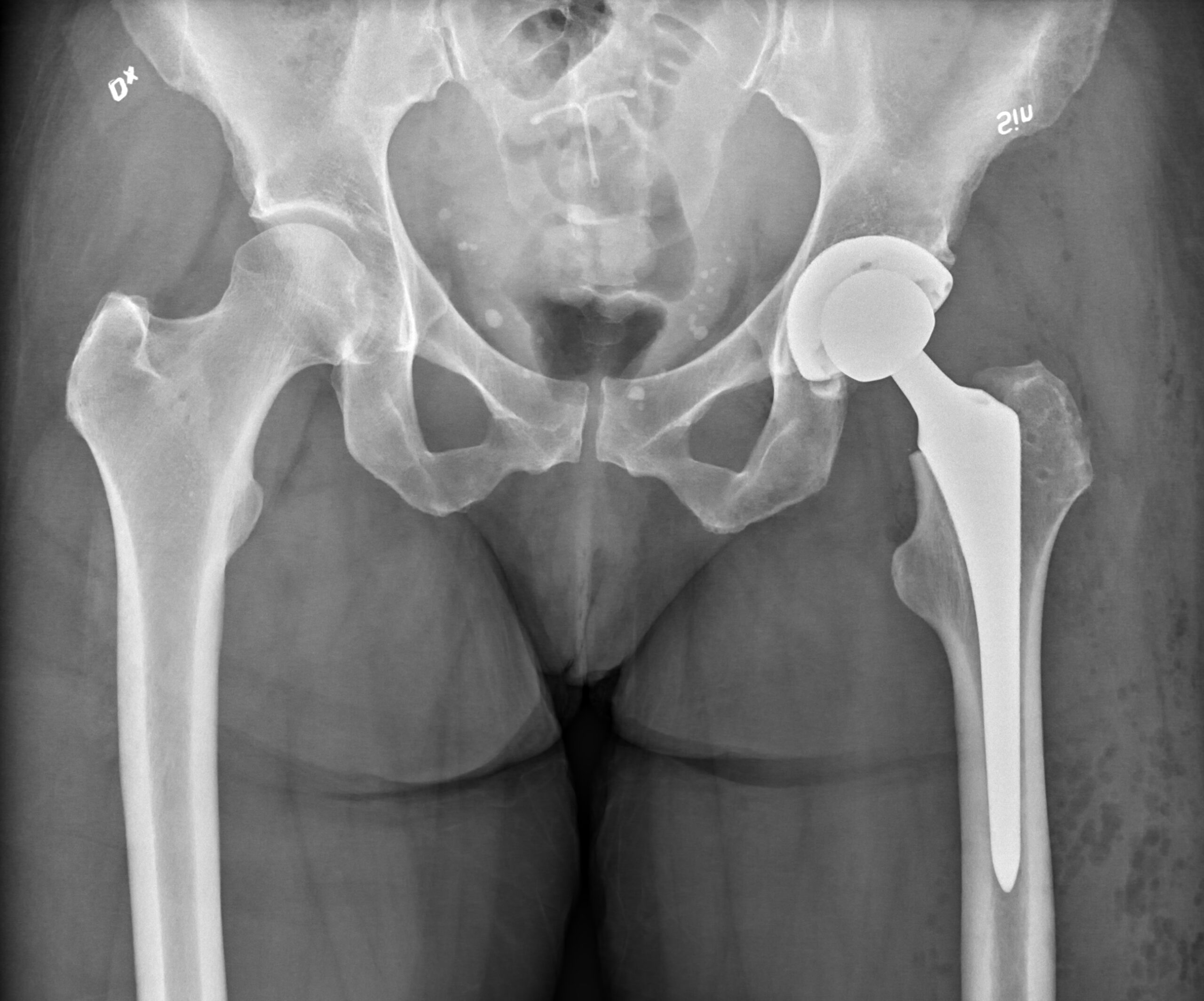
Your recovery timeline follows a predictable pattern, though individual results vary based on your overall health, age, and commitment to rehabilitation.
Phase 1: Hospital and First Two Weeks (Immediate Post-Op)
You’ll start moving the day of or day after surgery. Physical therapists will have you practicing ankle pumps, quad sets, and gluteal squeezes while still in bed. These exercises prevent blood clots and maintain muscle activation without stressing your new hip.
Walking with a walker or crutches begins immediately. You’ll take short distances multiple times per day, focusing on proper gait mechanics rather than distance. Your therapist will teach you hip precautions based on your surgical approach, which you must follow religiously during this phase.
Phase 2: Weeks 3-6 (Early Recovery)
You’ll progress to more active exercises including standing hip abduction, hip extension, and gentle hip flexion within safe ranges. Resistance bands become your best friend during this phase for controlled strengthening.
Walking distance increases significantly, and you may transition from a walker to a cane if your strength and balance allow it. Pool walking is excellent if you have access to a warm water pool and your incision has fully healed.
Phase 3: Weeks 7-12 (Active Recovery)
This phase focuses on rebuilding strength and endurance. You’ll add exercises like mini squats, step-ups on low platforms, and standing balance work. Stationary cycling becomes appropriate now, keeping resistance light and the seat high enough to avoid excessive hip flexion.
Most people discontinue assistive devices during this period. Your walking tolerance should improve to 20-30 minutes without significant fatigue.
Phase 4: Months 3-6 (Return to Function)
You can progress to more challenging exercises including lunges, single-leg stands, and light resistance training. Many people return to activities like golf, swimming, and cycling during this phase. Higher-impact activities require specific clearance from your surgeon. Understanding the safe return to activity after joint replacement helps you set realistic expectations for resuming your favorite pursuits.
Critical Movements to Avoid
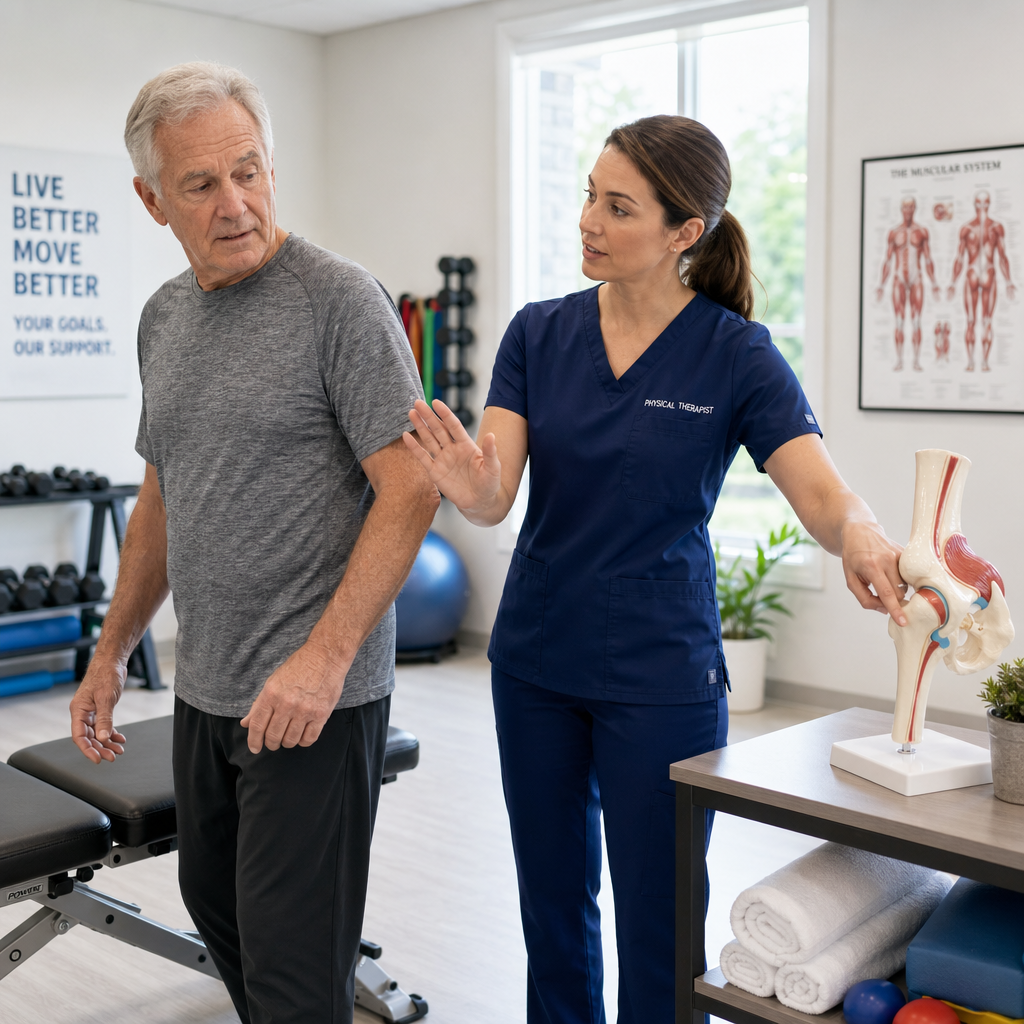
Your surgical approach determines your specific restrictions. The posterior approach (most common) requires avoiding hip flexion past 90 degrees, internal rotation, and crossing your legs. The anterior approach typically has fewer restrictions but still requires caution with extreme ranges of motion.
Never twist your operated leg inward or cross it over the midline of your body during the first 6-12 weeks. Avoid low chairs, bending to tie shoes without assistive devices, and pivoting on your operated leg. These movements can dislocate your new hip, sending you back to surgery.
High-impact activities like running, jumping, and contact sports remain controversial even after full recovery. While modern implants are more durable, repeated high-impact loading can still accelerate wear. Discuss your specific activity goals with your surgeon.
Building Your Strengthening Program

Start every session with gentle range-of-motion exercises and a short walk to warm up your hip. Progress resistance and repetitions gradually, never pushing through sharp pain.
Focus on hip abductors and extensors, which stabilize your pelvis during walking and prevent the Trendelenburg gait pattern. Clamshells, side-lying leg lifts, and bridging exercises target these muscles effectively. Aim for 2-3 sets of 10-15 repetitions once daily. If you experienced hip discomfort before surgery, many of the gentle movements that helped manage hip pain can be adapted for your post-surgical recovery once cleared by your therapist.
Core stability matters more than most people realize. A strong core reduces compensatory movements that stress your new hip. Simple exercises like abdominal bracing, pelvic tilts, and modified planks (once cleared) support your overall recovery.
Most people achieve 80-90% of their final recovery by three months, with continued improvements up to one year post-surgery. Patience during the early phases pays dividends in long-term outcomes. A comprehensive post-hip replacement exercise guide can help you track your progress through each recovery phase.
Frequently Asked Questions
When can I stop following hip precautions?
Most surgeons recommend following strict hip precautions for 6-12 weeks after posterior approach surgery. Anterior approach patients often have fewer restrictions and may discontinue precautions earlier. Your surgeon will assess your healing, muscle strength, and movement patterns before clearing you to stop following these rules. Never self-clear, even if you feel great.
Is it normal for my operated leg to feel weaker months after surgery?
Yes, muscle weakness persists for several months after hip replacement. You’ve lost muscle mass from pre-surgery inactivity, the surgical trauma itself, and post-operative movement restrictions. Consistent strengthening exercises will gradually restore your strength, but expect the process to take 4-6 months. Persistent weakness beyond six months should be evaluated by your physical therapist to identify any underlying issues. If you’ve had or are considering knee replacement as well, the recovery principles share many similarities with post-knee replacement rehabilitation.
Related Articles
- Complete guide to exercises after hip replacement surgery
- Safe return to activity after hip or knee replacement
- 12 gentle movements for managing hip pain
- Exercise guide for seniors recovering from knee replacement