Staying active as you age comes with unique challenges, and chronic inflammation tops the list. Your joints ache more after workouts, recovery takes longer, and that persistent stiffness can make you wonder if exercise is worth it. Here’s what most active seniors discover: what you eat matters just as much as how you move.
The right foods reduce inflammation naturally, speed up recovery, protect your joints, and help you maintain the active lifestyle you’ve worked hard to build. This isn’t about restrictive dieting or eliminating entire food groups. It’s about making smarter choices that support your body’s natural healing processes while you stay physically engaged.
Understanding Inflammation in Active Seniors
Exercise creates temporary inflammation, which is actually necessary for muscle growth and adaptation. Your body responds to physical stress by triggering an inflammatory response that signals repair mechanisms to kick in. This acute inflammation is healthy and normal.
Chronic inflammation is a different beast entirely. It lingers in your system, attacking healthy tissues and slowing recovery. For active seniors, chronic inflammation compounds the natural inflammatory response from exercise, creating a double burden that leaves you sore longer and increases injury risk.
Your body produces more inflammatory compounds as you age, even without external triggers. Add intense physical activity to the mix, and you’re asking your system to manage inflammation on multiple fronts. The foods you choose either fuel this fire or help extinguish it.
The Core Anti-Inflammatory Foods You Need
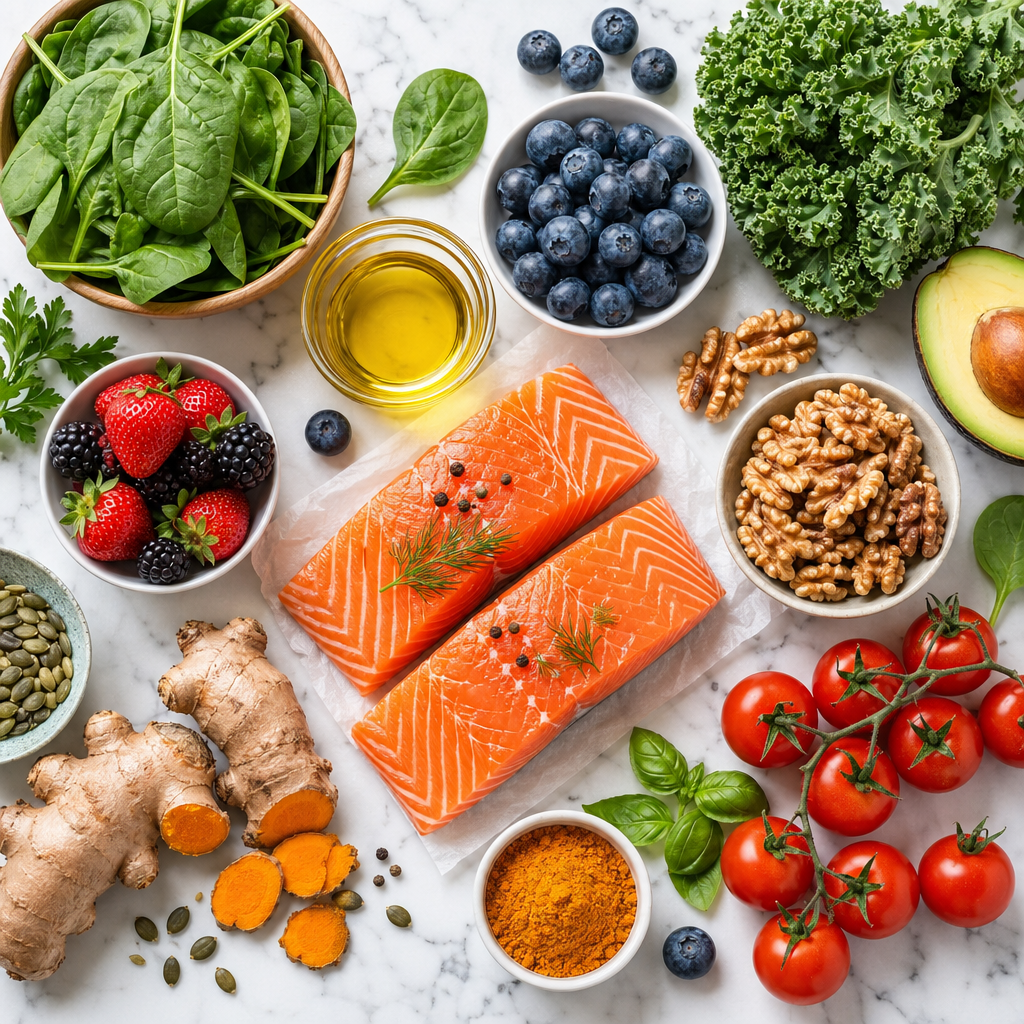
Fatty fish belongs at the center of your anti-inflammatory diet. Salmon, sardines, mackerel, and anchovies deliver omega-3 fatty acids (EPA and DHA) that directly counter inflammatory pathways. Aim for three to four servings per week. Wild-caught Alaskan salmon provides the best omega-3 ratio, while canned sardines offer convenience and bone-building calcium.
Leafy greens pack powerful antioxidants that neutralize free radicals generated during exercise. Spinach, kale, collard greens, and Swiss chard contain vitamins K, A, and C alongside compounds like quercetin and kaempferol. Eat at least two cups of leafy greens daily, preferably with healthy fats to boost nutrient absorption.
Berries rank among the most potent anti-inflammatory foods available. Blueberries, strawberries, raspberries, and blackberries contain anthocyanins that reduce inflammatory markers and oxidative stress. Fresh or frozen both work well. Toss a cup into your morning smoothie or yogurt.
Extra virgin olive oil contains oleocanthal, a compound that works similarly to ibuprofen in blocking inflammatory enzymes. Use it liberally for cooking at low to medium heat and drizzling over finished dishes. Look for bottles labeled “first cold-pressed” with a harvest date within the past year.
Nuts and seeds provide healthy fats, fiber, and minerals that fight inflammation. Walnuts offer additional omega-3s, while almonds deliver vitamin E. Chia and flax seeds boost your omega-3 intake when you’re not eating fish. A quarter cup daily gives you substantial benefits without excess calories.
Cruciferous vegetables like broccoli, cauliflower, Brussels sprouts, and cabbage contain sulforaphane, which reduces inflammatory markers. These vegetables also support detoxification pathways that clear inflammatory compounds from your system. Eat them lightly steamed or roasted to preserve nutrients.
Foods That Trigger Inflammation
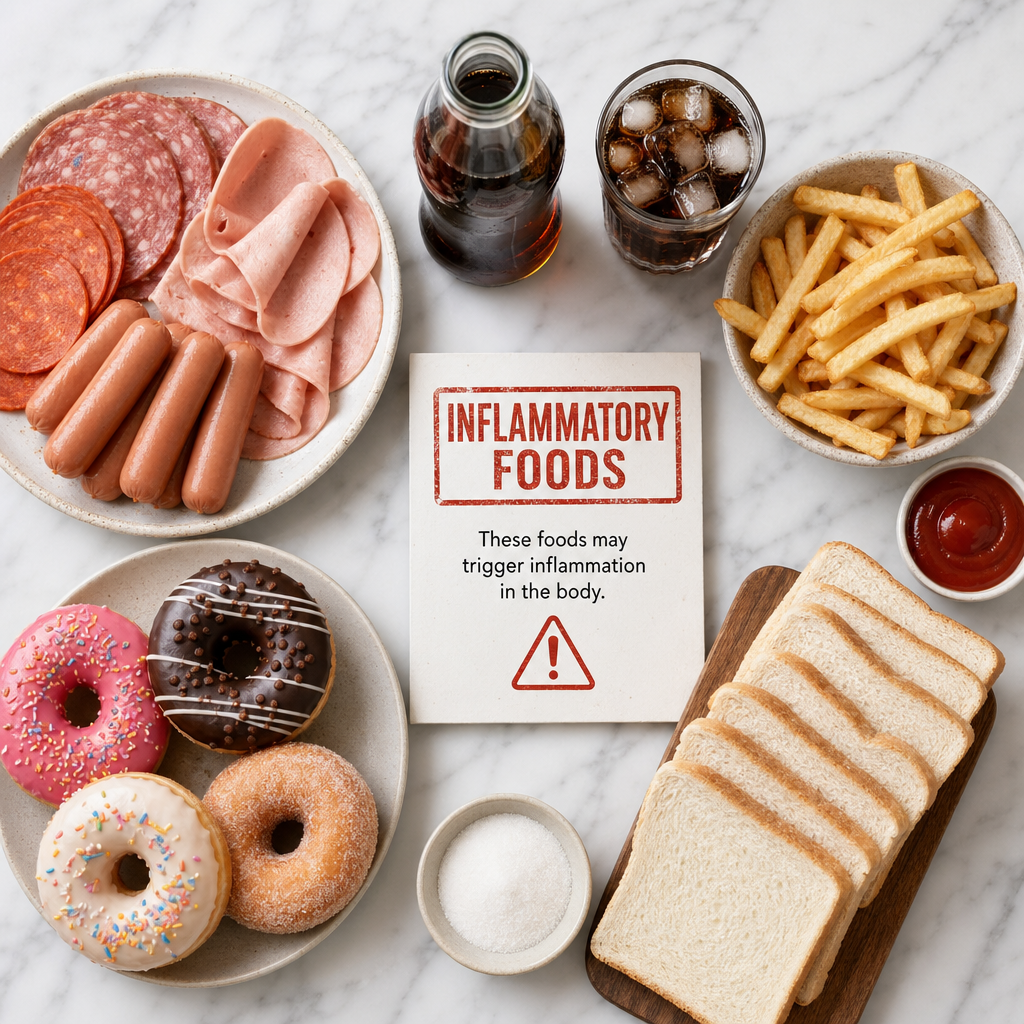
Refined carbohydrates spike blood sugar rapidly, triggering inflammatory responses throughout your body. White bread, pastries, sugary cereals, and processed snacks create a roller coaster effect that stresses your system. Replace these with whole grains like quinoa, steel-cut oats, and brown rice.
Vegetable oils high in omega-6 fatty acids throw off your omega-3 to omega-6 ratio, promoting inflammation when consumed in excess. Corn oil, soybean oil, sunflower oil, and safflower oil dominate processed foods. Check labels and cook with olive oil, avocado oil, or coconut oil instead.
Added sugars drive inflammation through multiple mechanisms, including increasing gut permeability and promoting harmful bacteria growth. Sodas, fruit juices, candy, and sweetened yogurts are obvious culprits, but sugar hides in salad dressings, sauces, and “healthy” granola bars too. Keep added sugars under 25 grams daily.
Processed meats contain advanced glycation end products (AGEs) that accumulate in tissues and trigger inflammation. Bacon, hot dogs, deli meats, and sausages also pack excessive sodium and preservatives. Choose fresh, unprocessed proteins instead.
Excessive alcohol increases intestinal permeability, allowing inflammatory compounds to enter your bloodstream. For active seniors, alcohol also impairs recovery and disrupts sleep quality. Limit intake to three to four drinks per week maximum, or eliminate it entirely during heavy training periods.
Sample Anti-Inflammatory Meal Plans
Day 1: Classic Mediterranean Approach
Breakfast: Greek yogurt with fresh blueberries, walnuts, ground flax seeds, and a drizzle of honey. Green tea.
Lunch: Large spinach salad with grilled salmon, cherry tomatoes, cucumber, red onion, olives, and olive oil-lemon dressing. Side of quinoa.
Snack: Apple slices with almond butter.
Dinner: Baked cod with roasted Brussels sprouts and sweet potato. Mixed green salad with olive oil dressing.
Day 2: Plant-Forward Focus
Breakfast: Steel-cut oatmeal with raspberries, chia seeds, cinnamon, and sliced almonds. Turmeric latte made with almond milk.
Lunch: Lentil soup with kale, carrots, and celery. Whole grain crackers with hummus.
Snack: Mixed berries with a handful of walnuts.
Dinner: Stir-fried tofu with broccoli, bell peppers, and snap peas over brown rice. Fresh ginger and garlic for flavor.
Day 3: Balanced Protein Variety
Breakfast: Vegetable omelet with spinach, tomatoes, and mushrooms cooked in olive oil. Side of mixed berries.
Lunch: Chicken breast over mixed greens with avocado, strawberries, and balsamic vinaigrette. Side of roasted cauliflower.
Snack: Celery sticks with tahini.
Dinner: Grilled sardines (or mackerel) with roasted root vegetables and sautéed kale. Small portion of wild rice.
Anti-Inflammatory Recipes for Active Living
Post-Workout Recovery Smoothie
This smoothie delivers antioxidants, omega-3s, and protein to accelerate recovery after physical activity. Blend one cup frozen mixed berries, one tablespoon ground flax seeds, one scoop vanilla protein powder, one cup unsweetened almond milk, one handful spinach, and half a frozen banana. Add ice for thickness. The combination reduces exercise-induced inflammation while supporting muscle repair.
Turmeric-Ginger Salmon with Roasted Vegetables
Combine two teaspoons turmeric powder, one teaspoon fresh grated ginger, two cloves minced garlic, two tablespoons olive oil, and juice from half a lemon. Marinate salmon fillets for 30 minutes. Roast at 400°F for 12 to 15 minutes. Serve alongside Brussels sprouts and sweet potato chunks roasted with olive oil, salt, and pepper. This meal delivers powerful anti-inflammatory compounds from turmeric’s curcumin, ginger’s gingerols, and salmon’s omega-3s.
Anti-Inflammatory Golden Milk
Heat one cup unsweetened almond or coconut milk in a small pot. Add one teaspoon turmeric powder, half a teaspoon cinnamon, quarter teaspoon ginger powder, and a pinch of black pepper (which increases curcumin absorption by 2000%). Sweeten with one teaspoon raw honey. Drink this before bed to reduce overnight inflammation and support joint comfort. Many active seniors report improved morning mobility after making this a nightly habit.
Berry-Walnut Breakfast Bowl
Cook half a cup steel-cut oats in water or unsweetened almond milk. Top with half a cup mixed berries, two tablespoons chopped walnuts, one tablespoon ground flax seeds, and a sprinkle of cinnamon. The soluble fiber from oats helps regulate blood sugar, preventing inflammatory spikes, while berries and walnuts provide concentrated antioxidants.
Timing Your Nutrition for Maximum Benefit
Pre-exercise nutrition sets the stage for managing inflammation. Eat a light meal containing complex carbs and lean protein two to three hours before activity. A banana with almond butter or oatmeal with berries provides energy without triggering inflammatory responses. Avoid heavy, fatty meals that can cause digestive distress and inflammatory cascades.
Post-exercise nutrition is crucial for controlling the inflammatory response to physical stress. Within 30 to 60 minutes after finishing your workout, consume protein and antioxidant-rich carbohydrates. This timing takes advantage of your body’s heightened nutrient absorption and directs resources toward repair rather than inflammation. The recovery smoothie recipe above fits perfectly here.
Consistent meal timing throughout the day helps regulate inflammatory markers. Erratic eating patterns and long fasting periods can increase cortisol and trigger inflammatory responses. Eat three balanced meals with one to two small snacks spaced evenly across your day.
Evening meals should be lighter and anti-inflammatory focused. Your body performs significant repair work during sleep, and the right nutrients support this process. Include foods rich in magnesium (leafy greens, pumpkin seeds) and omega-3s to promote restful sleep and overnight recovery.
Supplements That Support Anti-Inflammatory Eating
Omega-3 supplements fill gaps when you can’t eat fish regularly. Look for products providing at least 1000mg combined EPA and DHA daily. Nordic Naturals Ultimate Omega offers excellent quality and purity testing. Take with meals containing fat for better absorption. Fish oil supports joint health specifically, which matters tremendously for active seniors.
Curcumin supplements extend the benefits of turmeric beyond what you can reasonably consume in food. Standard turmeric powder has poor bioavailability, but supplements formulated with black pepper extract or phospholipids dramatically improve absorption. Garden of Life mykind Organics Turmeric provides an effective, whole-food based option.
Vitamin D deficiency increases inflammatory markers and impairs recovery. Most seniors don’t get adequate sun exposure, especially in winter months. Test your levels and supplement accordingly. Most active seniors need 2000 to 4000 IU daily to maintain optimal levels above 40 ng/mL. Take vitamin D3 (cholecalciferol) with a meal containing fat.
Tart cherry juice concentrate reduces exercise-induced muscle damage and inflammation. Studies show it decreases recovery time and soreness in active adults. Mix one to two tablespoons of concentrate in water and drink post-exercise. Dynamic Health Tart Cherry Juice Concentrate is widely available and effective.
Practical Implementation Strategies
Meal prep on Sunday afternoon makes anti-inflammatory eating sustainable throughout your busy week. Cook a large batch of quinoa or brown rice, roast several sheet pans of vegetables, and prepare three to four servings of protein. Store everything in glass containers for easy assembly. You’ll have healthy components ready when you’re tired after workouts.
Keep anti-inflammatory snacks visible and accessible. Put a bowl of walnuts on your counter, store cut vegetables at eye level in your refrigerator, and keep berries washed and ready to eat. You’ll naturally reach for these options when they’re convenient.
Build your grocery list around the perimeter of the store where fresh, whole foods live. Fill your cart with colorful produce, quality proteins, and minimally processed items before venturing into center aisles for basics like olive oil and canned fish. This simple strategy automatically reduces inflammatory processed foods in your diet.
Track how different foods affect your recovery and joint comfort. Keep a simple food and symptom journal for two weeks, noting what you eat and how you feel during and after workouts. You’ll identify personal triggers and discover which anti-inflammatory foods deliver the most noticeable benefits for your body.
Dine out strategically by choosing restaurants with Mediterranean, Japanese, or farm-to-table menus that emphasize the foods you want to eat. Don’t be shy about requesting modifications. Ask for extra vegetables instead of rice, request olive oil instead of butter, or order fish grilled instead of fried.
Frequently Asked Questions
How quickly will I notice results from an anti-inflammatory diet?
Most active seniors report noticeable improvements in joint comfort and recovery time within two to three weeks of consistent anti-inflammatory eating. Digestive improvements often appear within days. Significant changes in inflammatory markers measured through blood tests typically take six to eight weeks. Your timeline depends on your starting point and how strictly you follow anti-inflammatory principles. Those with severe inflammation may need three months to experience full benefits.
Can I still build muscle on an anti-inflammatory diet?
Absolutely. Anti-inflammatory eating supports muscle growth by improving recovery and reducing the oxidative stress that impairs protein synthesis. You still need adequate protein (0.7 to 1.0 grams per pound of body weight daily) and sufficient calories. The difference is you’ll recover faster between workouts and experience less soreness, allowing for more consistent training. Fish, eggs, poultry, Greek yogurt, and plant proteins provide plenty of muscle-building nutrition without inflammatory effects.
Are all grains inflammatory or can I still eat bread?
Refined grains like white bread, white rice, and pastries are inflammatory due to their effects on blood sugar and insulin. Whole grains in moderation are generally fine for most people. Steel-cut oats, quinoa, brown rice, and sprouted grain bread provide fiber and nutrients without triggering significant inflammation. Some active seniors with autoimmune conditions do better eliminating all grains, but this isn’t necessary for everyone. Focus on portion control and choosing whole grain versions when you do eat grains.
Do I need to give up coffee?
Coffee actually has anti-inflammatory properties due to its antioxidant content. Black coffee or coffee with a small amount of unsweetened almond milk is fine for most active seniors. The problems arise when you add sugar, flavored syrups, or excessive amounts of cream. Caffeine can interfere with sleep if consumed late in the day, and poor sleep increases inflammation. Keep coffee to morning hours and limit intake to two to three cups daily for the best balance of benefits without downsides.