Living with Parkinson’s disease comes with unique challenges, but research continues to show that exercise is one of the most powerful tools you can use to manage symptoms and maintain quality of life. Unlike medications that simply address symptoms, the right exercise program can actually slow disease progression and improve your motor function, balance, and overall well-being.
This isn’t about generic fitness advice. Certain types of movement have proven particularly effective for people with Parkinson’s, from boxing programs that improve coordination to dance classes that enhance balance and gait. Let’s explore the specific exercises and programs that make a real difference for Parkinson’s patients.
Why Exercise Works for Parkinson’s Disease
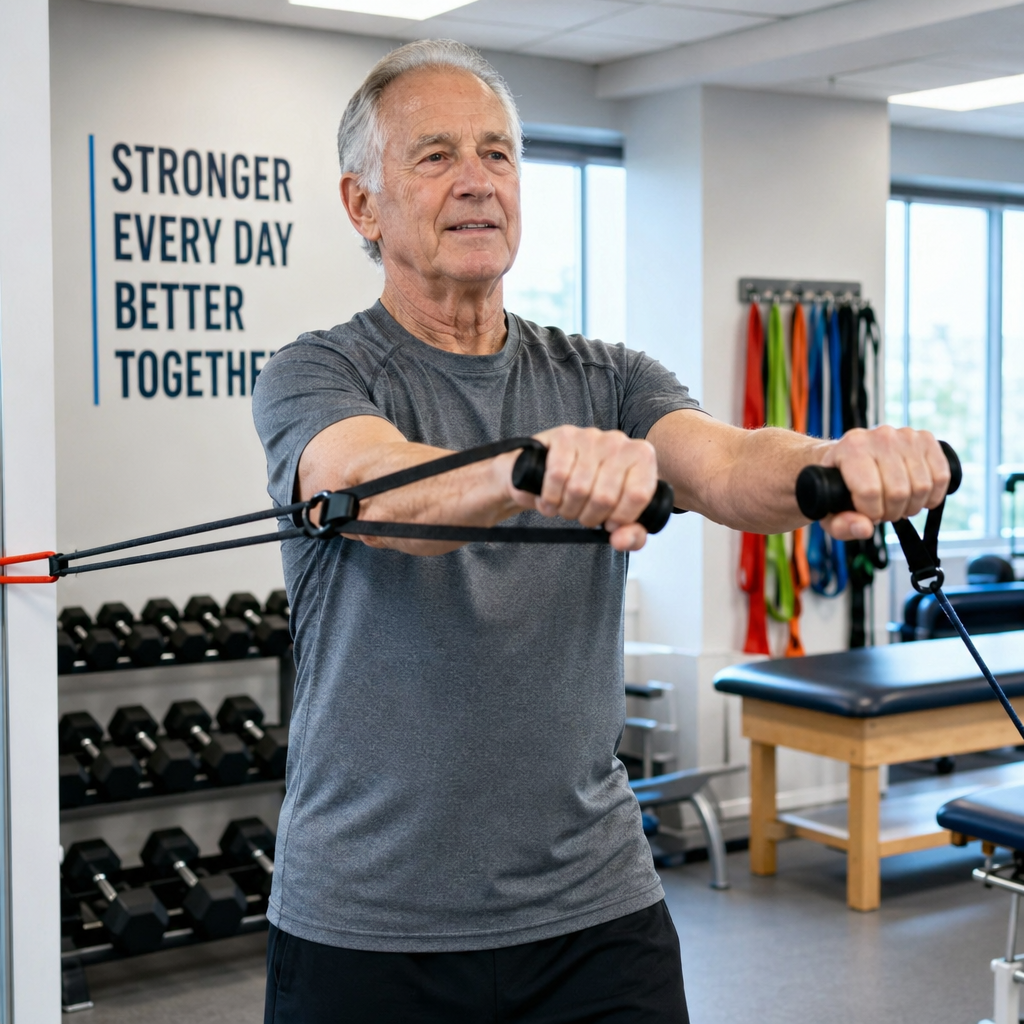
Exercise impacts Parkinson’s at a neurological level. When you engage in intensive physical activity, you stimulate the production of brain-derived neurotrophic factor (BDNF), which helps protect and repair neurons. Studies have shown that people with Parkinson’s who exercise regularly experience slower symptom progression compared to those who remain sedentary.
The key is intensity and consistency. Moderate to vigorous exercise performed at least three to four times per week produces the best results. You’re aiming to work hard enough that you’re breathing heavily and can talk but not sing during your workout.
Different exercises target different Parkinson’s symptoms. Boxing improves hand-eye coordination and reaction time. Dance therapy enhances balance and rhythmic movement. Strength training helps counter the muscle rigidity common in Parkinson’s. The most effective approach combines multiple exercise types throughout your week.
Boxing Workouts for Parkinson’s
Boxing has emerged as one of the most beneficial exercises for people with Parkinson’s. The combination of footwork, punching movements, and rapid directional changes addresses multiple symptoms simultaneously. You’re working on balance, coordination, reaction time, and cardiovascular fitness all at once.
Rock Steady Boxing is the most well-known program designed specifically for Parkinson’s patients. Founded in 2006, it now has affiliates across the United States and internationally. These classes are taught by coaches trained in Parkinson’s-specific needs, and participants are grouped by ability level rather than disease stage.
A typical Rock Steady class includes shadowboxing, heavy bag work, speed bag training, and footwork drills. The rapid hand movements required for punching can help reduce tremors, while the stance and movement patterns improve stability. Many participants report feeling more confident in their daily movements after regular boxing training.
You don’t need a full gym setup to get started. A freestanding heavy bag and basic boxing gloves let you practice at home between classes.

Freestanding Punching Bag
A stable base makes this safer for balance issues than hanging bags
Dance Therapy and Rhythmic Movement
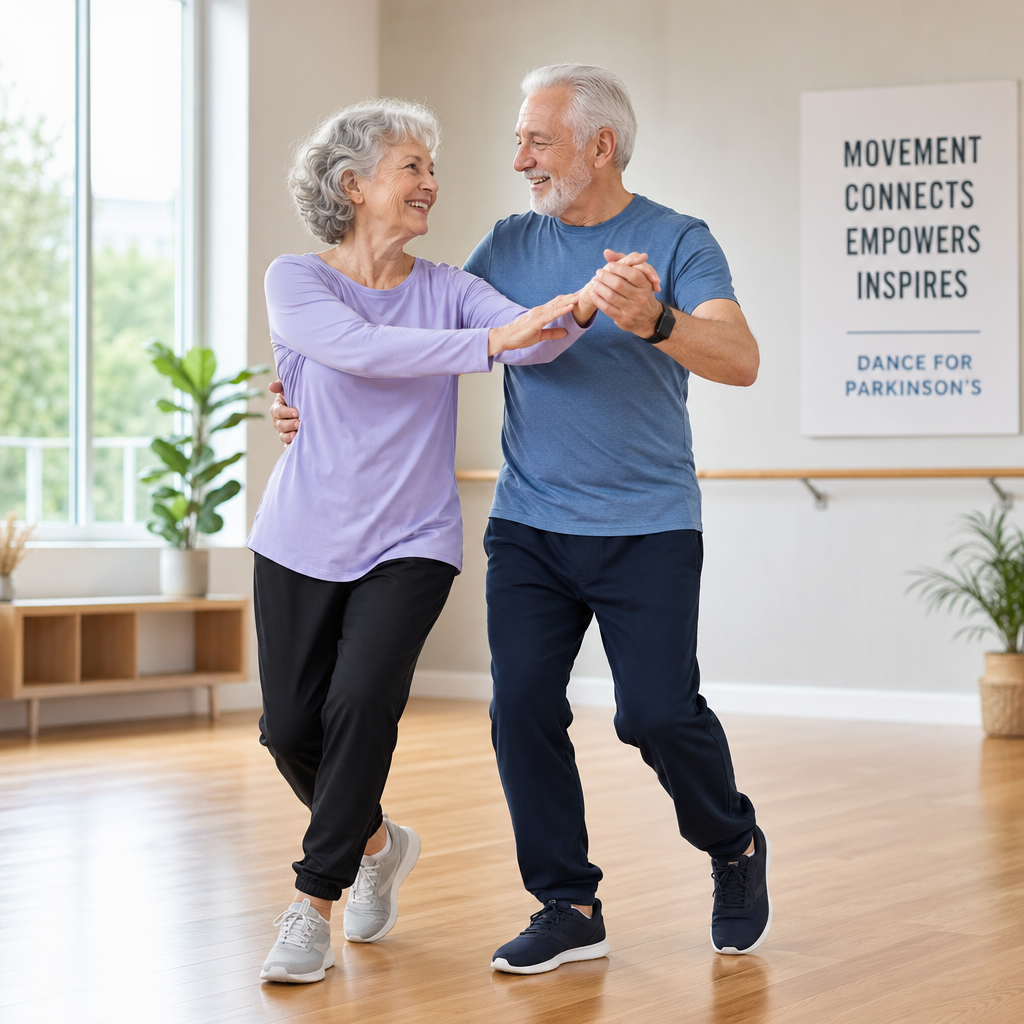
Dance addresses one of the most challenging aspects of Parkinson’s: gait freezing and shuffling. The rhythmic nature of dance provides external cues that help your brain initiate and maintain movement. Tango, in particular, has been extensively studied for Parkinson’s patients.
Argentine tango requires walking backward, pivoting, and changing directions, all within the framework of music. Research from Washington University School of Medicine found that Parkinson’s patients who took tango classes twice weekly for a year showed significant improvements in balance and walking speed compared to those in traditional exercise programs.
Other dance styles also provide benefits. Ballroom dancing improves posture and balance. Zumba adds cardiovascular intensity. Even chair dancing can help if your mobility is limited. The music provides timing cues that make movement easier, and the social aspect of group classes adds motivation and emotional support.
Look for programs specifically designed for Parkinson’s patients, such as Dance for PD, which started at the Mark Morris Dance Group in Brooklyn and now has programs worldwide. These classes are adapted for various ability levels and focus on expression and enjoyment as much as physical benefit.
Improving Gait and Balance
Gait disturbances affect nearly everyone with Parkinson’s at some point. You might shuffle your feet, freeze mid-step, or struggle with turning. Specific exercises can retrain these movement patterns and reduce fall risk.
Big, exaggerated movements work better than small, precise ones. When you walk, consciously take larger steps than feel natural. Swing your arms widely. Lift your feet higher than necessary. This intentional amplification helps overcome the reduced movement amplitude that Parkinson’s causes.
Practice tandem walking (placing one foot directly in front of the other, heel to toe) to improve balance. Walk sideways or backward to challenge your stability in different directions. Use a agility ladder on the floor to practice stepping patterns and foot placement.

Agility Ladder for Gait Training
Visual cues help with step length and rhythm during walking practice
Balance exercises should be part of your daily routine. Stand on one foot while brushing your teeth. Practice weight shifts from side to side. Try tai chi, which combines slow, controlled movements with balance challenges. Always perform balance exercises near a counter or sturdy chair you can grab if needed.
Working With Tremors and Medication Timing

Tremors can make exercise feel frustrating, but they shouldn’t prevent you from working out. You’ll find that some types of movement actually reduce tremor intensity temporarily. Focus on exercises where tremors matter less, like stationary biking or elliptical training, if hand tremors make weight lifting difficult.
Medication timing significantly affects your exercise performance. Most people with Parkinson’s function best during their “on” time when levodopa or other medications are most effective. Schedule your workouts for 30 to 60 minutes after taking medication when you have the best motor control.
Keep a log of how you feel during workouts at different times of day. You might discover patterns that help you optimize your exercise schedule. Some people find morning workouts energizing, while others perform better in the afternoon.
During “off” periods when medication effectiveness wanes, focus on gentler activities like stretching or seated exercises. Don’t push through severe rigidity or dyskinesia. Rest when you need to, and save intensive workouts for when your symptoms are better controlled.
Using resistance bands instead of free weights can be safer if you experience sudden tremors or dyskinesia. They provide effective strength training with less risk of dropping equipment.
Building Your Parkinson’s Exercise Program
An effective program includes four components: aerobic exercise, strength training, flexibility work, and balance activities. Aim for at least 150 minutes of moderate-intensity exercise weekly, spread across multiple days.
Your weekly schedule might look like this: boxing or dance class twice per week, strength training two or three times weekly, and daily balance and stretching exercises. Vary the activities to prevent boredom and work different muscle groups.
Start gradually if you’re new to exercise. Even 10 minutes of activity provides benefits. Add time and intensity as your fitness improves. Working with a physical therapist or trainer experienced in Parkinson’s disease helps ensure you’re using proper form and progressing safely.

Parkinson’s Exercise Guide Book
Detailed illustrations and progressions for at-home workouts
Consider joining a Parkinson’s-specific exercise program. Many communities offer classes through the Parkinson’s Foundation, local hospitals, or fitness centers. The group setting provides accountability, social connection, and professional instruction.
Equipment needs are minimal to start. Comfortable athletic shoes with good support are essential. A yoga mat for floor exercises and light dumbbells or resistance bands cover most home workout needs.
Frequently Asked Questions
Can exercise actually slow Parkinson’s progression?
Research strongly suggests that regular, intensive exercise can slow symptom progression in Parkinson’s disease. Studies using brain imaging have shown that people with Parkinson’s who exercise regularly maintain more dopamine function and better motor control over time compared to sedentary individuals. While exercise doesn’t cure Parkinson’s, it’s one of the few interventions proven to modify disease progression rather than just masking symptoms.
Is it safe to exercise when my tremors are severe?
You can safely exercise with tremors, but you may need to modify activities. Choose exercises where tremors create less difficulty, like cycling, swimming, or using machines with secure seats and handles. Avoid exercises with fall risk or where you’re holding heavy weights overhead. Many people find that tremors actually decrease during physical activity and for some time afterward. Work with your doctor or physical therapist to develop a safe plan based on your specific symptoms.
How soon will I notice improvements from exercise?
You’ll likely notice some immediate benefits after a single workout session, including improved mood and temporarily reduced rigidity. Measurable improvements in strength, balance, and gait typically appear after four to six weeks of consistent exercise. Long-term benefits like slowed disease progression require ongoing commitment. Think of exercise as a medication you need to take regularly rather than a quick fix. Most research studies showing significant benefits involve exercise programs lasting at least three to six months.
This article contains affiliate links. We may earn a small commission at no extra cost to you.