Living with Parkinson’s disease presents unique challenges, but research continues to show that exercise is one of the most powerful tools you can use to maintain and even improve your mobility. Unlike medication that works at the cellular level, exercise targets the physical symptoms head-on, helping you move better, balance more confidently, and maintain independence longer.
The key is knowing which movements actually help. Not all exercise programs are created equal when it comes to Parkinson’s, and understanding the specific types of movements that benefit your brain and body can make all the difference in your quality of life.
Why Large-Amplitude Movements Matter
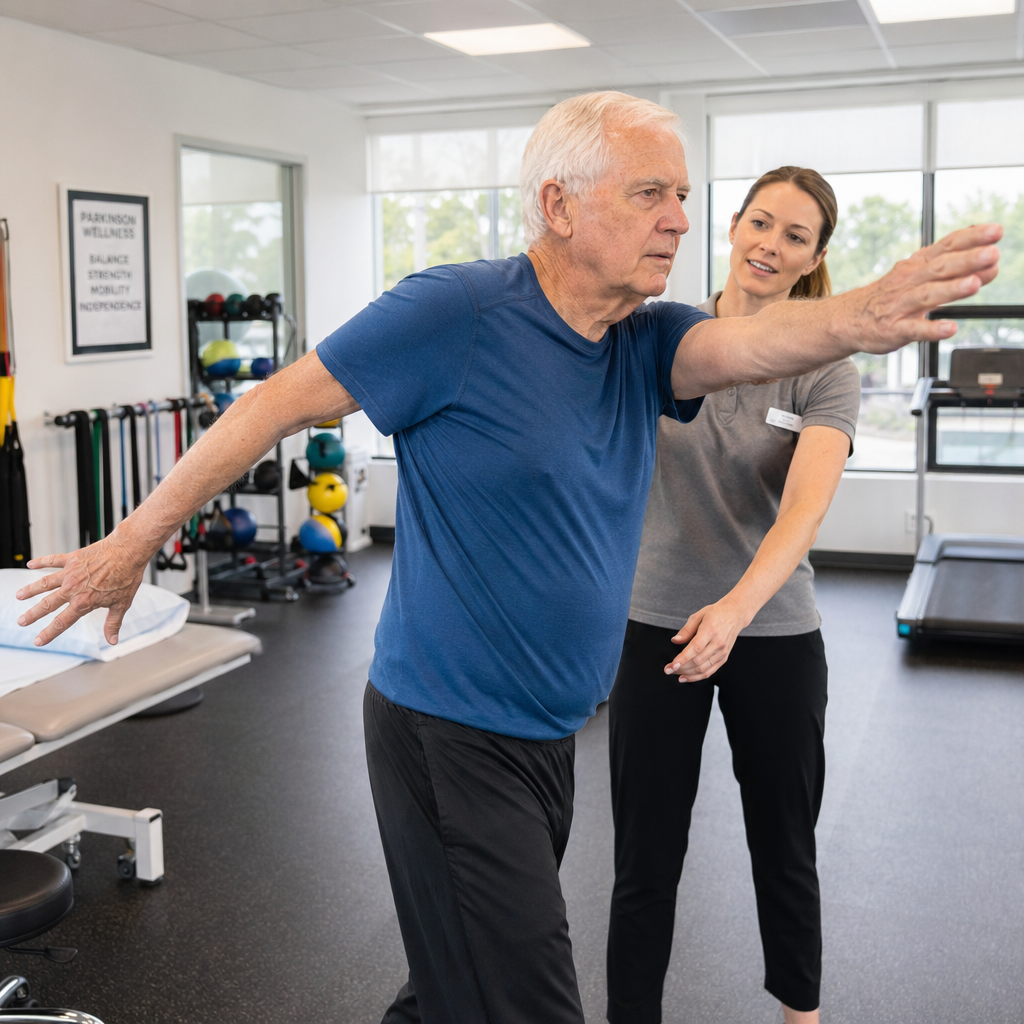
One of the hallmark symptoms of Parkinson’s is small, shuffling movements. Your brain loses its ability to accurately gauge how big your movements are, so you naturally start moving in smaller ranges. This is where large-amplitude movement training comes in.
These exercises force you to exaggerate every motion. Instead of taking normal steps, you take giant steps. Rather than reaching at normal height, you reach as high as you possibly can. You’re essentially retraining your brain to recalibrate what “normal” movement looks like.
The LSVT BIG program is specifically designed around this principle. Physical therapists trained in this method will have you perform daily activities with exaggerated movements, whether you’re standing up from a chair, walking across a room, or reaching for objects. The intensity matters too. Four sessions per week for four weeks might sound demanding, but this concentrated approach creates lasting changes in how your brain controls movement.
You can incorporate large-amplitude thinking into your daily routine. When you brush your teeth, make bigger circular motions. When you walk to the mailbox, take longer strides and swing your arms higher. Every movement is an opportunity to practice.
Boxing Programs: More Than Just Punching
Rock Steady Boxing has become one of the most popular exercise programs for people with Parkinson’s, and there’s solid reasoning behind throwing punches. Boxing naturally involves large, forceful movements that engage your whole body. Every jab, cross, and uppercut requires you to shift your weight, rotate your core, and extend your arms fully.
Beyond the physical movements, boxing demands quick reactions and hand-eye coordination. When you’re hitting a speed bag or reacting to mitt work with a coach, you’re training your brain to process information and respond faster. These neural connections are exactly what Parkinson’s threatens to disrupt.

Boxing Gloves for Parkinson’s Exercise
Quality gloves with wrist support make boxing exercises safer and more comfortable for extended training sessions.
Most Rock Steady programs also include footwork drills, which directly address the gait problems common in Parkinson’s. You’ll practice pivoting, stepping in different directions, and moving laterally, all skills that translate to better balance and reduced fall risk in daily life. Learning proper fall prevention techniques through these movement patterns can significantly improve your confidence and safety.
Many communities now have dedicated Rock Steady Boxing affiliates, but you can also work with a boxing coach or physical therapist who understands Parkinson’s to create a similar program. Heavy bags and speed bag platforms can be set up at home if you prefer to train independently.
Tai Chi for Balance and Fluidity
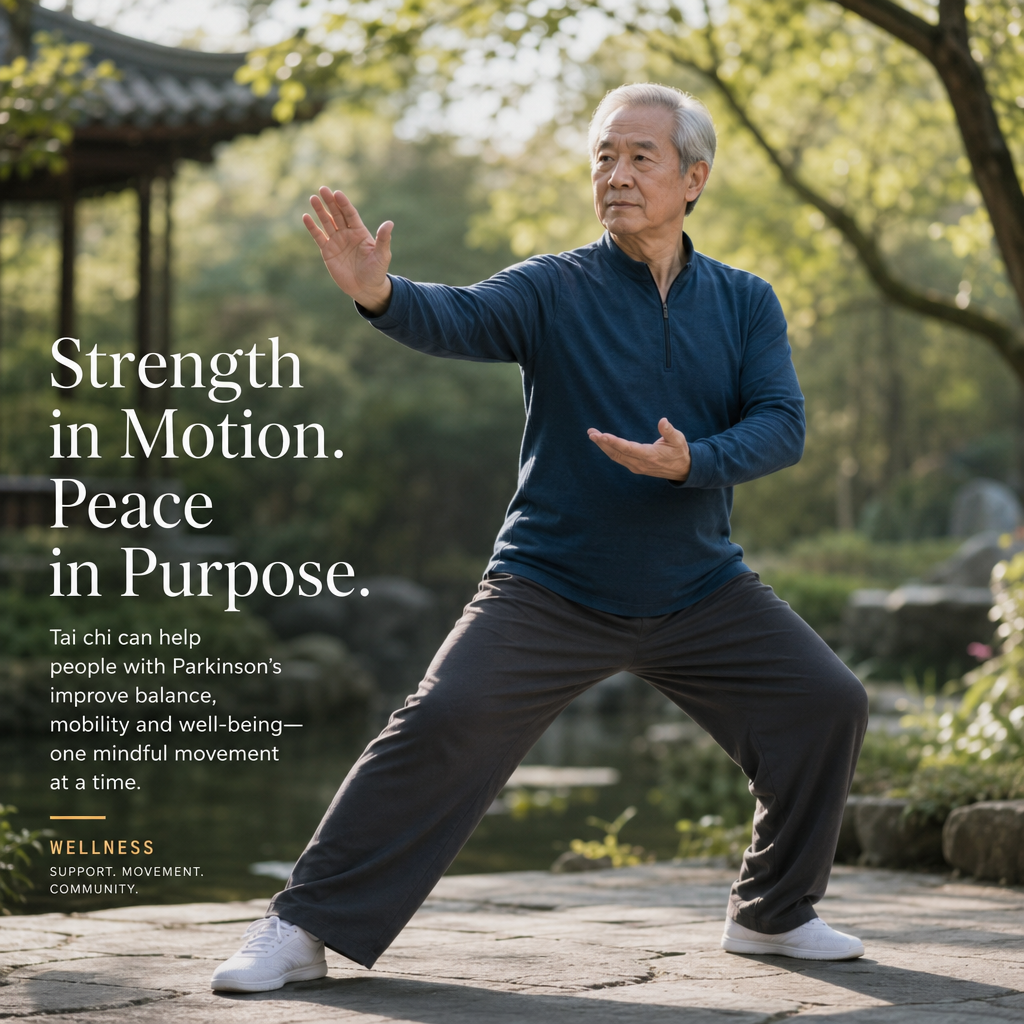
Tai chi looks gentle, but don’t let the slow pace fool you. This ancient practice is remarkably effective for improving balance, flexibility, and movement control in people with Parkinson’s. Studies have shown that regular tai chi practice can reduce falls and improve overall stability better than standard exercise programs.
The continuous, flowing movements in tai chi challenge your balance in ways that static exercises can’t. You’re constantly shifting your weight from one leg to the other, moving through different planes of motion, and maintaining control throughout each transition. Your brain has to work hard to coordinate these smooth, deliberate movements.
Tai chi also emphasizes mindful movement. You’re not just going through the motions; you’re paying attention to how your body feels, where your weight is distributed, and how each part of your body connects to the whole. This mind-body awareness can help you become more conscious of your movements throughout the day.
Look for tai chi classes specifically designed for people with Parkinson’s or older adults. Many instructors now offer chair-based modifications if standing for long periods is challenging. Online classes have also become widely available, letting you practice at home with instructional videos designed for your needs.
Gait Training: Relearning How to Walk
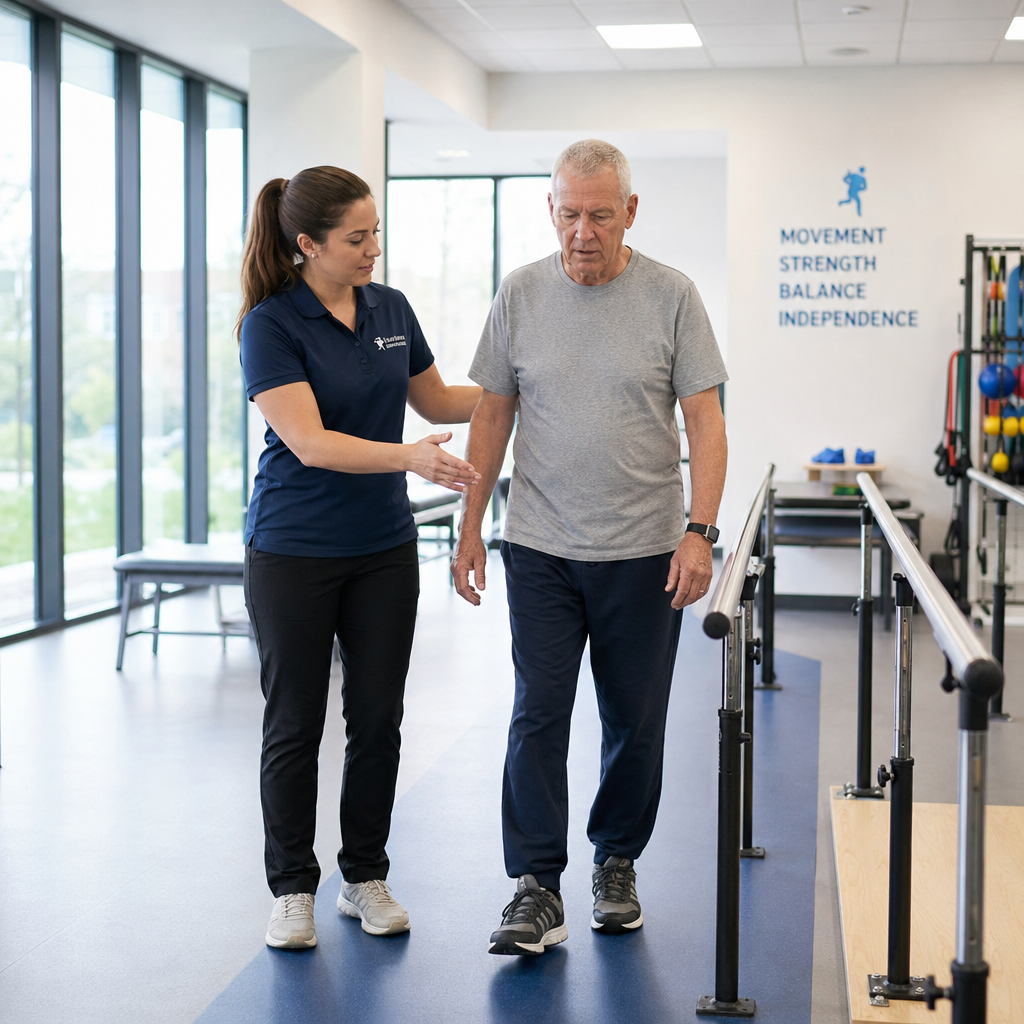
Walking becomes increasingly difficult as Parkinson’s progresses. Your steps get shorter, your feet might shuffle or stick to the ground, and you may find yourself leaning forward or struggling to turn. Gait training addresses these specific problems with targeted exercises and techniques.
Treadmill training is particularly effective. Walking on a treadmill forces you to maintain a consistent pace and take regular steps. Many people with Parkinson’s find they can walk better on a treadmill than on solid ground because the moving belt provides external cues that help overcome the internal movement difficulties.
Cueing strategies can dramatically improve your gait. Visual cues like lines on the floor give you targets to step over. Auditory cues like a metronome or rhythmic music help you maintain a steady cadence. Tactile cues like a gentle vibration can remind you to take bigger steps. A physical therapist can help you identify which types of cues work best for you.

Metronome for Gait Training
A simple metronome provides auditory cues that help maintain steady walking rhythm during practice sessions.
Practice walking with specific goals. Count your steps out loud to maintain rhythm. Place tape strips on the floor and step over each one to increase your stride length. Walk backwards and sideways to challenge different movement patterns. These variations all contribute to better overall mobility.
Exercise, Dopamine, and Medication Timing
Exercise doesn’t just help you move better; it actually affects your brain chemistry. Physical activity stimulates dopamine production and helps your brain use whatever dopamine is available more efficiently. Some research suggests exercise may even have neuroprotective effects, potentially slowing disease progression.
Timing your workouts with your medication schedule can maximize your results. Most people with Parkinson’s move best about 30 to 60 minutes after taking their levodopa medication, when drug levels peak in the bloodstream. This is your optimal window for challenging exercise that requires coordination and complex movements.
You can still exercise during off times when your medication is wearing off, but you might need to modify your routine. Focus on gentler activities like stretching or tai chi when your symptoms are more prominent. Save the high-intensity boxing or fast-paced gait training for when your medication is working well.
Keep an exercise log that tracks not just what you did, but when you took your medication and how you felt during the workout. Over time, you’ll identify patterns that help you optimize your schedule. Share this information with your neurologist and therapist; they can use it to fine-tune your treatment plan.
Working with Specialized Therapists
Physical and occupational therapists who specialize in Parkinson’s disease bring expertise that general fitness trainers simply don’t have. They understand the specific movement challenges you face and know how to address freezing episodes, balance problems, and coordination difficulties.
Look for therapists with specialized certifications. LSVT BIG certification, PWR! (Parkinson’s Wellness Recovery) training, and experience with neurological conditions all indicate a therapist who can provide targeted help. Many movement disorder centers have therapy teams that work directly with neurologists to coordinate your care.
A good therapist will assess your specific symptoms and create a personalized program tailored to your needs. They’ll also teach you strategies to use at home and in daily life, not just exercises to do in the clinic. You might work with them intensively at first, then transition to periodic check-ins as you become more independent with your routine.

Resistance Bands Set
Versatile bands let you perform many therapist-recommended strengthening exercises at home between sessions.
Don’t hesitate to ask your neurologist for therapy referrals. Insurance typically covers physical and occupational therapy when prescribed by a physician. Even a few sessions can give you the tools and knowledge to exercise more effectively on your own. Understanding evidence-based exercise protocols can help you get the most from your therapy sessions.
Frequently Asked Questions
How much exercise do I need to see benefits with Parkinson’s?
Research suggests that 2.5 hours per week of moderate to vigorous exercise provides the most benefit for people with Parkinson’s. This could be five 30-minute sessions or however you want to break it up. Consistency matters more than cramming everything into one or two days. You’ll likely notice improvements in mobility and stiffness within a few weeks, but the neuroprotective benefits build over months and years of regular activity. Incorporating these principles into a broader senior fitness routine can help maintain overall health as you age.
What should I do if I experience freezing episodes during exercise?
Freezing is common but manageable with the right strategies. When you freeze, try shifting your weight from side to side, marching in place, or stepping over a real or imaginary line. Some people find that counting out loud or humming helps restart movement. Visual cues like laser pointers attached to walkers or tape on the floor can prevent freezing before it starts. Work with a physical therapist to identify your personal triggers and develop effective cueing strategies.
Can exercise replace Parkinson’s medication?
Exercise should never replace your prescribed medications. While physical activity does provide benefits for