Peripheral neuropathy affects millions of older adults, and the symptoms, tingling, numbness, burning, and poor balance, can make even simple daily movement feel risky. Exercise videos promising quick relief flood YouTube, but most of them skip the most important part: neuropathy is a medical condition that requires proper diagnosis and treatment. Movement helps, but it works alongside your care plan, not instead of it.
This article focuses on gentle, safe foot and leg exercises you can do at home to support circulation, maintain range of motion, and improve balance. Before starting any new exercise routine, please talk with your neurologist or primary care physician. They can tell you which movements are appropriate for your specific type and severity of neuropathy.
Medical note: Peripheral neuropathy has many causes, including diabetes, chemotherapy, vitamin deficiencies, and autoimmune conditions. Exercise is a supportive tool. It does not replace medication, physical therapy, or other treatments your doctor has prescribed. Always check with your care team first.
Why Movement Matters for Peripheral Neuropathy
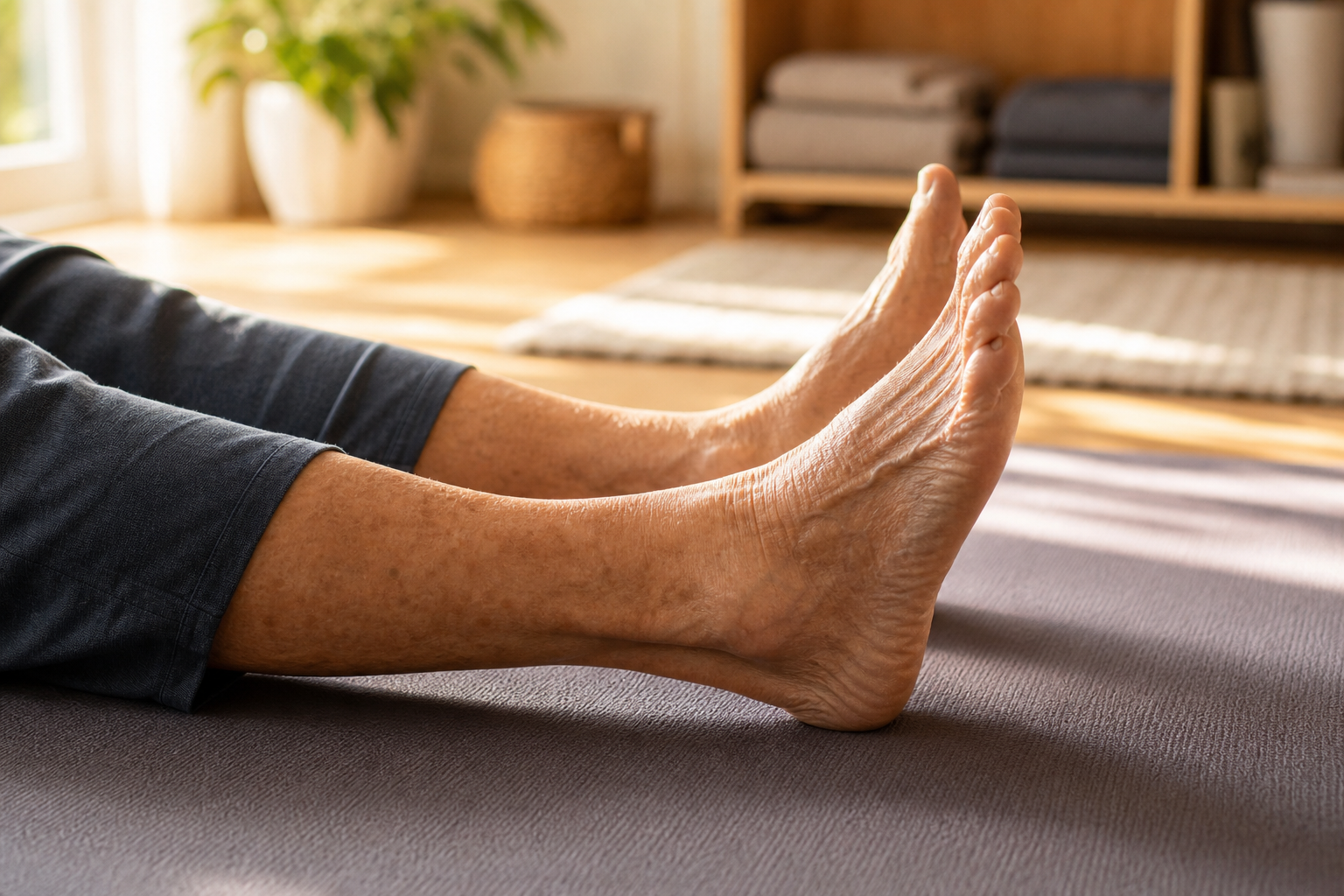
When you have neuropathy, reduced sensation in the feet and legs increases your fall risk and can lead to muscle weakness over time. Regular gentle movement helps combat both of those problems. It promotes circulation to the lower limbs, maintains joint flexibility, and gives your nervous system low-level sensory input that can support nerve function.
Research also suggests that aerobic exercise may slow nerve damage progression in some patients, particularly those with diabetic peripheral neuropathy. Even modest movement, done consistently, adds up. For a broader look at how exercise helps people managing chronic nerve and pain conditions, the article on neuropathy-safe exercises for seniors is a good companion read.
For those managing other related conditions alongside neuropathy, the guide on chronic pain management through movement offers additional context on how to build a sustainable routine when your body needs extra care.
Gentle Foot and Leg Exercises to Try

Do these exercises seated in a sturdy chair unless otherwise noted. Move slowly and stop immediately if you feel sharp pain, increased burning, or dizziness. Aim for one session daily, or as your doctor recommends.
Ankle Range-of-Motion Work
- Ankle circles: Lift one foot slightly off the floor and rotate the ankle in slow circles, 10 times clockwise and 10 times counterclockwise. Switch feet.
- Foot pumps: Flex your foot up toward your shin, hold for two seconds, then point it away from you. Repeat 15 times per foot. This supports circulation and is especially useful if you spend long periods sitting.
- Toe spreads: Spread your toes apart as wide as you can, hold for three seconds, then relax. Repeat 10 times. This keeps the small muscles of the foot active.
Seated Leg Strengthening
- Knee extensions: Straighten one leg until it’s parallel with the floor, hold for three seconds, then lower it slowly. Do 10 reps per leg. This builds the quad strength that protects your knees and helps with standing balance.
- Heel raises (seated): While seated, press onto your toes and lift your heels off the floor. Hold for two seconds and lower. Do 15 reps. Progress to standing heel raises at a counter when your doctor approves.
Supported Standing Balance Work
Stand behind a sturdy chair or counter and hold on lightly for support. If balance is a significant concern, consider using a non-slip mat under your feet for extra grip.
- Weight shifts: Slowly shift your weight from your left foot to your right foot and back. Do this for 30 seconds. This simple exercise trains proprioception, your body’s sense of where it is in space.
- Single-leg stands: Lift one foot an inch off the ground and hold for 5 to 10 seconds. Switch sides. Only try this if you feel stable with weight shifts first.
For a visual walkthrough of exercises like these, this video is a helpful starting point:
If you find balance training particularly challenging, the article on vertigo and balance exercises for seniors covers additional techniques that may complement what you’re doing here.
Helpful Equipment to Consider

You don’t need a lot of gear, but a couple of items make these exercises safer and more effective.
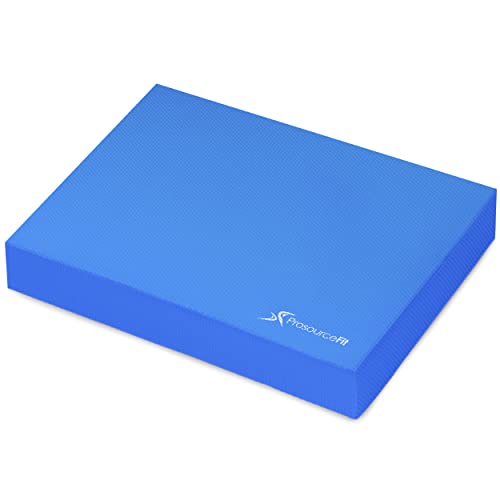
A foam balance pad adds an unstable surface that gently challenges your balance and foot proprioception. It’s particularly useful as you progress beyond basic standing exercises.
Foam Balance Pad
A foam balance pad adds gentle instability to standing exercises, which helps retrain proprioception in feet affected by neuropathy.
Compression socks won’t fix neuropathy, but they can reduce swelling and improve circulation in the lower legs during and after exercise. Our in-depth guide to the best compression socks for active seniors walks through what to look for.
Supportive, non-slip footwear is also worth investing in. Look for shoes with a wide toe box and firm heel counter to compensate for any reduced sensation in the foot.

Non-Slip Grip Socks for Seniors
Grip socks provide traction on smooth floors during standing balance exercises, reducing fall risk for those with reduced foot sensation.
Supporting Your Nervous System Through Nutrition
Exercise is only one piece of the puzzle. Certain nutrients play a role in nerve health, and deficiencies can worsen neuropathy symptoms. Vitamin B12 deficiency is a common and often overlooked cause of peripheral neuropathy, particularly in older adults. Vitamin D also matters for both nerve and muscle function, and our article on vitamin D for senior bone and muscle health covers why so many seniors are deficient and what to do about it.
Anti-inflammatory eating patterns may also help reduce nerve-related discomfort over time. The anti-inflammatory diet guide for active seniors is a practical starting point if you want to pair your movement routine with smarter food choices.
Frequently Asked Questions
Is it safe to exercise with peripheral neuropathy?
For most people, yes, with appropriate modifications and medical clearance. Gentle range-of-motion and balance exercises are generally well tolerated. High-impact activities, uneven terrain, and exercises that require precise foot placement can be risky due to reduced sensation. Always get your doctor’s input before starting, and report any new symptoms that appear after exercising.
How often should I do these exercises?
Once daily is a reasonable starting point for most of the seated exercises listed here. Balance work can be done in short sessions, even two