You step outside for a walk and wonder if you’re moving too slow or pushing too hard. Maybe a neighbor breezes past you on the trail, or you notice you’re the one catching your breath at the top of a hill. Walking speed changes with age, but “normal” covers a wider range than most people think, and the number on a fitness tracker matters less than how the walk actually feels.
Instead of chasing a specific mile-per-hour target, it helps to understand what typically happens to walking pace after 60, what actually affects it, and how to know if your pace signals something worth mentioning to your doctor.
What Happens to Walking Speed After 60

Research consistently shows that average walking speed declines gradually with age, but the drop is slower and smaller than most people expect. Healthy adults in their 60s typically walk somewhere between 2.5 and 3.5 miles per hour on flat ground, which is roughly a 17 to 24 minute mile. By your 70s and 80s, that range often shifts down slightly, but plenty of active older adults still walk at paces similar to people decades younger.
The wider point is that age alone doesn’t determine your pace nearly as much as your activity level, joint health, and muscle strength do. Someone who strength trains twice a week and walks regularly at 72 can easily out-pace an inactive 58 year old. Genetics and past injuries play a role too, but they’re far less influential than what you do on a weekly basis.
If your pace has slowed considerably over a short period of time, that’s more worth paying attention to than the raw number itself. A gradual, steady decline over years is typical aging. A noticeable drop over a few months deserves a conversation with your doctor.
Effort and Pace Matter More Than a Universal Number

Chasing a specific speed or step count can backfire, especially if you’re managing arthritis, recovering from an injury, or just getting back into a walking routine. A better approach is to gauge your walk by effort level rather than a fixed pace target.
Use this simple scale as a guide:
- Easy effort: You can hold a full conversation without pausing for breath. Good for recovery days or your very first walks back after time off.
- Moderate effort: You can talk but you notice your breathing has picked up. This is the sweet spot for most cardiovascular benefit.
- Harder effort: You can only get out a few words at a time. Useful in short bursts if your doctor has cleared you for it, but not something to sustain for a full walk.
Progression should follow the same logic. Instead of jumping to a longer distance or faster pace all at once, add a few minutes to your walk or pick up your pace slightly every one to two weeks. If you’re using a treadmill at home, a model designed for lower speeds and joint comfort makes it easier to build consistency without strain. Our guide to the best treadmills for seniors who walk at low speeds covers options built specifically for this kind of gradual progression, and if knee discomfort is part of the picture, the cushioning comparisons in our treadmill guide for bad knees are worth a look too.
Footwear affects pace more than people realize. Shoes that don’t support your stride properly can shorten your steps or throw off your balance, which slows you down without you noticing. If your feet or joints are part of the issue, the right walking shoes for arthritis can make a real difference in how far and how comfortably you move.
When Slower Pace Signals Something Worth Checking
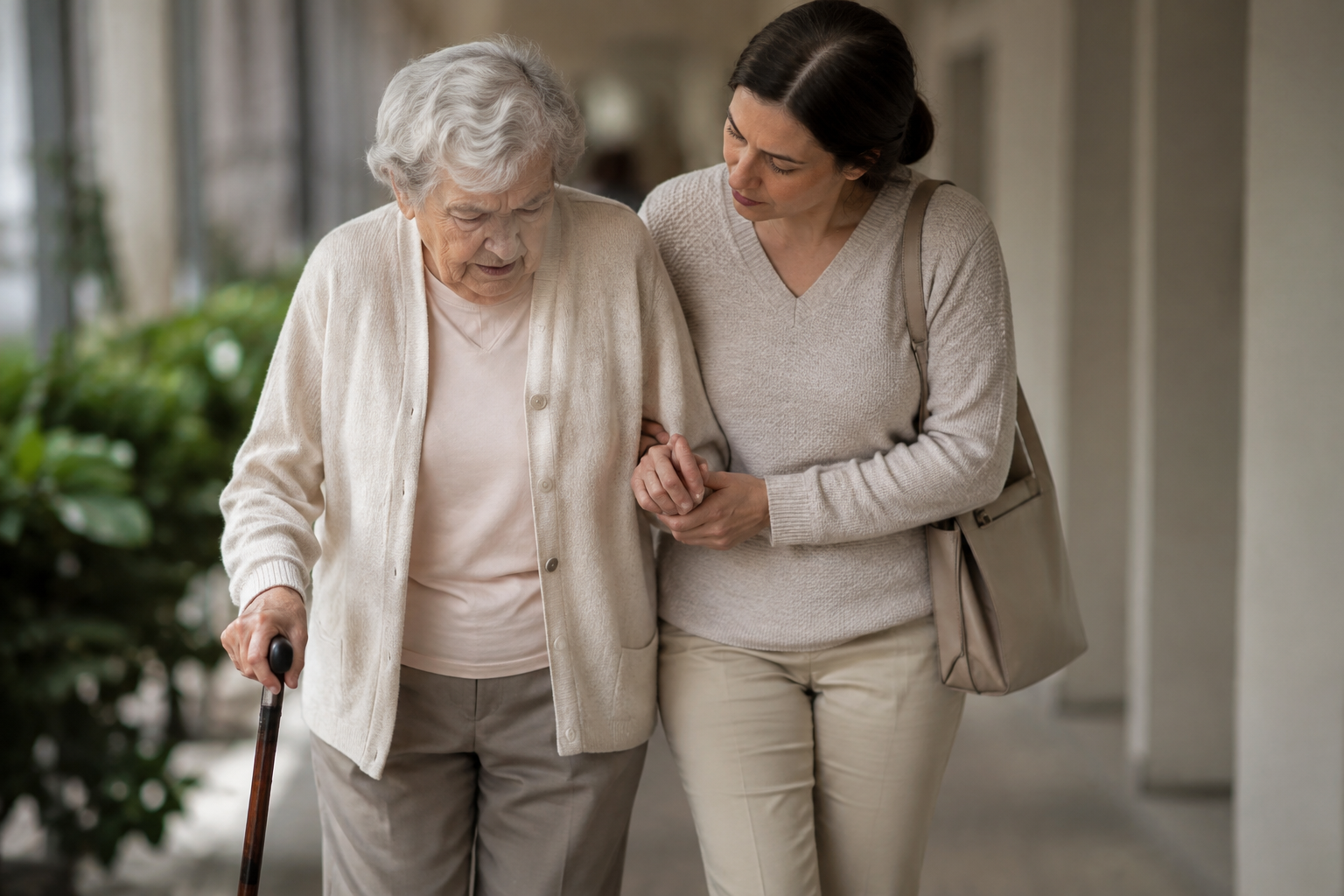
A slower pace on its own usually isn’t cause for alarm. But certain patterns are worth flagging to a doctor rather than working around on your own.
Talk to your doctor if you notice any of the following alongside a slowing pace: unsteadiness or a wider stance while walking, new dizziness, frequent stumbling, or a sudden drop in speed over just a few weeks. Balance issues in particular are worth investigating early. Our articles on how vision affects balance and fall risk and how to test your balance at home can help you figure out whether balance, rather than fitness, is the real factor behind a slower walk.
Walking poles are also worth considering if stability is part of what’s holding your pace back. They’re not just for hiking trails. Our guide on whether walking poles improve stability breaks down who benefits most from using them day to day.
Stop walking and seek medical attention immediately if you experience chest pain, fainting or feeling like you’re about to faint, or severe shortness of breath that doesn’t ease when you slow down or rest. These are not signs to push through or monitor at home.
Frequently Asked Questions
Is a slow walking pace a sign of poor health?
Not necessarily. Pace is influenced by joint health, past injuries, footwear, and simply how much walking you do regularly. A slow but steady pace that hasn’t changed much over time is usually just your normal rhythm. A sudden, unexplained slowdown is the pattern doctors pay more attention to than the speed itself.
How can I safely increase my walking pace after 60?
Increase gradually rather than all at once. Add a few minutes to your usual walk for a week or two before trying to walk faster, and let your effort level, not a stopwatch, guide how hard you’re pushing. Building leg and core strength through light strength training also supports a faster, steadier stride, and pairing it with proper rest between sessions matters too. Our article on how many rest days seniors need between strength workouts can help you balance the two without overdoing it.