If you’ve been thinking about adding strength training to your routine but aren’t sure how often to show up, you’re not alone. Many seniors either do too little and don’t see results, or push too hard and end up sore for days. Getting the frequency right makes a bigger difference than any specific exercise you choose.
The good news is that research and major health organizations point to a clear, manageable target. Two to three strength training sessions per week is the sweet spot for most older adults, and building your week around that number is easier than you might think.
What the General Guidelines Actually Say
The American College of Sports Medicine and the Centers for Disease Control both recommend that adults aged 65 and older perform muscle-strengthening activities on at least two days per week. These should target all major muscle groups, including legs, hips, back, core, chest, shoulders, and arms.
Two sessions per week is the floor, not the ceiling. If you’re feeling good, recovering well, and building consistency, three sessions per week can produce noticeably better results in strength and muscle retention. Going beyond three days is possible but usually unnecessary for most seniors, and the extra sessions need to be structured carefully to avoid overuse injuries.
For reference, this guidance aligns with the broader recommendation of 150 minutes of moderate aerobic activity per week. Strength training complements cardio rather than replacing it, so your weekly plan should include both.
Why Rest Days Matter More As You Age

Muscle growth doesn’t happen during a workout. It happens in the 48 to 72 hours afterward, while your body repairs microscopic damage to muscle fibers. Skipping rest days doesn’t make you stronger faster. It actually slows you down and raises your injury risk.
Older adults generally need a full 48 hours of recovery between sessions targeting the same muscle group. At 65 or 70, your body simply processes the repair work more slowly than it did at 40. That’s not a limitation to fight against. It’s just how the physiology works, and building your schedule around it pays off.
If you find you’re stiff or unusually tired more than two days after a session, that’s a signal to reduce intensity or add an extra rest day, not push through. Recovery quality matters as much as training frequency. Getting enough sleep is a critical part of this, and if you want to understand the connection better, our article on sleep hygiene and exercise for better rest covers practical strategies for improving overnight recovery.
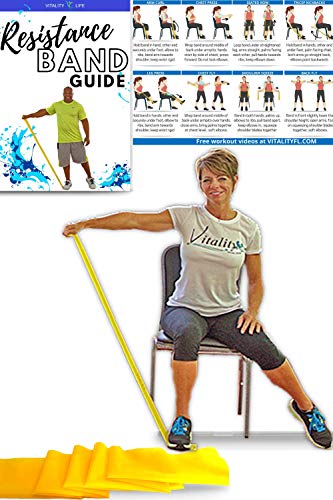
Resistance Bands for Seniors
Light-to-medium resistance bands are ideal for seniors starting out or training at home between gym sessions.
How to Split Your Routine Across the Week
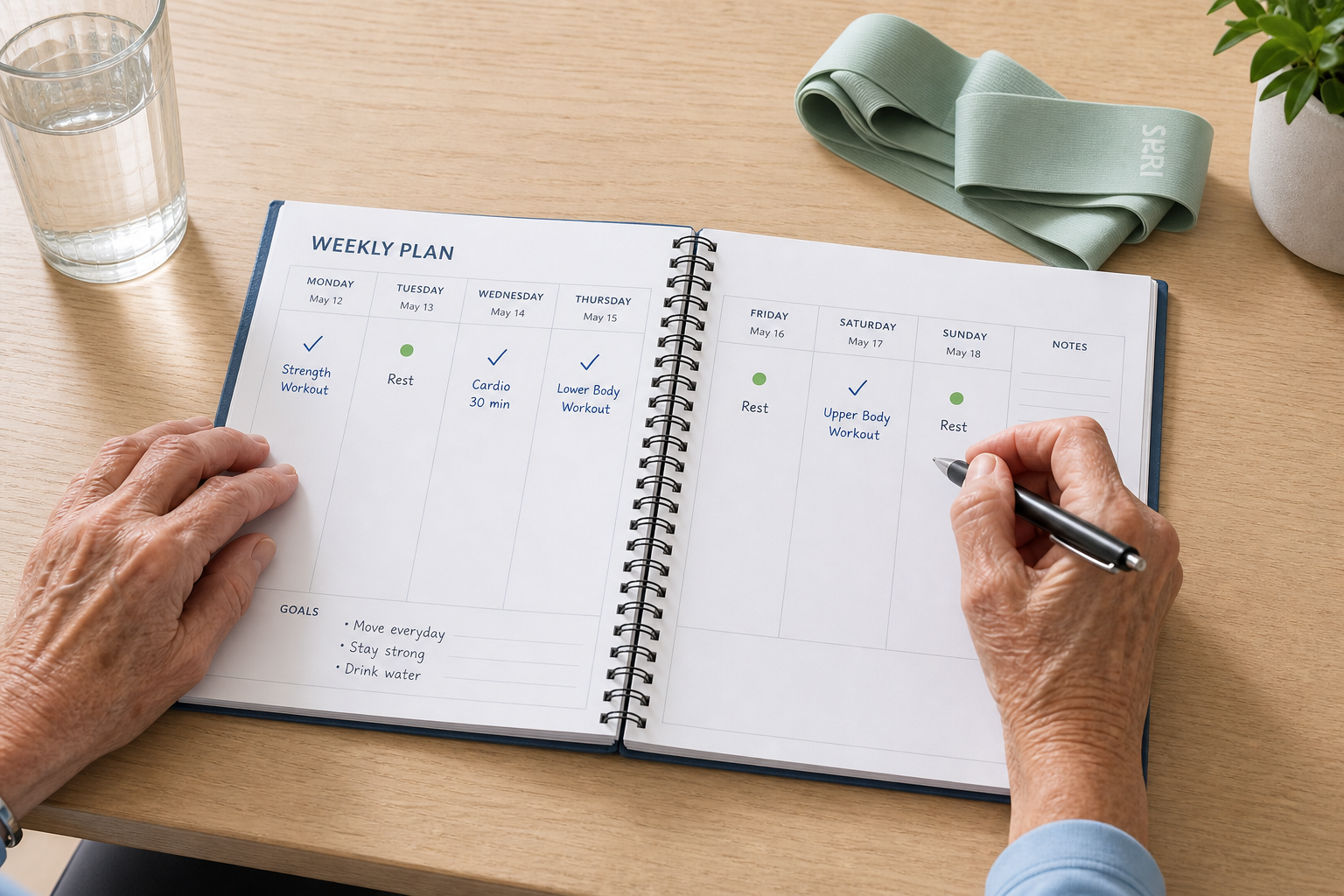
The simplest approach for most seniors is a two-day full-body routine. You train all major muscle groups in each session, and you leave at least one rest day between workouts. A Monday-Thursday or Tuesday-Friday schedule works well because it distributes the load evenly and keeps weekends flexible.
Two-Day Full-Body Split (Beginner to Intermediate)
This is the most practical starting point. Each session covers squats or leg presses, a pushing movement like a chest press or shoulder press, a pulling movement like a seated row or lat pulldown, and core work. You finish in 30 to 45 minutes, and you have five other days to walk, stretch, or simply rest.
A sample week might look like this:
- Monday: Full-body strength session
- Tuesday: Light walking or stretching
- Wednesday: Rest or gentle mobility work
- Thursday: Full-body strength session
- Friday: Walking or balance exercises
- Saturday and Sunday: Rest or light activity
Three-Day Option for Intermediate Lifters
If you’ve been training consistently for several months and want to do more, a three-day full-body routine can work well. Just make sure you’re never training two days in a row. A Monday-Wednesday-Friday schedule is the classic approach and leaves the weekend fully open.
Some seniors prefer a push-pull-legs split across three days, where each session focuses on a specific movement pattern. This works fine, but full-body sessions tend to be more practical for older adults because they reinforce movement patterns more frequently and are easier to adjust if you miss a day.
If you’re following a structured program, our 12-week progressive resistance training program gives you a detailed week-by-week plan built around these same principles.

Adjustable Dumbbells for Home Gym
A single pair of adjustable dumbbells replaces a full rack and makes home strength training far more practical.
Equipment That Makes Home Sessions Easier
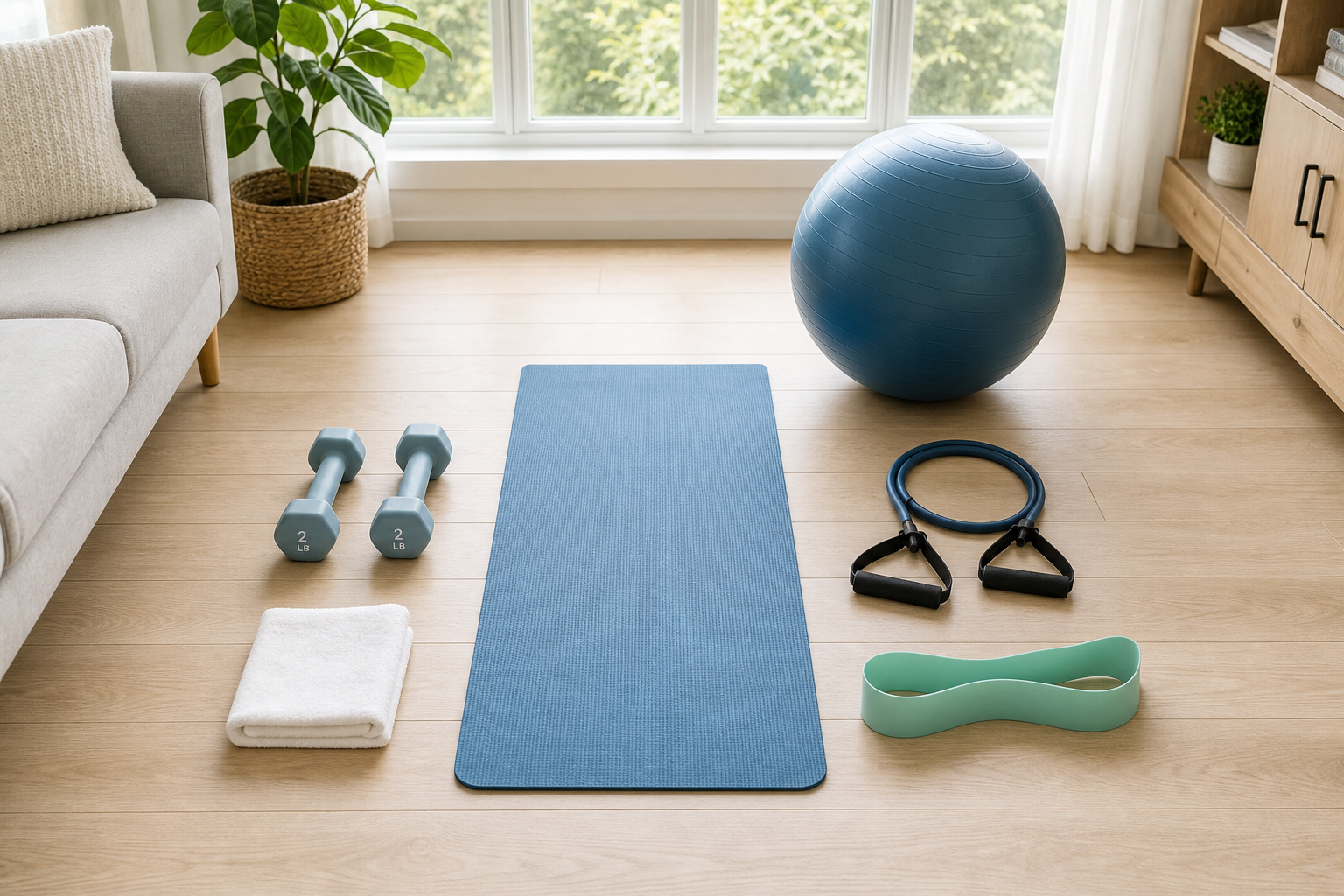
You don’t need a gym membership to get two quality sessions in per week. A basic home setup can cover everything you need at a fraction of the cost. Resistance bands for seniors are a great starting point, especially if you’re rebuilding strength after a break or dealing with joint sensitivity.
A light pair of hand weights or dumbbells adds variety and allows you to progress more easily over time. If you’re setting up a longer-term home space, our guide to a budget-friendly home gym setup for seniors covers exactly what to prioritize without overspending.

Adjustable Weight Bench for Seniors
A sturdy adjustable bench expands the range of exercises you can safely do at home and supports proper form during pressing movements.
Nutrition Supports Your Training Frequency
Strength training twice a week only delivers results if you’re eating to support recovery. Protein is the most important piece. Most older adults need more than they think, roughly 1.2 to 1.6 grams per kilogram of body weight per day, to maintain and build muscle. Spreading protein intake across meals rather than loading it all at dinner improves how well your body uses it.
What you eat before and after a session also matters. Our articles on pre-workout nutrition for senior athletes and post-workout recovery meals for seniors give practical, food-first guidance that pairs directly with a twice-weekly training schedule.
Bone and muscle health also depend on nutrients beyond protein. Vitamin D plays a direct role in muscle function, not just bone density, and many older adults are deficient without knowing it. Getting your levels checked and addressing any gaps is worth the effort.
Frequently Asked Questions
Is twice a week enough to actually build muscle as a senior?
Yes, two sessions per week is enough to produce meaningful gains in strength and muscle mass for most older adults, especially beginners. Research consistently shows that two well-designed, full-body sessions per week can deliver close to the same muscle-building results as three sessions, particularly when you’re focused on progressive overload and recovery. Beginners often see their best early gains on a two-day schedule simply because the body isn’t yet adapted to the stimulus.
What if I feel sore after every session?
Some mild soreness 24 to 48 hours after a session, known as DOMS, is normal when you’re starting out or increasing intensity. If it’s consistently lasting more than three days or making daily activities difficult, you’re likely doing too much too soon. Back off the weight or the number of sets, and make sure you’re eating enough protein. Using a foam roller on off days can also help clear that stiffness faster. For more on recovery tools, check out our article on the best foam rollers for senior muscle recovery.
Can I strength train if I have a condition like arthritis or osteoporosis?
Most chronic conditions are not reasons to avoid strength training. In fact, resistance exercise is often specifically recommended for conditions like osteoporosis and arthritis because it strengthens the supporting muscles around joints and helps preserve bone density. You may need to modify certain exercises, choose lower-impact variations, or start more gradually. Our dedicated articles on osteoporosis exercise planning and arthritis-friendly exercises cover those adjustments in detail. Always check with your doctor before starting if you have a diagnosed condition.
Twice a week is a realistic, evidence-backed starting point that most seniors can fit into a busy schedule. Build the habit first, focus on proper form, and let the results guide you toward adding a third session when you’re ready. Consistency over months matters far more than what any single week looks like.
This article contains affiliate links. We may earn a small commission at no extra cost to you.