Back pain is one of the most common complaints among adults over 60, and it’s easy to fall into the trap of thinking rest is the answer. For most types of chronic or recurring back pain, the opposite is true. Gentle, consistent movement, especially exercises that build core and back strength, can reduce pain significantly and help you stay active longer.
This guide walks you through practical strengthening moves designed with seniors in mind. These aren’t high-intensity exercises. They’re controlled, low-impact movements that target the muscles supporting your spine. Done regularly, they can make a real difference in how your back feels day to day.
Important: If you’re experiencing sudden or severe back pain, pain that radiates down your leg, numbness, tingling, or any loss of bladder or bowel control, stop exercising and see a doctor right away. These symptoms need medical evaluation before you start any exercise program. This guide is intended for general back discomfort and muscle weakness, not acute injury or serious spinal conditions.
Why Core Strength Matters for Your Back
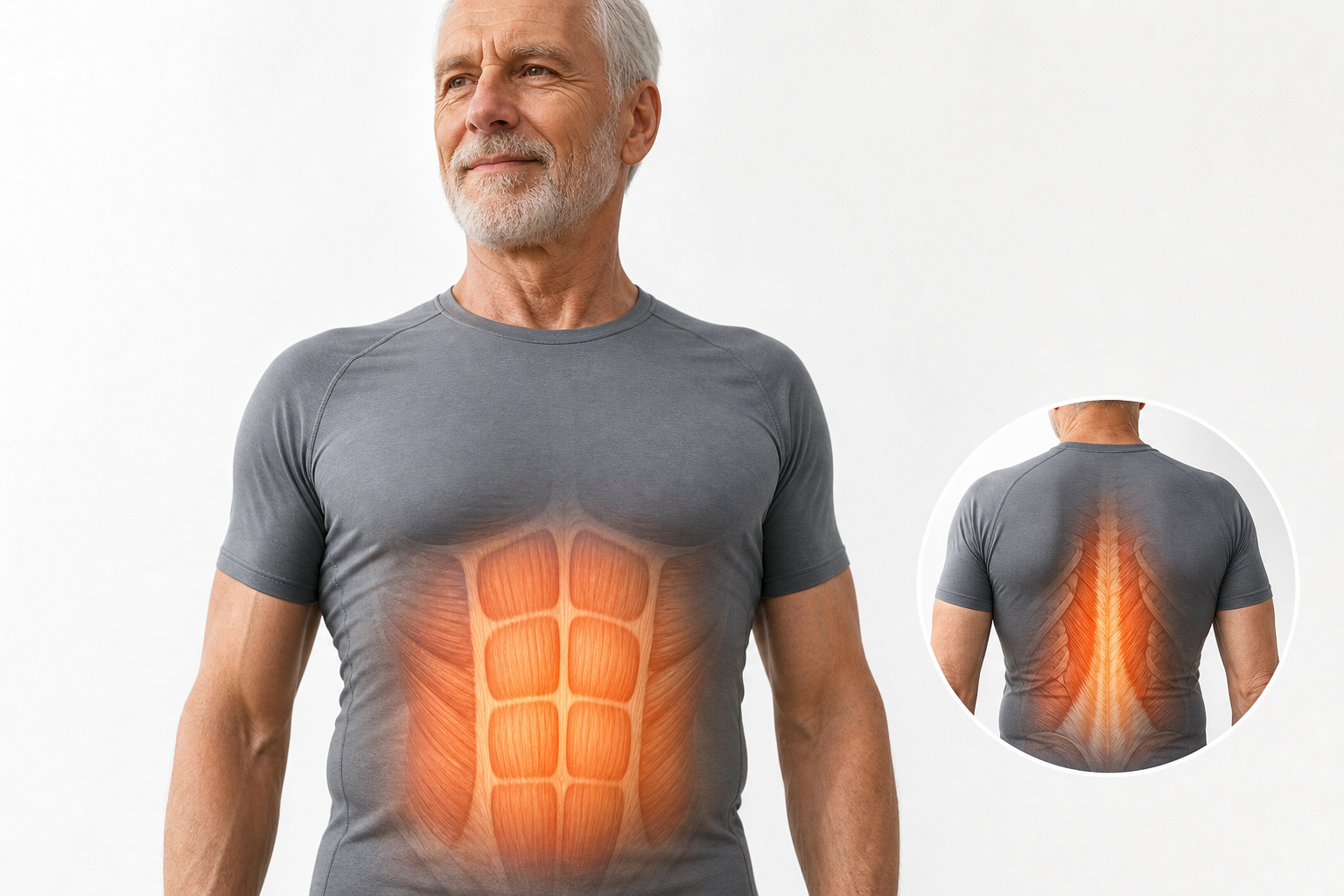
Your core isn’t just your abdominal muscles. It includes everything that wraps around your midsection: the muscles of your lower back, hips, pelvis, and even your diaphragm. When these muscles are weak, your spine has to work harder to keep you upright, and that extra strain adds up over time.
As we age, we tend to lose muscle mass and spend more time sitting, both of which weaken the core. Poor posture compounds the problem. If you’ve been dealing with nagging lower back tightness, strengthening those supporting muscles often brings more lasting relief than stretching alone. For a deeper look at how posture ties into this, check out our guide on posture correction exercises for seniors.
Gentle Core and Back Exercises to Try
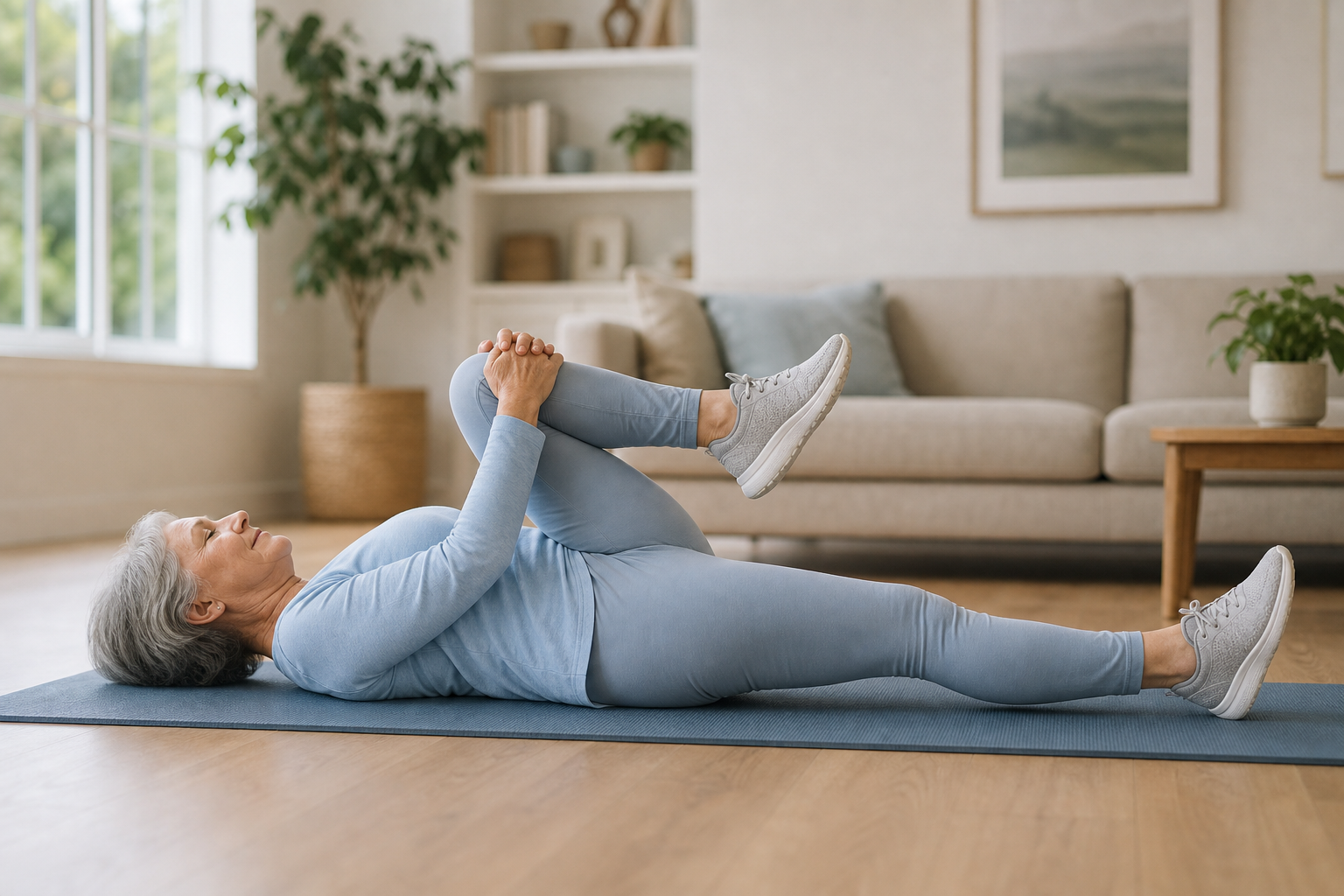
The following exercises are ordered from easiest to slightly more challenging. Start with the first few and build from there. Aim for 2 to 3 sessions per week, with at least one rest day between sessions.
1. Pelvic Tilts
Lie on your back with your knees bent and feet flat on the floor. Gently flatten your lower back against the floor by tightening your abdominals, hold for 5 seconds, then release. This is a foundational move that activates deep stabilizing muscles without any stress on the spine.
Start with 10 repetitions. It should feel mild, not uncomfortable. If you feel any pinching or pain, reduce the range of motion.
2. Knee-to-Chest Stretch
Still on your back, slowly bring one knee toward your chest and hold it gently with both hands for 20 to 30 seconds. Lower it and repeat on the other side. This relieves tension in the lower back and helps loosen tight hip flexors that often contribute to back pain.
Do 2 to 3 repetitions per side. Breathe steadily throughout and don’t pull aggressively on your knee.
3. Bridges
Lie on your back with knees bent and feet hip-width apart. Press your feet into the floor and slowly lift your hips until your body forms a straight line from shoulders to knees. Hold for 3 to 5 seconds, then lower slowly. Bridges target the glutes, hamstrings, and lower back muscles all at once.
Aim for 10 to 15 repetitions. If this causes knee discomfort, place a folded towel under your feet for a slight elevation, or try a smaller range of motion.
4. Bird Dog
Start on your hands and knees with your wrists under your shoulders and knees under your hips. Slowly extend your right arm forward and your left leg back at the same time, keeping your hips level. Hold for 3 seconds, return to center, and switch sides. This move challenges balance and works the entire posterior chain.
If getting down to the floor is difficult, a padded exercise mat makes a big difference. A thick exercise mat with extra cushioning can protect your knees and wrists during floor work.
5. Seated Spinal Rotation
Sit up straight in a sturdy chair with your feet flat on the floor. Place your hands on your thighs and slowly rotate your upper body to the right, hold for 5 seconds, return to center, then rotate left. Keep your hips facing forward the whole time. This improves spinal mobility and works the muscles along the sides of your back.
Do 8 to 10 rotations per side. This is a great option on days when floor exercises feel like too much.
Supporting Your Back Throughout the Day

Exercise is only part of the equation. How you sit, sleep, and move during the rest of your day matters too. Long periods of sitting are one of the biggest contributors to back pain in older adults, especially if your chair doesn’t support the natural curve of your lower back.
A quality lumbar support cushion can make a noticeable difference if you spend a lot of time at a desk or in a recliner. Look for one with memory foam that holds its shape without going flat after a few weeks of use.

Lumbar Support Cushion
A well-designed lumbar cushion supports the natural curve of your lower spine and can reduce discomfort during long periods of sitting.
If you’re dealing with sciatica-type pain alongside general back issues, the nerve component requires a slightly different approach. Our article on managing sciatica through exercise covers nerve pain relief techniques that complement the strengthening work in this guide.
Sleep position also affects back pain. Sleeping on your side with a pillow between your knees takes pressure off the lumbar spine. A knee pillow for side sleepers is a simple, affordable tool that many people find surprisingly helpful.
Nutrition That Supports Back and Muscle Health
Strengthening your back muscles is physical work, but what you eat plays a supporting role. Protein is essential for muscle repair and growth, and many seniors don’t get enough of it. If you’re not sure whether your diet is covering your needs, our protein powder guide for seniors over 70 is a good place to start.
Bone density also affects spinal health directly. Weak vertebrae are more susceptible to compression fractures, which can cause significant back pain. Getting enough vitamin D for bone and muscle health is something many older adults overlook, and it’s worth discussing with your doctor if you haven’t had your levels checked recently.
Chronic inflammation can worsen back pain and slow recovery. An anti-inflammatory diet for active seniors emphasizes foods like fatty fish, berries, leafy greens, and olive oil, all of which support the kind of recovery your muscles need after exercise.
Resistance Bands for Seniors
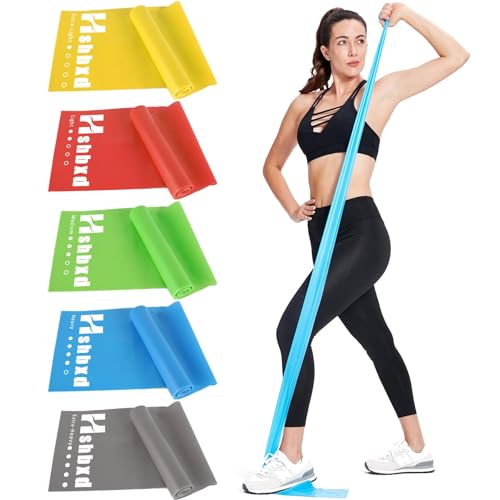
Light resistance bands let you gradually add challenge to back and core exercises without putting stress on joints.
Building a Consistent Routine
Consistency beats intensity every time when it comes to back pain relief. Doing 15 minutes of these exercises three times a week will produce better results than an intense session once in a while followed by days of soreness.
Keep your routine simple at first. Pick two or three exercises from the list above, do them after a light warm-up like a short walk around the block, and gradually add more as you get comfortable. If you’re working toward a more structured program, our 12-week progressive resistance training program offers a step-by-step approach you can adapt for back health.
Tracking your progress, even informally, helps with motivation. Noting which exercises felt easier this week compared to last week gives you concrete evidence that the work is paying off.
Frequently Asked Questions
How long does it take to feel relief from back strengthening exercises?
Most people notice some improvement within 2 to 4 weeks of consistent practice. The timeline varies depending on the cause of your back pain, your current fitness level, and how often you exercise. Don’t expect overnight results, but don’t give up after a week either. Small, steady improvements are a sign the exercises are working.
Is it safe to exercise when my back is already sore?
Mild soreness or stiffness generally isn’t a reason to skip exercise. In fact, gentle movement often helps reduce that kind of discomfort. The key word is gentle. Avoid anything that makes your pain sharper or that sends pain into your leg or buttock. If your soreness is from a recent injury or flare-up, give it a day or two before resuming your routine, and check in with your doctor if it doesn’t settle down.
What equipment do I actually need to get started?
You don’t need much. A firm exercise mat is helpful for floor work, and a stable chair covers all the seated exercises. As you progress, a set of light resistance bands can add variety and challenge. If your back needs extra support while you’re sitting or sleeping, a lumbar cushion or knee pillow can help outside of your exercise sessions. Check current pricing on Amazon for any of these items using the links in this article.
Foam Roller for Back Pain Relief
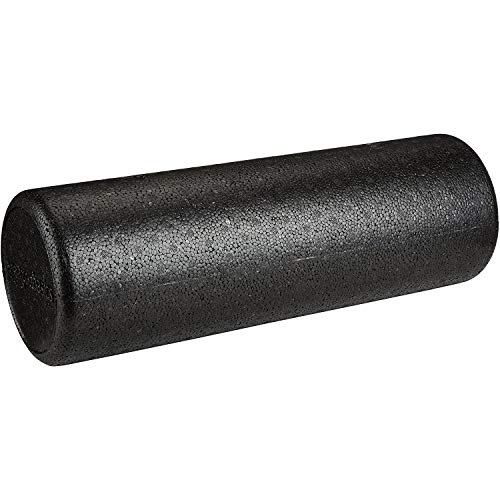
A foam roller helps release tension in the mid and upper back and complements your strengthening work with gentle myofascial release.
Back pain doesn’t have to be a permanent fixture in your life. With the right exercises, some attention to how you sit and sleep, and a little nutritional support, most seniors can build a stronger, more comfortable back over time. Start small, stay consistent, and don’t hesitate to loop in your doctor or a physical therapist if you have questions about your specific situation.
This article contains affiliate links. We may earn a small commission at no extra cost to you.