Blood thinners keep you alive by preventing dangerous clots, but they change the rules of exercise in ways your doctor may not have fully explained. Every bruise lasts longer, every cut bleeds more, and a hard fall carries amplified consequences. These changes don’t mean you should stop exercising. They mean you should exercise smarter, with specific precautions that account for your altered clotting ability.
The medications that prevent strokes and heart attacks (warfarin, apixaban, rivaroxaban, dabigatran, edoxaban) don’t just thin your blood. They extend bleeding time, delay clotting, and turn minor bumps into visible bruises. A fitness routine that was perfectly safe before anticoagulation therapy requires adjustments now. Most exercises remain available to you with simple modifications.
Quick Reference: Safe vs. Caution vs. Avoid
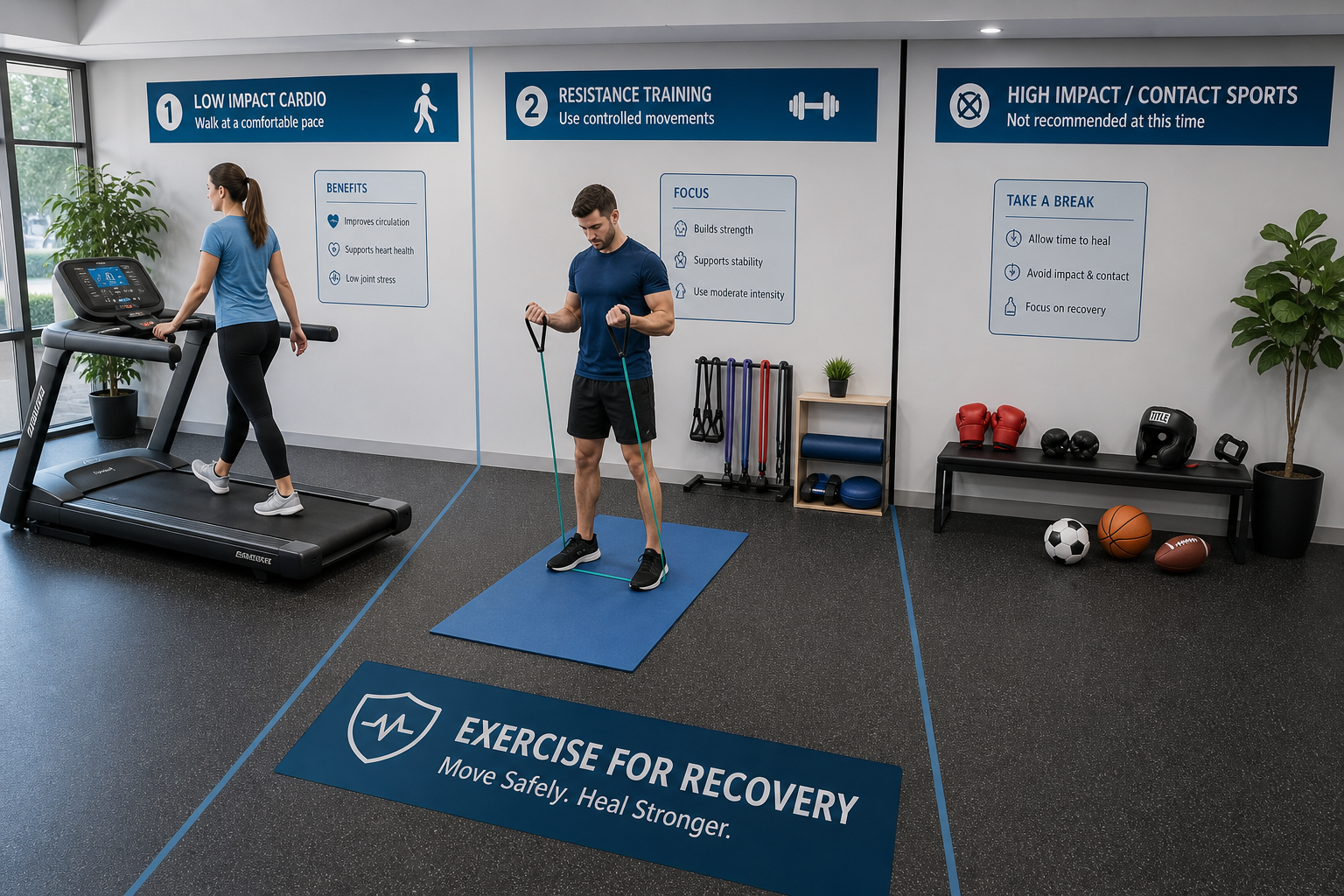
Safe activities (low injury risk):
- Walking on even, well-lit surfaces
- Recumbent cycling or pedal exerciser
- Swimming and water aerobics (no diving)
- Resistance machines (guided movement paths)
- Chair exercises
- Tai chi and gentle yoga
- Resistance band training
Use caution (moderate injury risk):
- Free weight training (dumbbells): use moderate weights, avoid exercises where a dropped weight could cause injury
- Outdoor walking on uneven terrain: use walking poles and proper footwear
- Balance exercises: always near a counter or wall
- Gardening: wear gloves, avoid thorny plants, use long-handled tools
Avoid (high injury/bleeding risk):
- Contact sports (basketball, martial arts)
- Downhill skiing, skating
- Heavy weightlifting without a spotter
- Aggressive foam rolling (can cause deep bruising)
- Any activity with significant fall risk on hard surfaces
This classification isn’t about being overcautious. It’s about matching activity risk to your body’s current capabilities. A dropped 5-pound dumbbell that bounces off your foot becomes a different event when your blood takes three times longer to clot. An unwitnessed fall in your basement becomes more serious when head bleeding doesn’t resolve the way it used to.
5 Essential Safety Practices
1. Wear a Medical ID
A medical ID bracelet or necklace that identifies your blood thinner medication ensures that first responders know about your anticoagulation status if you’re injured during exercise and can’t communicate. This information changes emergency treatment decisions and can be lifesaving.

Medical Alert Bracelet for Blood Thinners
Essential for emergencies; ensures first responders know your medication status immediately
List your specific medication (warfarin, Eliquis, Xarelto, Pradaxa, or Savaysa), not just “blood thinner.” Different anticoagulants have different reversal agents. EMTs and ER staff need the exact drug name. Include an emergency contact number and any drug allergies.
Some people resist medical IDs because they feel conspicuous or uncomfortable advertising a health condition. Consider this: the five minutes you might spend unconscious after a hard fall are when that bracelet does its most important work. First responders check for medical IDs immediately. The information reaches the treating physician before you wake up.
2. Carry a Mini First-Aid Kit
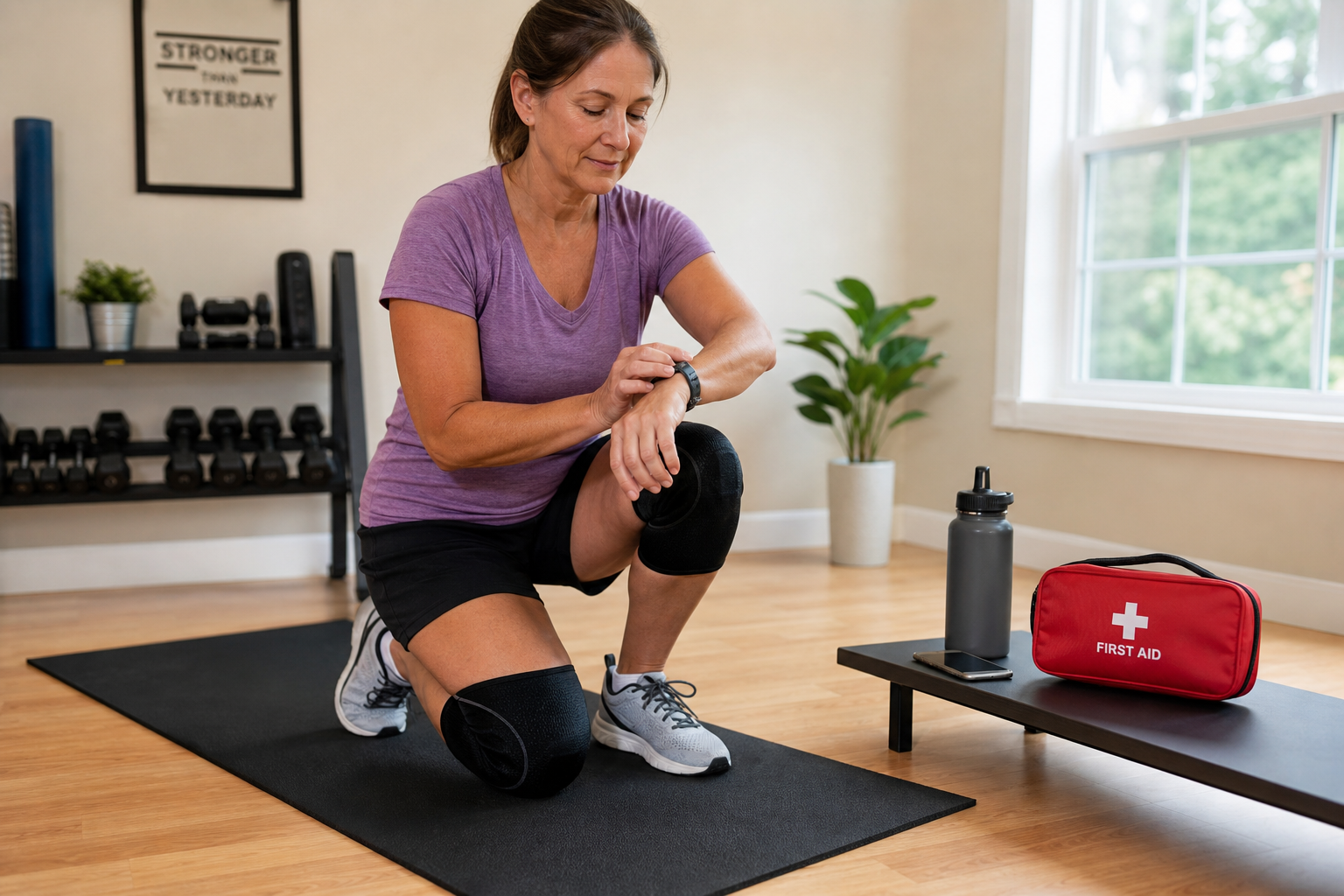
Pack adhesive bandages, gauze pads, and a small roll of medical tape in a pocket or fanny pack during outdoor exercise. Cuts and scrapes that would normally stop bleeding in minutes may continue for 10-15 minutes on blood thinners. Direct pressure with gauze controls most minor bleeding.
Add a pair of disposable gloves if you exercise in groups or with a partner. If someone else needs to help control bleeding from your injury, gloves protect both of you. A small bottle of saline wound wash helps clean scrapes before bandaging. A few alcohol prep pads let you clean intact skin around a wound without irritating the injury itself.
Keep the kit accessible. A supply buried in the bottom of a gym bag doesn’t help when you scrape your shin on outdoor stairs. Belt pouches, jacket pockets, or fanny packs work better than backpacks for quick access.
3. Prioritize Fall Prevention
Falls are the primary danger because blood thinners amplify the consequences of impact. Invest extra time in balance training (single-leg stands, heel-to-toe walking, reactive stepping drills) and environmental safety (clear exercise area, good lighting, non-slip surfaces, grab bars). Every minute spent on fall prevention is worth more for your safety than an hour of cardio.
Balance training isn’t optional for someone on anticoagulants. It’s the foundation. Start every exercise session with 5 minutes of balance work. Stand on one foot while brushing your teeth. Walk heel-to-toe down a hallway. Practice stepping in different directions (forward, backward, sideways) with control.
Environmental modifications matter more now than they did before. Remove throw rugs from exercise areas. Install a grab bar near any spot where you stretch or do floor exercises. Improve lighting in stairways and hallways you use during morning or evening workouts. Wear shoes with good tread, even indoors. Socks on hardwood floors are out.
If you’ve fallen in the past six months, work with a physical therapist before advancing your exercise routine. They can identify specific balance deficits and provide targeted exercises that address your individual fall risk factors. Insurance often covers PT for fall prevention when you’re on anticoagulants, similar to post-surgery rehabilitation protocols.
4. Monitor for Head Injury Symptoms
A head bump during exercise (even one that seems minor) can cause a subdural hematoma (bleeding between the brain and skull) that develops slowly over hours or days. After any head impact, monitor for headache that worsens over time, confusion or drowsiness, nausea or vomiting, vision changes, or difficulty with balance or coordination. Seek immediate medical attention if any of these develop within 48 hours of a head bump.
Don’t dismiss a mild headache after hitting your head. On blood thinners, what starts as mild pressure can signal bleeding that’s still expanding. The classic subdural hematoma presentation involves a lucid interval: you feel fine immediately after impact, then gradually worsen over 12-24 hours as blood accumulates.
Tell someone in your household about any head impact, even if it seems trivial. They can help monitor for subtle changes (slurred words, confusion, unsteadiness) that you might not notice yourself. If you live alone, set phone reminders to check in with a friend or family member at 6, 12, and 24 hours after any head bump.
ER doctors use different decision rules for head imaging in patients on anticoagulants. What wouldn’t trigger a CT scan in someone with normal clotting often does trigger one in an anticoagulated patient. This isn’t medical overreaction. It’s appropriate caution based on your elevated bleeding risk.
5. Time Exercise Around Medication
Most blood thinners have a peak effect 2-4 hours after dosing. Exercising during this peak may slightly increase bruising from normal exercise contact (dumbbell grips, band pressure). If you notice excessive bruising from exercise, try timing your workouts before your medication dose or after the peak has passed. Discuss timing with your pharmacist for your specific medication.
Warfarin users have more flexibility with timing since the drug maintains steady levels throughout the day. Direct oral anticoagulants (DOACs like Eliquis, Xarelto, Pradaxa) have more pronounced peaks and troughs. If you take a DOAC twice daily, exercise in the trough period between doses. If you take one that’s once daily, exercise either just before your dose or more than 6 hours after.
This isn’t about reducing medication effectiveness. Your anticoagulation protection remains constant. It’s about minimizing nuisance bruising from contact that’s inherent in certain exercises. You don’t need to time your medication around walking or swimming. But if you do resistance training and consistently notice bruising at grip points, timing may help.
Exercise Benefits That Are Especially Important on Blood Thinners
People take blood thinners for conditions (atrial fibrillation, blood clot history, heart valve replacement, recent stent) that benefit enormously from regular exercise:
Cardiovascular fitness: Exercise strengthens the heart and improves blood flow, supporting the cardiovascular system that blood thinners are protecting. The cardiac remodeling that occurs with consistent aerobic training reduces strain on your heart and can help manage the underlying condition that necessitated anticoagulation in the first place. Low-impact cardiovascular exercise is particularly beneficial.
Circulation: The calf muscle pump activated during walking and leg exercises promotes venous return, which reduces the risk of new blood clots forming in the legs (a risk that exists even on blood thinners). Blood thinners prevent clot formation and extension, but they work better when you’re also promoting healthy circulation through movement. Compression socks can provide additional circulation support.
Balance and strength: Fall prevention through exercise is the most important safety measure for someone on blood thinners. Stronger muscles and better balance dramatically reduce the likelihood of the falls that carry amplified consequences. Hip and leg strength, ankle stability, and core control all contribute to staying upright during trips and slips that everyone experiences.
Mental health and cognitive function: The conditions that require anticoagulation (especially atrial fibrillation) carry increased dementia risk. Regular exercise offers some of the strongest protection against cognitive decline. The same cardiovascular improvements that help your heart also improve blood flow to your brain.
Stopping exercise to avoid injury risk actually increases your overall health risk. The cardiovascular and metabolic benefits of regular activity outweigh the modest increase in bleeding risk from appropriate exercise. Your goal isn’t to avoid all risk. It’s to exercise in ways that maximize benefit while minimizing the specific risks your medication creates.
Understanding Your Specific Medication
Not all blood thinners work the same way. Warfarin (Coumadin) requires regular INR monitoring and has more dietary interactions. Direct oral anticoagulants (apixaban/Eliquis, rivaroxaban/Xarelto, dabigatran/Pradaxa, edoxaban/Savaysa) don’t require monitoring but have different peak times and half-lives.
If you’re on warfarin, your INR level affects bleeding risk more than the drug name itself. An INR of 2.0-3.0 (typical therapeutic range) carries different risk than an INR of 4.0 (above range). If your INR runs high, be extra cautious with contact activities until your level stabilizes. Report any exercise-related bleeding to your anticoagulation clinic, since it may signal that your dose needs adjustment.
DOAC users should know their dosing schedule and whether they take the medication with food (Xarelto and Savaysa) or without (Eliquis and Pradaxa). This affects absorption and peak times, which influences exercise timing if you’re trying to minimize bruising.
Some people also take antiplatelet medications (aspirin, clopidogrel/Plavix) along with anticoagulants. This combination increases bleeding risk beyond either drug alone. If you’re on dual therapy, be more conservative about contact activities and fall risk.
When to Contact Your Doctor
Exercise-related bleeding concerns that warrant a call or visit:
- Bruising that appears without corresponding injury
- Bruises larger than a golf ball from minor bumps
- Bleeding from gums that lasts more than 15 minutes after brushing teeth (suggests your anticoagulation may be too intense for any activity)
- Joint pain and swelling after exercise (possible bleeding into the joint)
- Dark or tarry stools, pink or red urine (signs of internal bleeding)
- Frequent nosebleeds during or after exercise
- Coughing up blood or bloody vomit
These symptoms don’t necessarily mean you need to stop your anticoagulant, but they do mean your dose or your exercise routine (or both) may need adjustment. Don’t ignore warning signs hoping they’ll resolve on their own.
Choosing the Right Exercise Equipment
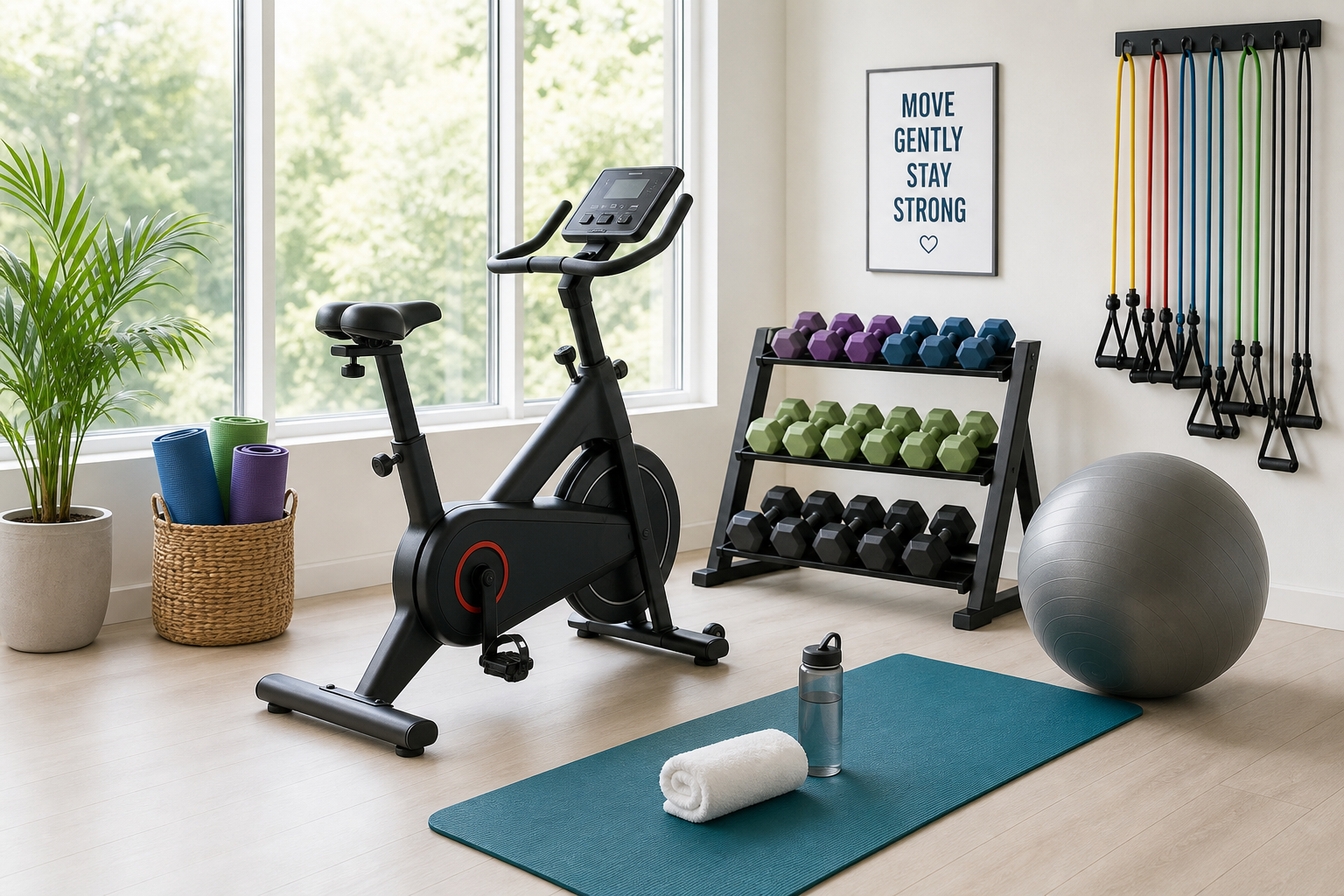
Selecting appropriate equipment can significantly reduce injury risk. Pedal exercisers offer low-risk cardiovascular benefits without fall concerns. They allow you to exercise while seated, eliminating balance issues entirely.

Quiet Magnetic Pedal Exerciser
Safe seated cardio option with zero fall risk; perfect for blood thinner users
For resistance training, adjustable dumbbells let you start light and progress gradually. Always use them over padded surfaces or mats to minimize injury if you drop one. Resistance bands provide another excellent option with minimal injury risk even if your grip fails during an exercise.
If you prefer machine-based cardio, an exercise bike or recumbent bike offers safer alternatives to treadmills, which carry higher fall risk. The seated position and stable platform reduce the chance of losing balance.
Seasonal Exercise Considerations
Weather conditions create additional challenges when you’re on anticoagulants. Hot weather safety becomes more critical because dehydration can affect INR levels and increase bleeding risk. Stay well-hydrated and exercise during cooler parts of the day.
Cold weather exercise presents slip and fall hazards from ice and snow. Consider indoor alternatives during winter months, or invest in traction devices for your shoes if you must walk outdoors. The consequences of a fall on ice are too serious to risk when your blood doesn’t clot normally.
Frequently Asked Questions
Should I stop exercising if I notice more bruising?
Minor bruising from normal exercise (hand marks from dumbbells, light marks from resistance bands) is expected on blood thinners and is not a reason to stop. If bruising is severe (palm-sized or larger from light contact), progressive (growing over days), or appearing in places you didn’t