You’re ready to add gentle movement to your routine, but you’re stuck between two popular practices. Both yoga and tai chi promise better balance, flexibility, and mental clarity. Both seem perfect for older adults. But which one actually fits your life better?
Let’s break down what each practice offers, who benefits most from each, and how to make the smartest choice for your situation.
The Core Differences: What You’re Actually Doing
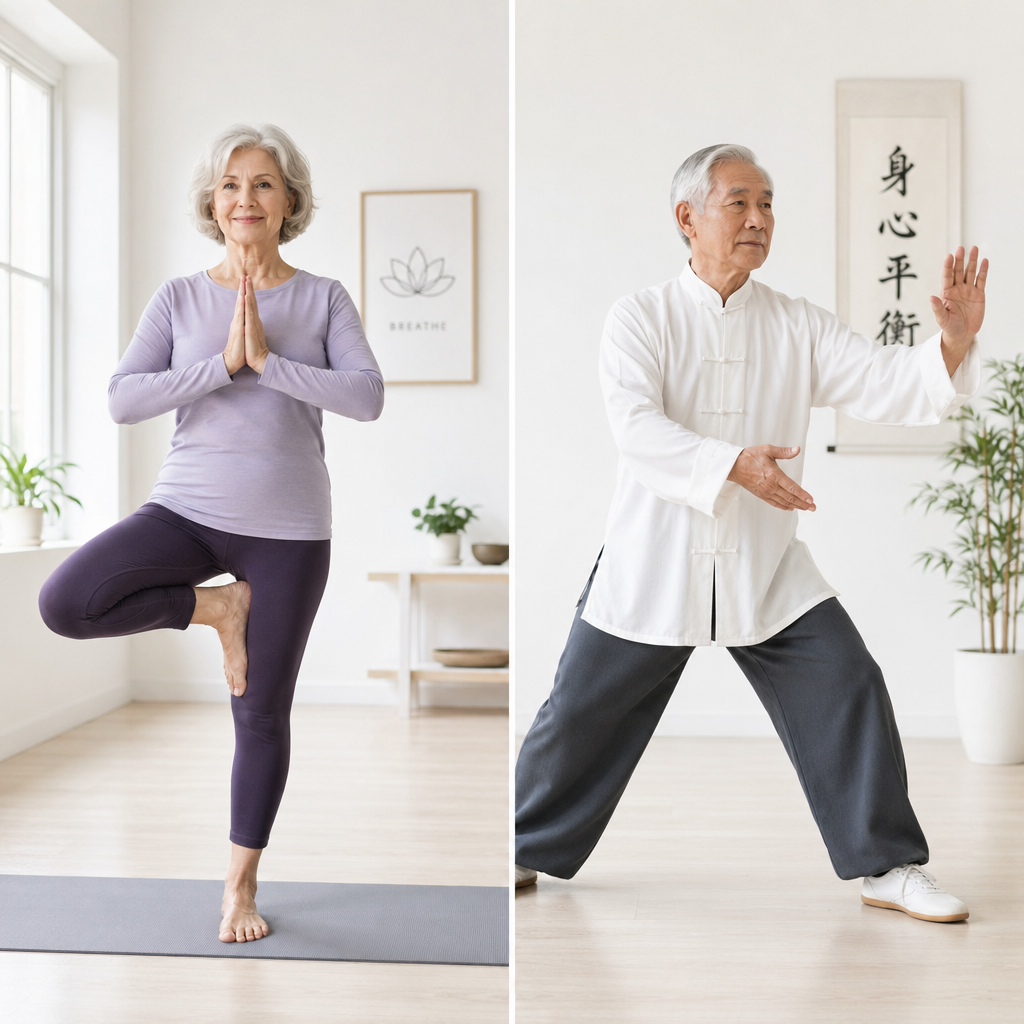
Yoga involves holding poses (sometimes for 30 seconds or longer) and flowing between positions. You’ll spend time on a mat doing standing poses, seated stretches, and potentially floor work. Classes typically last 45-60 minutes and include breathing exercises and relaxation.
Tai chi keeps you moving constantly with slow, flowing motions. You stay standing the entire time, shifting your weight through deliberate movements that resemble a graceful dance. Sessions run 30-60 minutes and focus on continuous circular motions paired with deep breathing.
This fundamental difference matters more than you’d think. Yoga requires getting up and down from the floor unless you specifically choose chair yoga. Tai chi eliminates that concern entirely since you remain upright throughout.
Equipment and Getting Started
Yoga needs a mat at minimum. You might also want blocks, straps, bolsters, or a cushion. Many seniors find that yoga props make poses more accessible and comfortable.
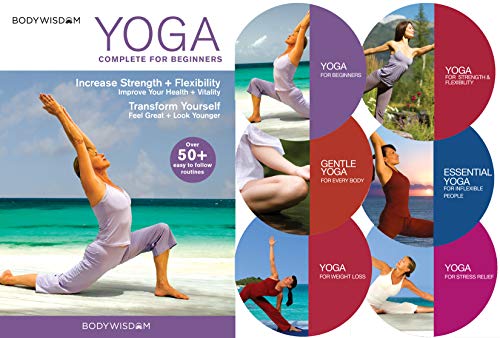
Yoga for Seniors DVD
Perfect for learning proper form at home before joining a class.
Tai chi requires almost nothing. Comfortable clothing and flat, supportive shoes work fine. Some people prefer tai chi shoes with thin, flexible soles, but regular sneakers work perfectly well.
Both practices have excellent instructional videos for home practice. You’ll find plenty of tai chi DVDs designed for seniors that break down the movements step by step.
Balance and Fall Prevention

Research shows both practices reduce fall risk, but through different mechanisms. Tai chi builds dynamic balance because you’re constantly shifting weight and moving. Studies consistently show 20-40% reduction in falls among regular tai chi practitioners.
Yoga improves static balance and strengthens stabilizing muscles through held poses like tree pose or warrior III. The results are impressive, but tai chi edges ahead for fall prevention specifically.
For seniors with significant balance concerns, tai chi wins. The continuous movement trains exactly what you need when you start to stumble. Yoga builds strength and flexibility that support balance, but doesn’t practice weight shifting as directly.
Specific Conditions: Which Practice Helps What
Arthritis responds well to both, but yoga typically provides more joint-specific stretching. Gentle yoga classes designed for arthritis can reduce pain and improve range of motion. Just avoid hot yoga or aggressive stretching.
Parkinson’s disease shows remarkable response to tai chi. Multiple studies demonstrate improved motor function, better balance, and reduced freezing episodes. The continuous, rhythmic movements seem particularly beneficial for this condition.

Tai Chi for Arthritis DVD
Created by Dr. Paul Lam specifically for joint health and widely recommended by physical therapists.
Cognitive function improves with both practices, but tai chi requires more working memory since you’re learning and remembering movement sequences. Yoga provides meditation and breathing work that reduces stress and may support brain health differently.
Heart disease and high blood pressure benefit from both. Gentle yoga lowers blood pressure and heart rate. Tai chi provides similar cardiovascular benefits without the floor work that some cardiac patients find challenging.
Class Availability and Learning Curve
Yoga classes are everywhere. Senior centers, gyms, community centers, and dedicated yoga studios all offer classes. Look specifically for “gentle yoga,” “chair yoga,” or “senior yoga” rather than generic classes.
Tai chi classes can be harder to find depending on your location. Community centers and senior centers often offer them, but dedicated studios are less common. The good news is that many parks departments offer free or low-cost tai chi in outdoor spaces during warmer months.
Both practices take time to learn properly. Yoga lets you jump in and modify on day one. Tai chi sequences take longer to memorize, but each session still provides benefits even while you’re learning.
Making Your Decision
Choose tai chi if you have trouble getting down to the floor, balance issues top your concern list, or Parkinson’s disease. It’s also ideal if you prefer being outdoors or want a practice you can do anywhere without equipment.
Pick yoga if you want more variety in your practice, need specific joint stretching, prefer widely available classes, or enjoy the meditation and relaxation components. Chair yoga versions make it accessible even with mobility limitations.
Most importantly, try both before committing. Many studios and community centers offer free trial classes. Your response to the practice matters more than any comparison chart. The best exercise is the one you’ll actually do consistently.
Frequently Asked Questions
Can I do both yoga and tai chi together?
Absolutely. Many seniors practice both and find they complement each other beautifully. You might do yoga twice a week for flexibility and strength, and tai chi twice a week for balance. Just don’t overdo it when starting out. Begin with one practice 2-3 times weekly, then add the other after a month or two once your body adapts.
How long before I see results from either practice?
You’ll feel immediate relaxation and stress relief after your first session of either practice. Balance improvements typically show up within 4-8 weeks of regular practice (at least twice weekly). Flexibility gains from yoga appear around the same timeframe. Strength benefits take 8-12 weeks. The key is consistency rather than intensity.
This article contains affiliate links. We may earn a small commission at no extra cost to you.