A weighted vest adds resistance to walking without occupying your hands, changing your gait, or altering your natural movement pattern. The additional load forces your legs, core, and cardiovascular system to work harder, turning a routine 30-minute walk into a more challenging workout.
For seniors, weighted vest walking also stimulates bone density (the extra load on your skeleton triggers bone-building activity) and builds the leg strength needed for stairs, hills, and daily activities. The key is choosing the right weight, the right fit, and knowing when a weighted vest is appropriate versus when it’s not.
How Much Weight Should Seniors Use?
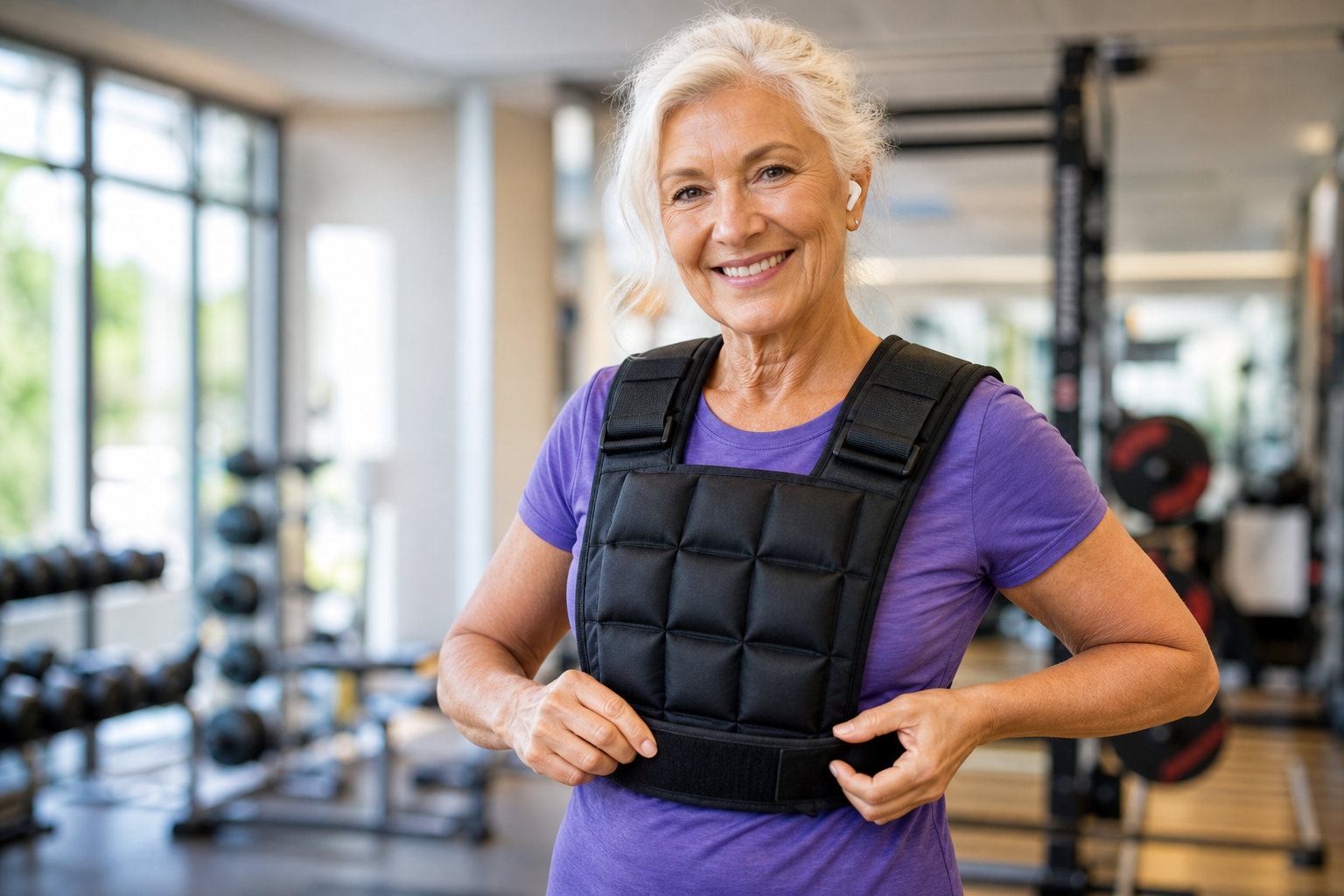
The research-backed recommendation is 5-10% of your body weight for walking. For a 150-pound person, that’s 7.5-15 pounds. Starting at the lower end and progressing gradually over 4-6 weeks is critical.
- Starting weight: 4-6 pounds (even for larger individuals). This lets your joints, back, and cardiovascular system adapt to the added load.
- Progression: Add 1-2 pounds every 2 weeks as the current weight feels comfortable.
- Maximum: Cap at 10% of body weight. Heavier loads alter gait mechanics and increase joint stress beyond the benefit threshold.
Adjustable-weight vests are essential because they let you start light and progress without buying multiple vests.
If you’re returning to exercise after time off or new to resistance training, start at 3-4 pounds regardless of your body weight. The stimulus from even a small amount of added weight is significant when your body isn’t accustomed to it. You can always add more. You can’t undo an injury from starting too heavy.
Weight tolerance also varies by terrain. A vest that feels comfortable on flat pavement may feel considerably heavier on hills or uneven trails where your stabilizing muscles work harder. Test a new weight on your easiest route first before taking it on challenging terrain.
Features That Matter
Weight Distribution
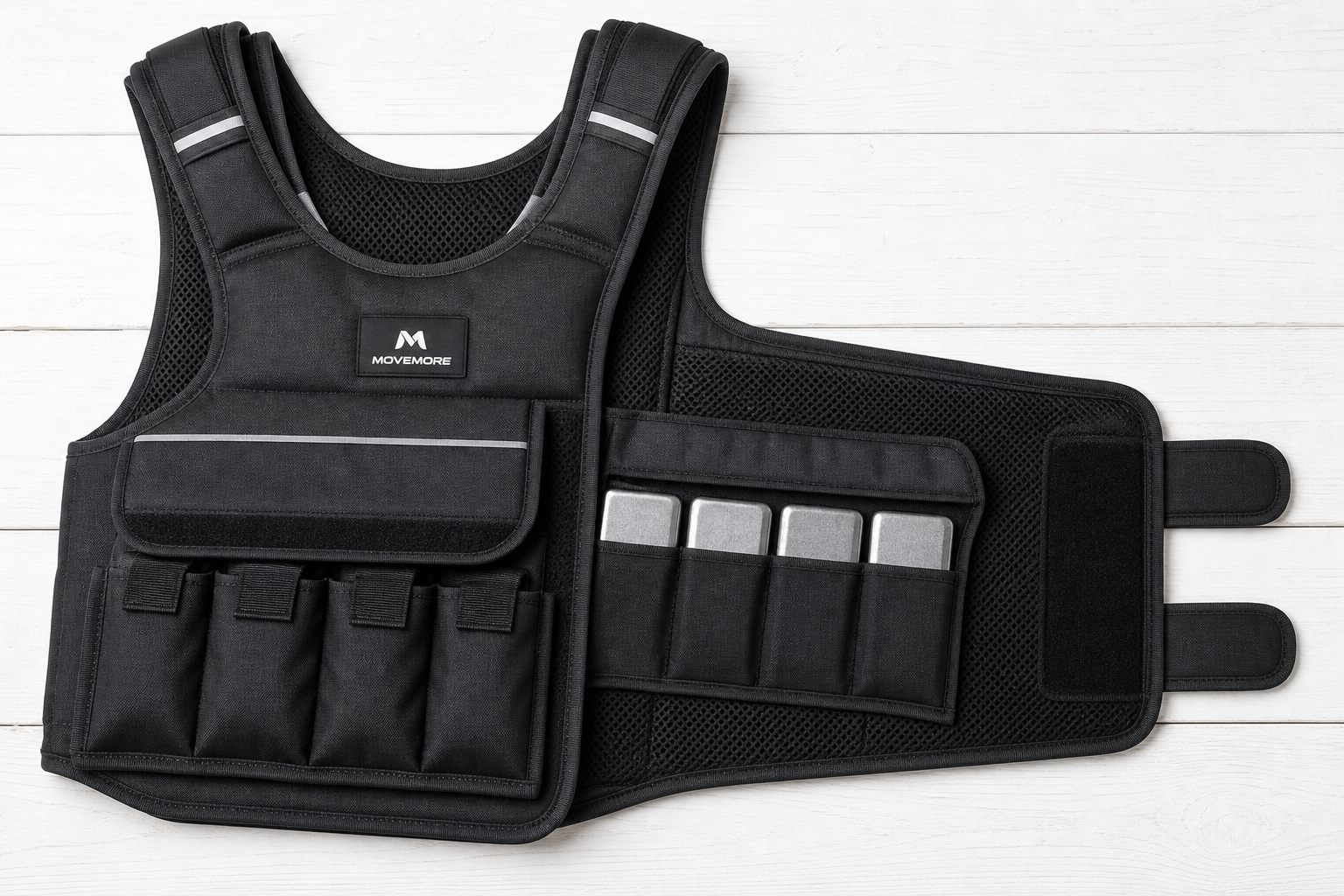
The vest should distribute weight evenly across your chest, upper back, and shoulders. Front-heavy vests pull you forward, increasing fall risk. Back-heavy vests arch your spine. Look for vests with weight pockets on both the front and back panels, arranged symmetrically.
The weight should sit high on your torso, close to your center of gravity. Vests that ride low or hang loose shift your balance point downward, forcing your legs and core to compensate. High, tight placement keeps your natural posture intact.
Adjustable Fit
Side straps, shoulder straps, and waist belts should all be adjustable. The vest should sit snugly against your torso without bouncing during walking. A vest that shifts and sways adds an unpredictable balance challenge that’s counterproductive. The vest should feel like it’s part of your body, not a separate object.
Try the vest with the clothing you’ll actually wear while walking. A vest that fits over a t-shirt may be too tight with a sweatshirt and jacket underneath. Most quality vests include enough adjustment range to accommodate seasonal layering.
Shoulder straps need padding if they’re going to hold weight without digging in. Thin webbing straps cut into your trapezius muscles after 10-15 minutes, making longer walks uncomfortable. Look for at least 1.5 inches of width on the shoulder straps.
Weight Increments
Vests that use removable weight bars or sandbags in small increments (0.5-1 pound each) give you the most precise control over progression. Some budget vests use fixed-weight inserts that only increase in 2-3 pound jumps, which is too aggressive for seniors.
The placement of weight pockets matters too. Vests with multiple small pockets let you distribute weight more evenly than vests with two large pockets. More pockets means better balance and less bulkiness.
Breathability
Neoprene vests trap heat and cause excessive sweating. Mesh-paneled vests or those with open-side designs allow airflow and prevent overheating during warmer weather. Overheating is a safety concern for seniors, especially those on medications that affect thermoregulation.
Open-side designs (vests that don’t wrap all the way around your ribs) provide the best airflow. They also allow full arm swing without the vest fabric rubbing against your upper arms. Restricted arm movement changes your gait pattern and reduces the walking efficiency you’re trying to maintain.
Moisture-wicking fabric on the inner lining keeps sweat from pooling against your skin. Cotton linings absorb moisture and stay wet. Synthetic mesh or perforated foam linings dry quickly and reduce chafing.
Top Weighted Vests for Seniors
OMORPHO Gravity Vest (Lightweight)
The OMORPHO Gravity Vest uses micro-weighted technology that distributes weight in thin, flexible panels rather than bulky pouches. It fits like a snug shirt and is virtually invisible under a jacket. The weight is fixed (not adjustable) but evenly distributed. Available in several weight options. The sleek design eliminates the “tactical gear” look of most weighted vests.
The fabric stretches with your body, so there’s no restriction during arm swing or torso rotation. The lack of bulk makes it more practical for indoor walking (gym, mall, treadmill) where traditional vests can feel conspicuous.
The fixed-weight design is both a strength and a limitation. You can’t incrementally adjust it, so you’ll need to buy a lighter vest for starting out and a heavier one later if you progress. But the even weight distribution and comfort make it worth considering if you plan to stay at one weight level long-term.
Best for: Seniors who want a low-profile vest that doesn’t look like exercise equipment and who aren’t focused on progressive weight increases.
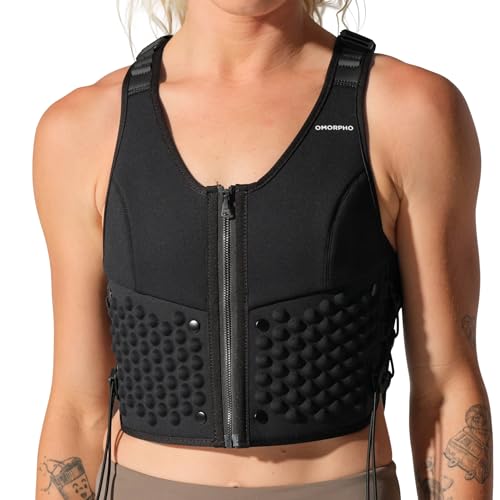
OMORPHO Gravity Vest
Low-profile design with micro-weighted panels for discreet, even weight distribution
Hyperwear Hyper Vest PRO
The Hyperwear Hyper Vest PRO uses thin steel weights in individual pockets for precise weight customization. The open-side design allows full range of arm motion and excellent airflow. The fit is snug and bounce-free. Weights are removable in 1/3-pound increments, providing the gradual progression seniors need.
The steel weights are housed in fabric sleeves that slide into elastic pockets, so you can add or remove individual weights in seconds without tools or fumbling with closures. The elastic pockets hold the weights firmly in place during movement.
The shoulder padding is generous without being bulky, and the waist belt prevents any downward slippage during walking. The vest sits high on the torso, which keeps the weight close to your center of gravity and minimizes strain on your lower back.
The open sides mean the vest doesn’t wrap around your ribs, so there’s no compression of your chest or restriction of breathing. This matters more as the weight increases. A 10-pound vest that wraps fully around your torso can feel constraining when you’re breathing hard on hills.
Best for: Seniors who want the most precise weight adjustability and the best-fitting vest, and who plan to progress weight over time.

Hyperwear Hyper Vest PRO
Top choice for precise 1/3-pound increments and open-side breathability
RunMax Adjustable Weighted Vest
The RunMax vest is a budget-friendly adjustable option, using removable sandbag weights. It’s available in a 12-pound version that can be loaded from 2-12 pounds by adding or removing bags. Front and back weight distribution is even.
The sandbag weights conform to your torso better than rigid bars, which makes the vest feel less bulky even though it isn’t as sleek as the Hyperwear. The fabric is basic but durable. The fit isn’t as dialed-in as higher-end vests, but the shoulder and side straps provide enough adjustability for most body types.
The sandbags slide into pockets that close with velcro flaps. The velcro is secure, but you’ll want to double-check the flaps before each walk. A sandbag shifting or falling out mid-walk throws off your balance immediately.
Breathability is acceptable but not excellent. The vest uses standard nylon fabric without mesh panels, so it’s warmer than open-side designs. Plan to wear lighter clothing underneath or save this vest for cooler weather.
Best for: Budget-conscious seniors who want adjustable weight without premium pricing and who walk primarily in moderate temperatures.

RunMax Adjustable Weighted Vest
Affordable option with sandbag weights and 2-12 pound range
ZFOsports 40-Pound Weighted Vest (High Capacity)
The ZFOsports vest has a 40-pound capacity, but seniors should only use it at the low end of that range. Load it with 4-10 pounds for walking and you have years of progression available without replacing the vest.
The weight pouches use sand-filled bags that you can remove individually. The bags are small, so weight distribution is even across the entire vest. The shoulder padding is thick and the side straps cinch the vest tightly against your torso.
The full-wrap design (not open-sided) makes it warmer than vented vests. The fabric is non-breathable nylon. Use this vest in fall, winter, or early spring when extra warmth isn’t a problem. For summer walking, check out our summer exercise safety tips before adding weighted gear in hot weather.
The fit runs large. If you’re between sizes, go with the smaller option. An oversized vest shifts during movement no matter how tight you cinch the straps.
Best for: Seniors who want long-term progression potential and walk primarily in cooler weather.
When Not to Use a Weighted Vest
- Active joint pain: If your knees, hips, or back are currently painful during unweighted walking, adding weight will make it worse. Resolve the pain first, then consider a vest. For those recovering from joint replacement surgery, review our post-surgery exercise guidelines before adding resistance.
- Balance issues: If you’re unsteady during regular walking, the added weight shifts your center of gravity and increases fall risk. Build balance confidence first.
- Cardiovascular concerns: The extra weight increases cardiovascular demand by 5-15%. If you have uncontrolled blood pressure, heart failure, or haven’t been cleared for increased exercise intensity, check with your doctor first.
- Osteoporosis with fracture history: While vest walking can improve bone density, the extra spinal compression from the vest weight may be risky for people with vertebral compression fracture history. Ask your doctor and review safe exercises in our osteoporosis exercise plan.
Balance problems aren’t always obvious. If you occasionally grab railings, walls, or furniture for support during normal walking, or if you’ve had a near-fall or actual fall in the past six months, work on balance exercises before adding a weighted vest. Even a light vest makes balance corrections harder because the extra weight increases your momentum.
Respiratory conditions including COPD, asthma, or reduced lung capacity from any cause make vest walking more challenging. The weight around your chest restricts full inhalation slightly, and the increased cardiovascular demand requires more oxygen intake. If you’re already managing breathlessness during regular walking, adding a vest may push you past your comfortable breathing threshold. People with COPD should consult our COPD exercise program for appropriate modifications.
Spinal stenosis or herniated discs warrant caution. The compressive load from a weighted vest can aggravate nerve impingement in the spine. If you have diagnosed spinal issues, get clearance from your doctor and start with the absolute minimum weight (2-3 pounds) to test tolerance.
Getting Started Safely
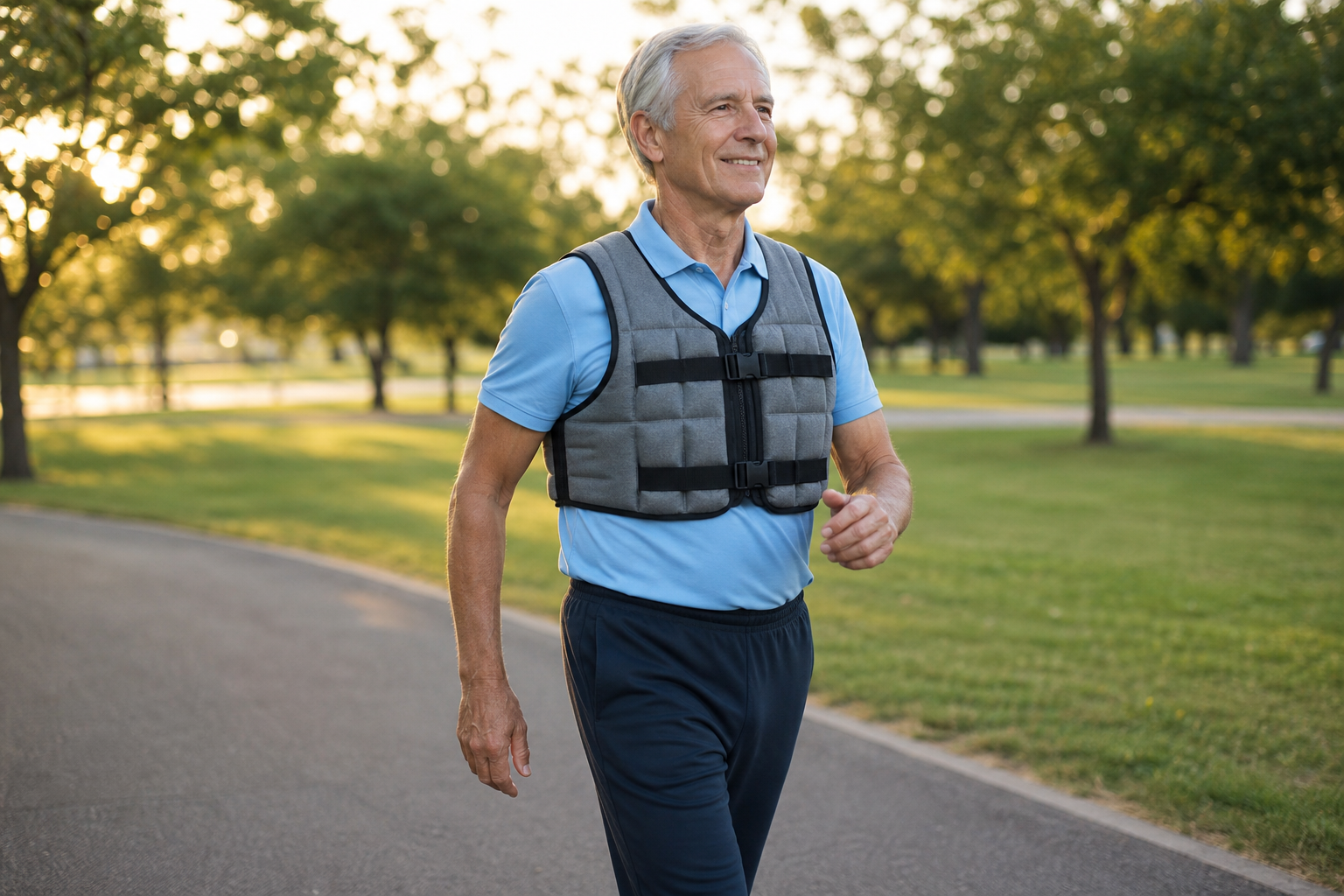
Put the vest on at home and walk around your house for 5-10 minutes before taking it outside. This gives you a feel for how the weight affects your balance, posture, and breathing in a controlled environment where you can remove it immediately if something feels wrong.
Start with half your normal walking distance while wearing the vest. If you typically walk 2 miles, do 1 mile with the vest on your first outing. The added weight fatigues your legs, back, and cardiovascular system faster than you expect. Finishing strong is better than overreaching and struggling through the last half-mile.
Pay attention to your posture. The weight should not cause you to lean forward, hunch your shoulders, or alter your arm swing. If you notice any of these compensations, the vest is either too heavy, fitted incorrectly, or both. Stop and adjust before continuing. Our posture correction guide can help you maintain proper alignment.
Remove the vest immediately if you experience sharp pain, dizziness, excessive breathlessness (beyond normal exertion), or any feeling that your balance is compromised. These are signs that your body isn’t ready for the added load or that the weight is too much.
Maintaining Your Vest
Sandbag-style vests can develop leaks over time. Inspect the weight bags before each use. A leaking bag leaves a trail of sand and throws off the vest’s weight balance. Most manufacturers sell replacement bags.
Wash the vest regularly according to the manufacturer’s instructions. Sweat buildup causes odor and degrades fabric over time. Most vests are machine-washable after removing the weights, but some require hand-washing. Check the label.
Store the vest flat or hanging, not crumpled in a gym bag. Creasing the weight pockets can weaken the seams and cause premature failure. If the vest uses steel weights, store it in a dry area to prevent rust.
Velcro closures lose grip over time, especially if they collect lint and debris. Clean velcro with a stiff brush or an old toothbrush every few weeks. Replace worn velcro straps before they fail during a walk.
Frequently Asked Questions
How often should I wear the weighted vest?