Shoulder pain can turn everyday activities into frustrating challenges. Reaching for a coffee mug, putting on a jacket, or even sleeping on your side becomes uncomfortable when your rotator cuff isn’t functioning properly. The good news is that most shoulder discomfort responds well to targeted exercises that strengthen these critical muscles and restore mobility.
Your rotator cuff consists of four muscles that stabilize your shoulder joint and allow for its impressive range of motion. When these muscles become weak or tight, pain follows. The exercises below will help you rebuild strength, improve flexibility, and get back to normal activities without discomfort.
Understanding Your Shoulder Pain: When to Exercise and When to See a Doctor
Before starting any exercise program, you need to know whether you’re dealing with general muscle strain or something more serious. Muscle strain typically causes dull, aching pain that gets better with rest and gradually improves over a few days. You’ll still have full range of motion, even if it hurts a bit.
Seek medical attention if you experience sudden, sharp pain after an injury, complete inability to move your shoulder, visible deformity, pain that worsens over time rather than improving, or symptoms lasting more than two weeks without improvement. These signs could indicate a rotator cuff tear, dislocation, or other injury requiring professional treatment.
For general muscle strain and tightness, the following exercises can provide significant relief when performed consistently.
8 Essential Shoulder Pain Relief Exercises

1. Pendulum Stretch
Stand beside a table or chair and lean forward slightly, using your good arm for support. Let your affected arm hang straight down and gently swing it in small circles, about a foot in diameter. Perform 10 circles clockwise, then 10 counterclockwise. This exercise warms up the shoulder joint without putting stress on injured tissues.
2. External Rotation with Resistance Band
Attach a resistance band to a doorknob at elbow height. Stand sideways to the door with your affected arm furthest from it. Hold the band with your elbow bent 90 degrees and tucked against your side. Pull the band away from your body, rotating your forearm outward. Return slowly. Perform 15 repetitions.

TheraBand Resistance Bands Set
Professional-grade bands specifically designed for physical therapy and rehabilitation exercises
3. Internal Rotation with Resistance Band
This is the opposite movement. Stand with your affected arm closest to where the band is attached. Start with your forearm rotated outward, then pull the band across your body, rotating your forearm inward. Keep your elbow pinned to your side throughout. Complete 15 repetitions.
4. Wall Crawls (Finger Walk)
Face a wall and place your fingertips on it at waist level. Slowly walk your fingers up the wall, raising your arm as high as comfortable. Hold for a few seconds at the top, then walk your fingers back down. Repeat 10 times. This exercise improves forward flexion and range of motion.
5. Side Wall Crawls
Stand sideways to the wall with your affected shoulder closest to it. Walk your fingers up the wall to the side, lifting your arm laterally. This targets different rotator cuff muscles than the forward wall crawl. Perform 10 repetitions.
6. Doorway Stretch
Stand in a doorway with your forearms against the door frame, elbows bent at 90 degrees. Step forward with one foot until you feel a gentle stretch across your chest and front of your shoulders. Hold for 30 seconds, rest, and repeat three times. This counteracts the forward shoulder position many people develop from desk work.
7. Cross-Body Stretch
Use your good arm to gently pull your affected arm across your chest at shoulder height. Hold for 30 seconds when you feel a stretch in the back of your shoulder. Repeat three times. This stretches the posterior rotator cuff muscles.
8. Sleeper Stretch
Lie on your affected side with your arm extended forward at shoulder level and elbow bent 90 degrees. Use your opposite hand to gently push your forearm down toward the floor. You’ll feel a stretch in the back of your shoulder. Hold for 30 seconds and repeat three times.
Creating Your Exercise Routine
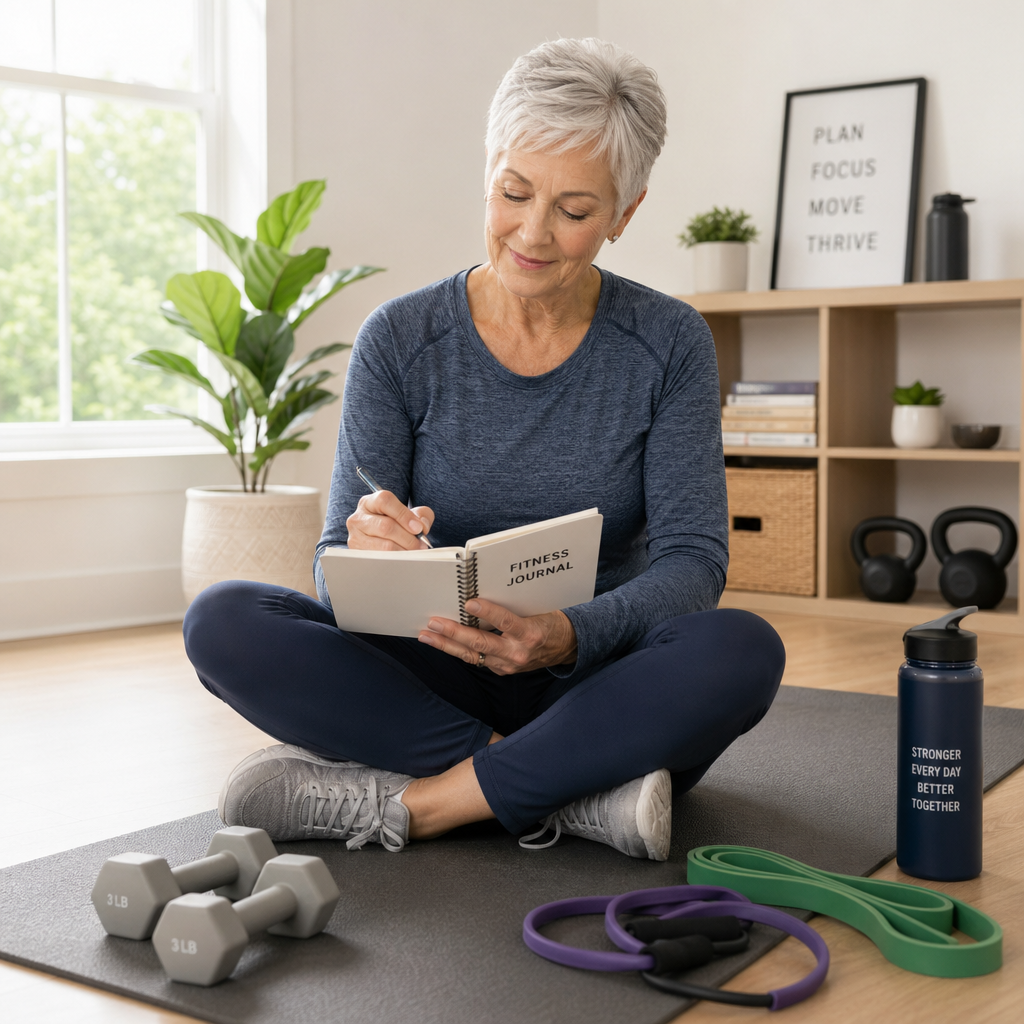
Start with just the pendulum stretch and one or two other exercises. Perform them once daily, gradually adding more movements as your pain decreases. You should feel muscle fatigue but not sharp pain during exercises. If an exercise hurts, stop and try a gentler version or skip it for a few days.
Consistency matters more than intensity. Doing these exercises for 10 minutes daily will produce better results than an hour-long session once a week. Most people notice improvement within two to three weeks of regular practice. Just as proper form and consistency are essential for recovering from knee surgery, the same principles apply to shoulder rehabilitation.
Consider using a foam roller before exercising to loosen tight muscles around your shoulder blade and upper back. This preparation can make the exercises more effective and comfortable.
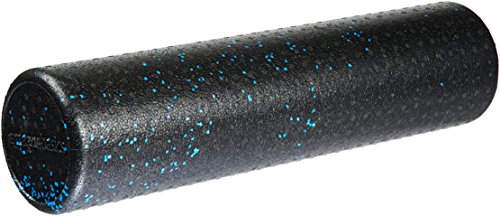
LuxFit Foam Roller
Dense foam construction perfect for shoulder and upper back mobility work before rehabilitation exercises
Frequently Asked Questions
How long should I wait after a shoulder injury before starting these exercises?
For minor strains, you can begin gentle range-of-motion exercises like the pendulum stretch within 48 hours. Wait until acute pain subsides before adding resistance exercises. If you’ve had surgery or a significant injury, follow your doctor’s or physical therapist’s specific timeline, which typically starts with passive movements after a few weeks.
Can I do these exercises if I have shoulder arthritis?
Yes, these exercises often help arthritis symptoms by maintaining joint mobility and strengthening supporting muscles. However, modify the range of motion to stay within comfortable limits. You might need to perform movements more slowly and with less resistance. Consult your doctor before starting any new exercise program if you have arthritis or other chronic conditions. Similar gentle approaches can be effective for managing hip discomfort and other joint issues.
This article contains affiliate links. We may earn a small commission at no extra cost to you.
Related Articles
- Senior-friendly yoga stretches to ease lower back discomfort
- How to maintain an active gardening lifestyle without back pain